Quick answer
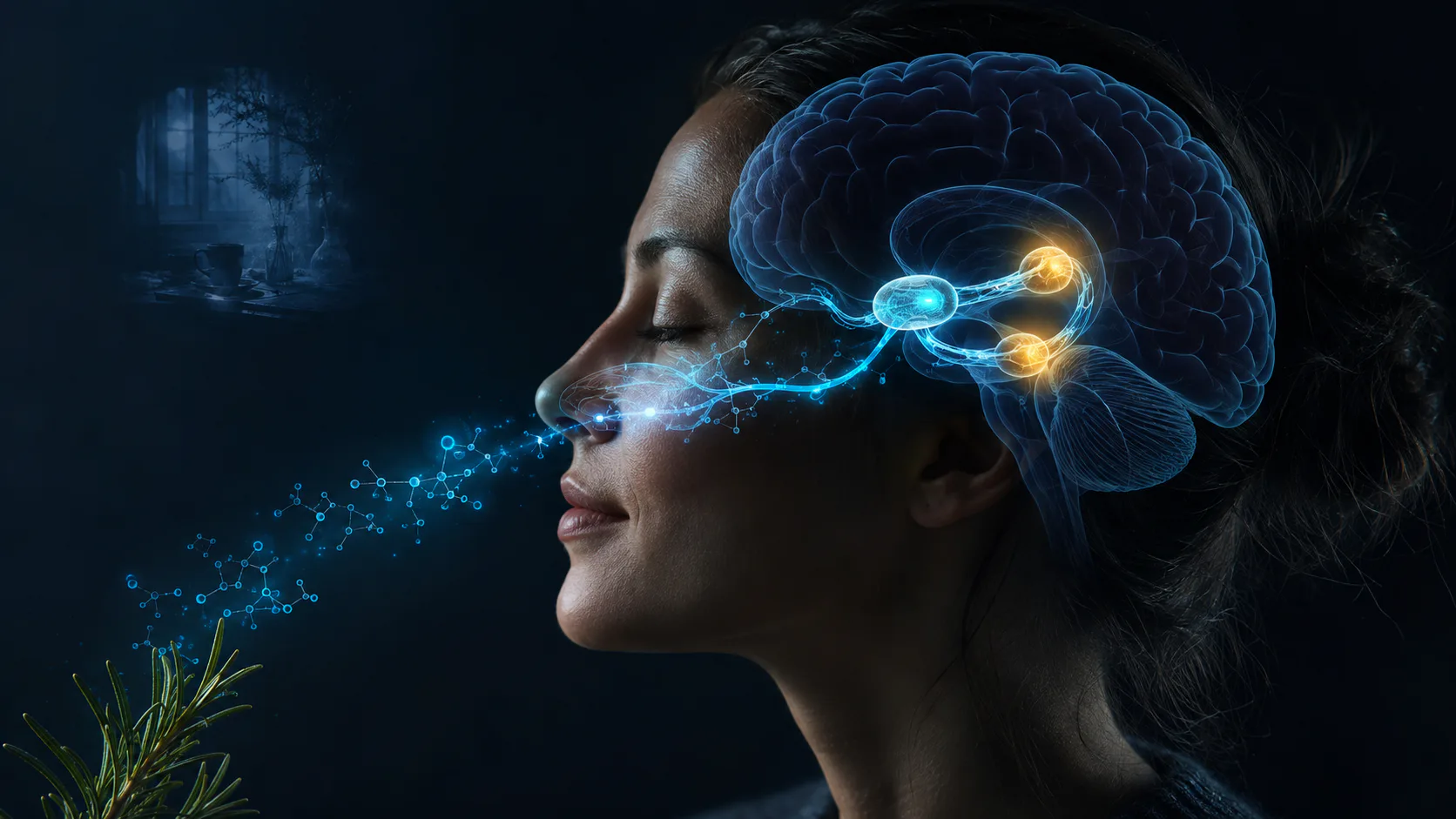
Déjà vu is thought to occur when a situation produces a strong sense of familiarity without successful recollection of when or where it was encountered. Partial resemblance to an earlier scene, timing differences in memory processing or spontaneous activity in medial temporal networks may create the signal. Healthy monitoring systems then detect that the present should be new, producing the characteristic clash rather than a false belief that the event truly repeated.
A room, sentence or turn in a road suddenly feels repeated. The certainty is immediate, yet searching memory produces no earlier scene. You know the present is new while another part of the mind insists that it has happened before.
Déjà vu is not one solved circuit. The leading accounts treat it as a memory illusion involving familiarity, recollection and monitoring. The strange feeling may be produced not only by an erroneous familiarity signal, but by the brain recognizing that the signal conflicts with reality.
Familiarity and recollection can separate
Recognition is not a single yes-or-no process. Familiarity is a fast sense that something has been encountered; recollection retrieves contextual details such as place, time and associated events. Usually they agree. Déjà vu exposes the experience of familiarity operating without a convincing source.
Laboratory tasks can create déjà vu-like states by presenting a new scene with a spatial layout similar to an earlier one that a participant cannot consciously recall. The partial match raises familiarity while the source stays unavailable. That supports resemblance as one route, not the explanation for every spontaneous episode.
The hippocampus and neighboring medial temporal structures contribute to relational memory and familiarity monitoring. Electrical stimulation or seizures in temporal networks can produce experiential phenomena, which shows that abnormal activity can cause déjà vu. Ordinary occasional déjà vu does not mean a person is having seizures.
Why the conflict stays brief
A familiarity signal is weak evidence by itself. When no matching episode can be retrieved and the current context is clearly unfolding for the first time, monitoring systems reject the signal. The sensation fades instead of becoming a lasting false memory.
Fatigue and stress are often reported around episodes, but evidence does not support a simple rule that tiredness directly causes all déjà vu. Age also matters: surveys often find it more common in younger adults and less frequent later in life, perhaps reflecting changes in novelty, travel, memory sensitivity or reporting.
Frequent episodes accompanied by loss of awareness, unusual smells, fear, automatisms or confusion deserve neurological assessment because focal seizures can include déjà vu. The ordinary version is brief, infrequent and recognized as a feeling rather than a literal prediction or supernatural event.
A familiarity signal without its source
Features of the present scene partially activate a stored pattern, or familiarity circuitry fires spontaneously. The mind registers prior exposure, then searches for contextual recollection and finds none.
Monitoring systems compare the signal with current knowledge. The mismatch becomes conscious as déjà vu: not a recovered memory, but the feeling that one ought to exist.
Experimental work describes déjà vu as a mismatch between familiarity and memory monitoring.
Reviews of temporal-lobe epilepsy distinguish ordinary memory illusion from seizure-related experiences.
Try it yourself
Record the structure of a natural episode.
- Write down the setting and the exact feature that felt familiar.
- Separate the feeling of knowing from any detail you can actually recall.
- Look later for a similar layout, phrase or routine that may have supplied a partial match.
Do not use memory-recovery techniques to invent a source. Seek medical advice for frequent episodes with altered awareness or other neurological symptoms.
Why it matters
Déjà vu demonstrates that confidence and recollection are separate products. A feeling can be powerful without containing the evidence needed to justify it.
The experience also reveals monitoring as an active part of memory. Healthy remembering includes detecting when an internal signal does not fit the external situation.
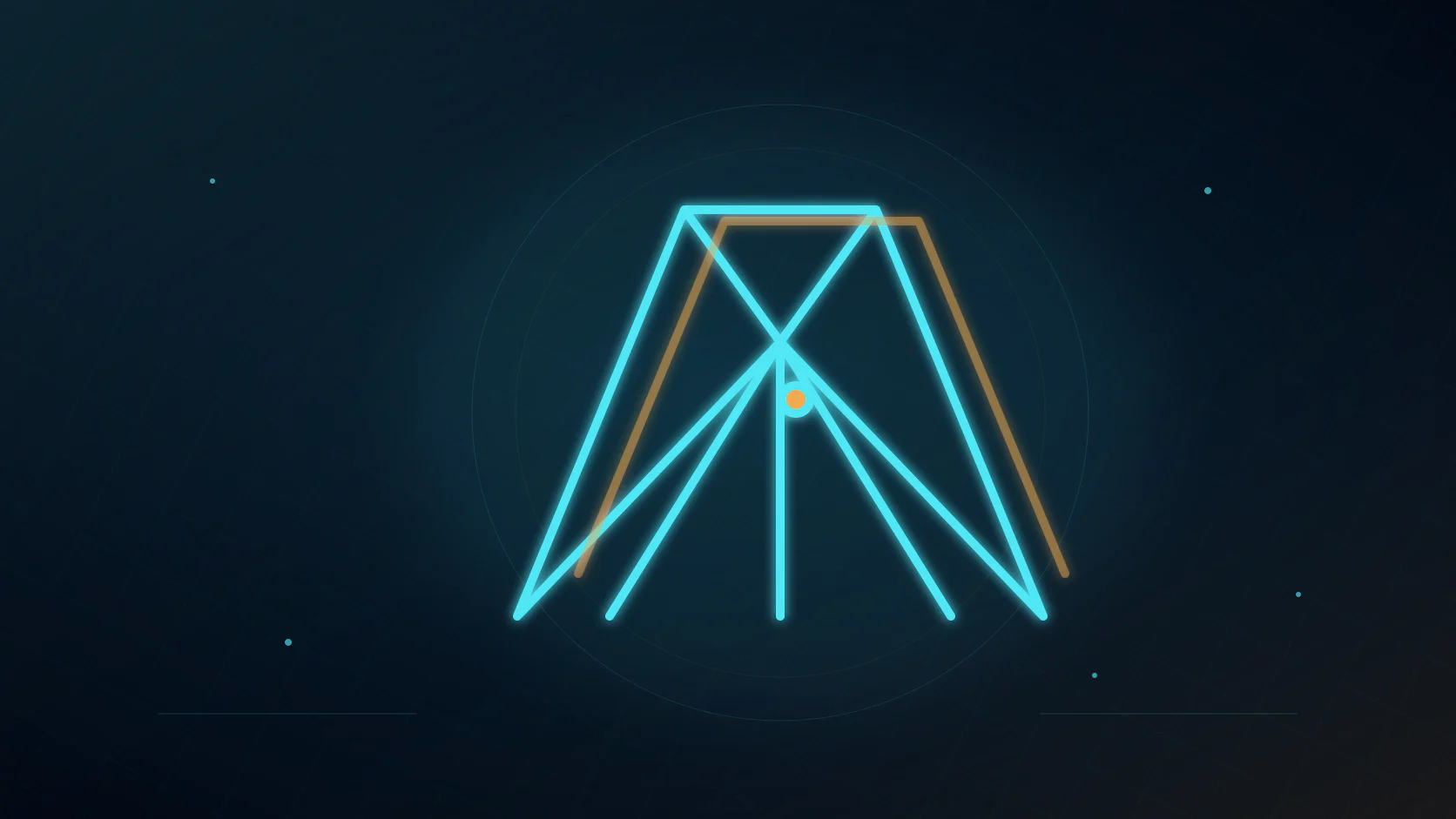
Déjà vu is familiarity with a missing address.
A present scene feels known, no source can be retrieved, and the brain notices the contradiction. The mismatch—not a hidden prediction—creates the uncanny moment.
Research behind this story
We link to the primary study or an authoritative indexed review wherever possible. Caveats in the text reflect the limits of that evidence.
01