Biology
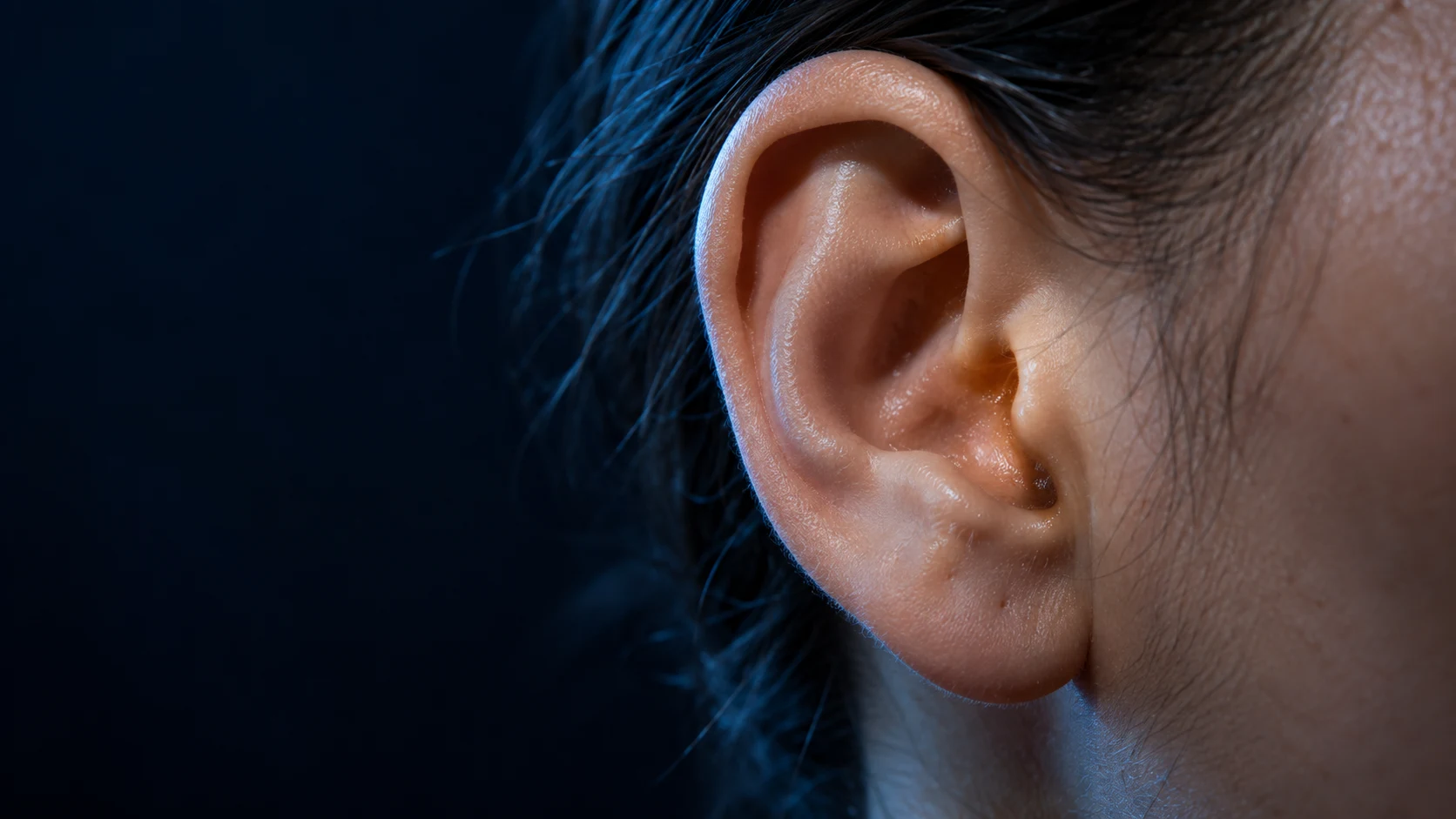
Earwax Is a Moving Protective Layer
Cerumen is not dirt waiting to be removed. It is part lubricant, part particle trap and part conveyor belt for the skin lining the ear canal.
Life holds its shape by changing it. Cells remember, tissues rebuild and organs quietly sort the signals and material that move through them.
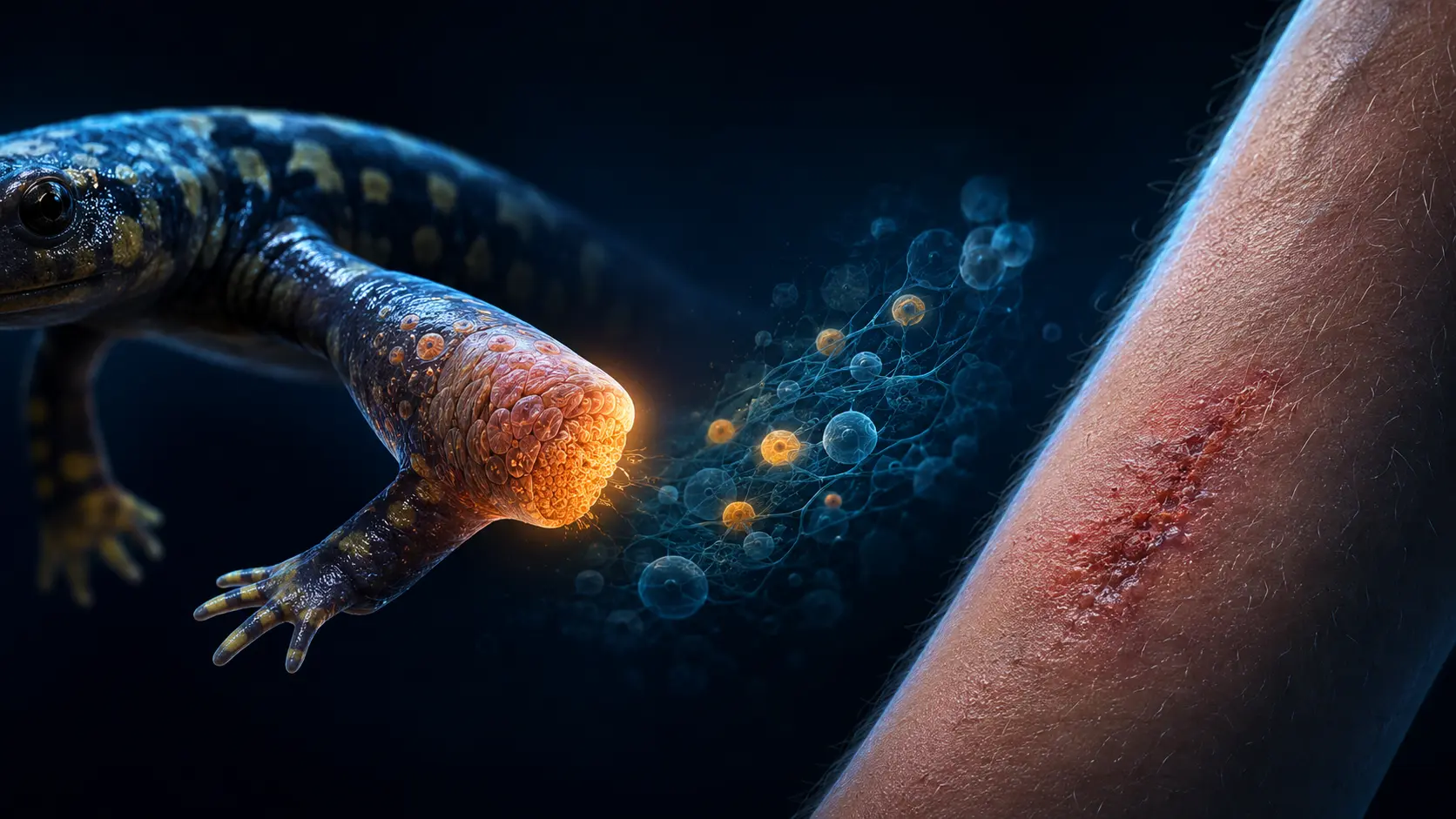 Featured · Why Can't Humans Regrow Limbs? ↗
Each story links an everyday experience to the system that produces it, with evidence and uncertainty kept visible.
Cerumen is not dirt waiting to be removed. It is part lubricant, part particle trap and part conveyor belt for the skin lining the ear canal.
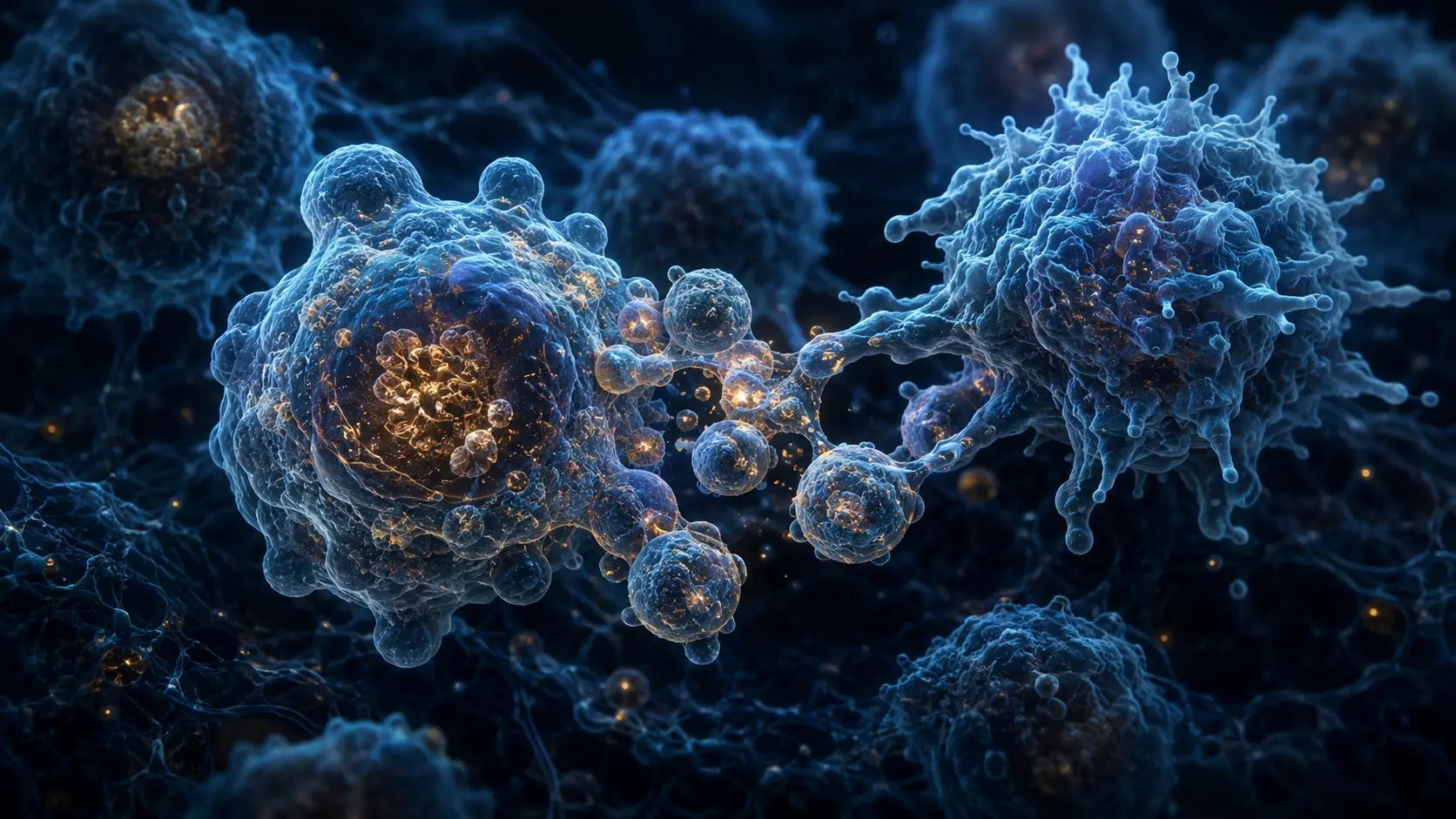
A cell can shrink, package its contents and mark the fragments for clearance—an orderly death that shapes development and protects tissues.
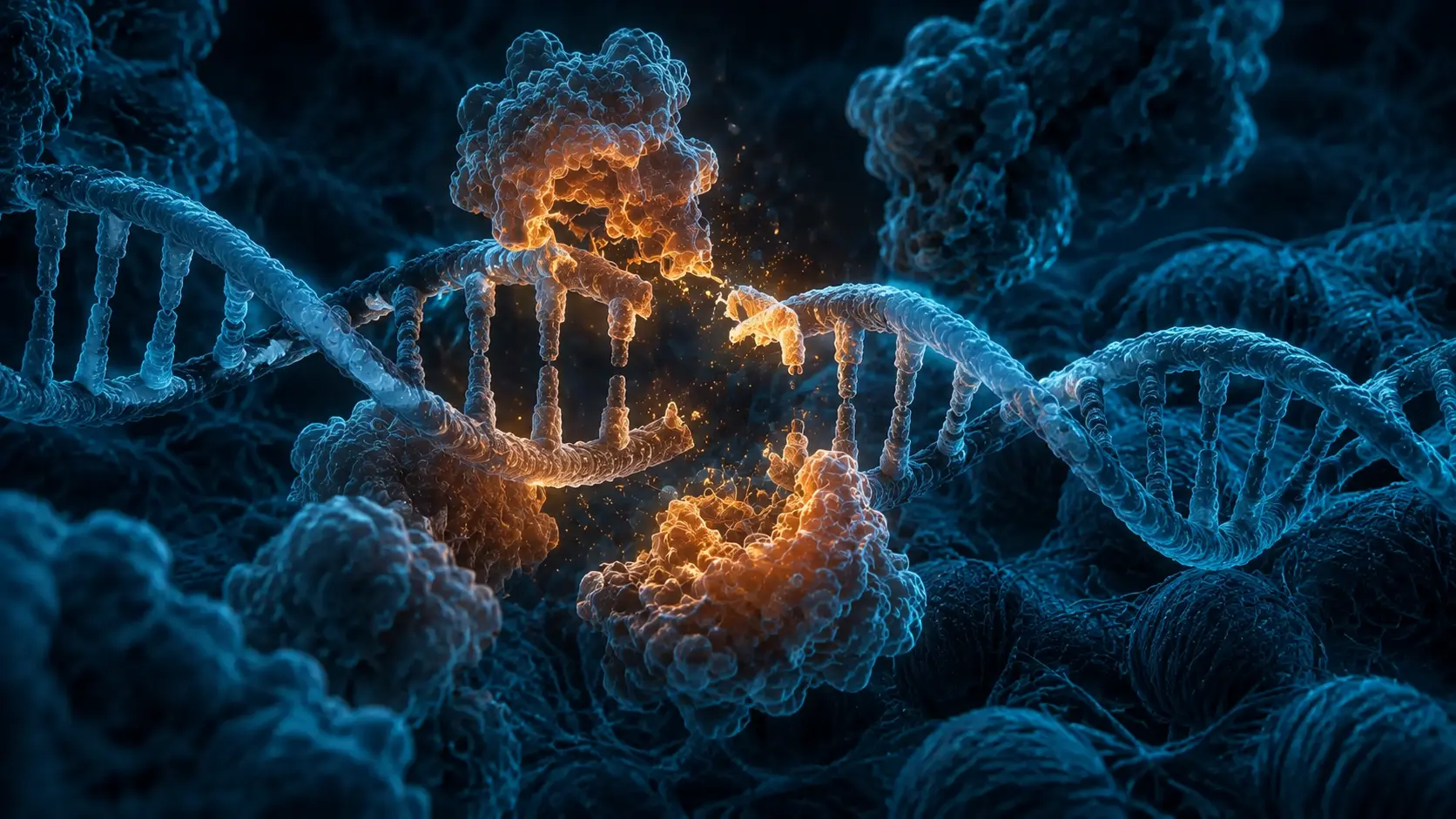
DNA damage is routine. Survival depends on recognizing the lesion, pausing when necessary and choosing a repair route that fits the problem.
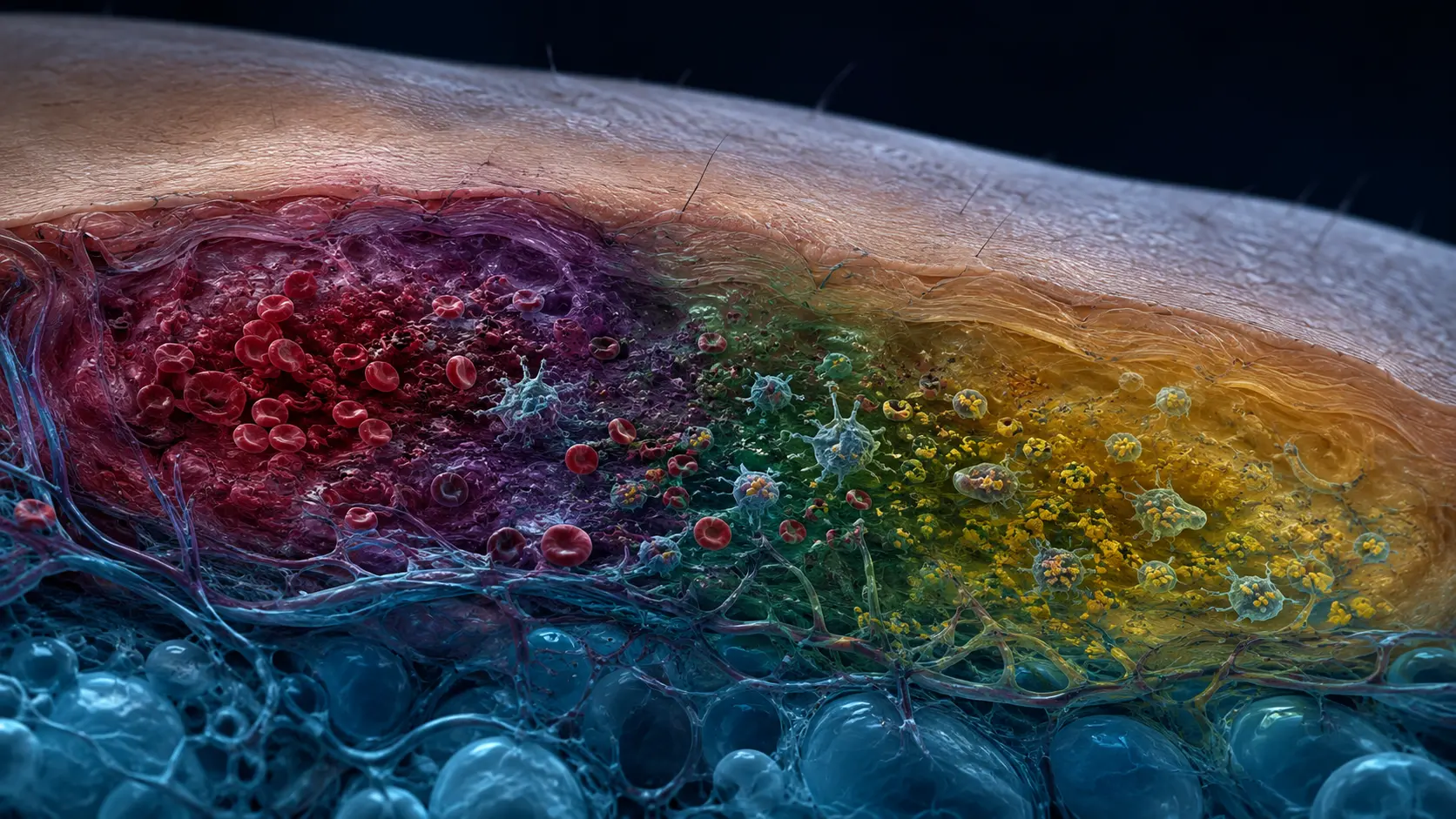
The bruise is not dye spreading through skin. It is a cleanup site whose pigments change as blood outside vessels is broken down.
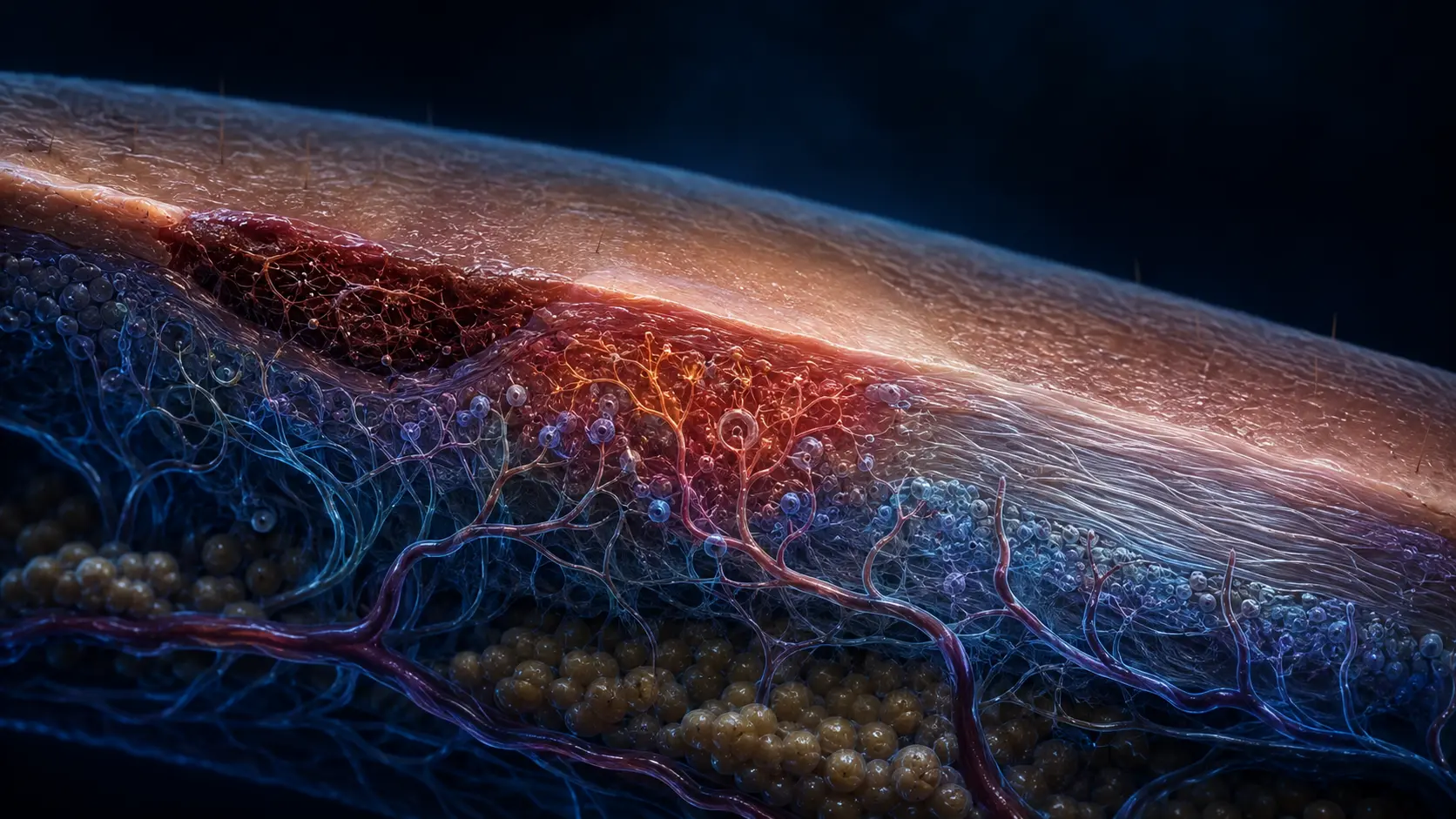
A wound is secured within minutes, filled over days and remodeled for months. The final patch is strong, but structurally different.
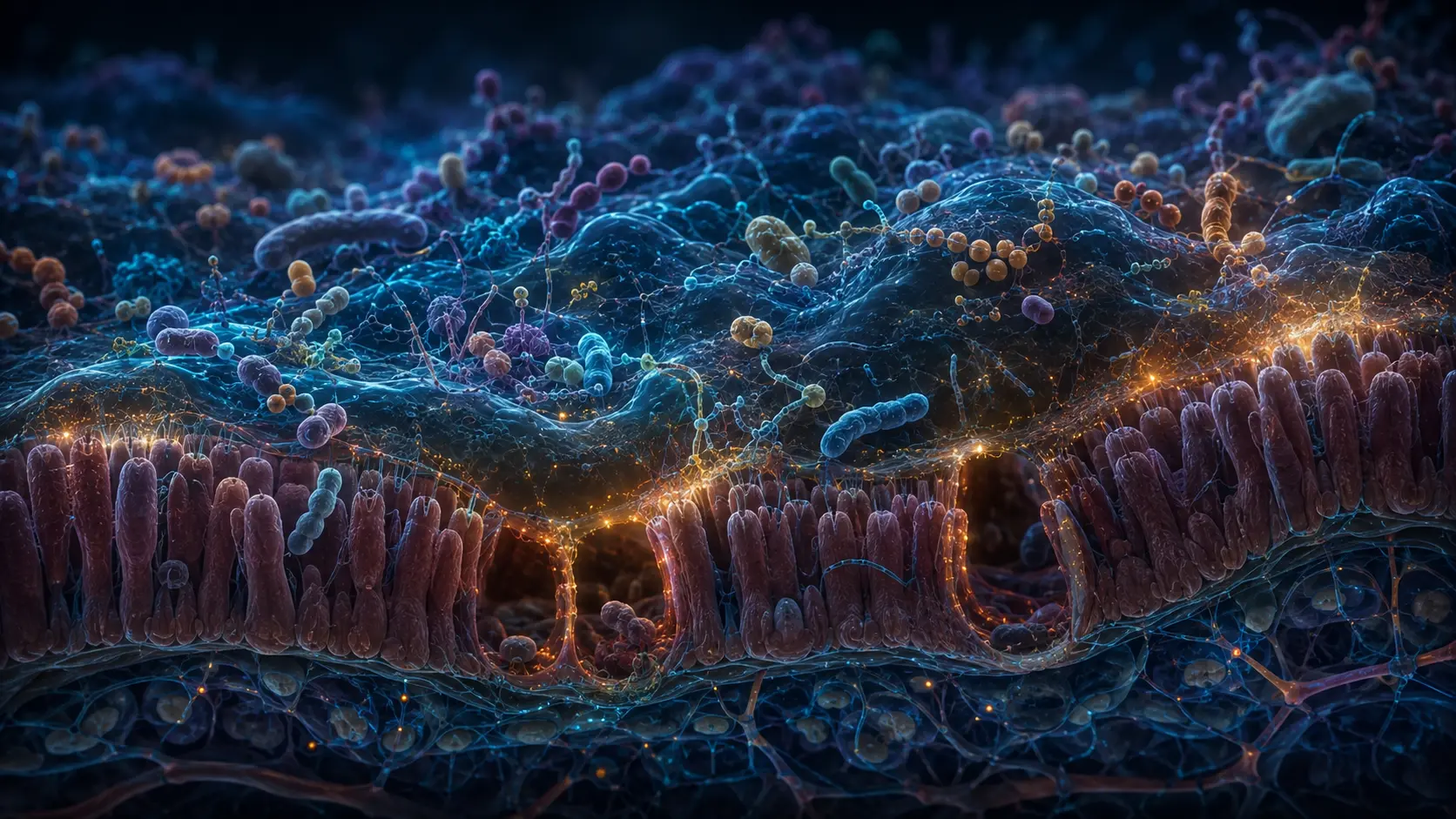
Trillions of microbes occupy distinct habitats across the body, exchanging chemicals with one another and with human tissue.
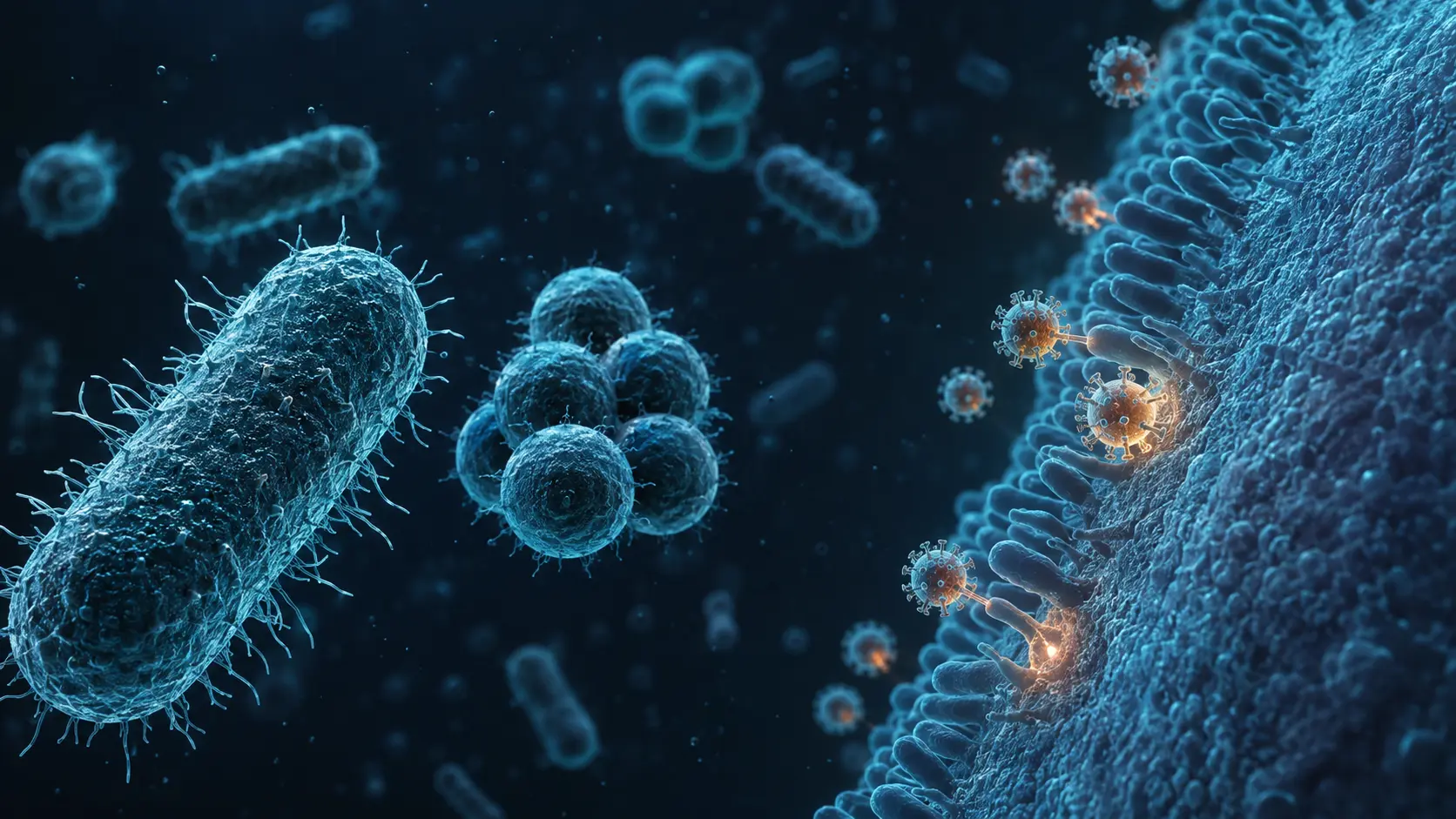
Both can cause infection, but one is a cell and the other must take over a cell. That distinction changes nearly everything about treatment.
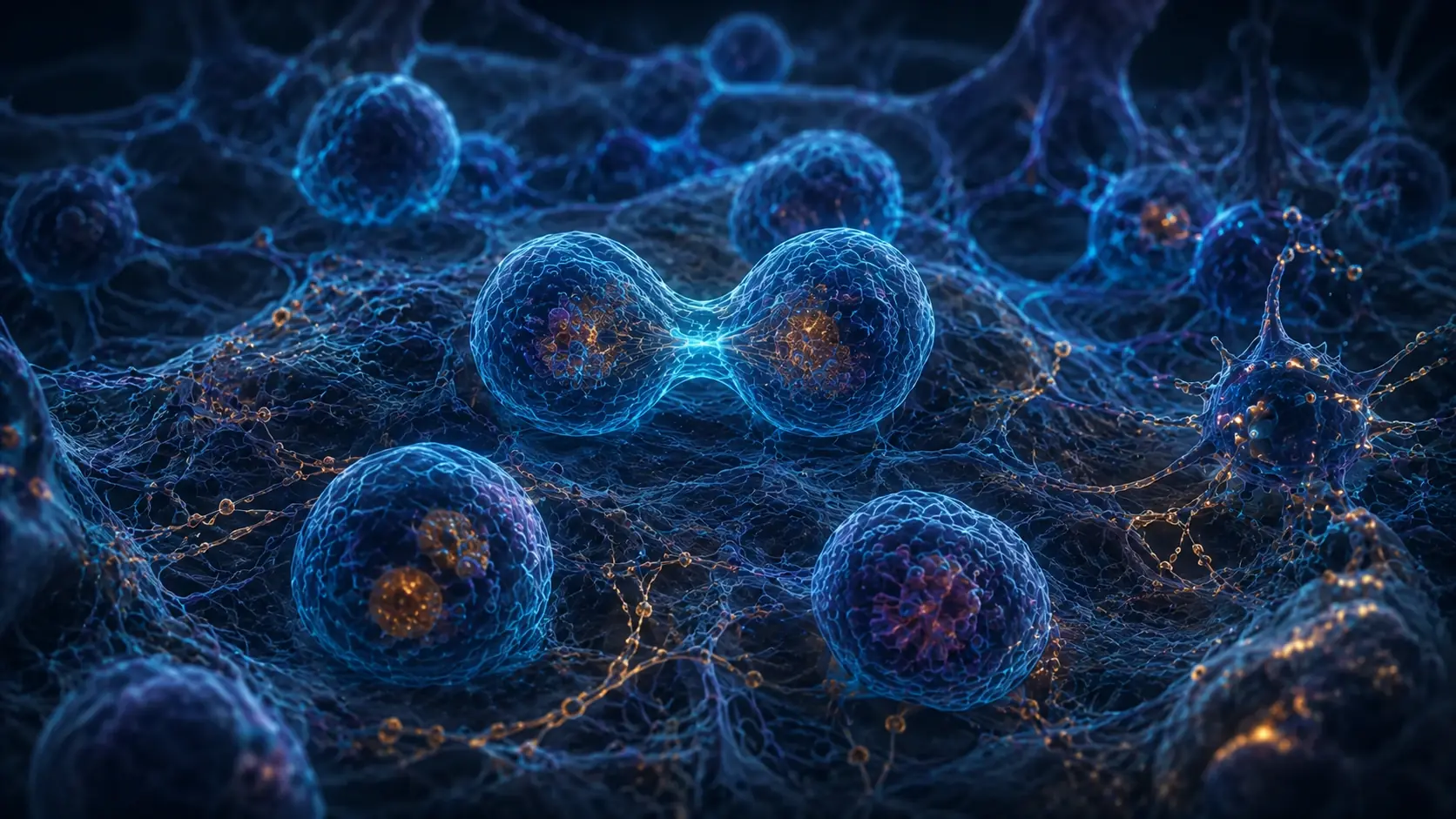
A stem cell is defined by what it can keep doing: make more of itself while producing descendants that specialize.
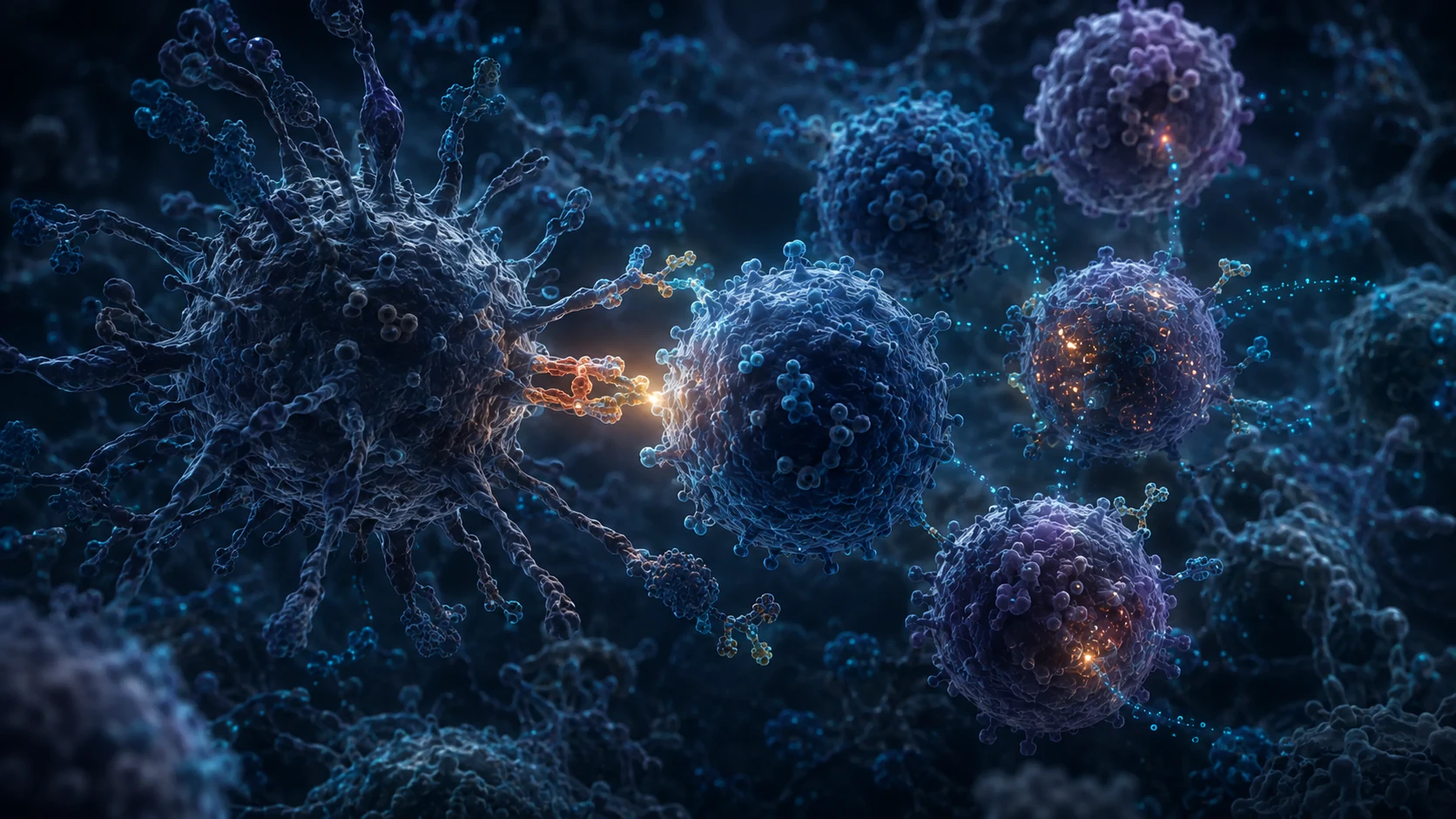
Vaccination gives adaptive immunity a controlled rehearsal. The first response builds a faster starting position for a later encounter with the real pathogen.
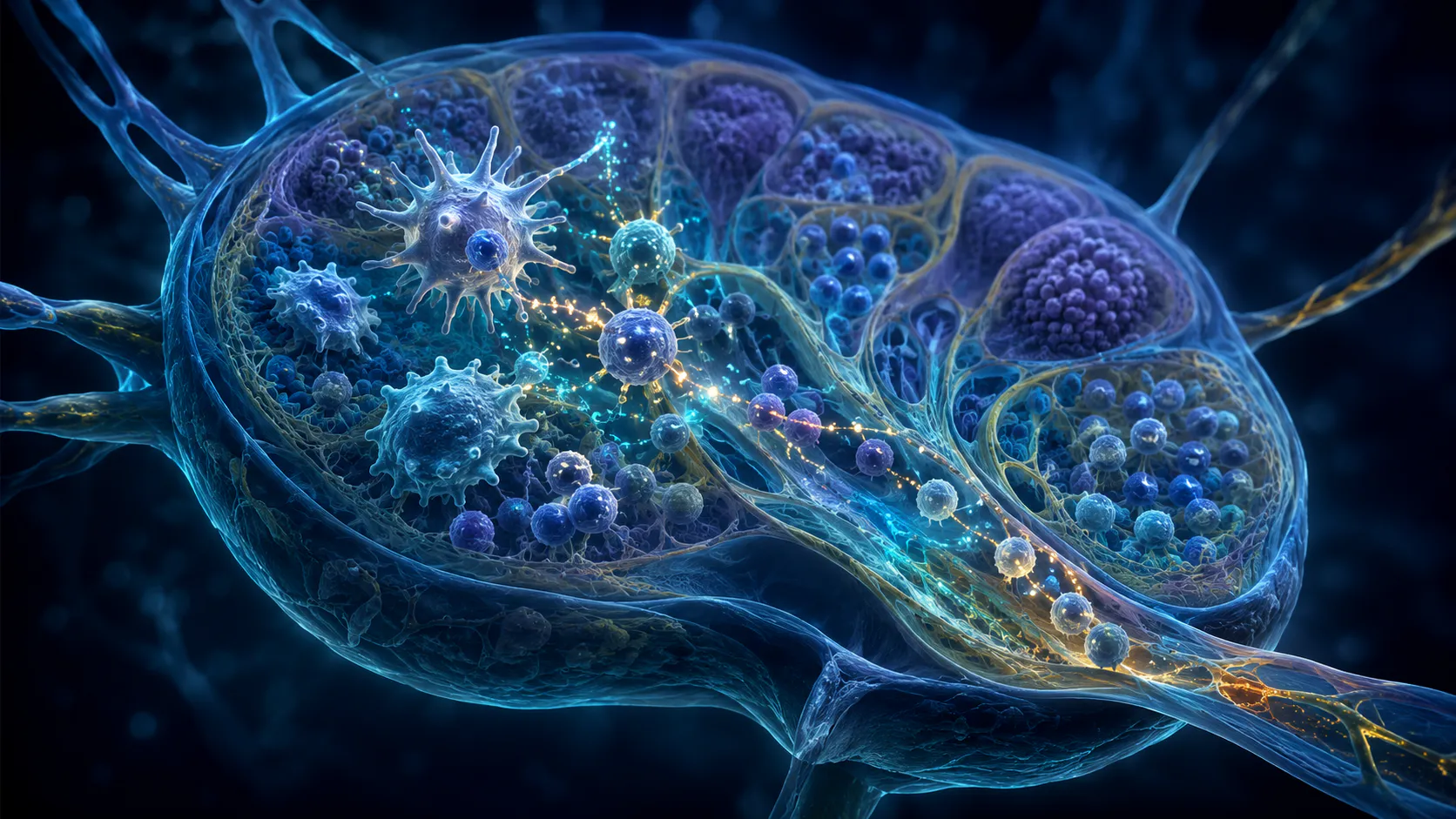
Immunity is not a single army. It is a distributed network that detects danger, contains it, learns from it and knows when to stop.
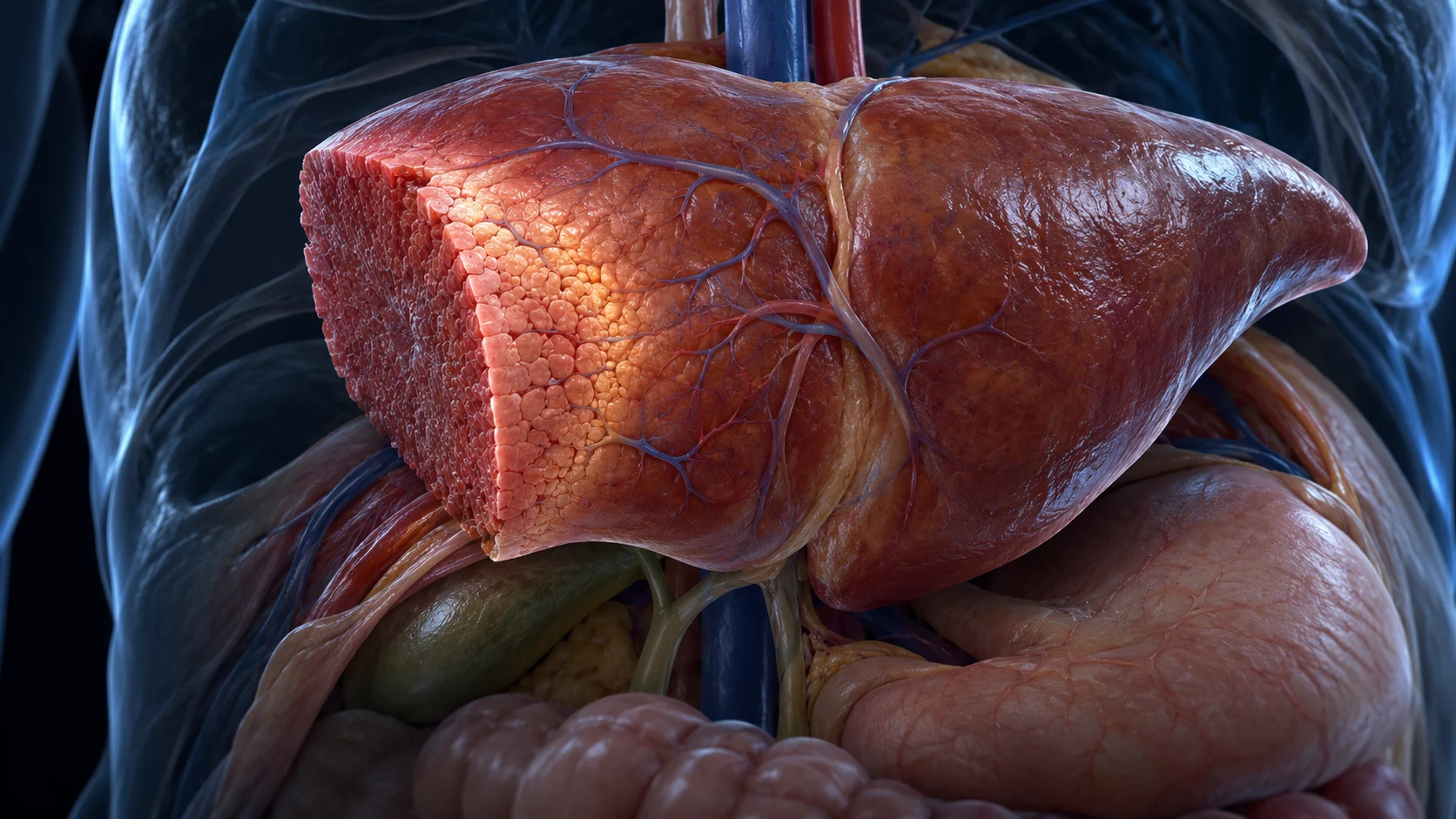
The liver does not grow a missing lobe back like a salamander limb. Its remaining tissue expands until enough working mass has been restored.
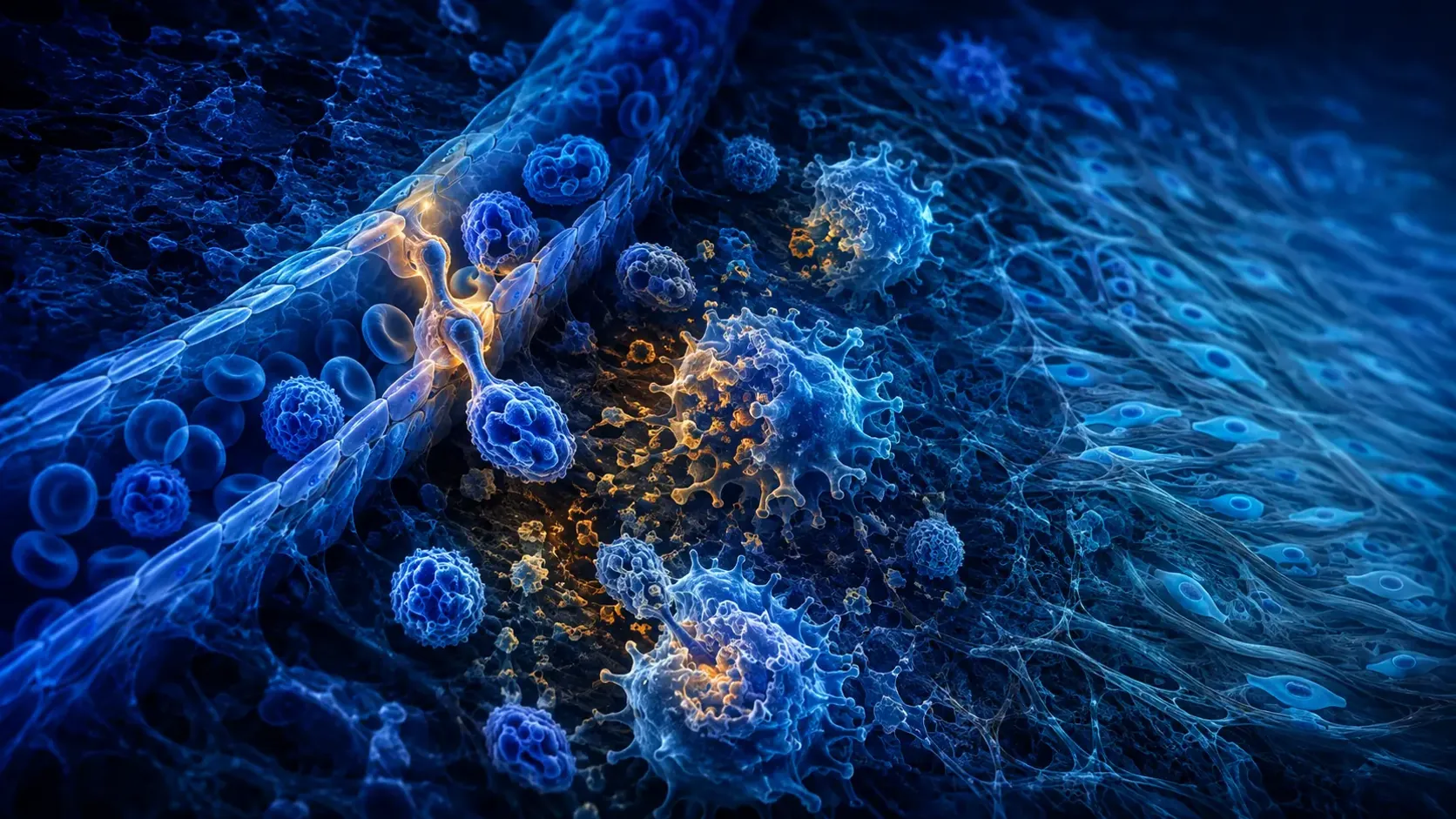
Redness and swelling are not the definition of inflammation. They are visible consequences of a controlled tissue response built to contain damage and begin repair.
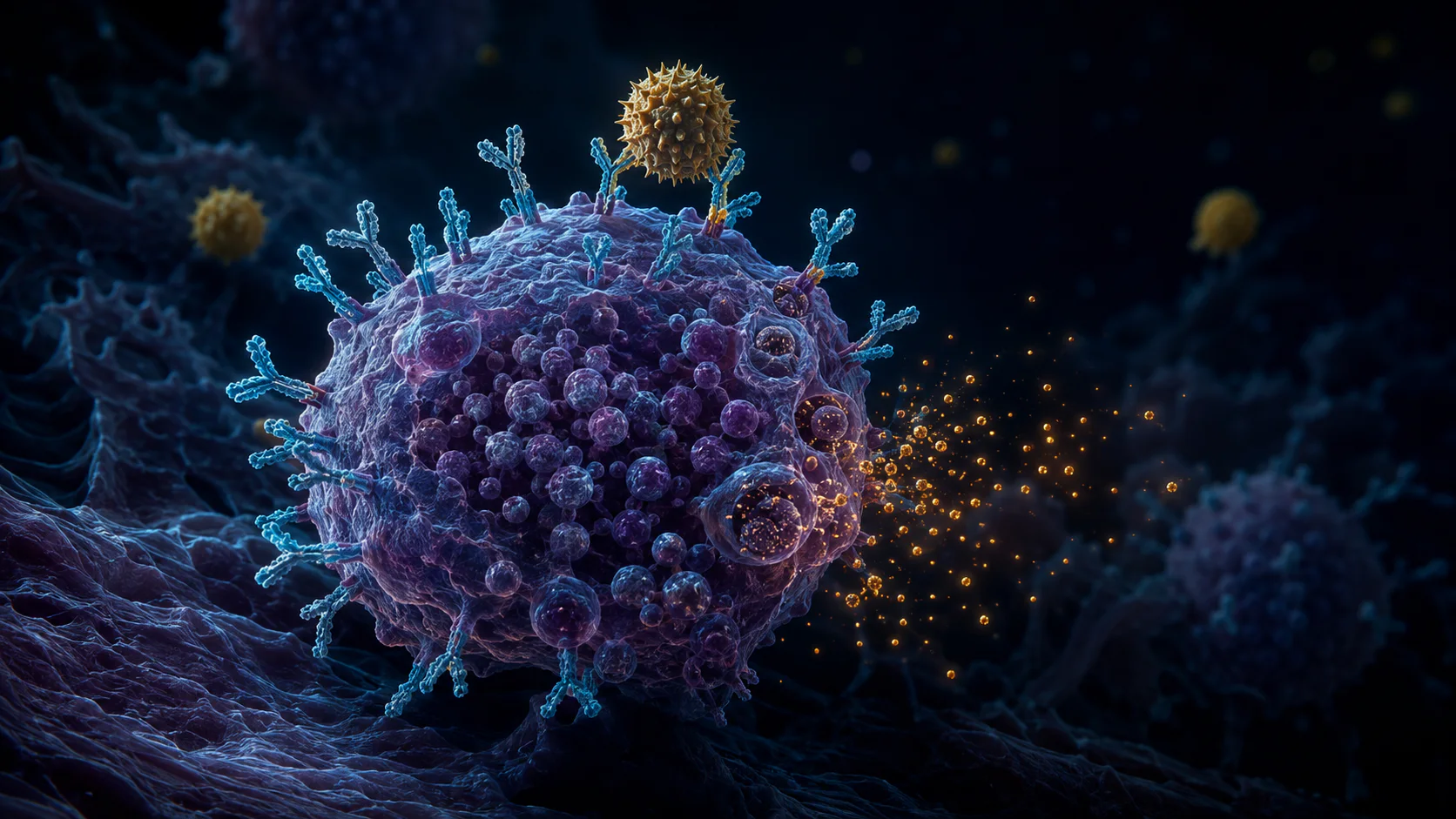
Pollen is not an infection. An allergic immune system can still remember it as a threat—and launch a defense each time it returns.
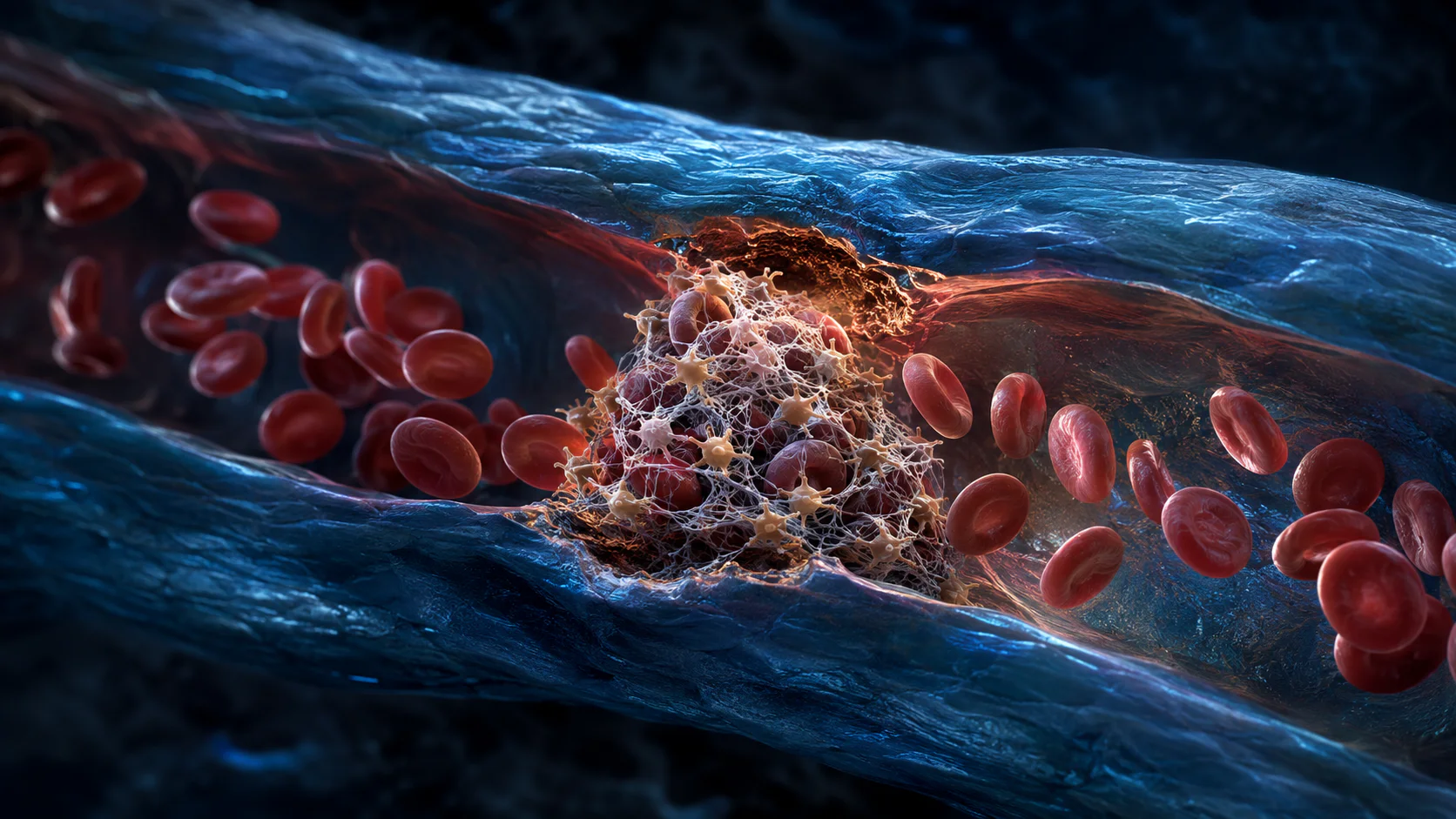
The moment a vessel breaks, its lining changes from a smooth road into a molecular repair site built to catch platelets and weave fibrin.
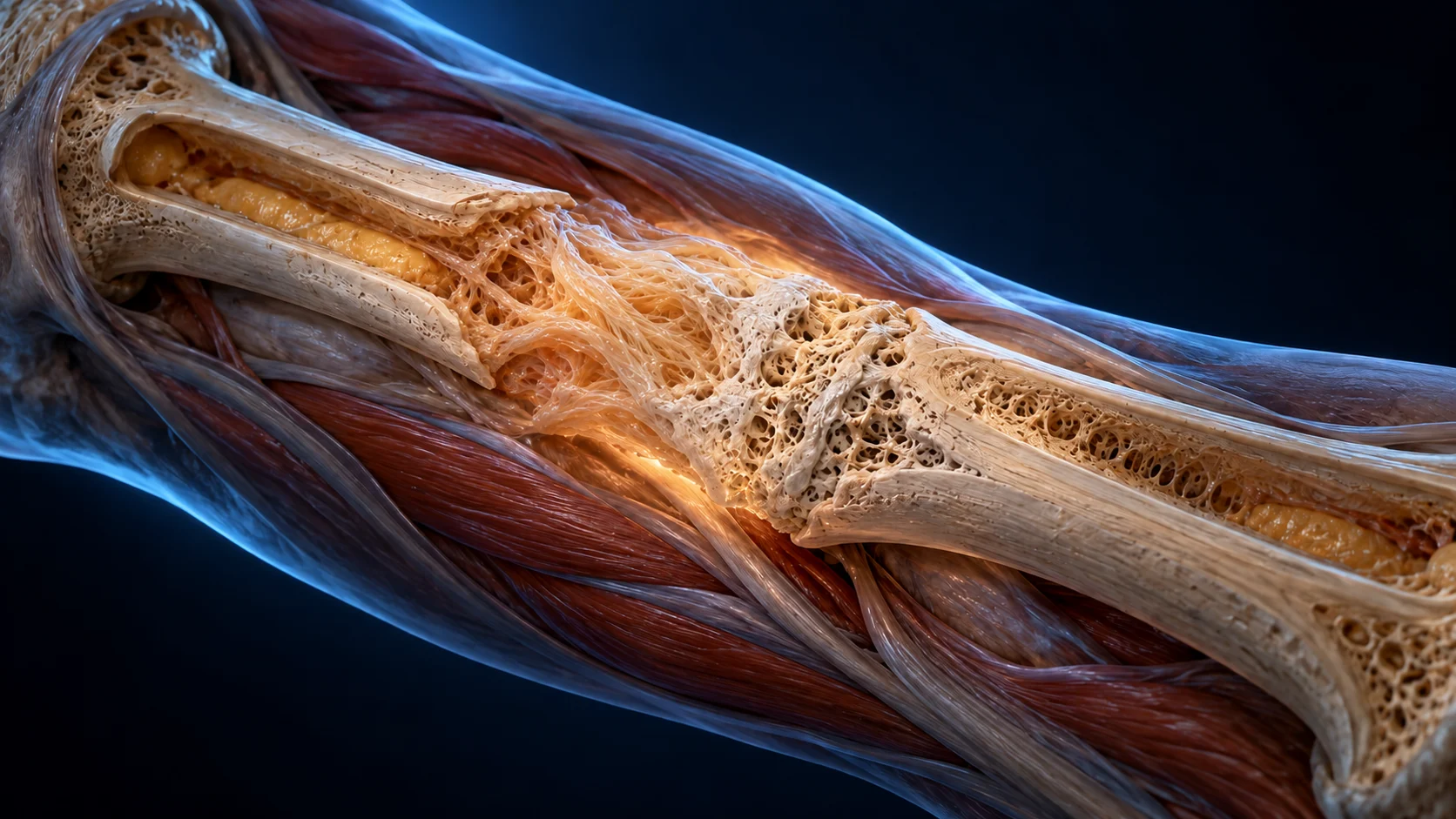
A fracture does not simply get glued together. It builds temporary tissue across the gap, replaces that bridge with bone and then reshapes it under load.
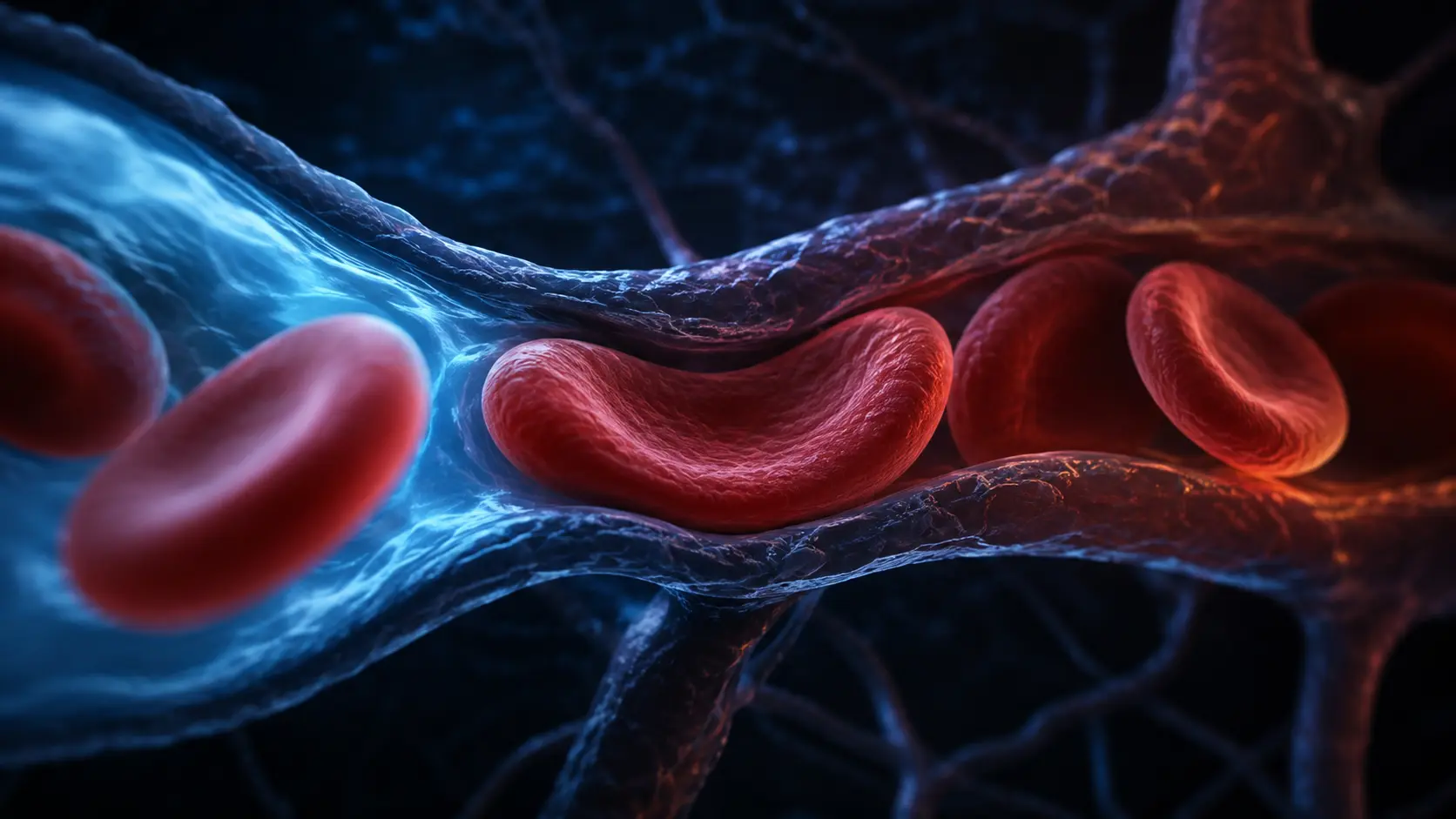
Oxygen does not simply dissolve into blood. Hemoglobin binds it reversibly, and local tissue chemistry helps decide where it is released.
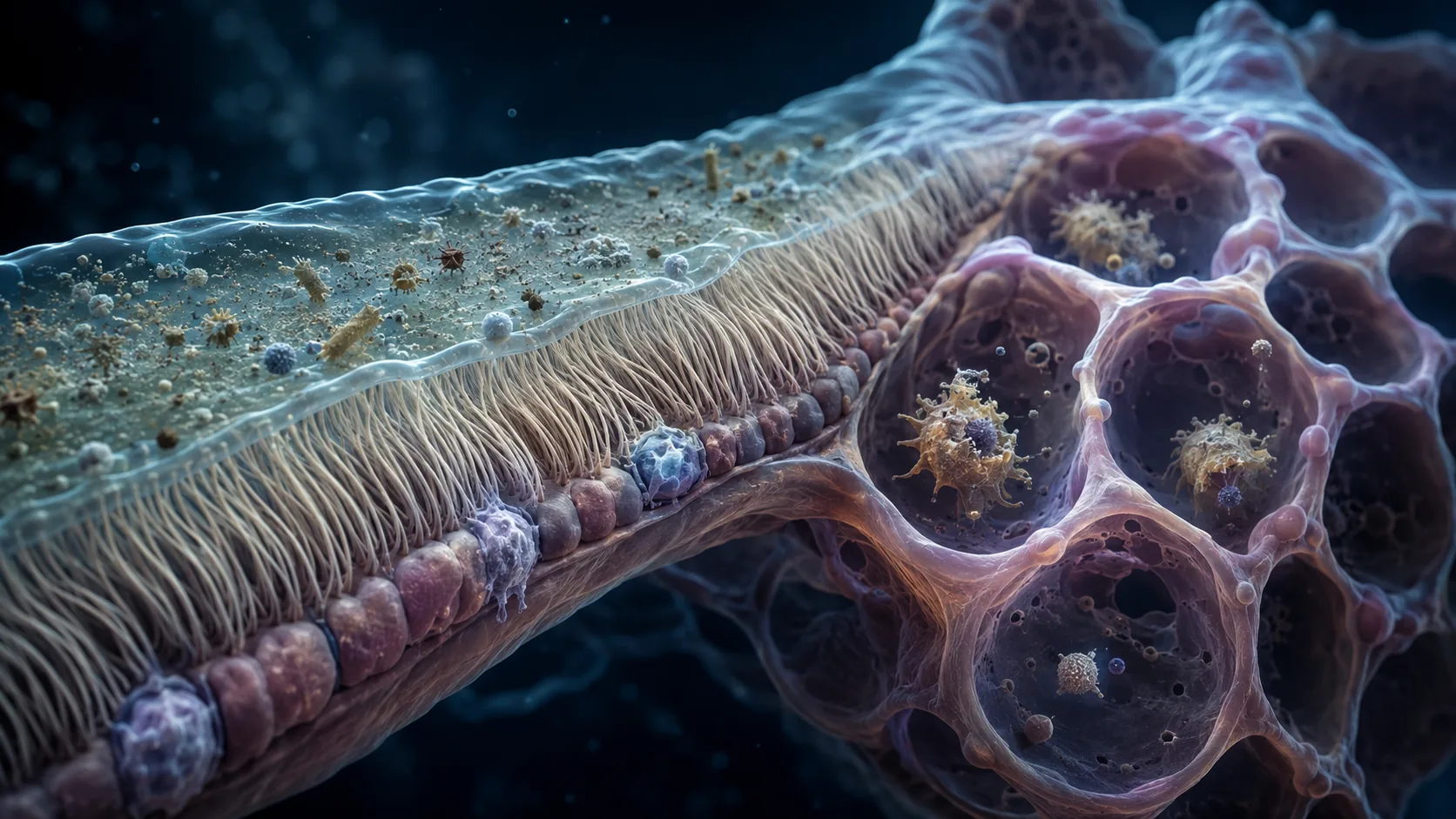
Every breath carries particles toward fragile air sacs. Layered barriers clear most of them before inflammation is needed.
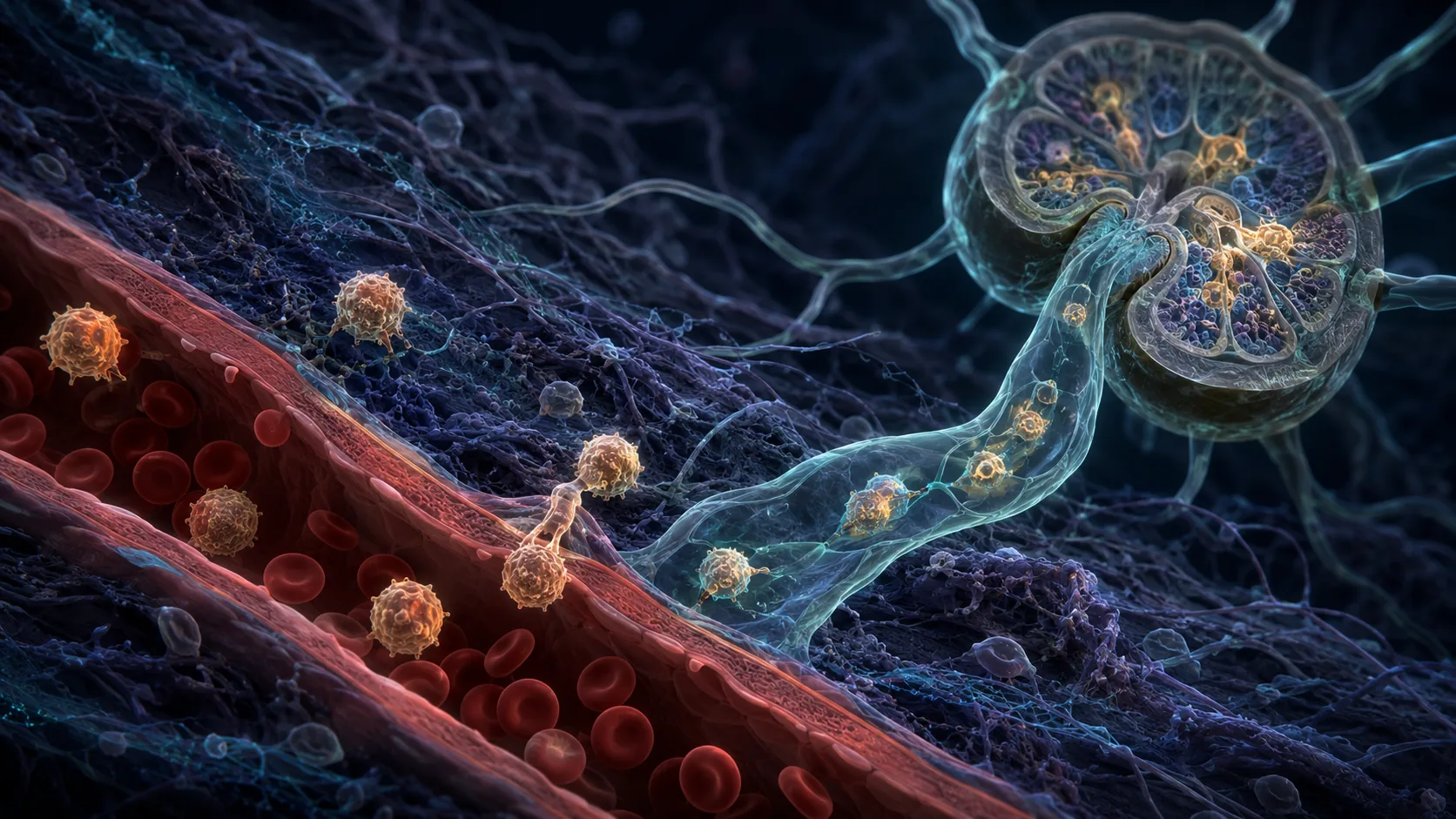
Immune defense is mobile. Blood delivers cells, lymph drains tissues, and lymph nodes create controlled meeting points.
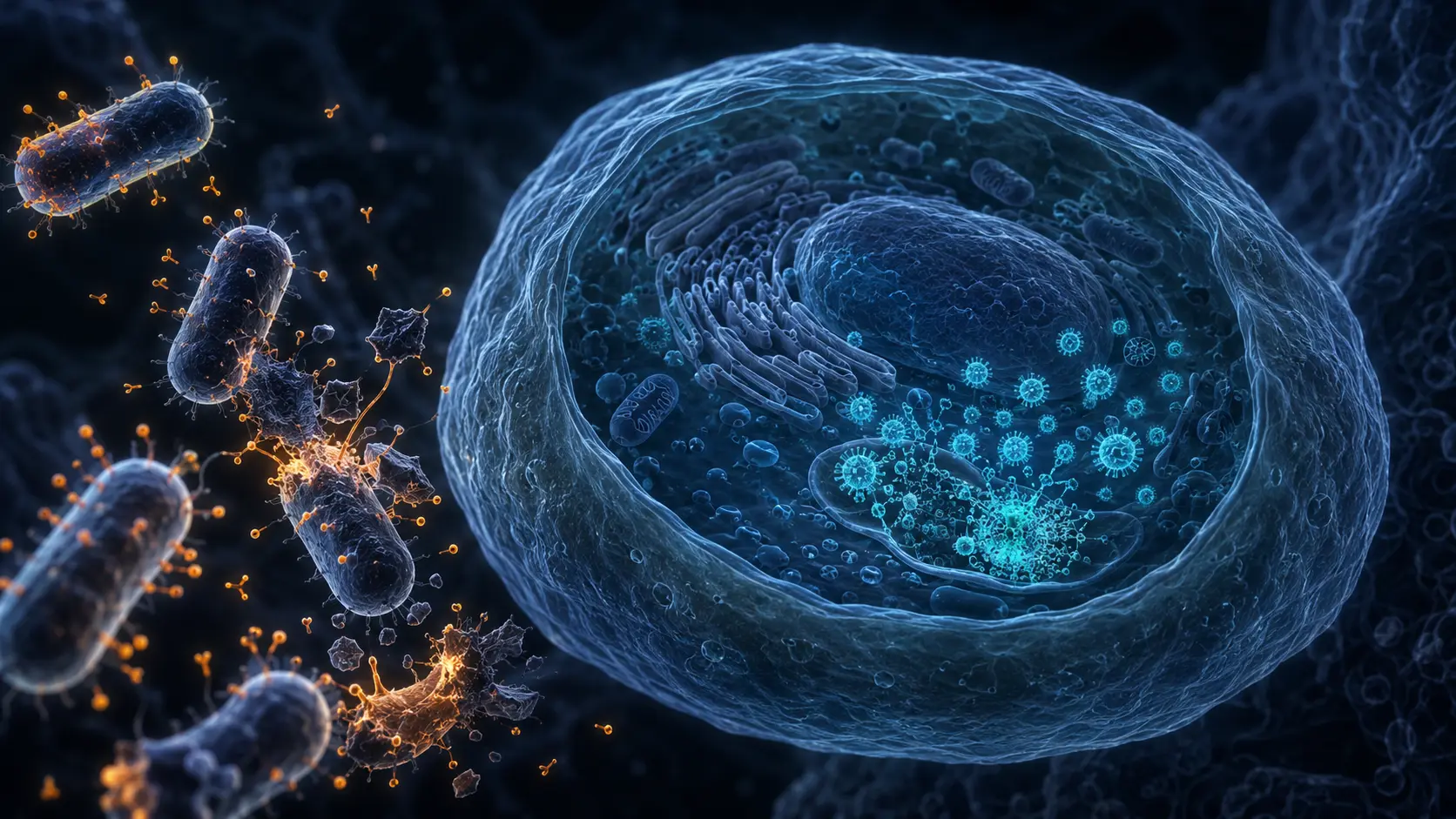
An antibiotic can hit a bacterial wall, ribosome or enzyme. A virus brings a different set of parts—and borrows many of yours.
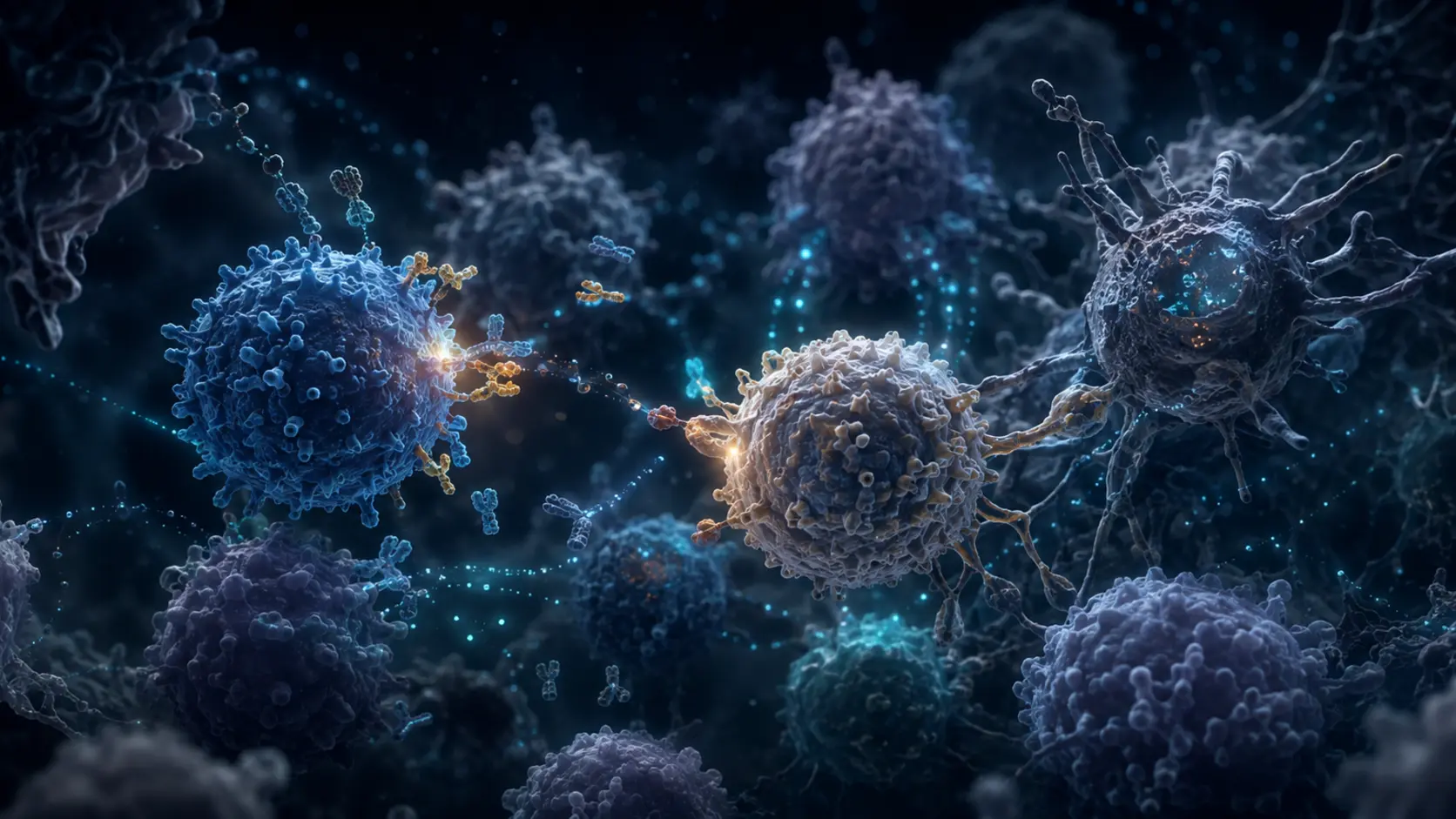
After an infection fades, selected cells remain—ready to recognize the same molecular pattern faster next time.
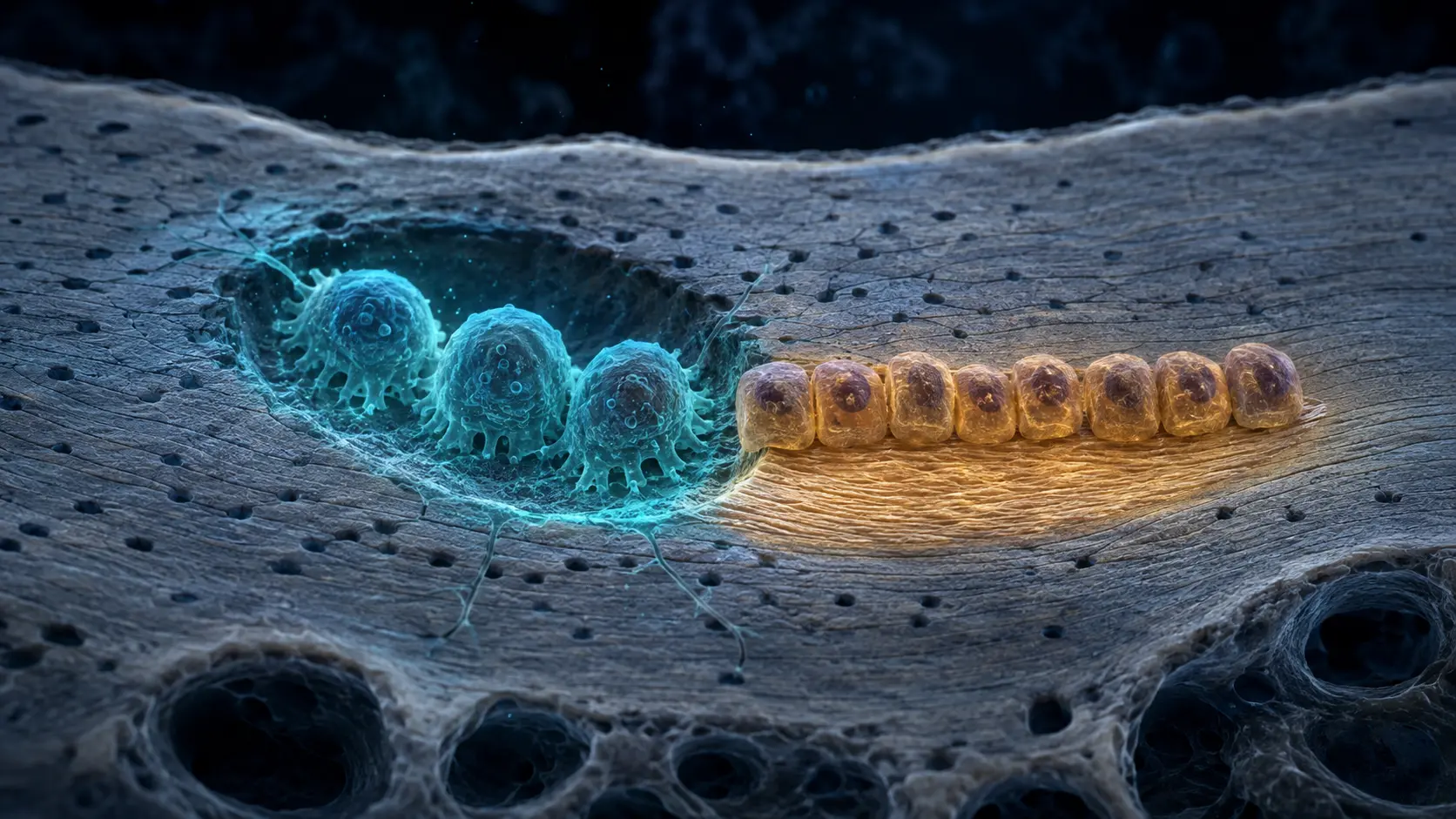
Your skeleton is permanent enough to hold your shape and alive enough to remove, rebuild and adapt its own material.
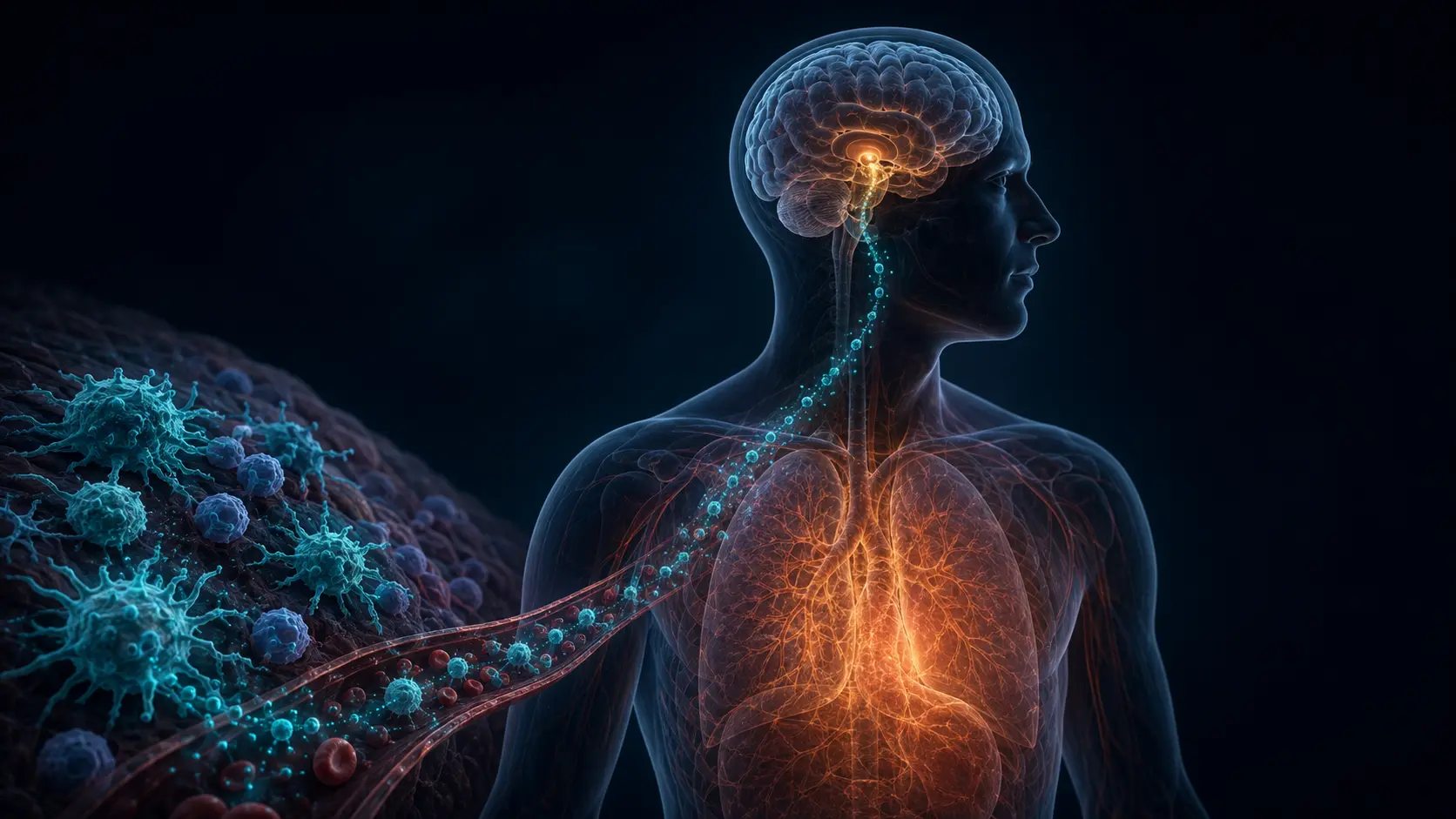
Fever is not the body losing control of temperature. It is the control system temporarily choosing a higher target.
This hub follows the working parts of living systems: immune cells that persist after infection, bone tissue that responds to use, and organs that filter, store and coordinate. Each explainer starts with a focused question, then follows the evidence across cells, tissues and body systems.
Biological explanations often have boundaries. A pathway demonstrated in a controlled study may not predict one person's symptoms, and a useful model may change as evidence improves. Deep Structure makes those limits visible while keeping the central mechanism clear.