Brain & Mind
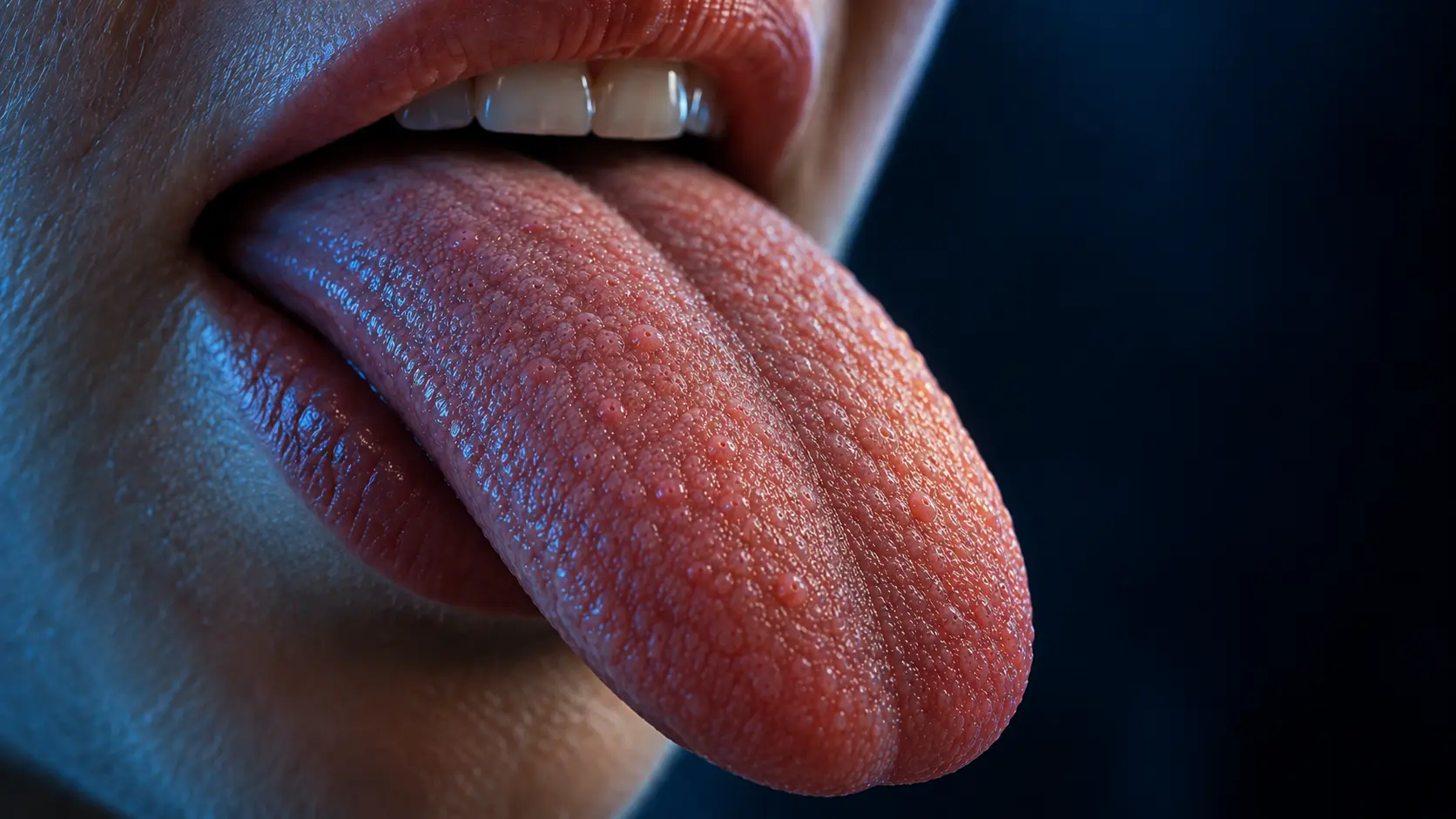
Taste Buds Turn Food Chemistry Into Nerve Signals
A bite becomes taste when dissolved molecules reach receptor cells, change their electrical activity and recruit nerves that carry the signal to the brain.
The brain does not watch the world from a distance. It predicts, reconstructs and coordinates with the body to create the experience you recognize as your own.
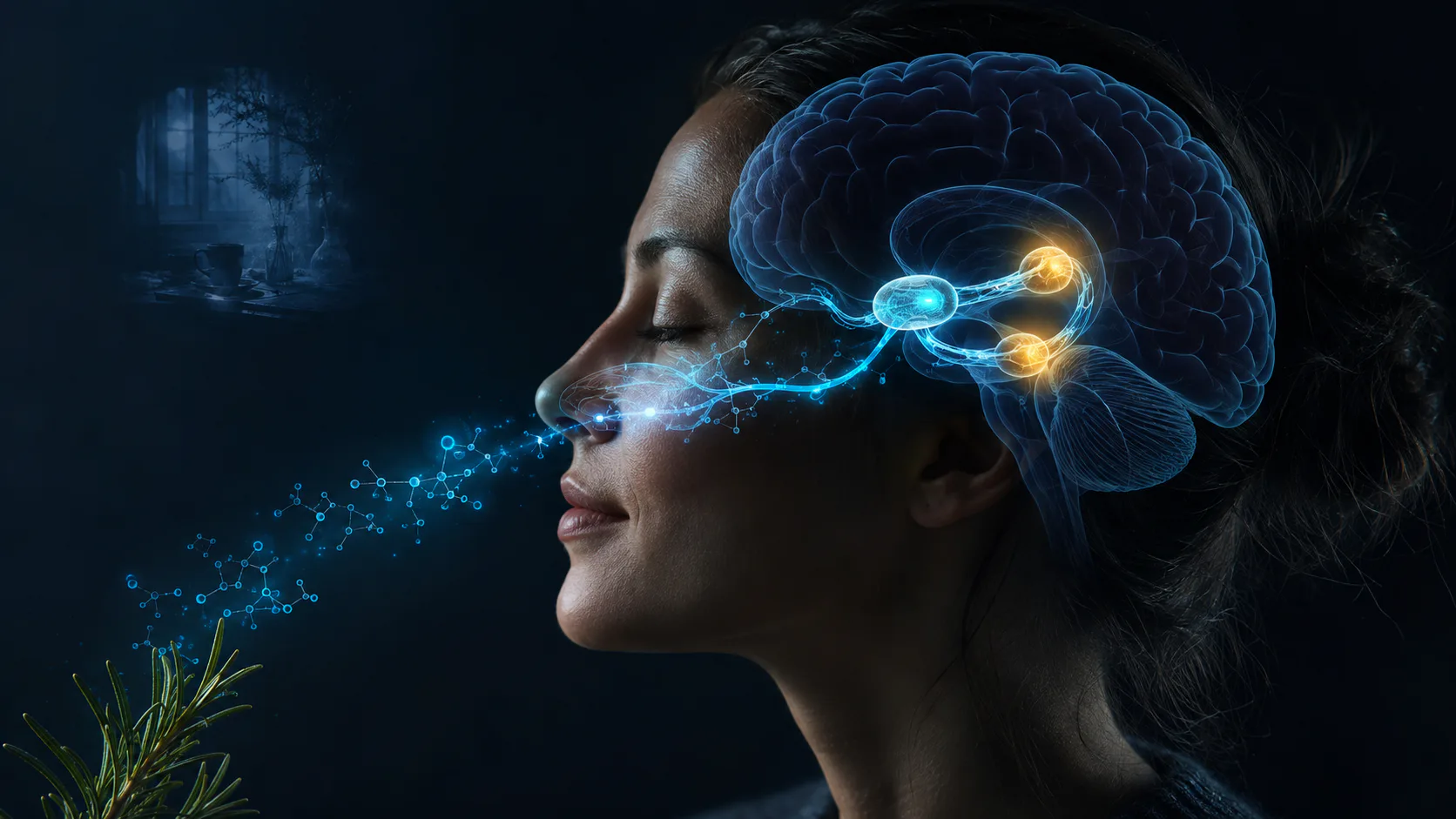 Featured · Why Do Smells Trigger Memories So Quickly? ↗
Each story links an everyday experience to the system that produces it, with evidence and uncertainty kept visible.
A bite becomes taste when dissolved molecules reach receptor cells, change their electrical activity and recruit nerves that carry the signal to the brain.
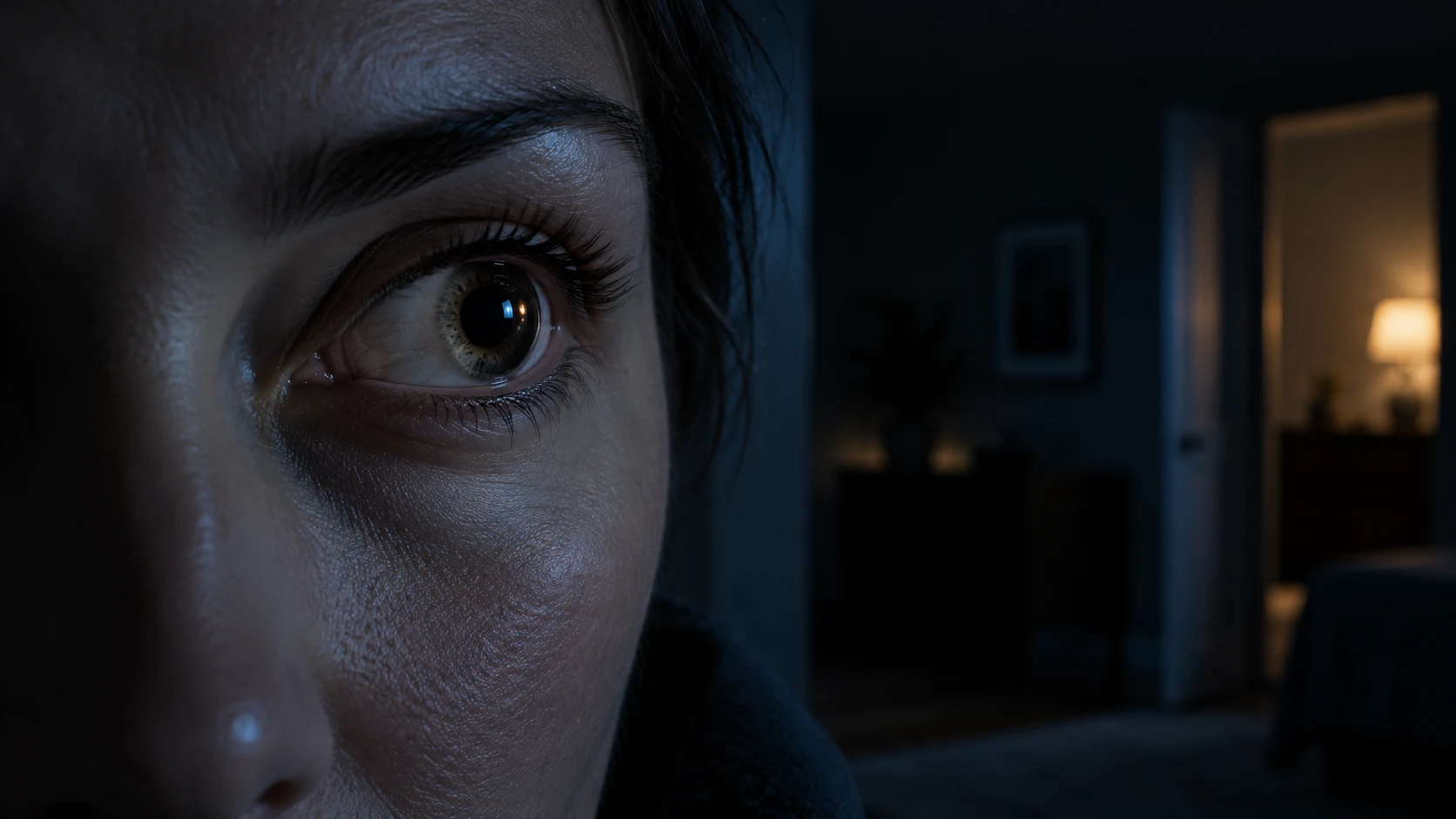
A wider pupil admits more light, but the change begins with a neural reflex and works alongside slower adjustments inside the retina.
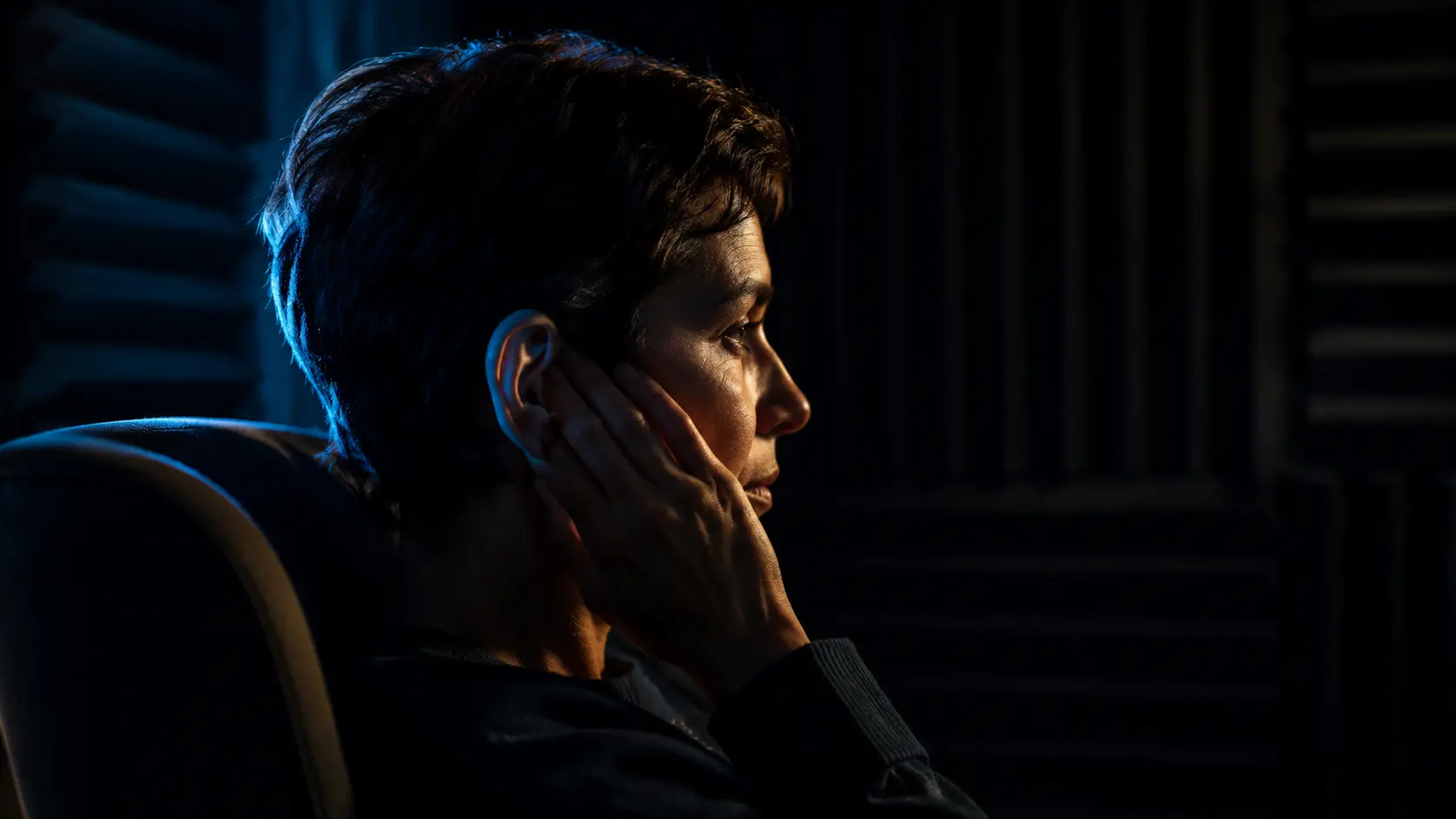
The ringing is a real perception, but it usually has no matching sound in the room. Altered input and brain plasticity help explain the phantom signal.
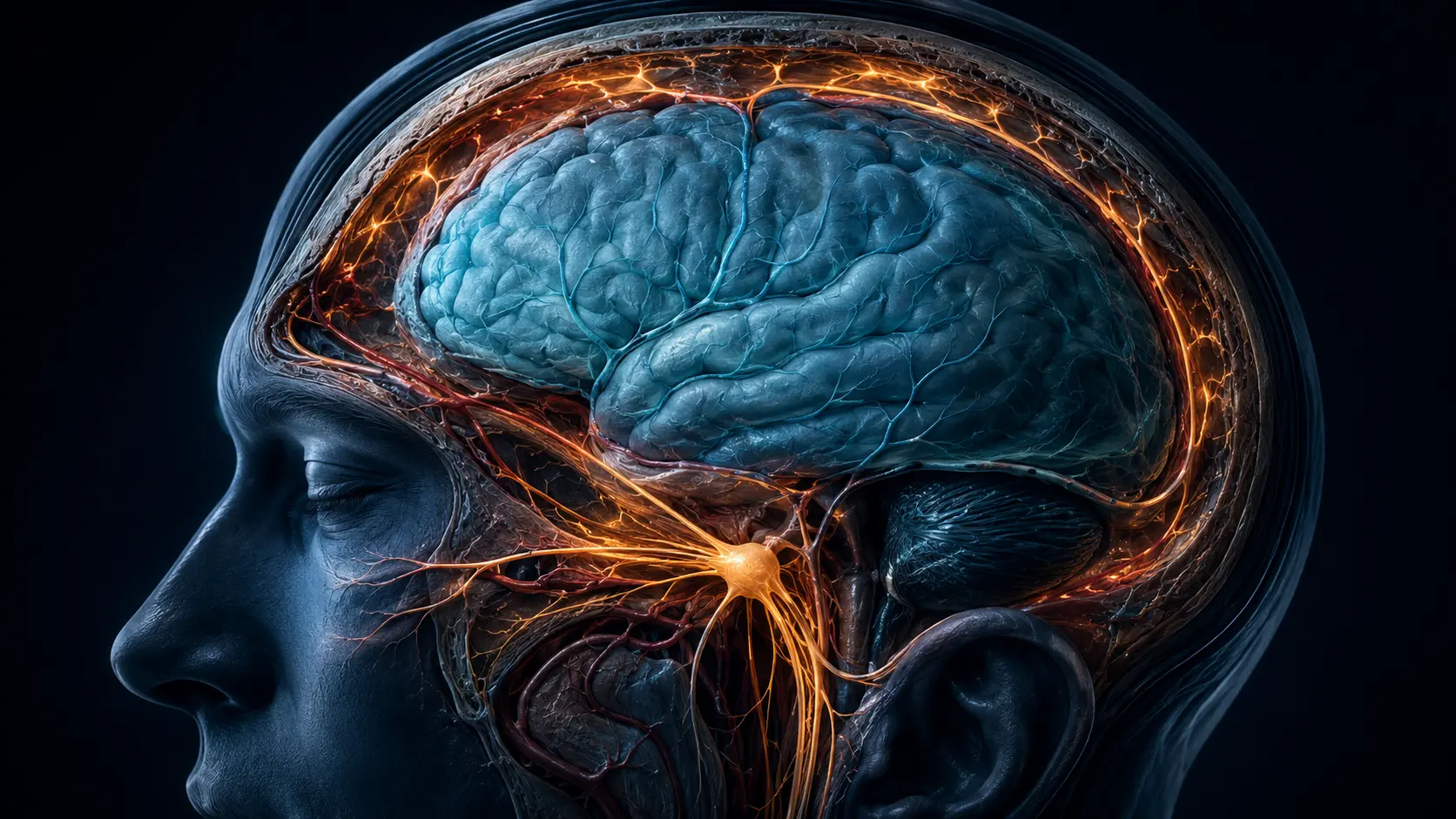
The organ that constructs pain is not itself pain-sensitive. Head pain begins in innervated tissues around and beyond the brain.
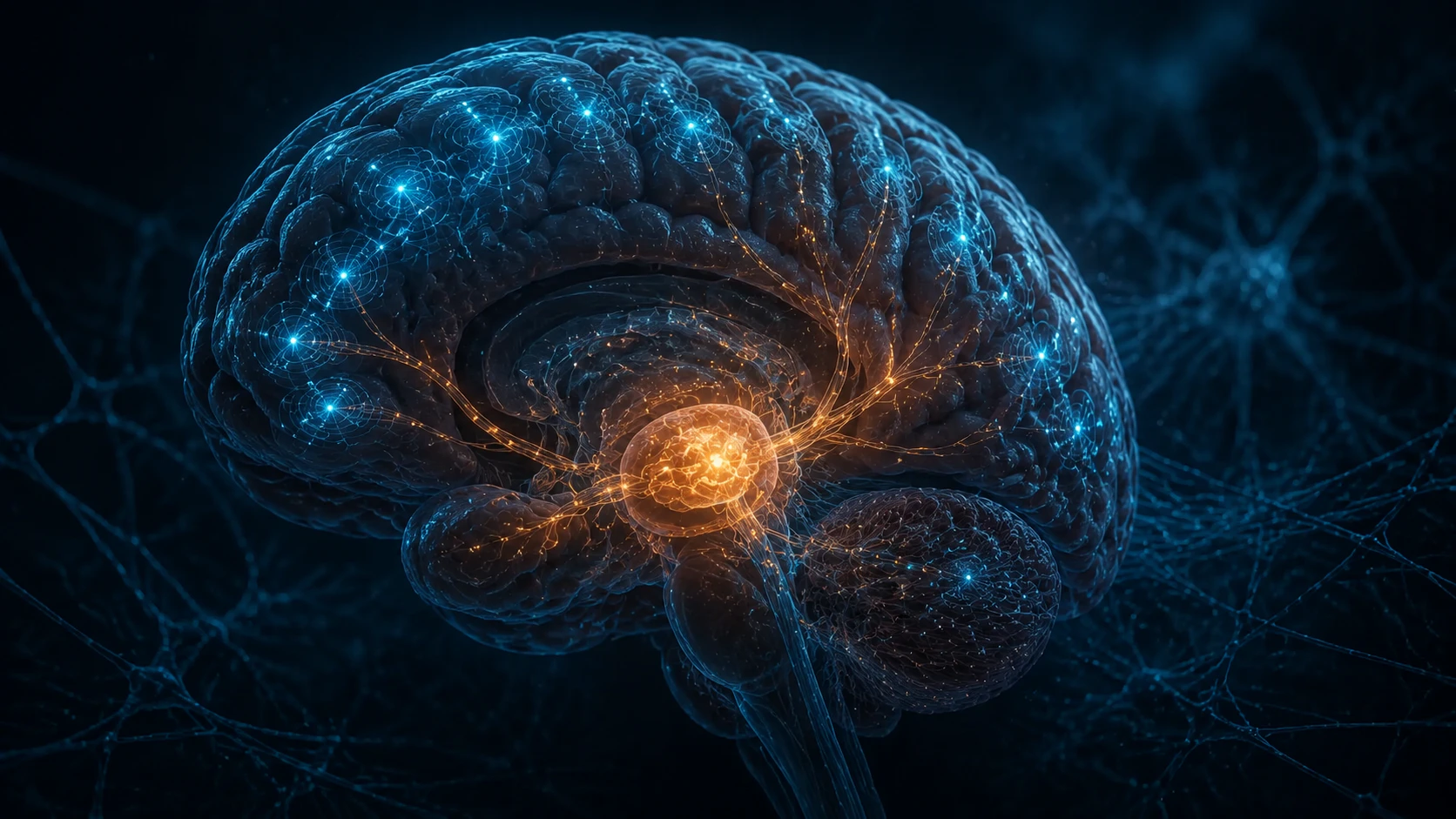
The anesthetized brain is active, but its rhythms, complexity and long-range communication no longer support ordinary conscious experience.
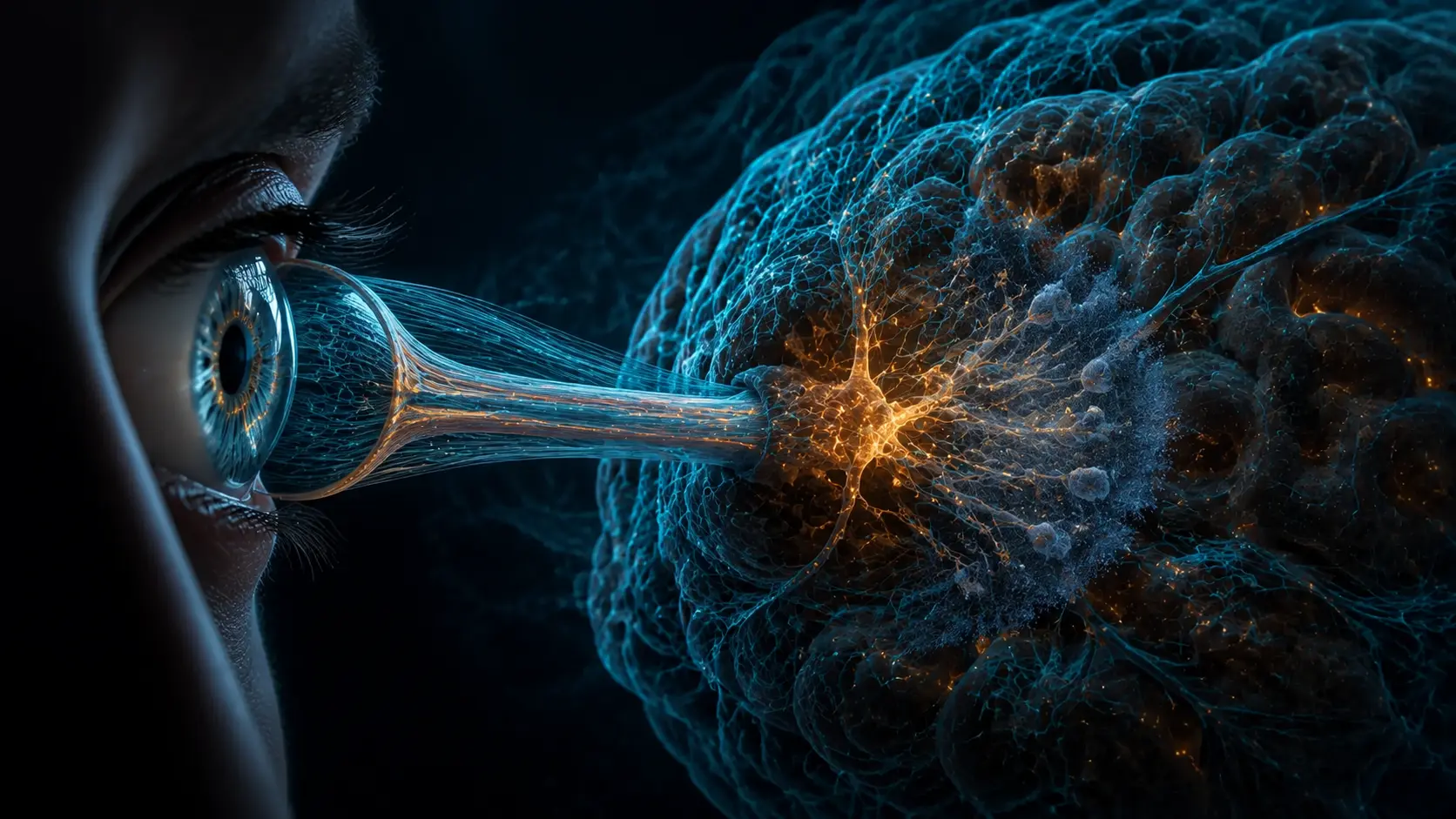
Every quick glance sweeps the image across the retina. The brain reduces the blur and updates locations before the jump becomes obvious.
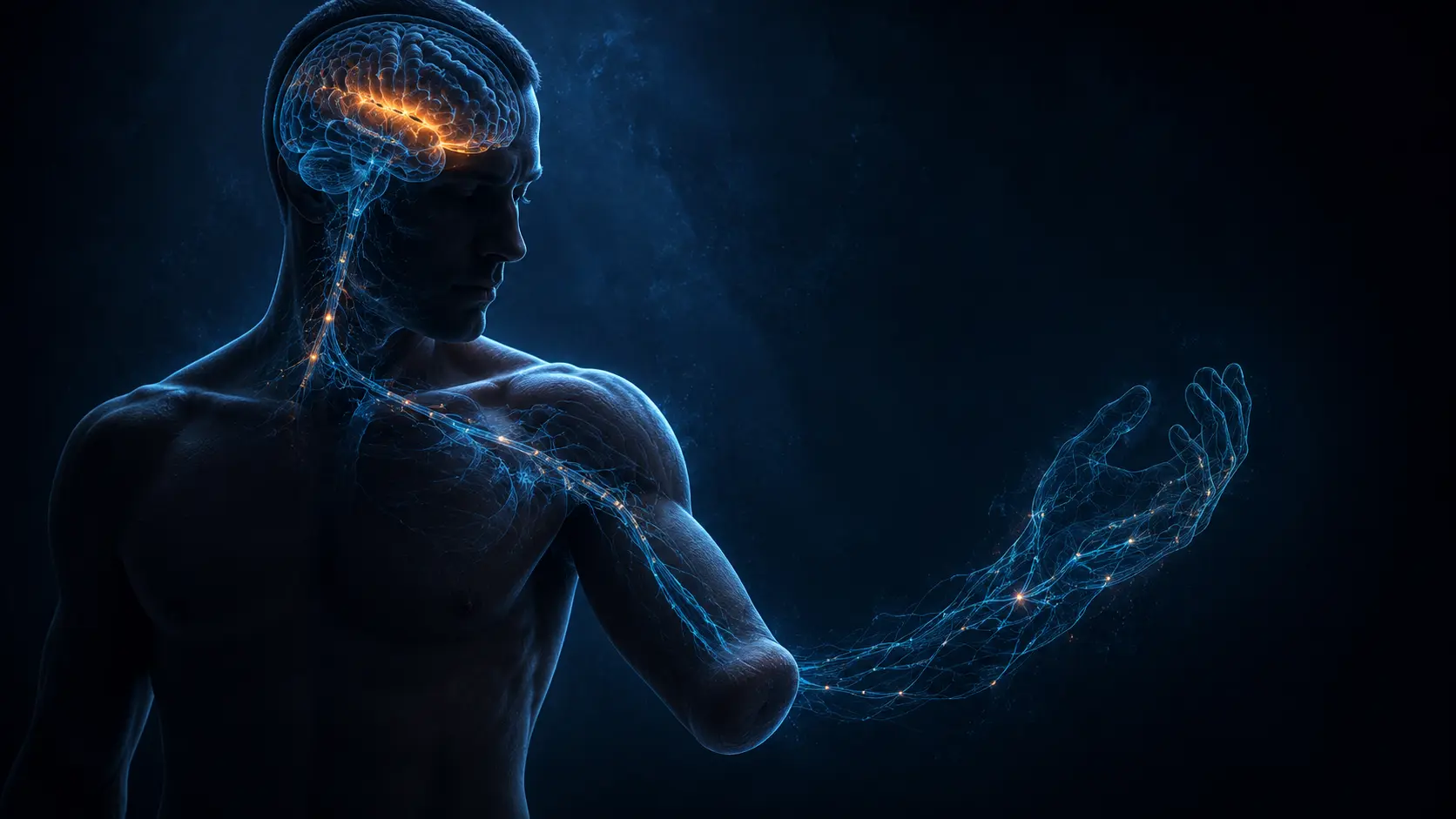
Removing a limb changes incoming signals immediately. The nervous system's model of that limb changes more slowly—and may never disappear completely.
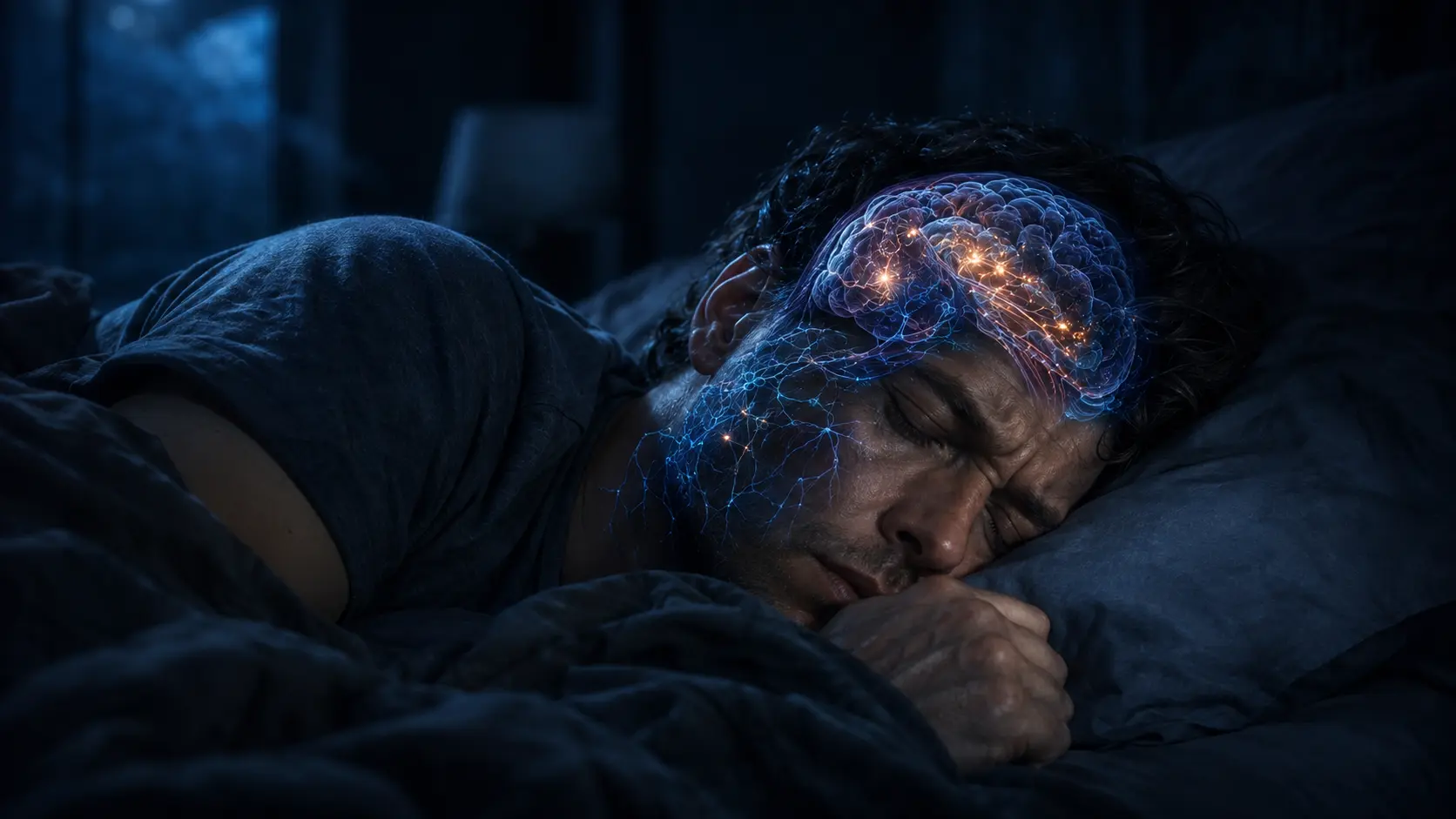
A nightmare recruits fear, imagery and memory strongly enough to break through sleep and leave the story available on waking.
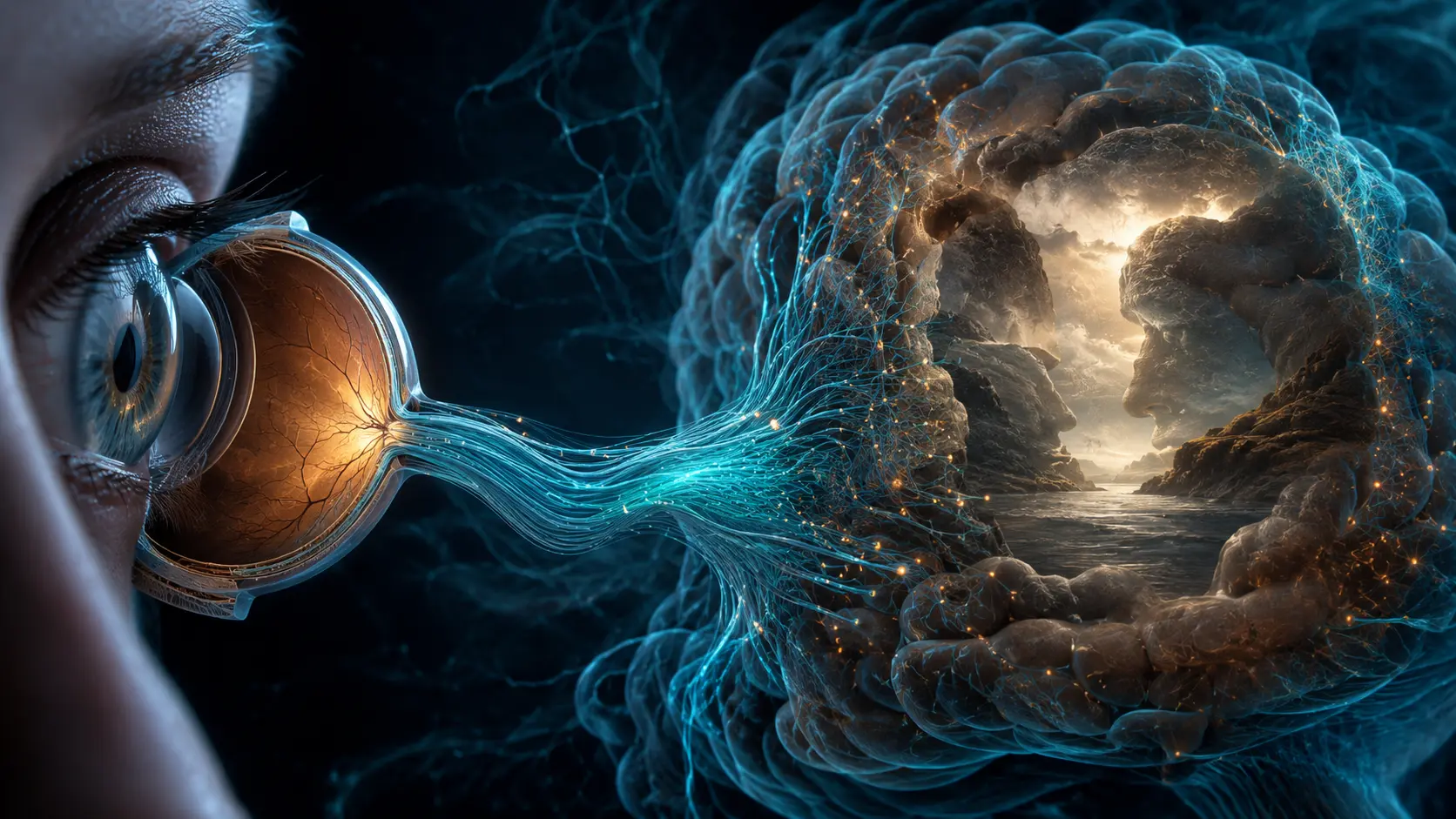
An illusion is not a broken eye. It is a visible side effect of the shortcuts that usually make vision fast and useful.
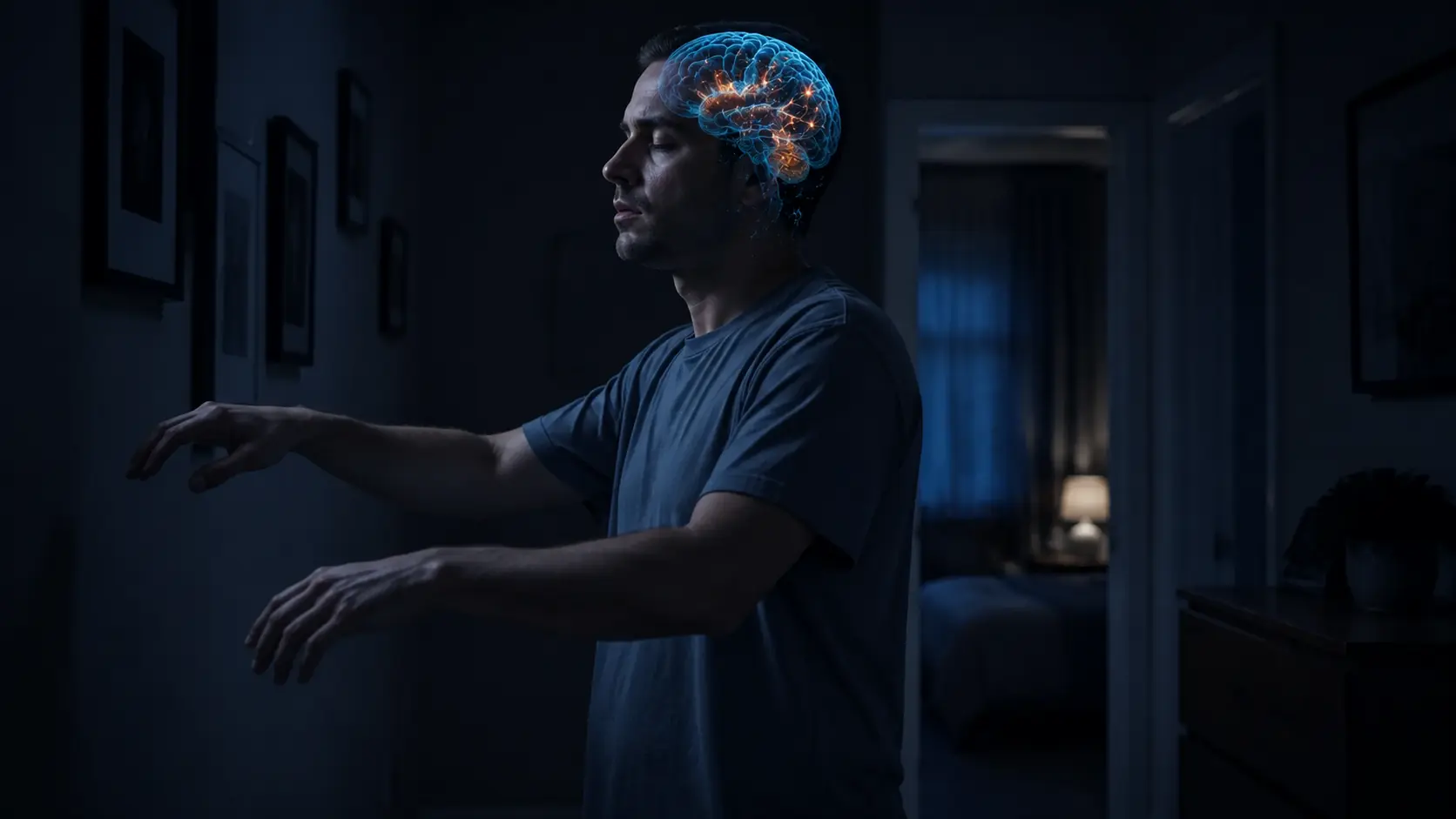
The brain does not always cross from sleep to wakefulness as one unit. During sleepwalking, movement can emerge while reflective awareness stays offline.
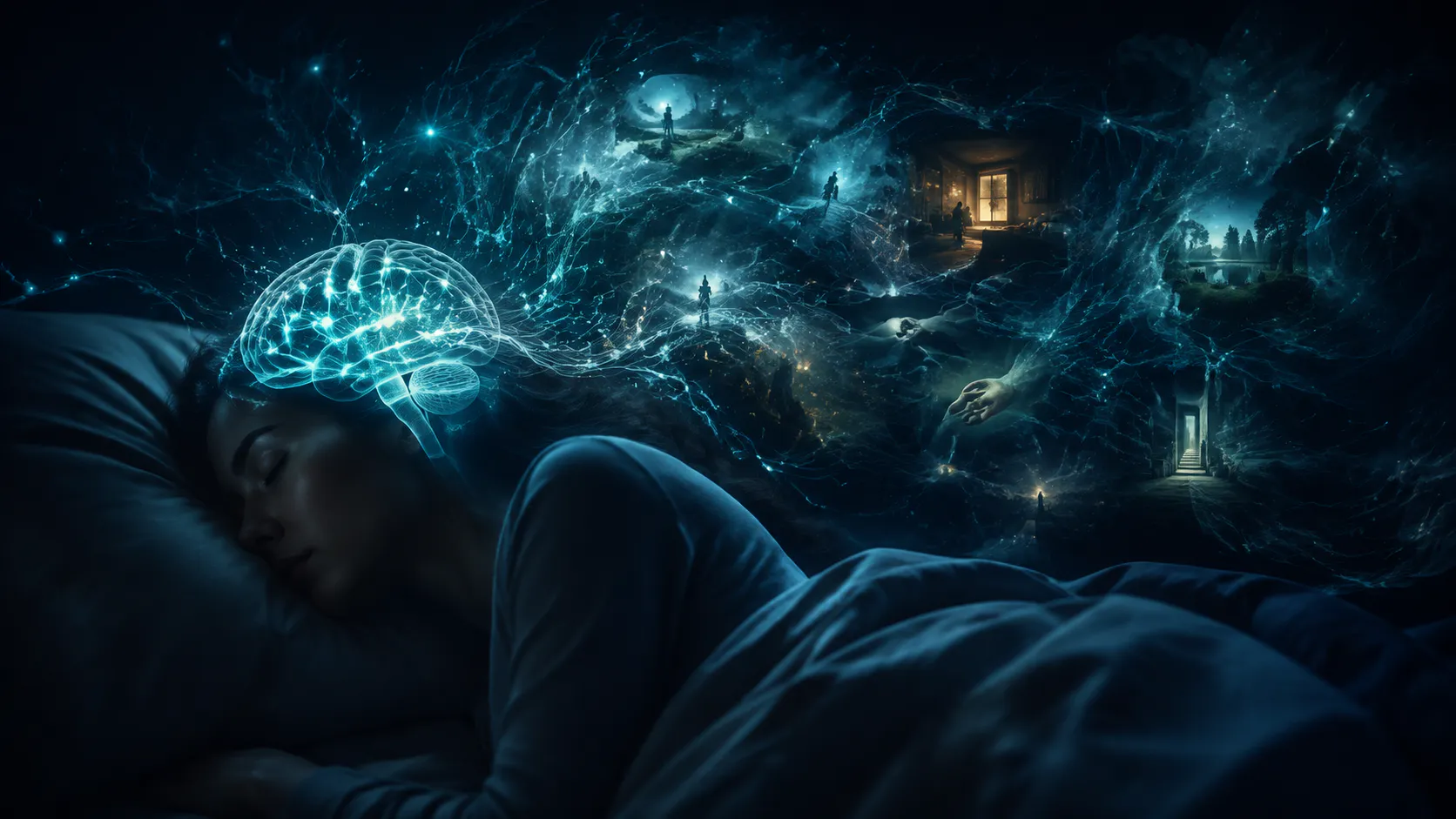
Dreams feel purposeful because the sleeping brain builds a world from memory and emotion. Whether that world has one biological job remains unsettled.
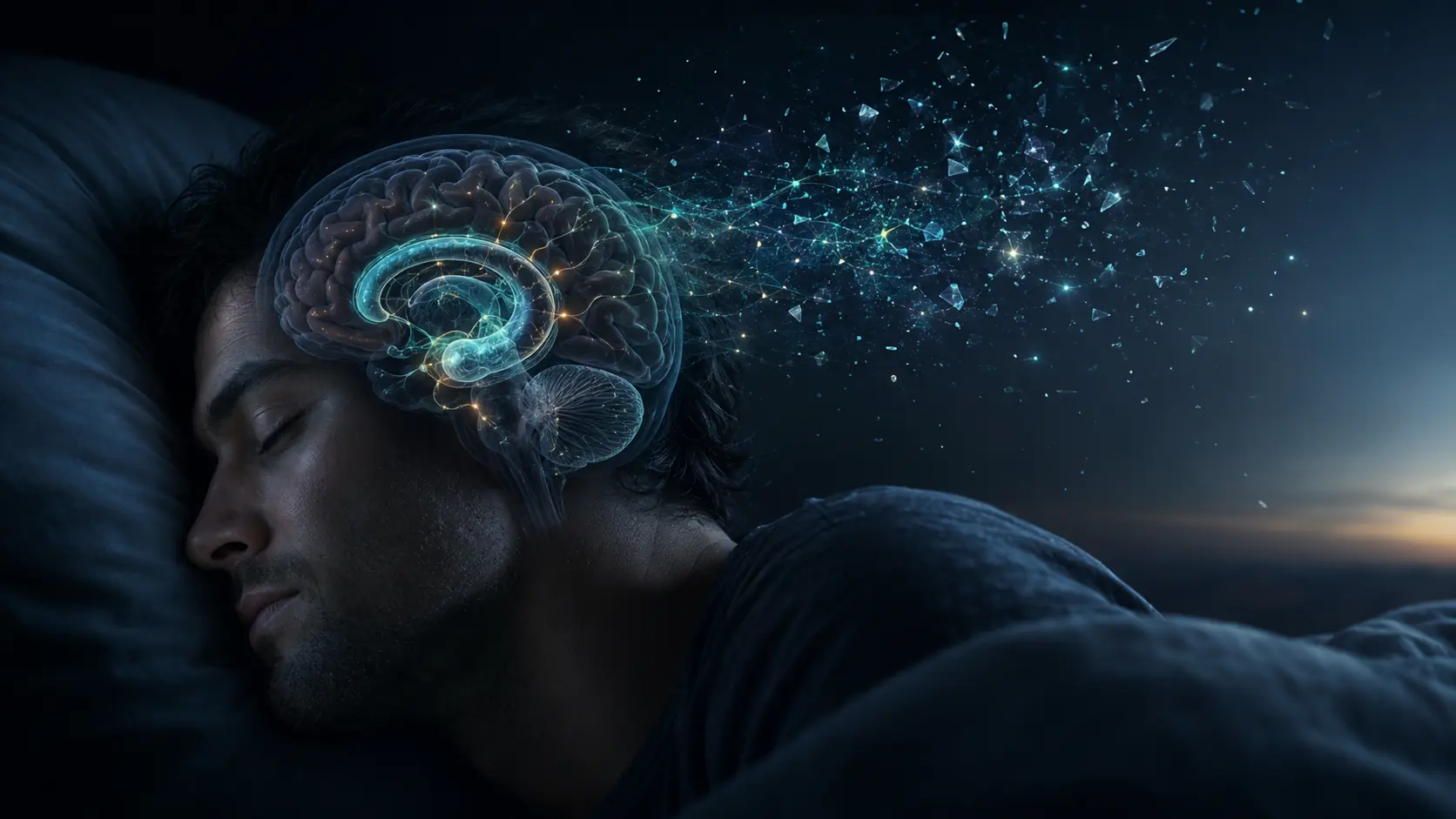
A dream can feel complete at waking and disappear before breakfast. The memory was real—but it entered the day in a fragile state.
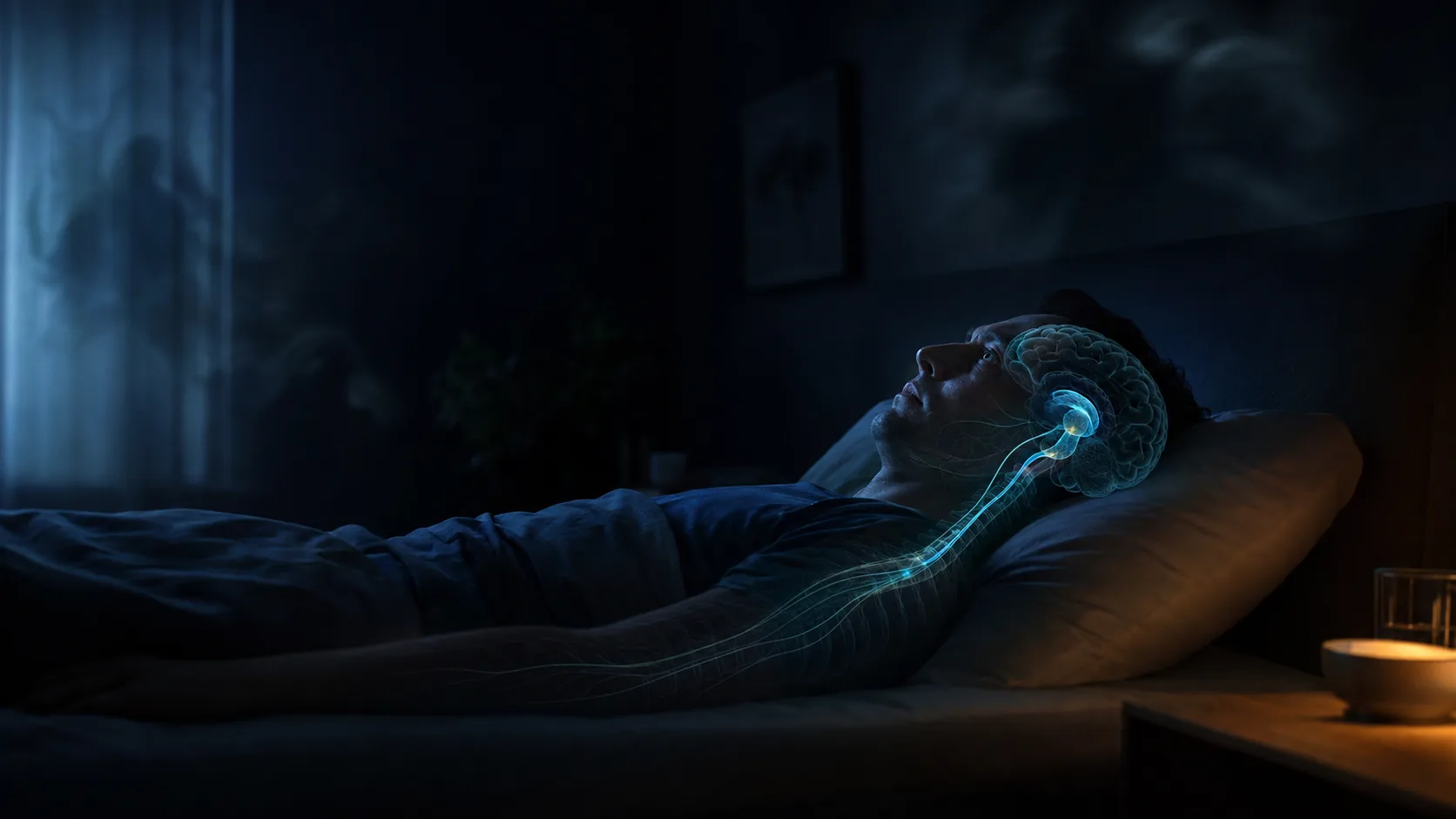
Your eyes open and the room is real, but the body is still following one rule from REM sleep: do not move.
Your brain does not replay the whole recording. It reconstructs a compact loop that is easy to cue and difficult to complete.
The moment feels remembered, but no memory arrives. Déjà vu may be the brain noticing that mismatch in real time.
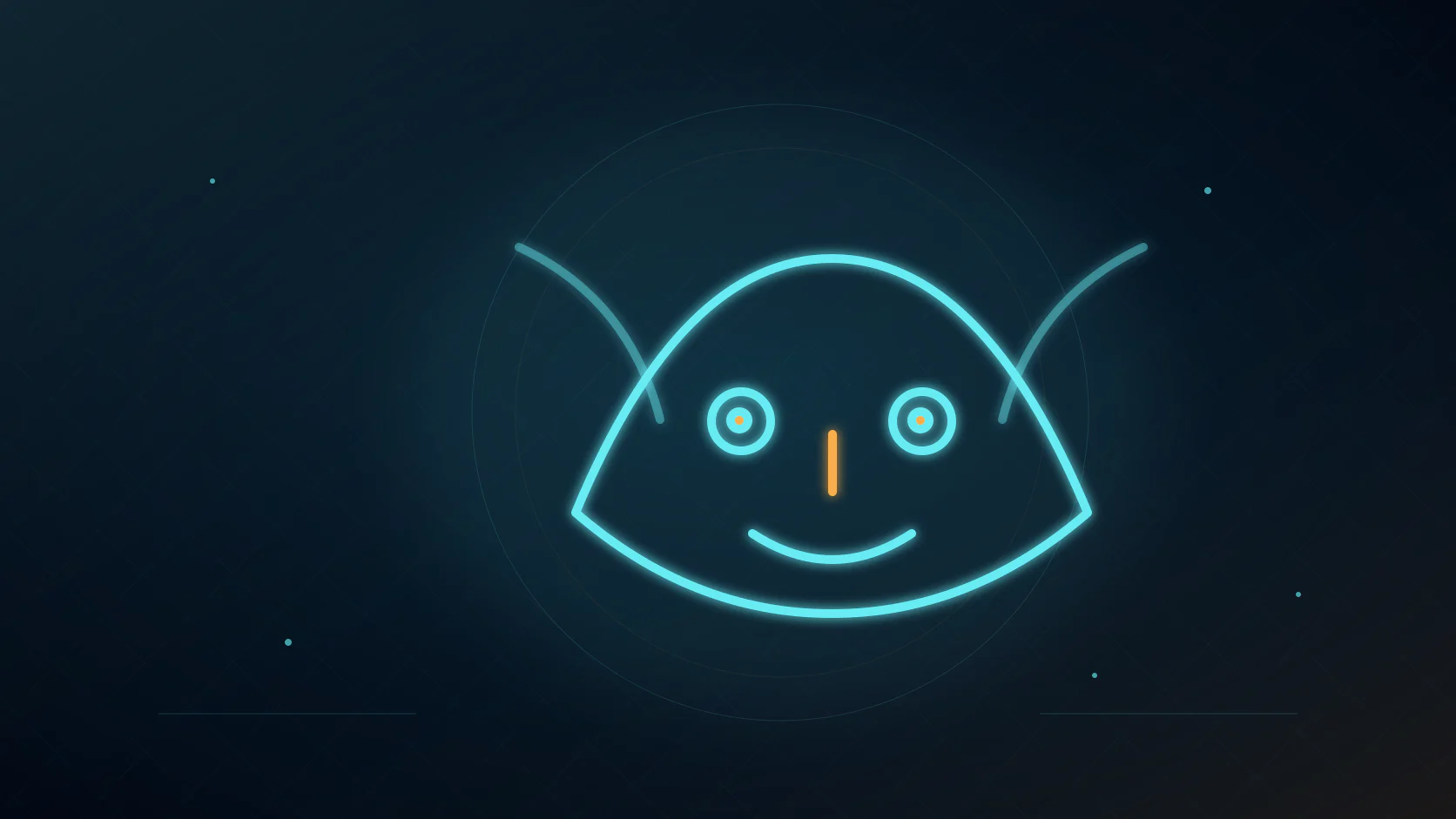
Two dark marks above a line can be enough. A visual system tuned for faces would rather make a fast false alarm than miss one.
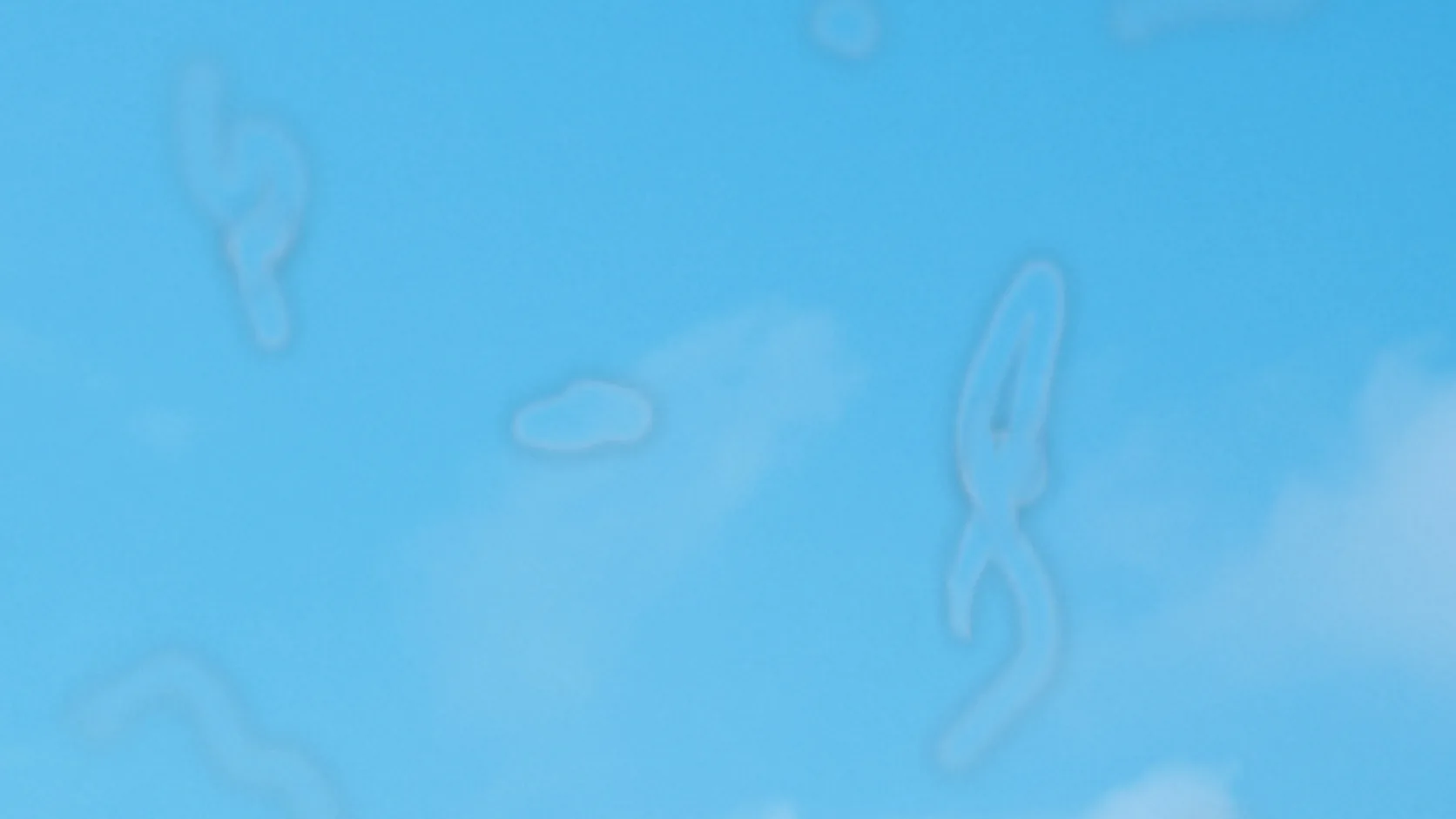
The thread drifting across a bright sky is not outside you. It is a shadow moving across your retina from inside the eye.
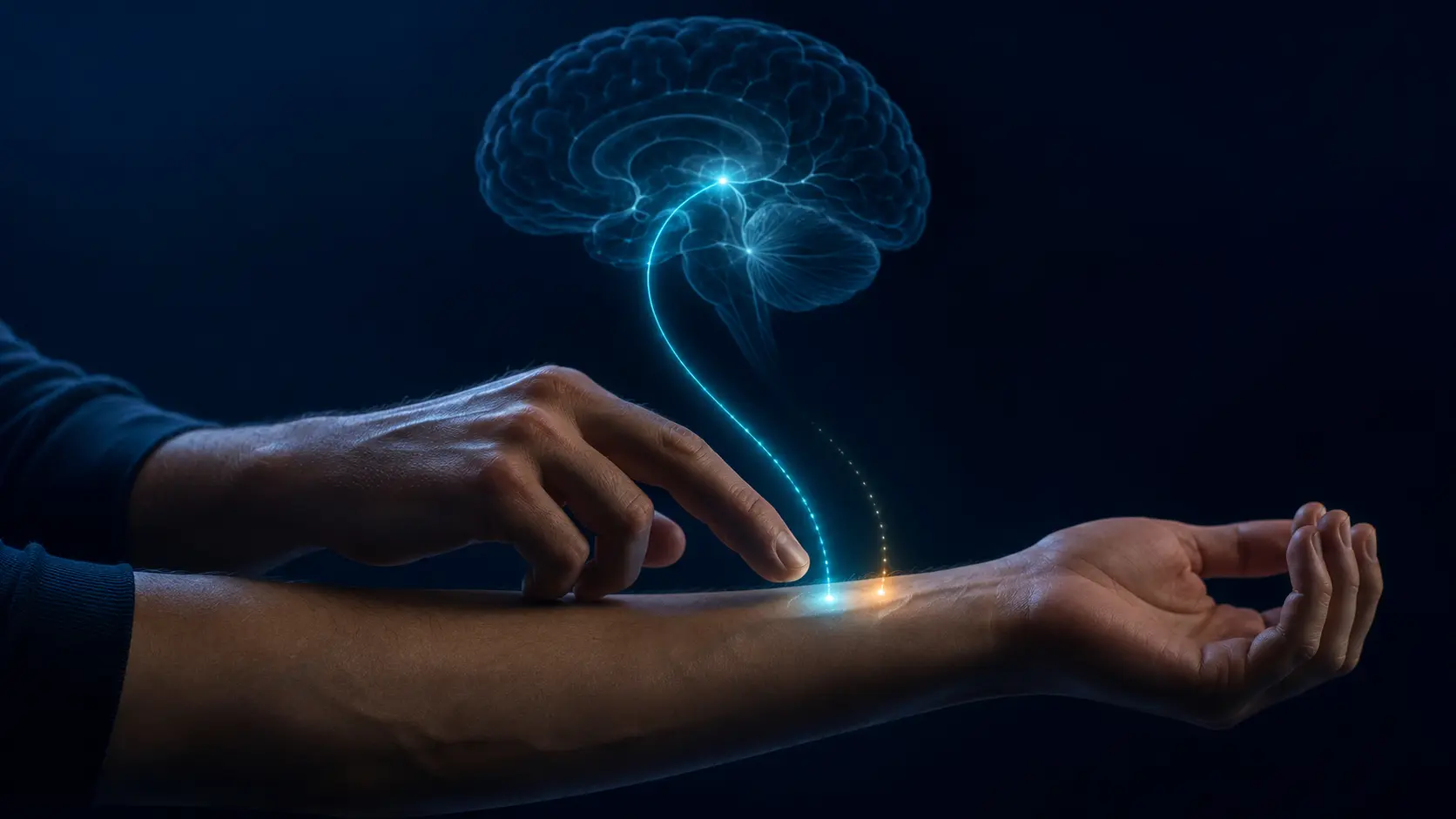
Your hand reaches the right place with the right motion, yet the expected laugh never arrives. The missing ingredient is a prediction your brain made first.
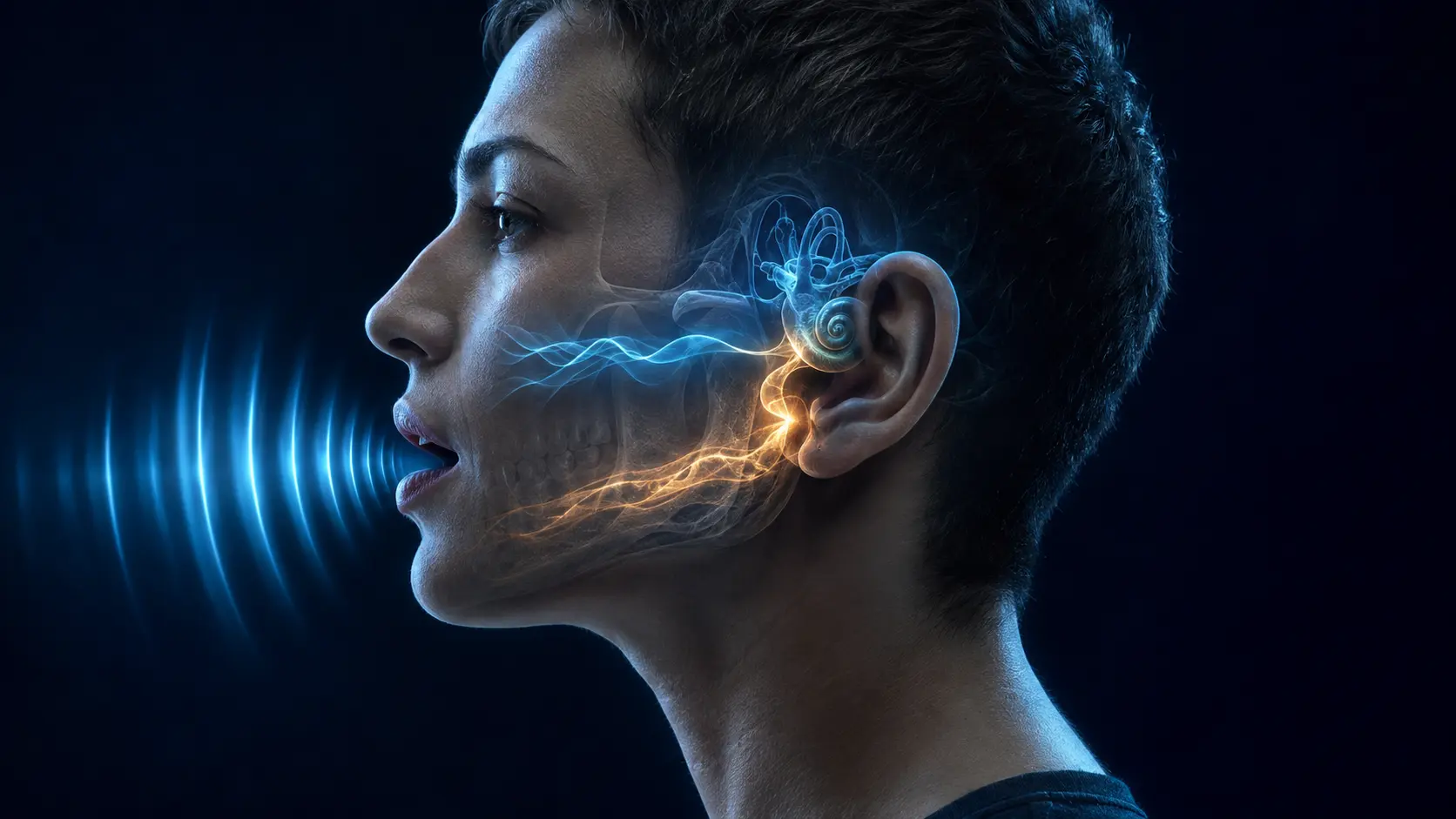
The voice in your head arrives by two routes. A recording gives you only part of that familiar signal—and the missing path changes everything.

A busy afternoon and a remembered decade use different kinds of time judgment. Aging changes both, but not through one simple ratio.
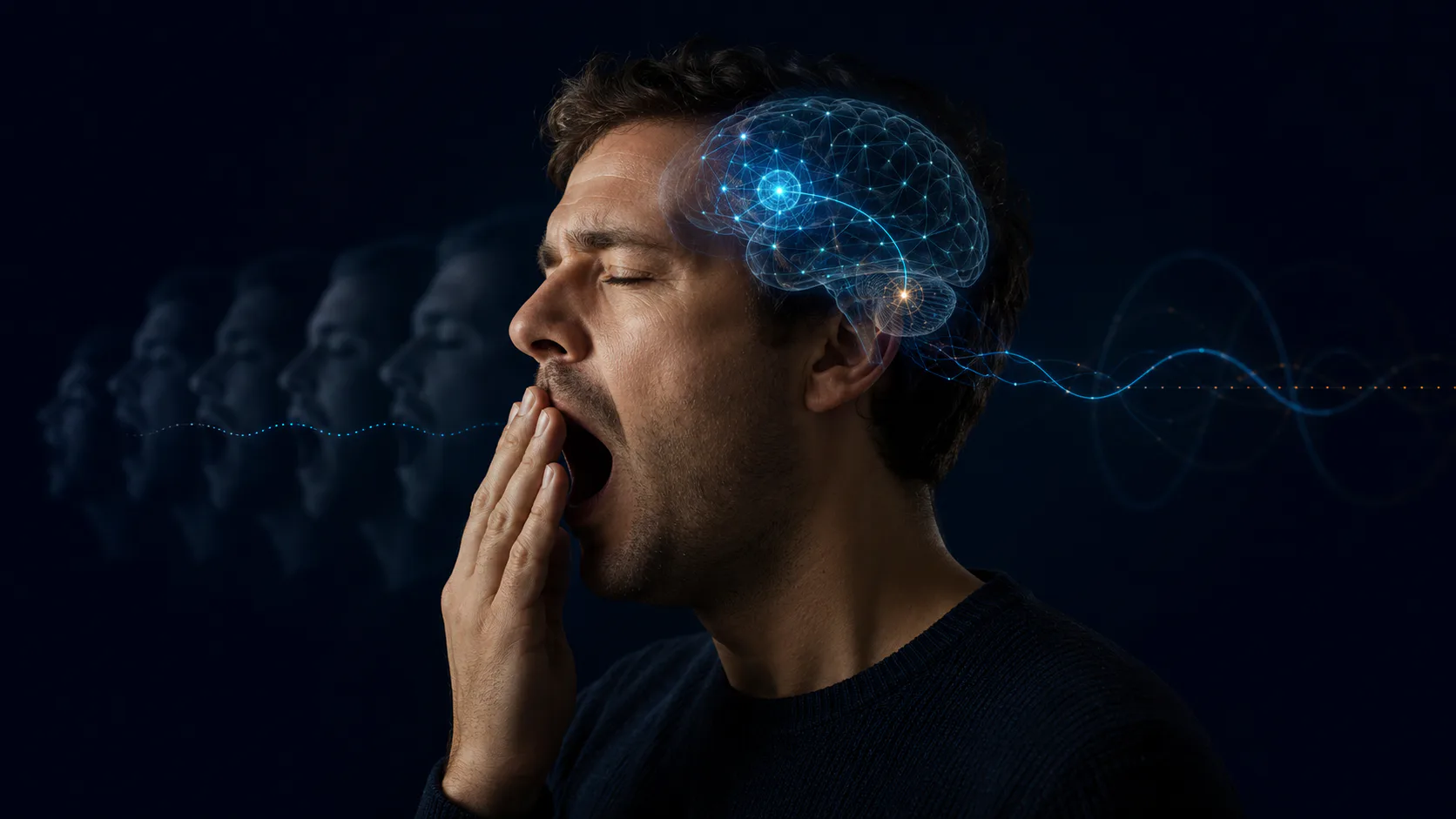
Seeing, hearing or even reading about a yawn can recruit the urge to copy it. The reason remains scientifically unsettled.
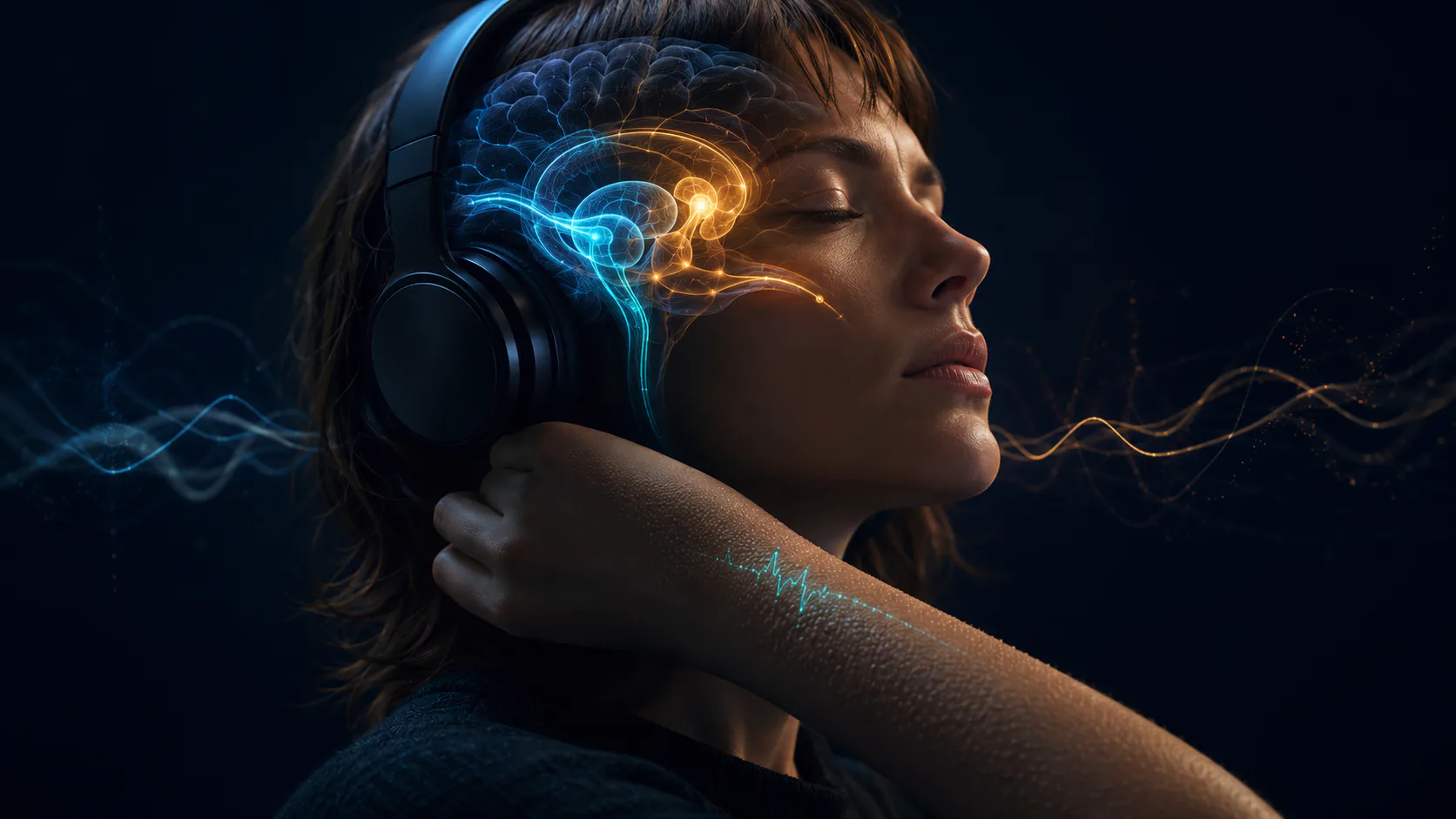
A musical expectation resolves, reward circuits respond, and the body marks the moment with a wave of autonomic arousal.
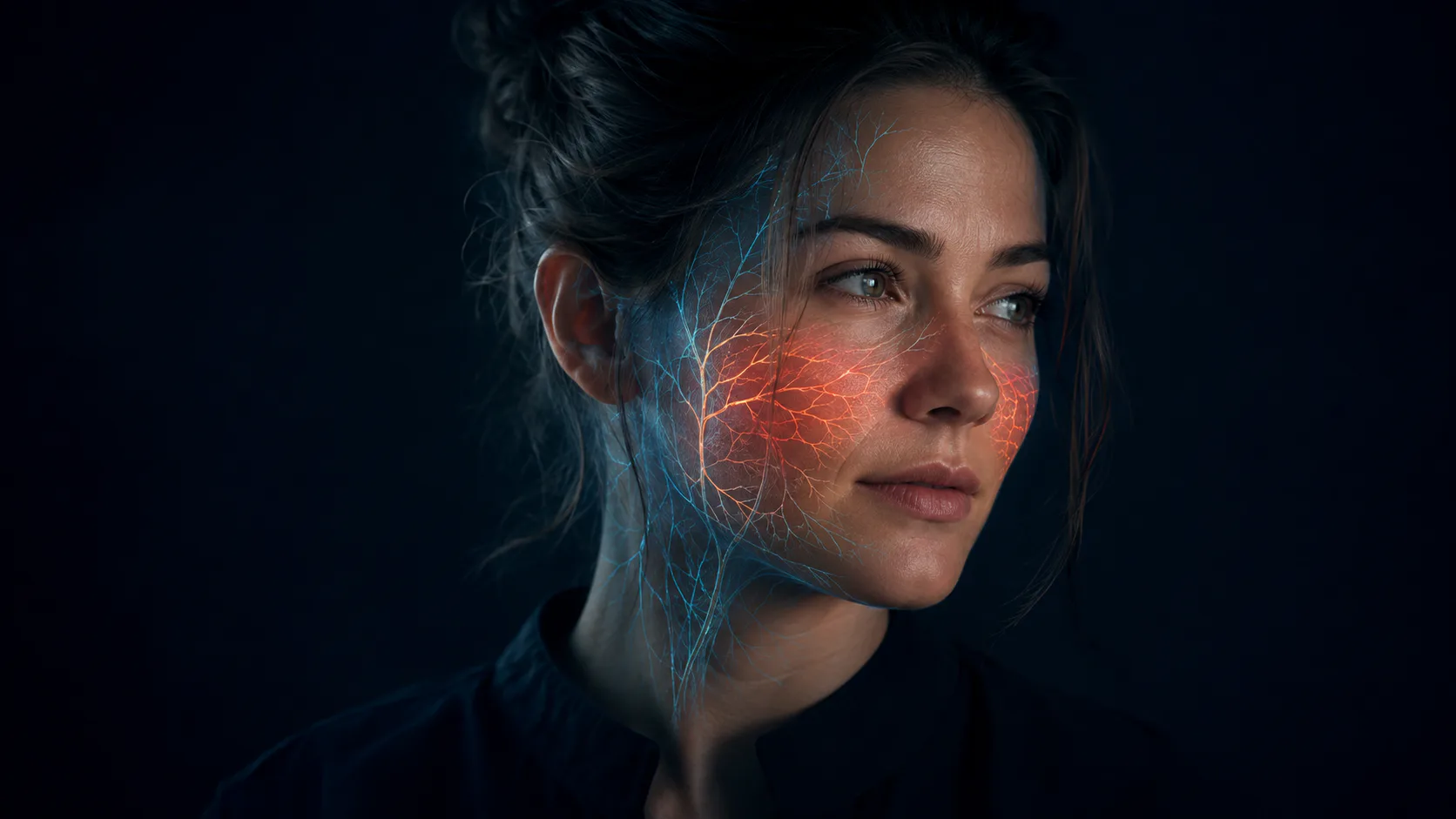
Embarrassment becomes visible when an involuntary autonomic response sends more warm blood through facial skin.
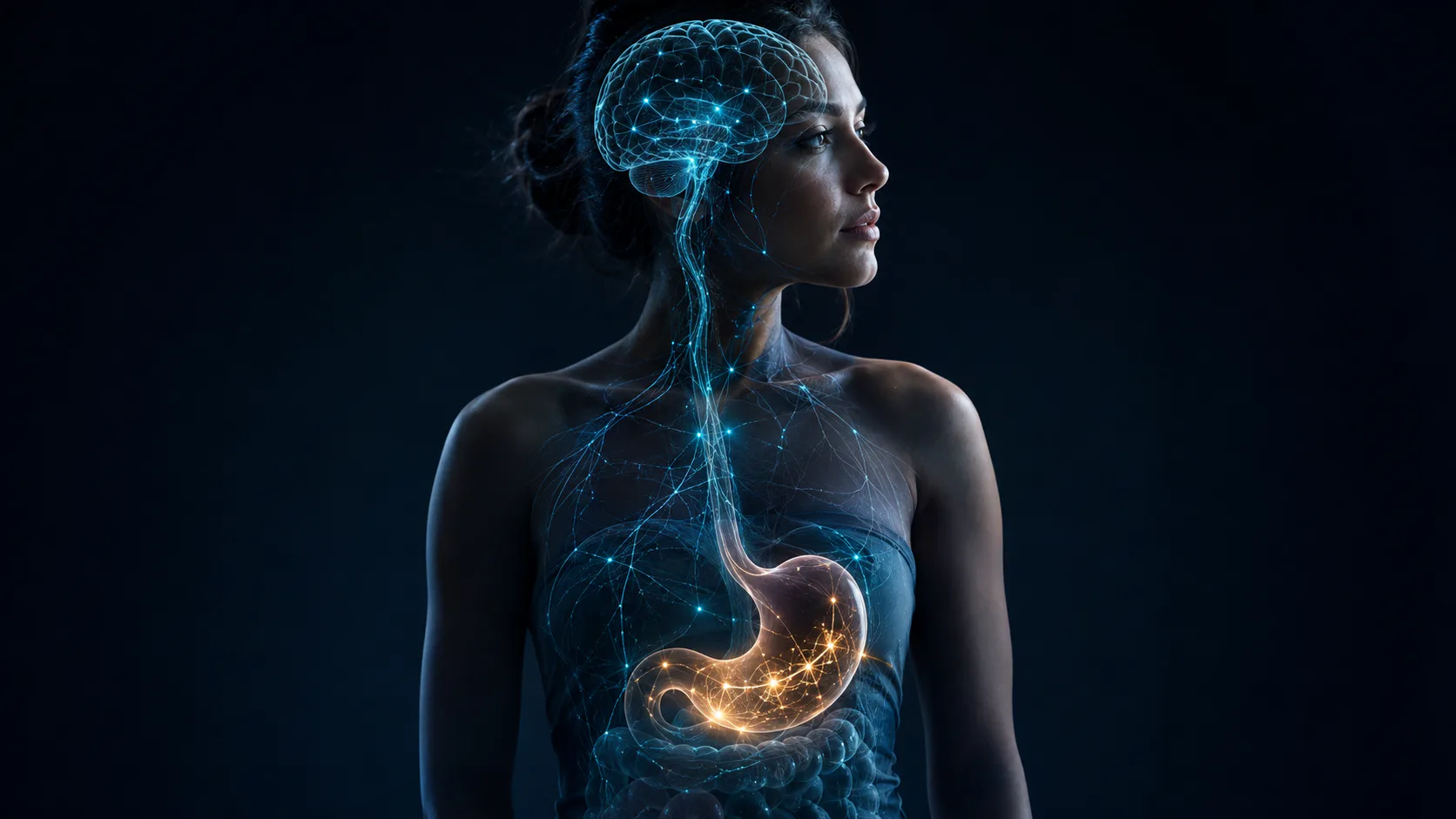
Excitement reaches the gut through autonomic signals that change movement, sensation and the rhythm of digestion.
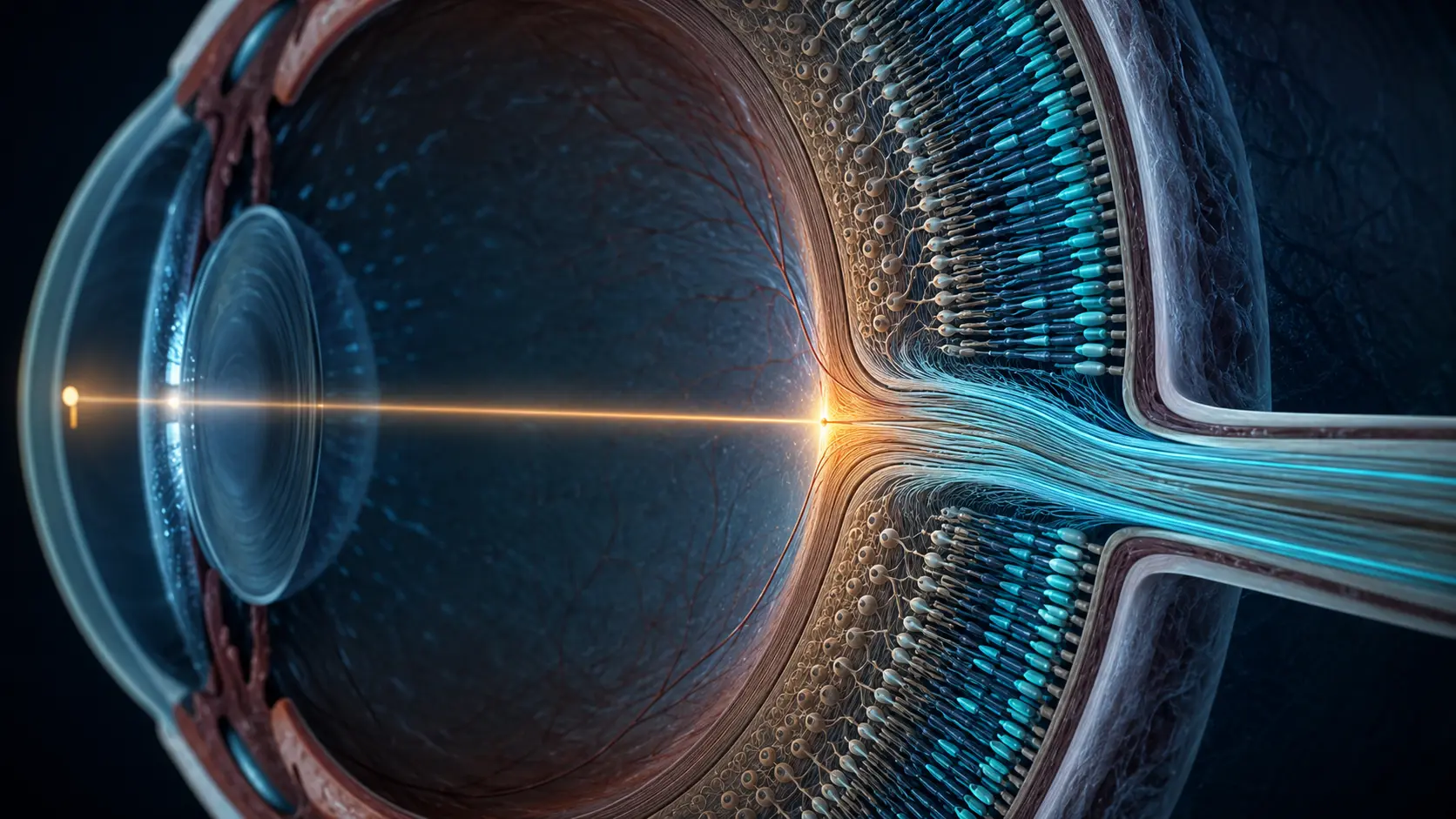
Each eye contains a place that cannot see. Your brain quietly paints over it all day.
Brain & Mind explores the systems behind memory, social attention, aesthetic emotion and sensory completion. The stories stay close to observable mechanisms: nerve pathways, imaging findings, physiological measurements and experiments that reveal where explanations are still incomplete.
The goal is not to reduce a memory or a piece of music to one brain region. It is to show how distributed networks, learned expectations and body responses meet—and why individual experience can still vary inside shared biology.