 01
01Human Body
Why Do We Blink?
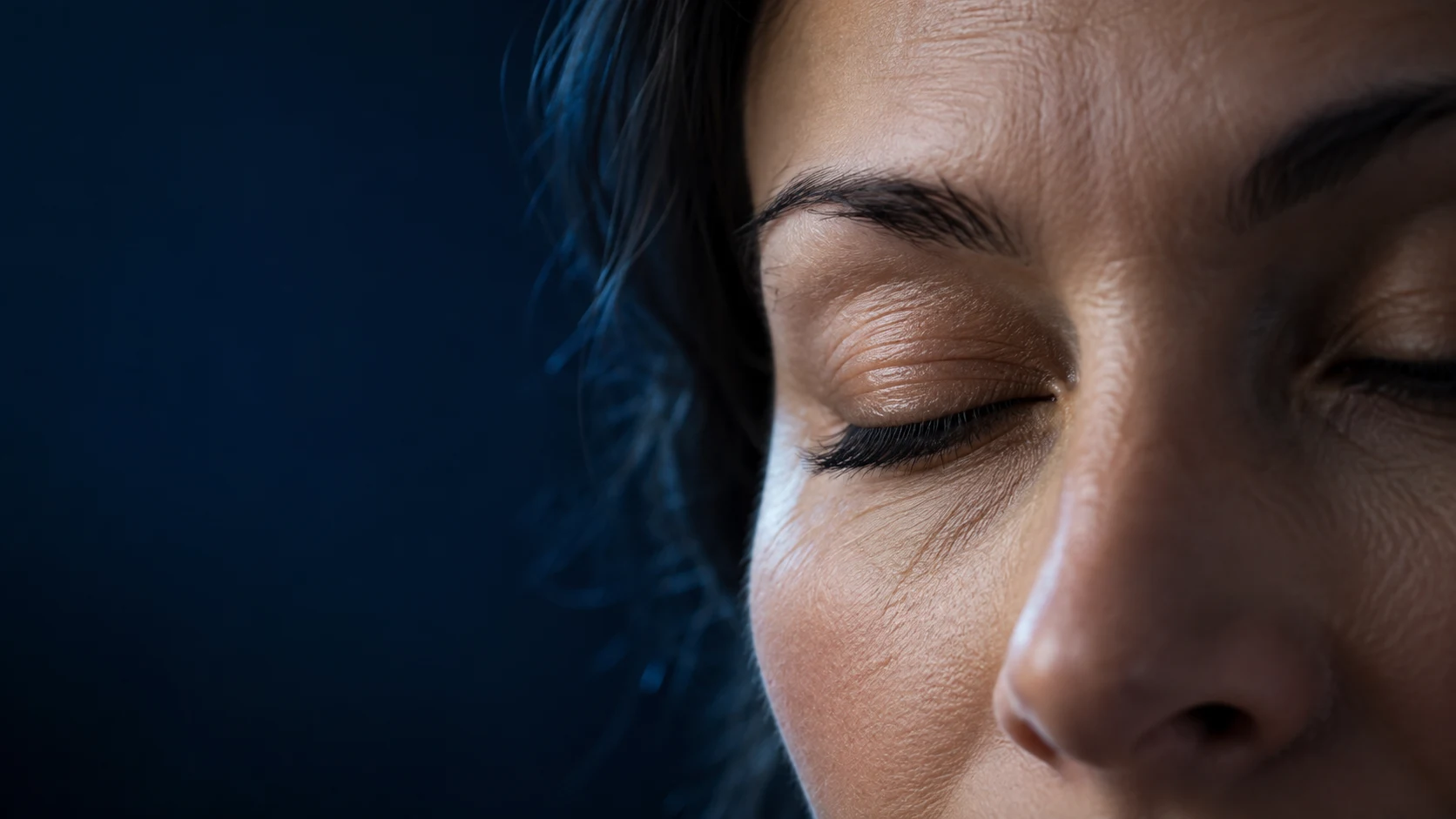
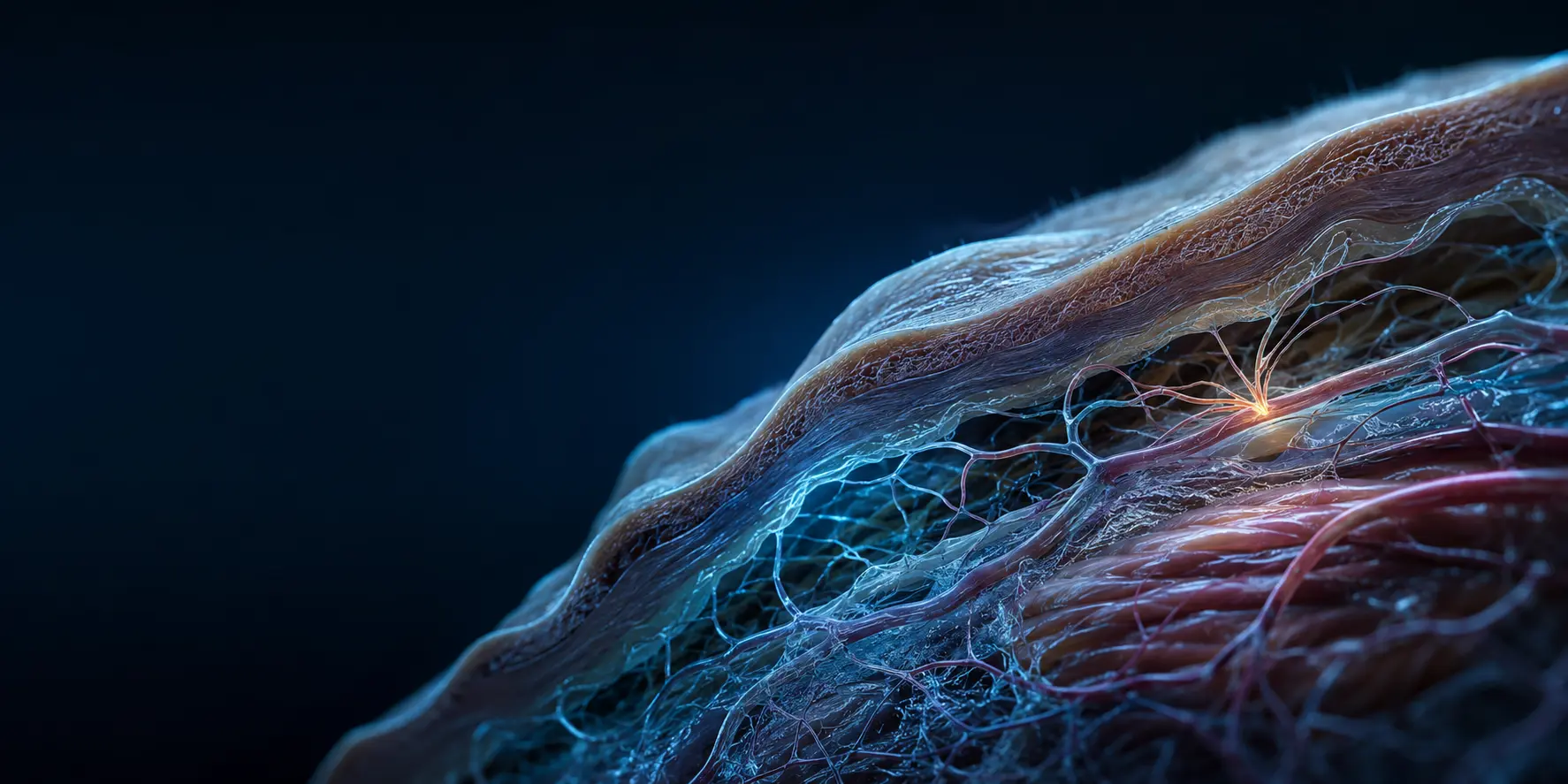
A blink briefly interrupts incoming light while renewing the eye's surface. Its timing also changes with what you are doing.
Clear, visual and carefully sourced explanations of the hidden mechanisms behind everyday human experiences.
 DEEP STRUCTURE SCIENCEBody · Brain · Development
Evidence-led stories, visual explainers and experiments for curious humans.
01A blink briefly interrupts incoming light while renewing the eye's surface. Its timing also changes with what you are doing.
 02
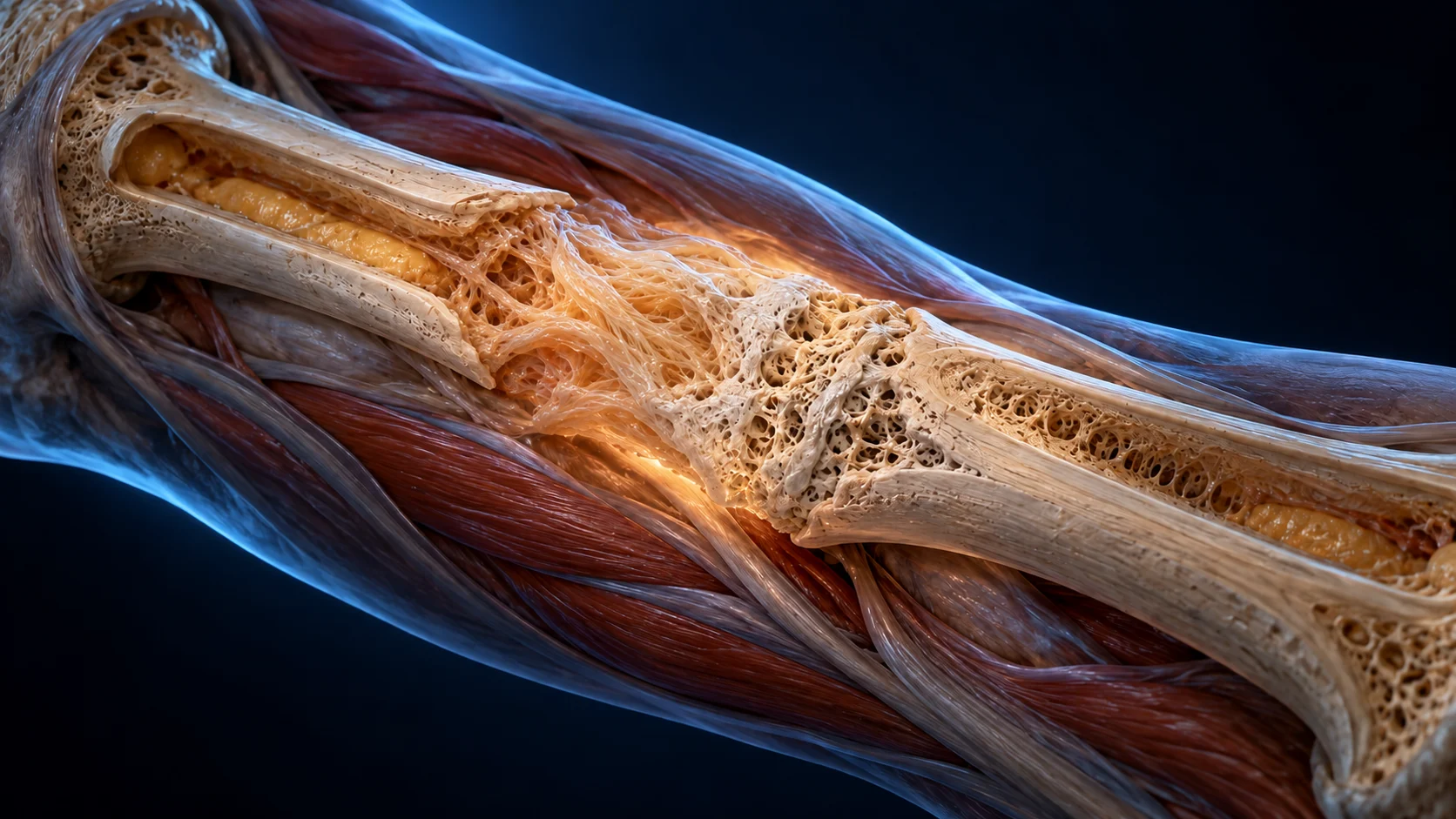
02A fracture does not simply get glued together. It builds temporary tissue across the gap, replaces that bridge with bone and then reshapes it under load.
 03
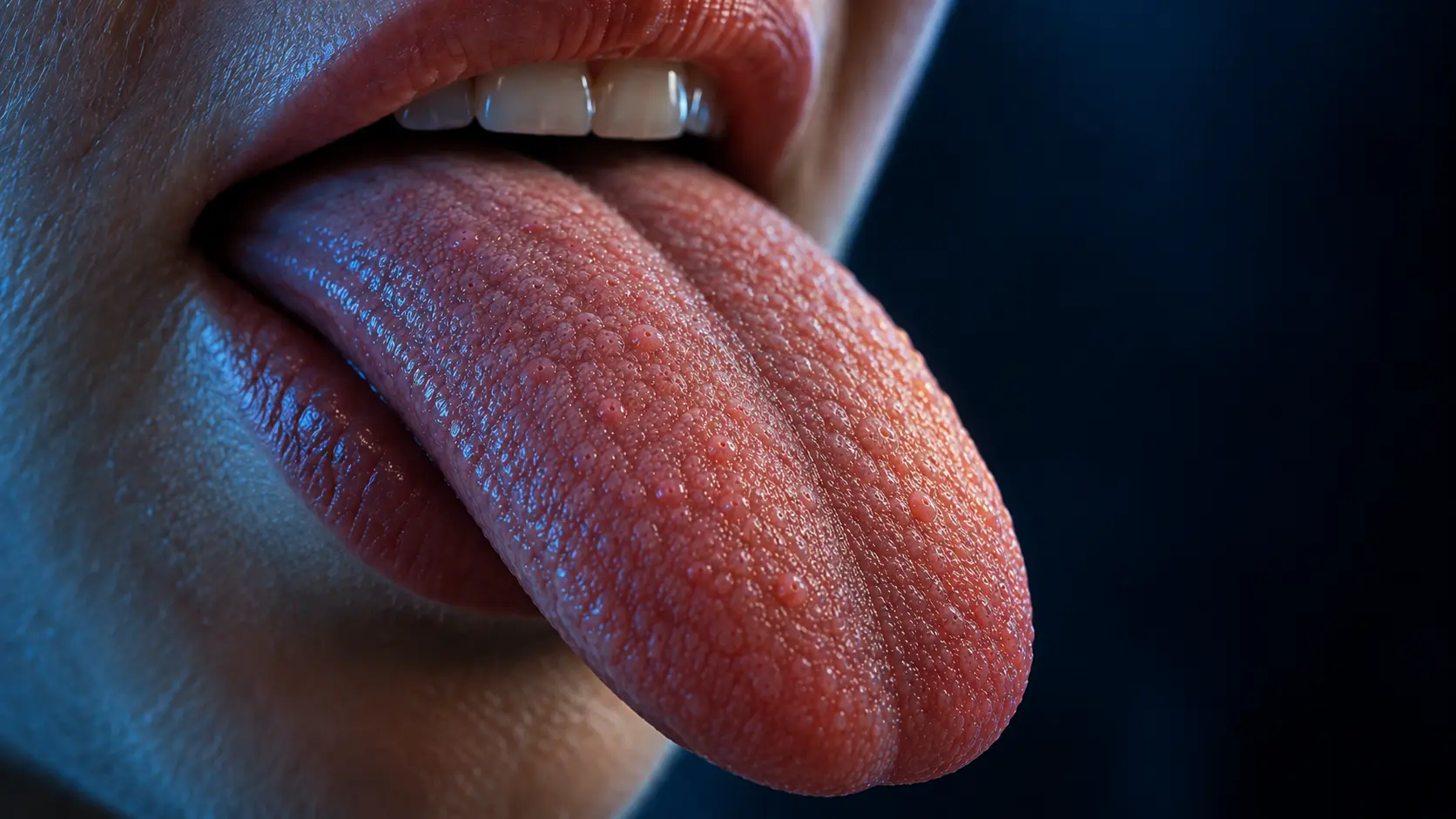
03A bite becomes taste when dissolved molecules reach receptor cells, change their electrical activity and recruit nerves that carry the signal to the brain.
Find the point where an object vanishes—even though your eye is open and looking straight ahead.
Start the blind spot testFollow the signals, structures and quiet exchanges that keep you alive before you ever notice them.
A nose that runs during dinner. Ears that pop in flight. A stomach that growls between meals. Familiar experiences, seen from the inside.
Open the Everyday Mysteries hub
Chili heat is a chemical alarm. Your nose answers by turning on a fast, watery cleaning system.
The body is not a finished object. It is a process unfolding through growth, fusion, remodeling and repair.
Babies begin with more separately counted skeletal elements than adults. As growth continues, many of those elements fuse into larger bones while living tissue keeps rebuilding from within.
Perception, memory and emotion feel immediate. Underneath, the brain is constantly selecting, predicting and coordinating with the body.
A small strip of hair above each eye helps manage moisture and carries information about expression and identity.
5 min read↗02The liver does not grow a missing lobe back like a salamander limb. Its remaining tissue expands until enough working mass has been restored.
10 min read↗03Voice begins as a controlled instability: air pushes paired folds apart, tissue elasticity brings them back and the cycle repeats hundreds of times each second.
10 min read↗04Cerumen is not dirt waiting to be removed. It is part lubricant, part particle trap and part conveyor belt for the skin lining the ear canal.
10 min read↗05The nose is rarely a perfectly balanced pair of tubes. Blood-rich tissue changes the available space on each side, often in an alternating pattern.
10 min read↗06A wider pupil admits more light, but the change begins with a neural reflex and works alongside slower adjustments inside the retina.
10 min read↗ALLContinue through the full collection of stories and experiments.
View latest↗Follow Deep Structure for new visual explainers, experiments and carefully sourced discoveries.
Follow on Facebook