Human Development
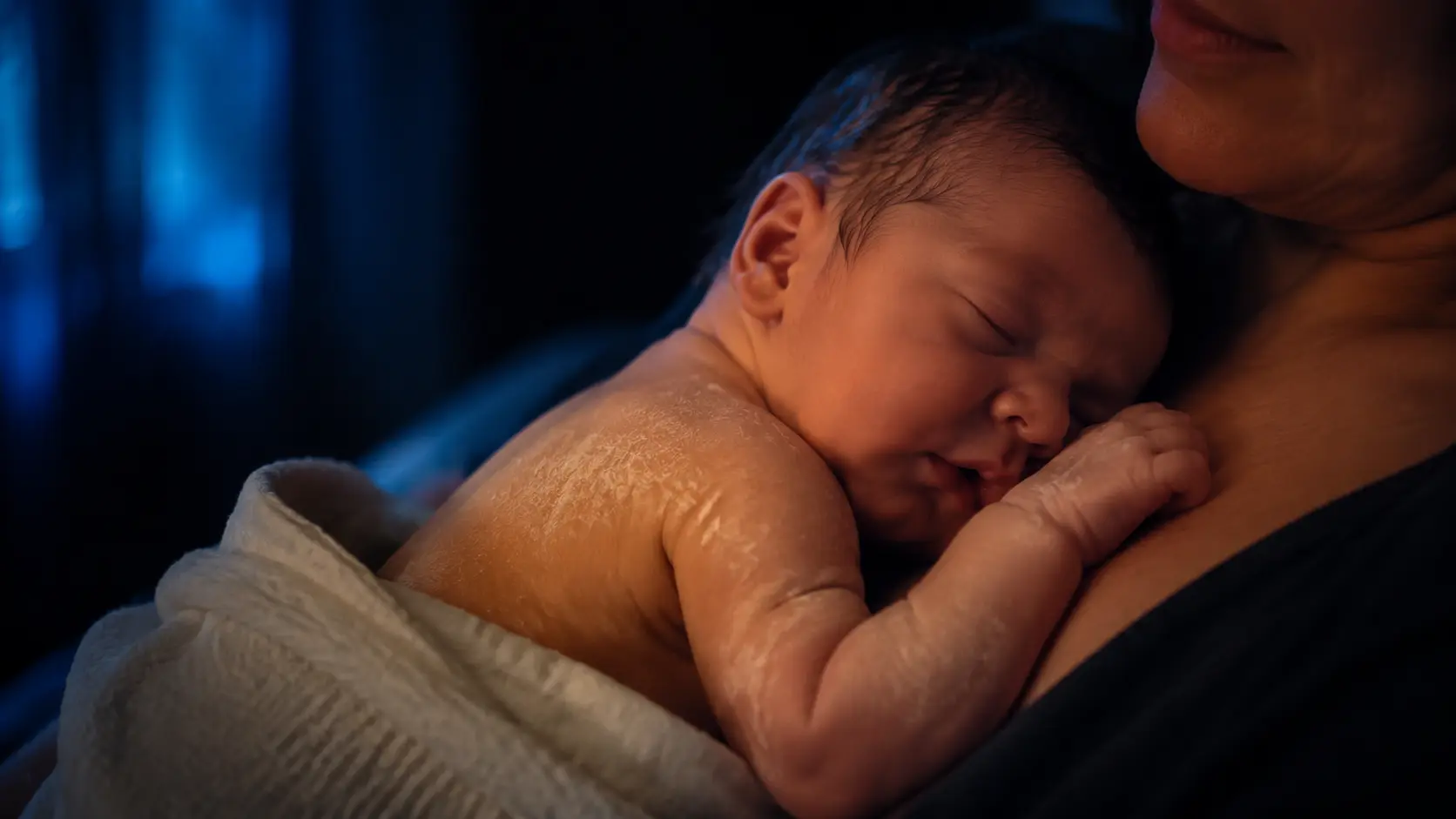
Vernix Gives Newborn Skin a Temporary Protective Coat
The creamy coating is built from fetal skin cells, water and lipids. It is part of the skin's transition from the womb to the outside world.
A body is never simply finished. Structures fuse, tissues remodel and the balance between growth and repair changes across a lifetime.
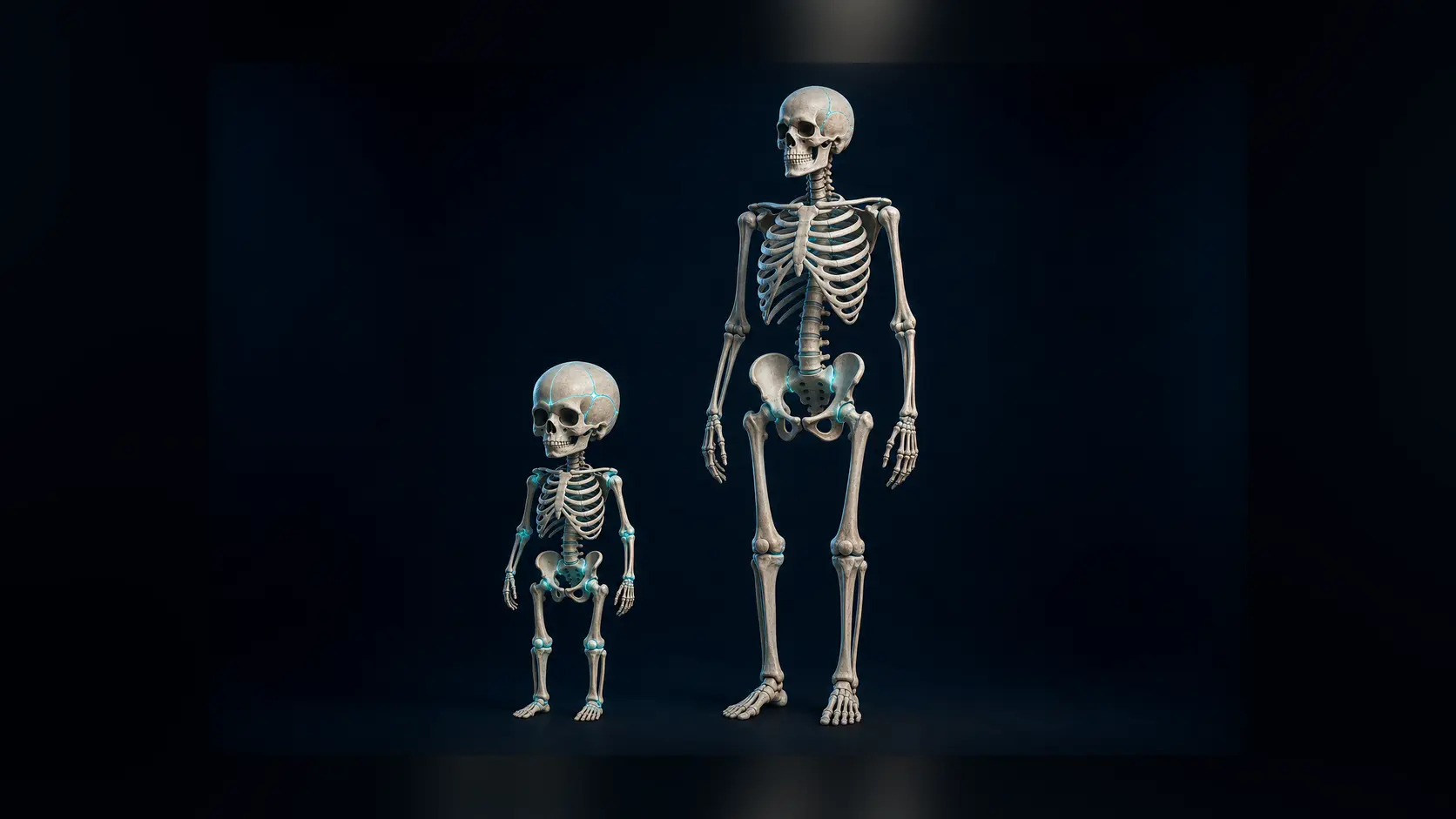 Featured · Why Do Babies Have More Bones Than Adults? ↗
Each story links an everyday experience to the system that produces it, with evidence and uncertainty kept visible.
The creamy coating is built from fetal skin cells, water and lipids. It is part of the skin's transition from the womb to the outside world.
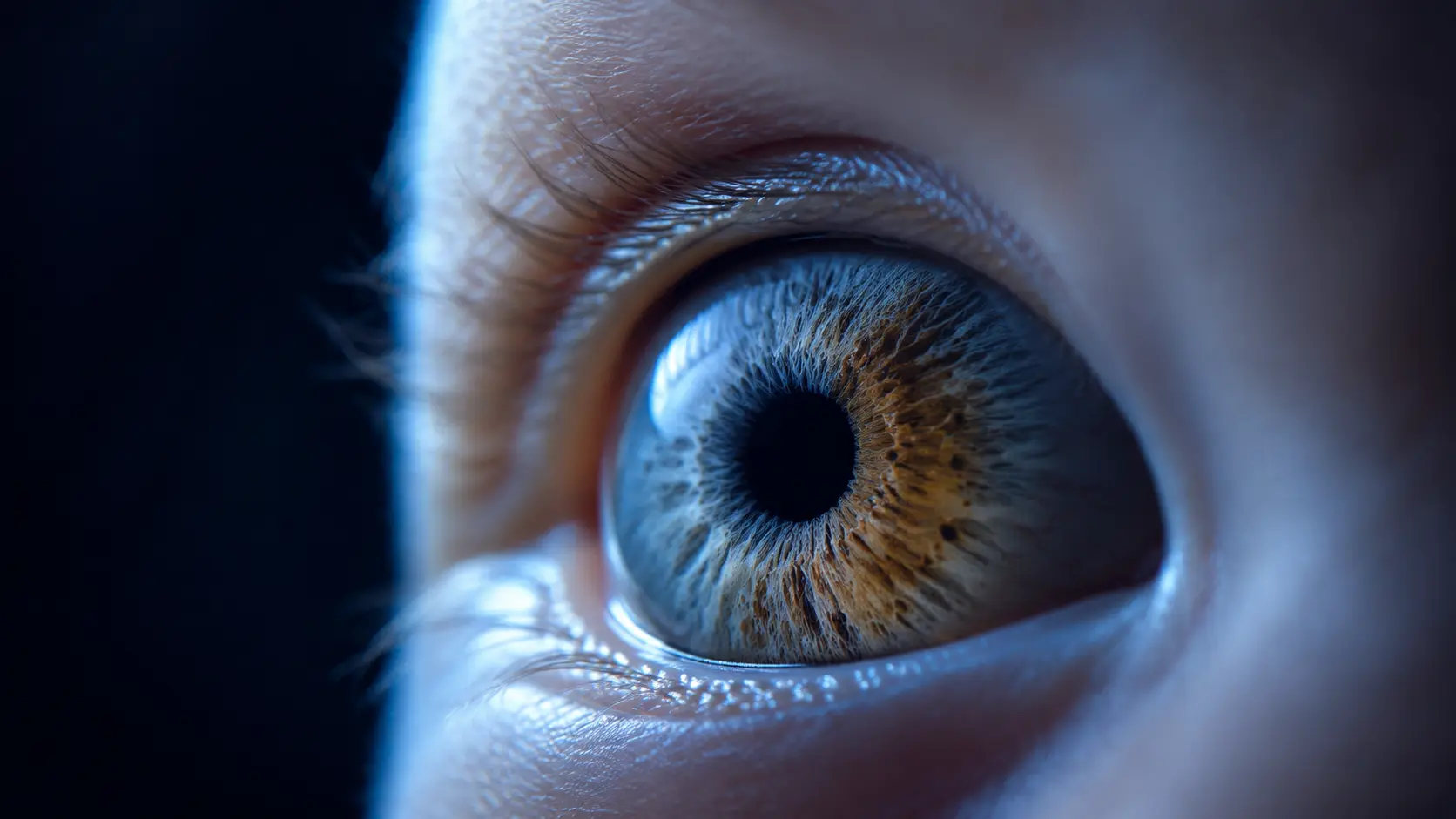
The iris contains brown melanin, but its amount and distribution determine how tissue scatters light into blue, gray, green, hazel or brown appearances.
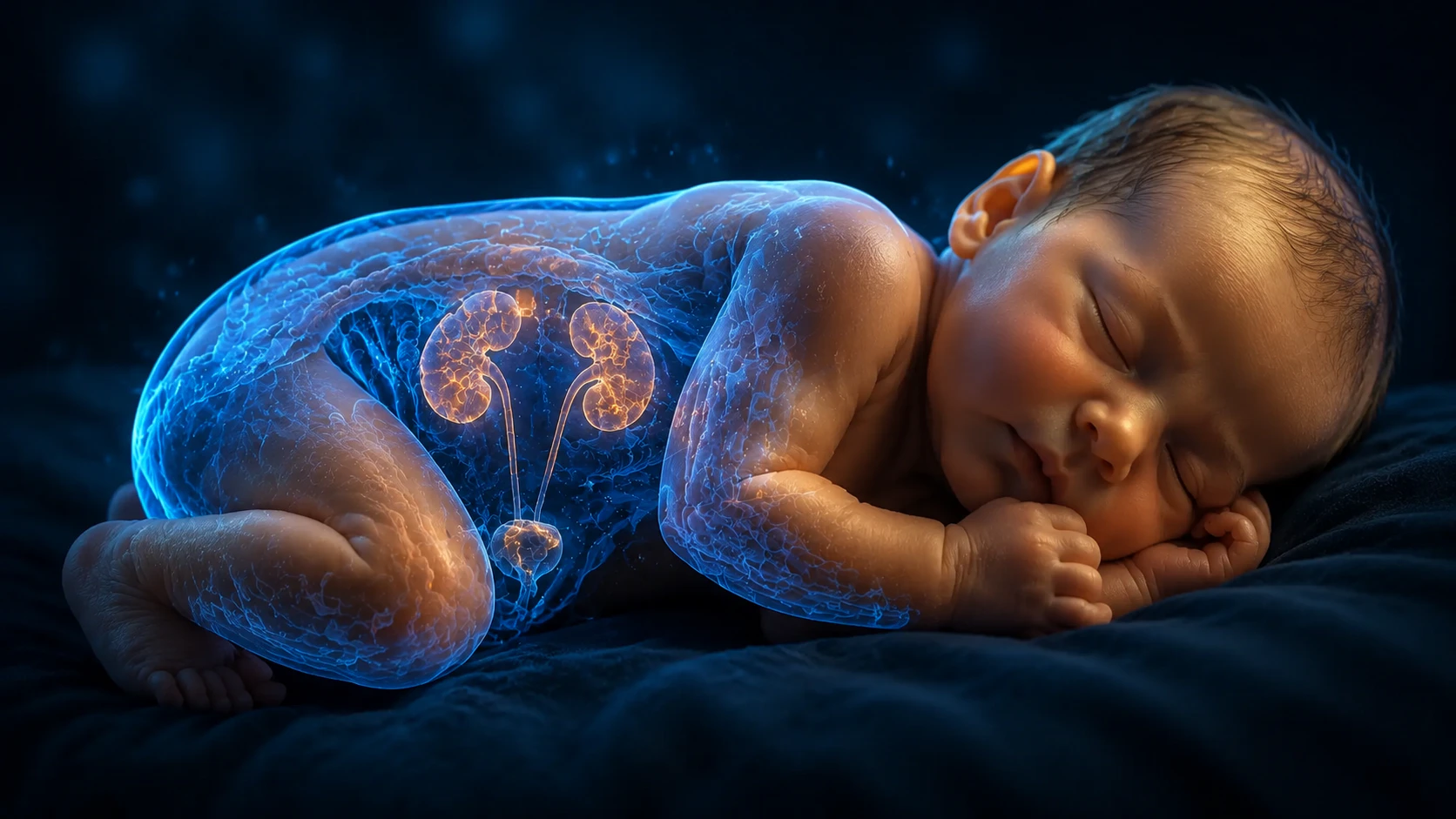
The early dip reflects a whole-body transition in water, urine, stool and intake—not a smaller version of adult weight loss.
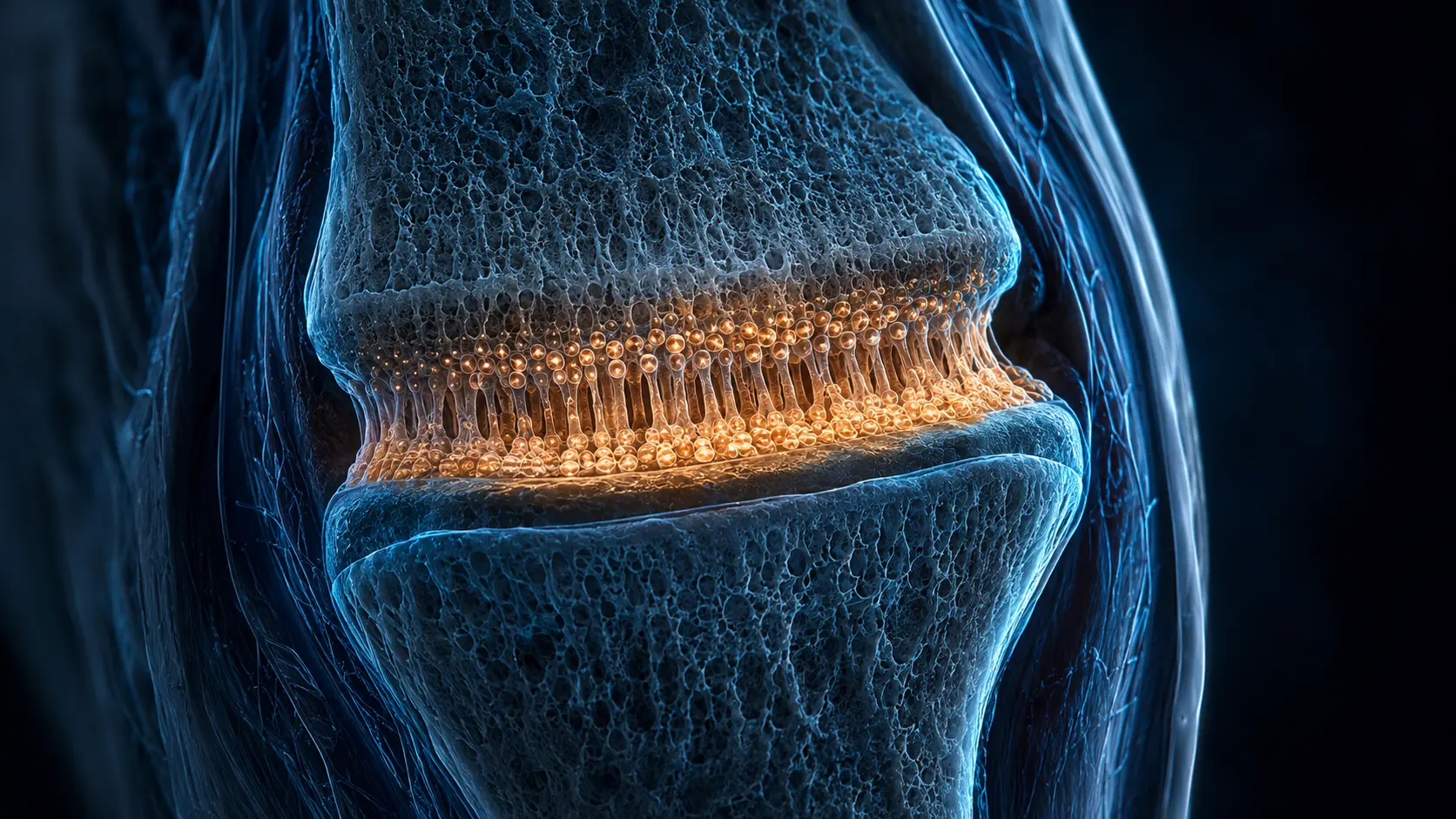
Long bones do not stretch like rubber. They lengthen near their ends through a repeating cartilage-to-bone construction process.
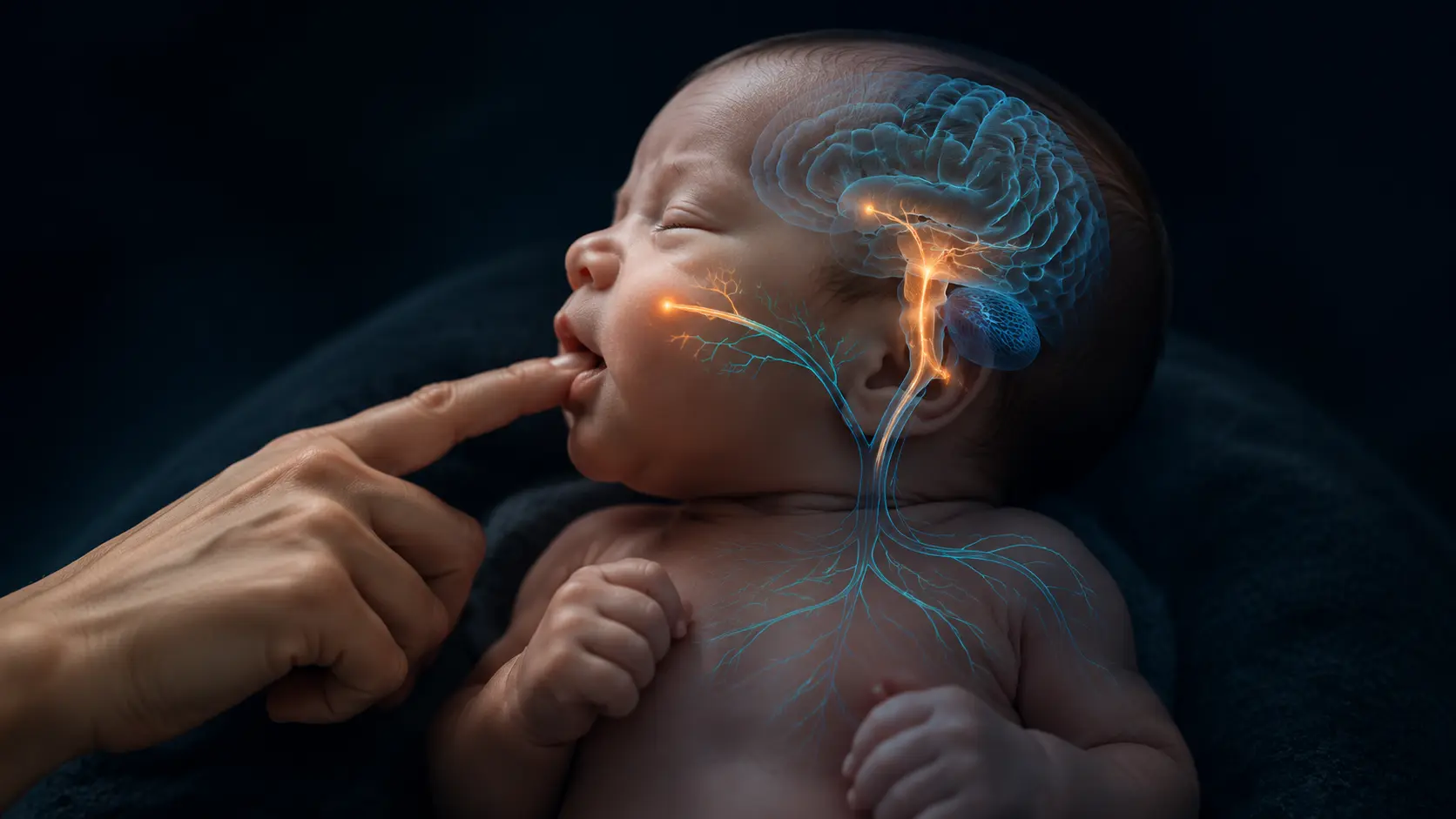
Before deliberate movement is mature, patterned responses connect touch, posture and survival. Their appearance—and disappearance—both matter.
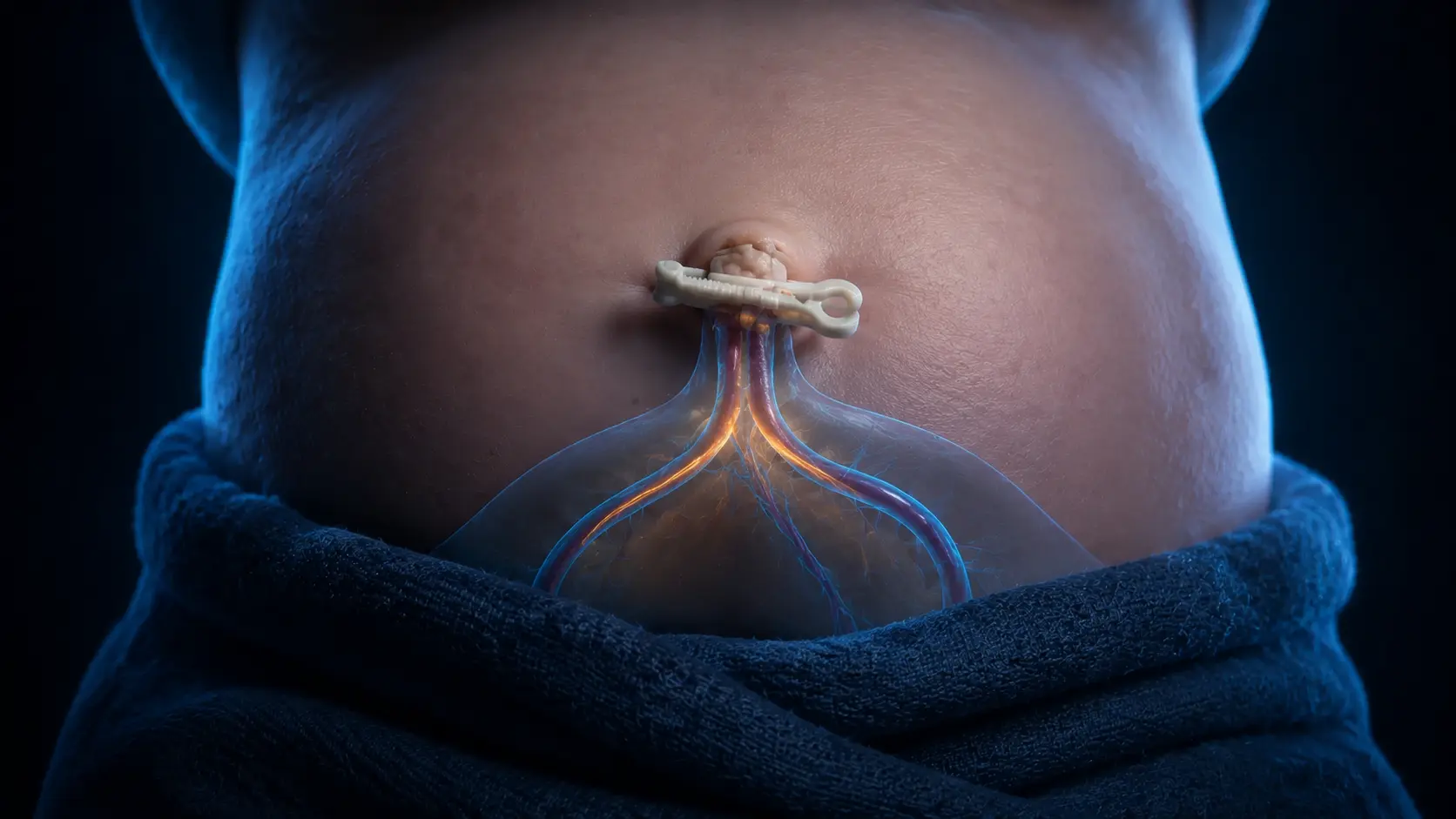
The cord stops being a lifeline within minutes, but its vessels do not simply vanish. They close, remodel and leave permanent traces inside the abdomen.
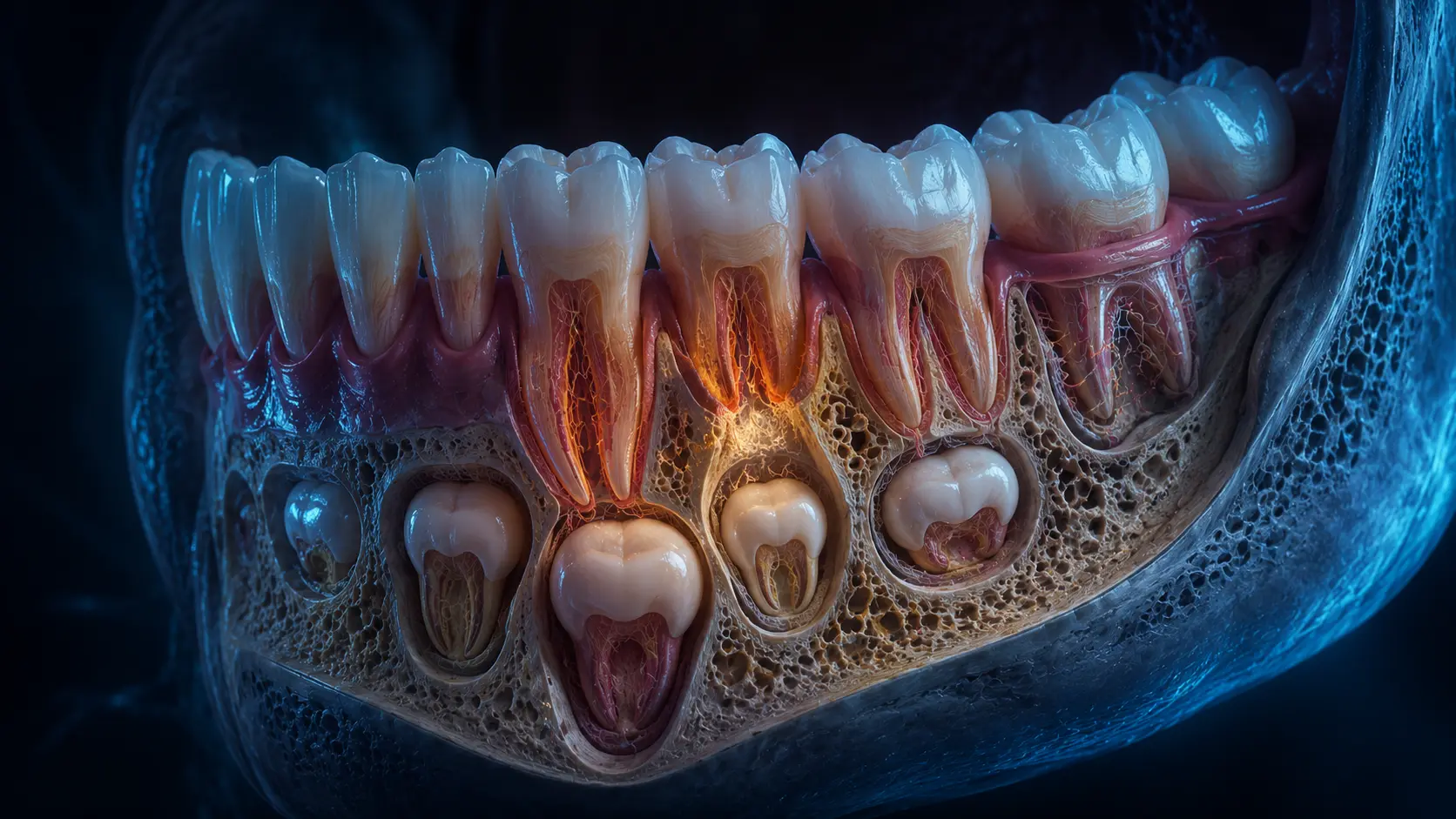
A loose tooth has usually lost most of the root that once anchored it. The permanent successor is remodeling a path below.
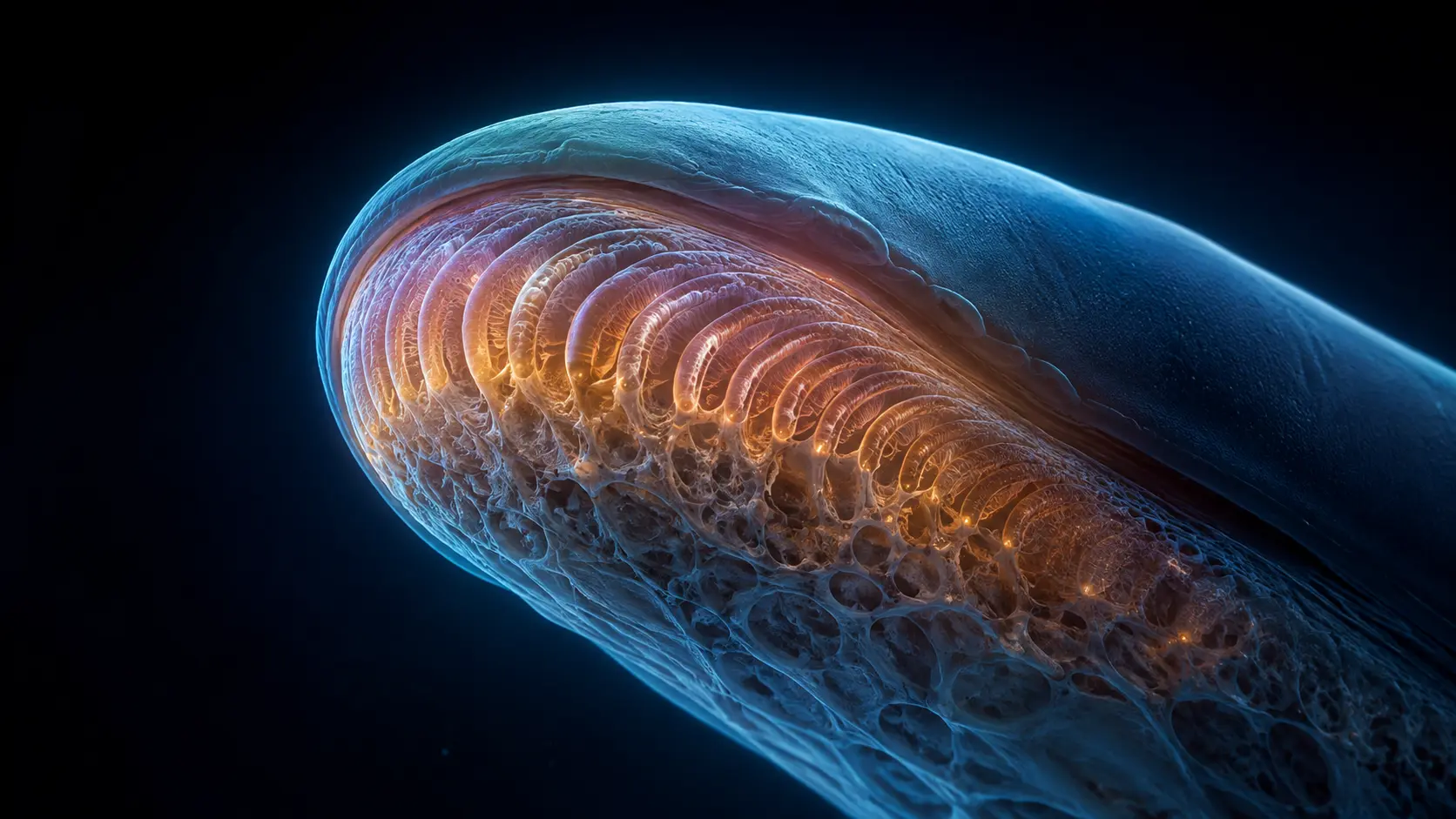
The loops and whorls on a fingertip are records of growing tissue, created months before that finger ever touches the outside world.
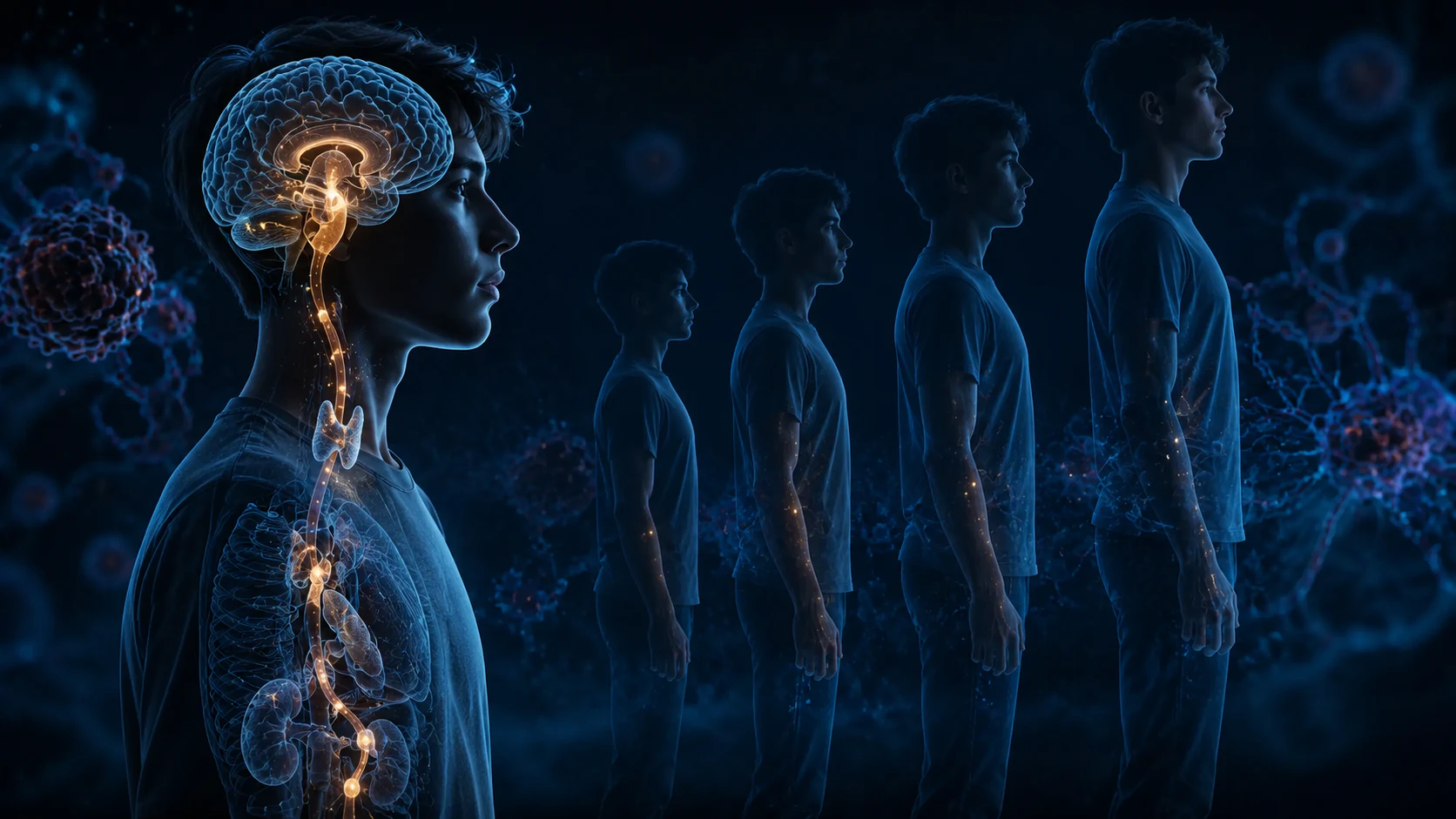
Puberty is not one hormone arriving overnight. A brain-to-gland signaling network restarts in pulses and coordinates changes across the whole body.
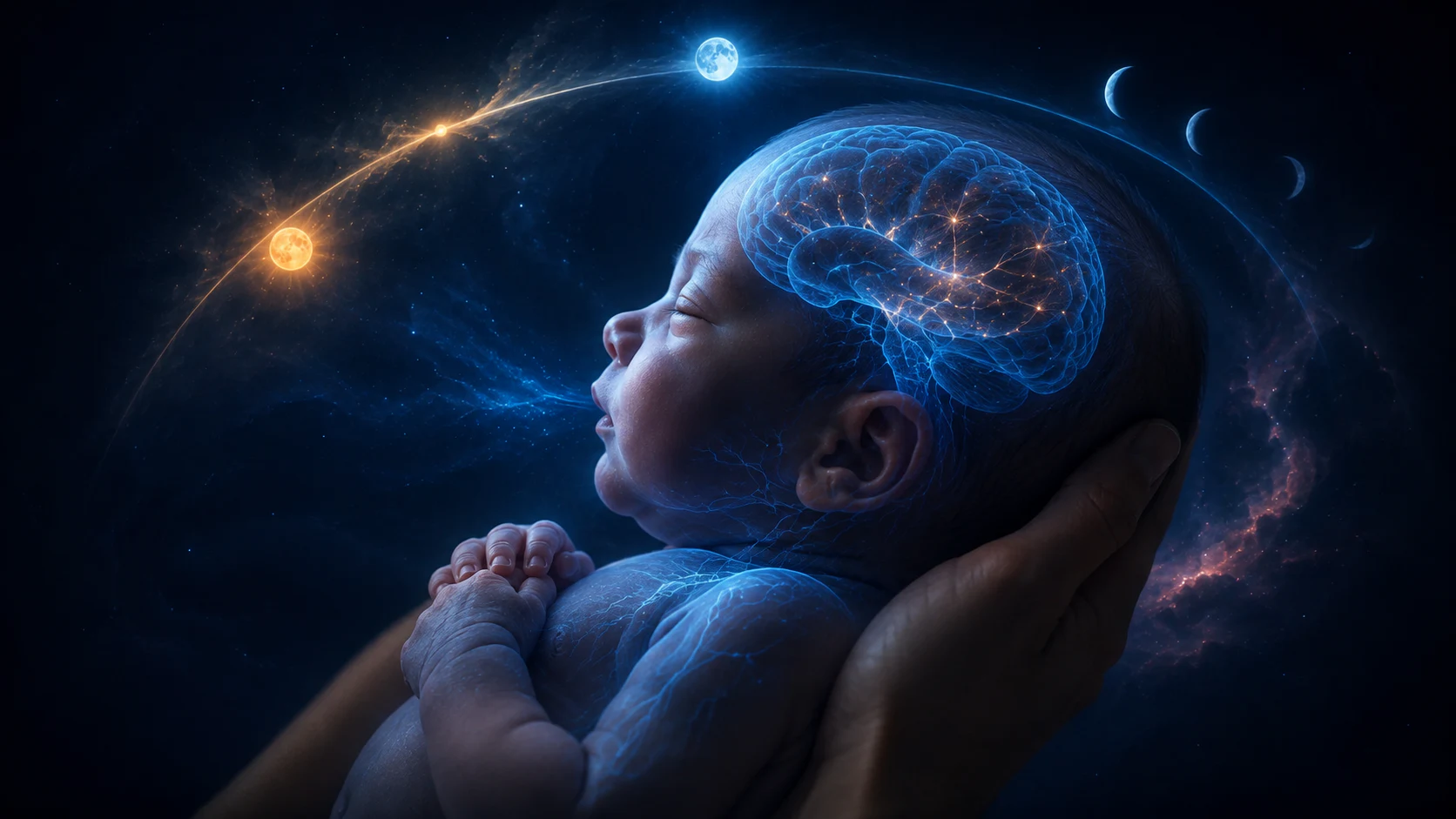
A sleeping baby is not switching development off. The brain is organizing new circuits while an immature body clock divides rest into many short episodes.
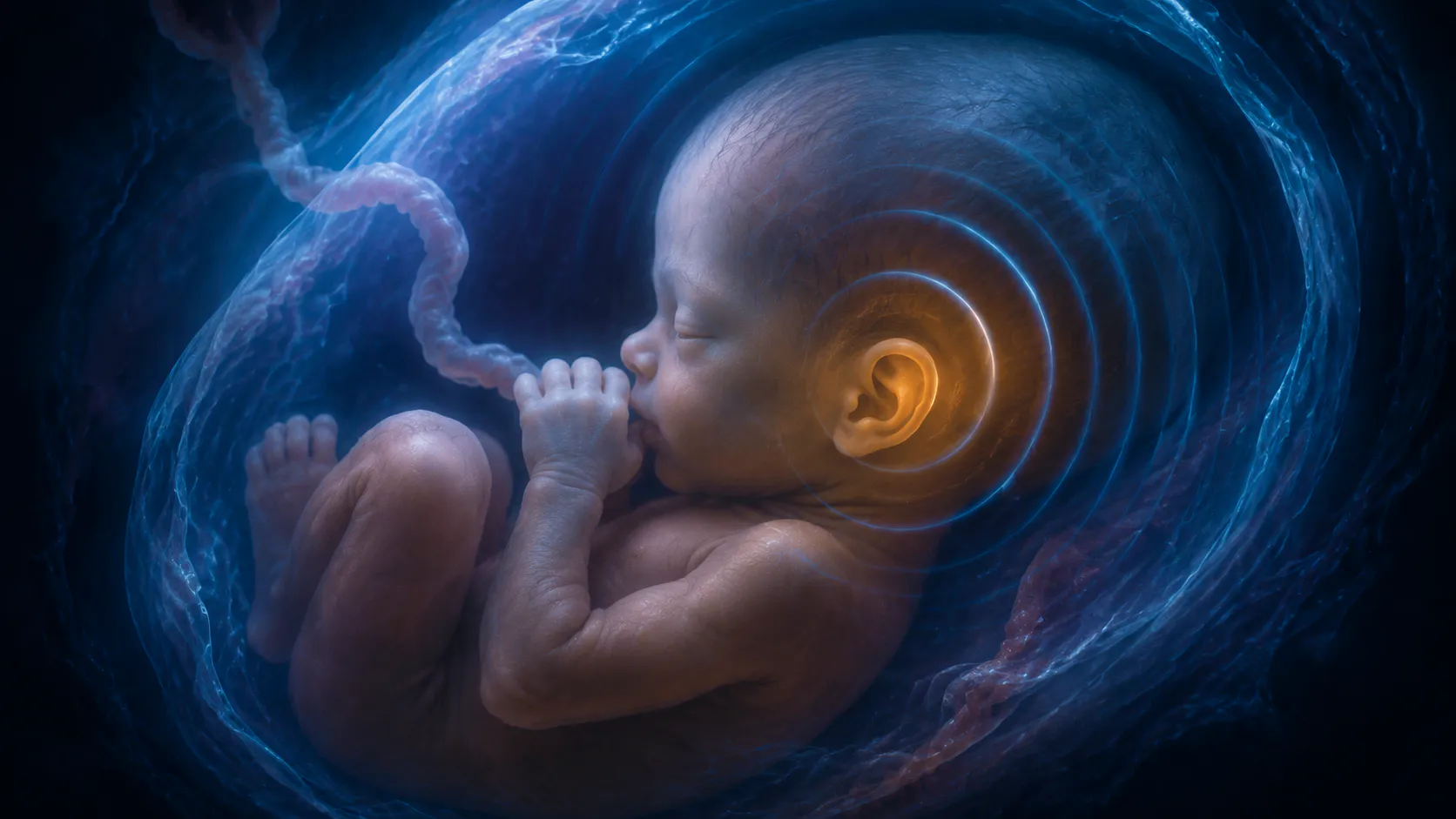
Hearing does not switch on in one instant. The ear, auditory nerves and brain mature in stages while the uterus filters the sound reaching them.
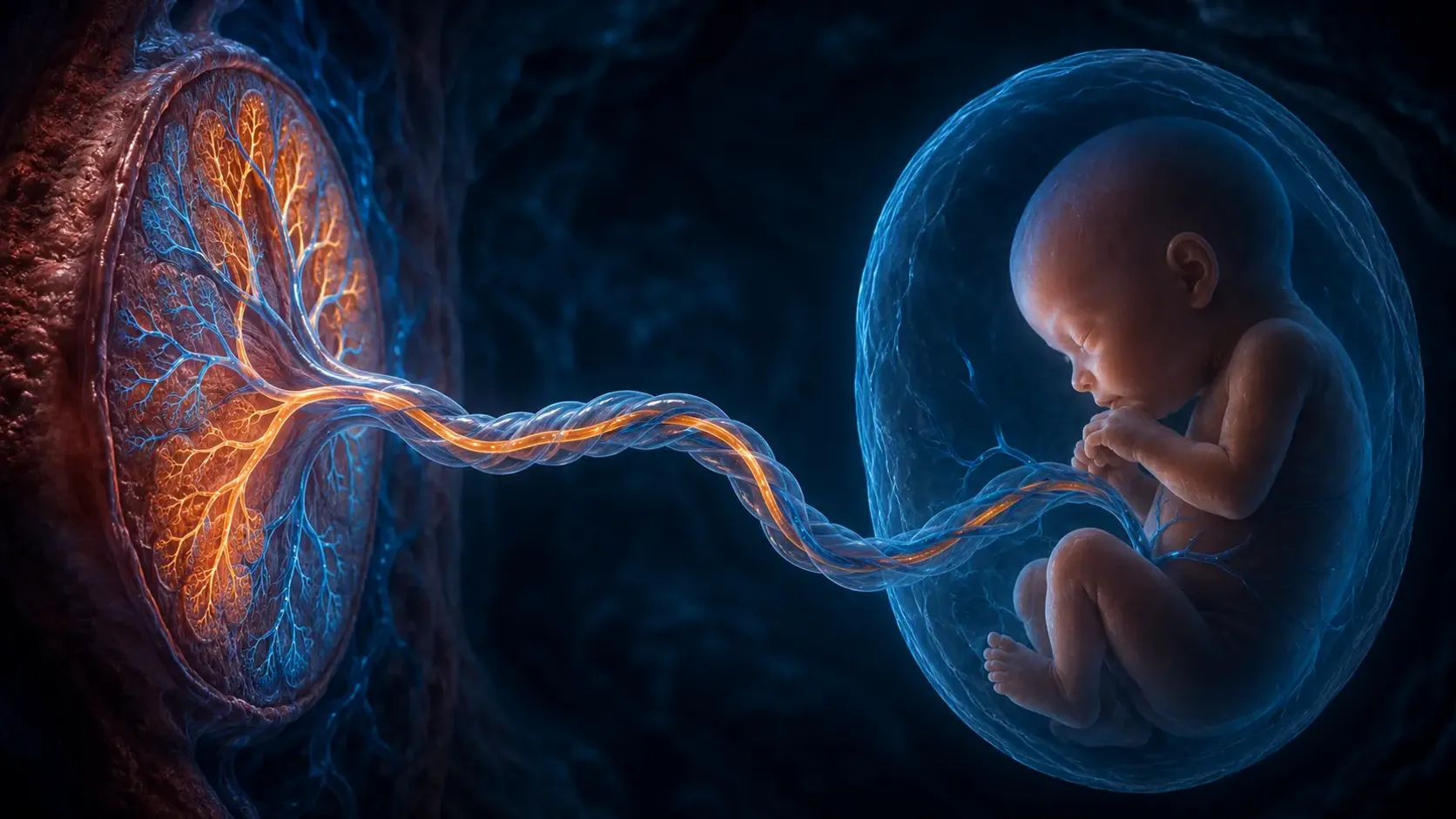
A fetus does not breathe air in the uterus. The placenta performs gas exchange, and a temporary circulation routes the best-oxygenated blood where it matters most.
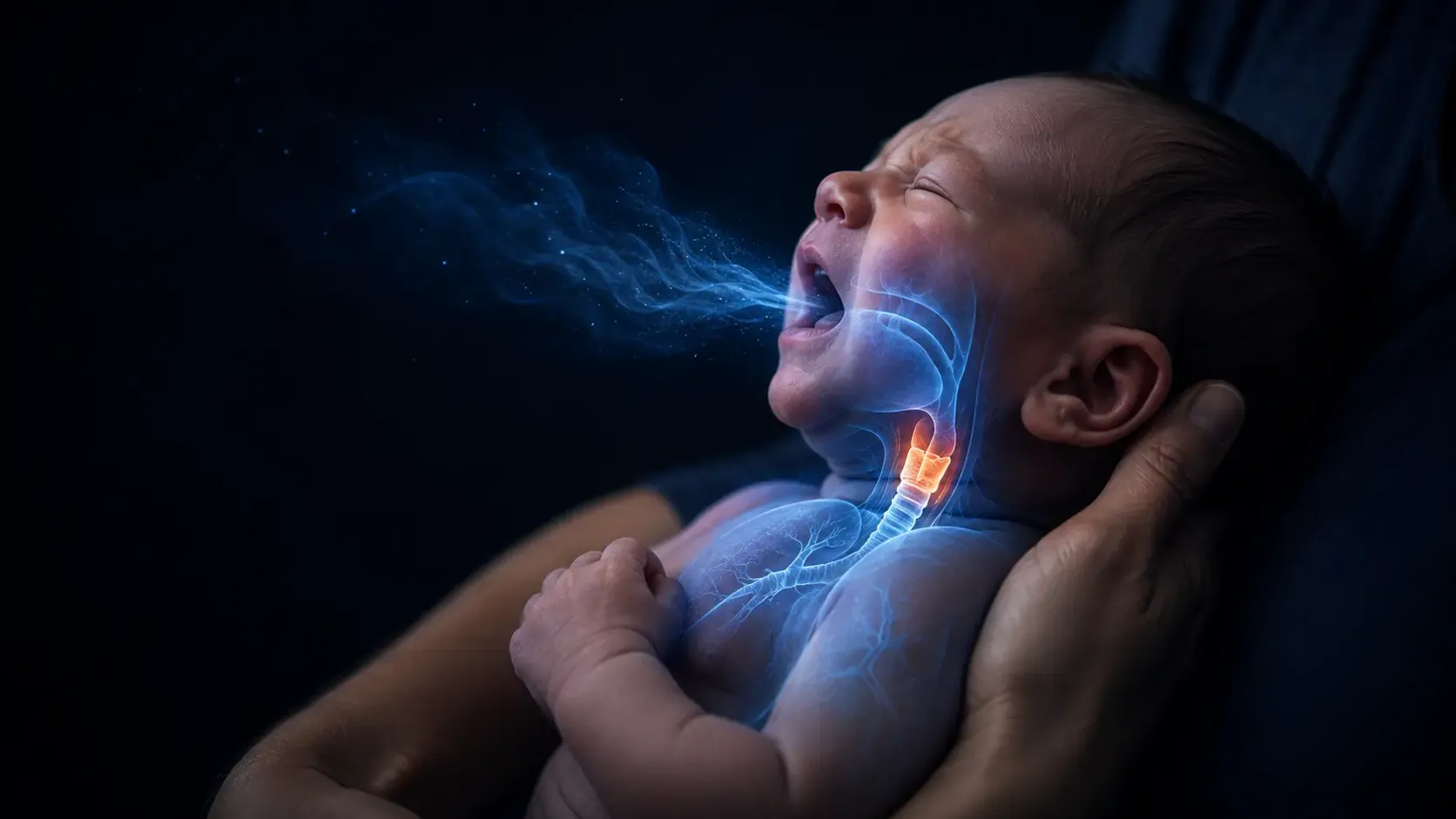
A baby cannot name hunger, discomfort or overload. Crying turns an internal state into a signal powerful enough to bring another nervous system close.
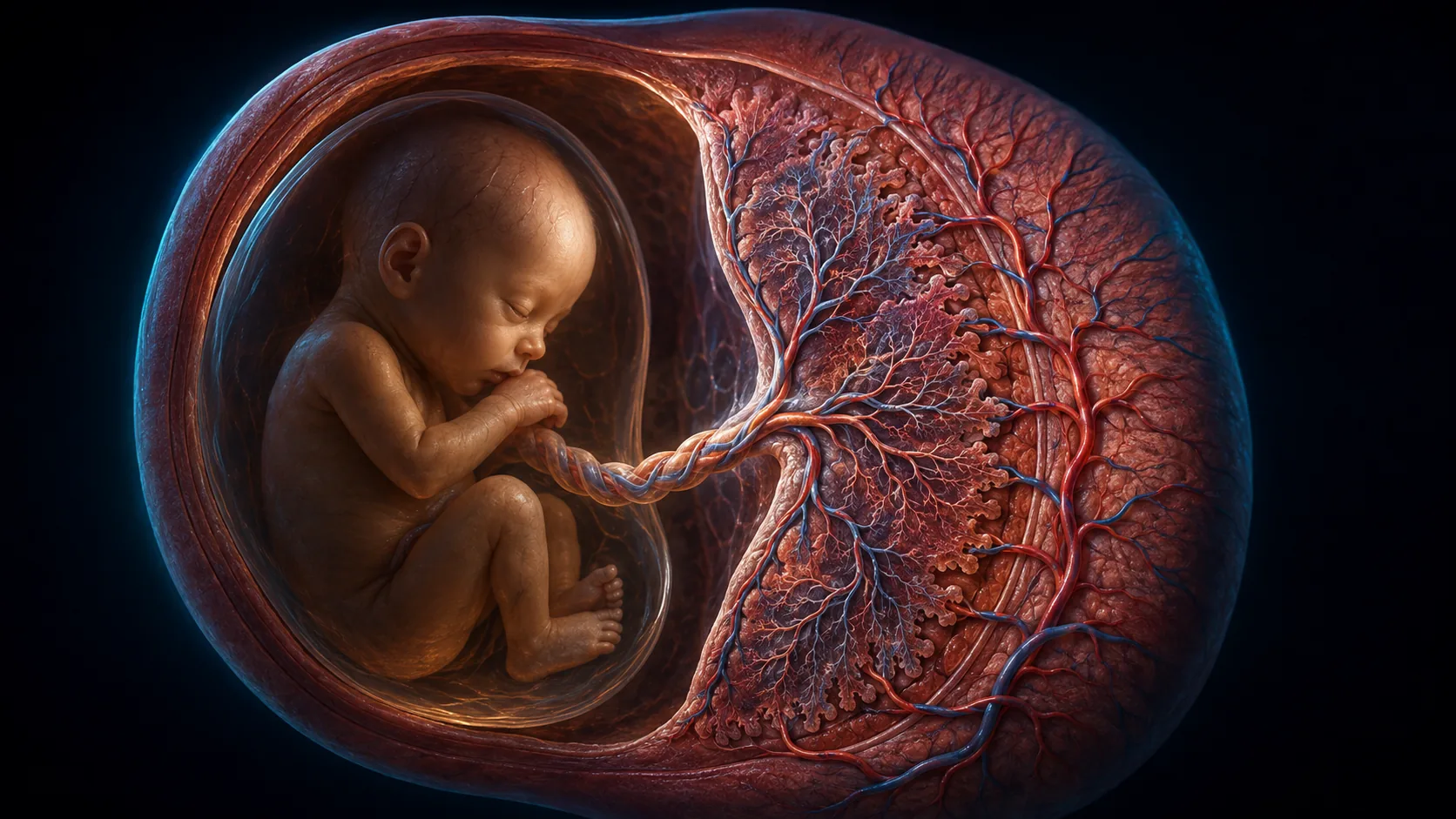
It is a temporary organ with two blood supplies, a vast exchange surface and a job no adult organ performs alone.
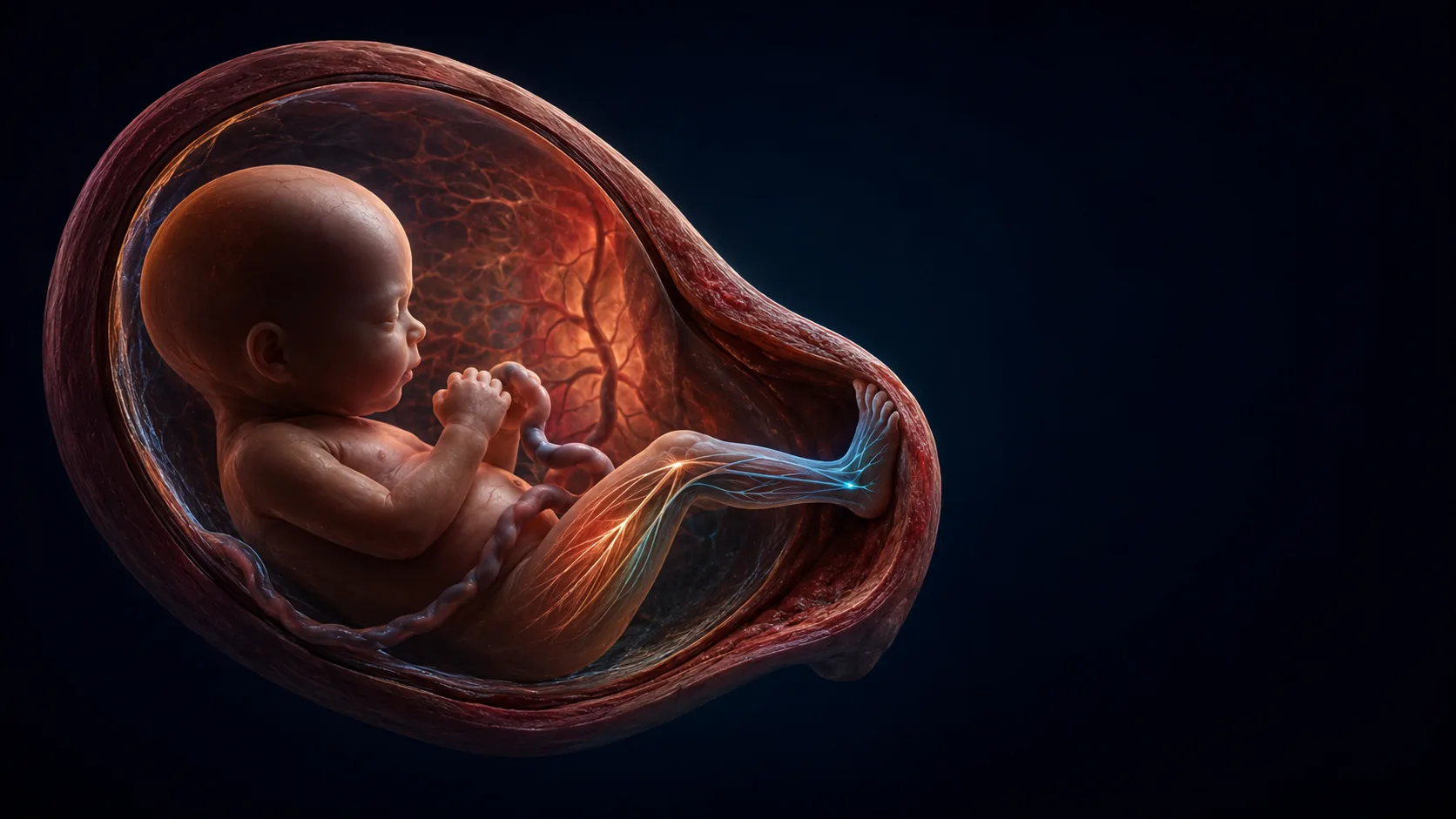
A kick is not random noise from the womb. It is a developing nervous system testing muscles, joints and space.
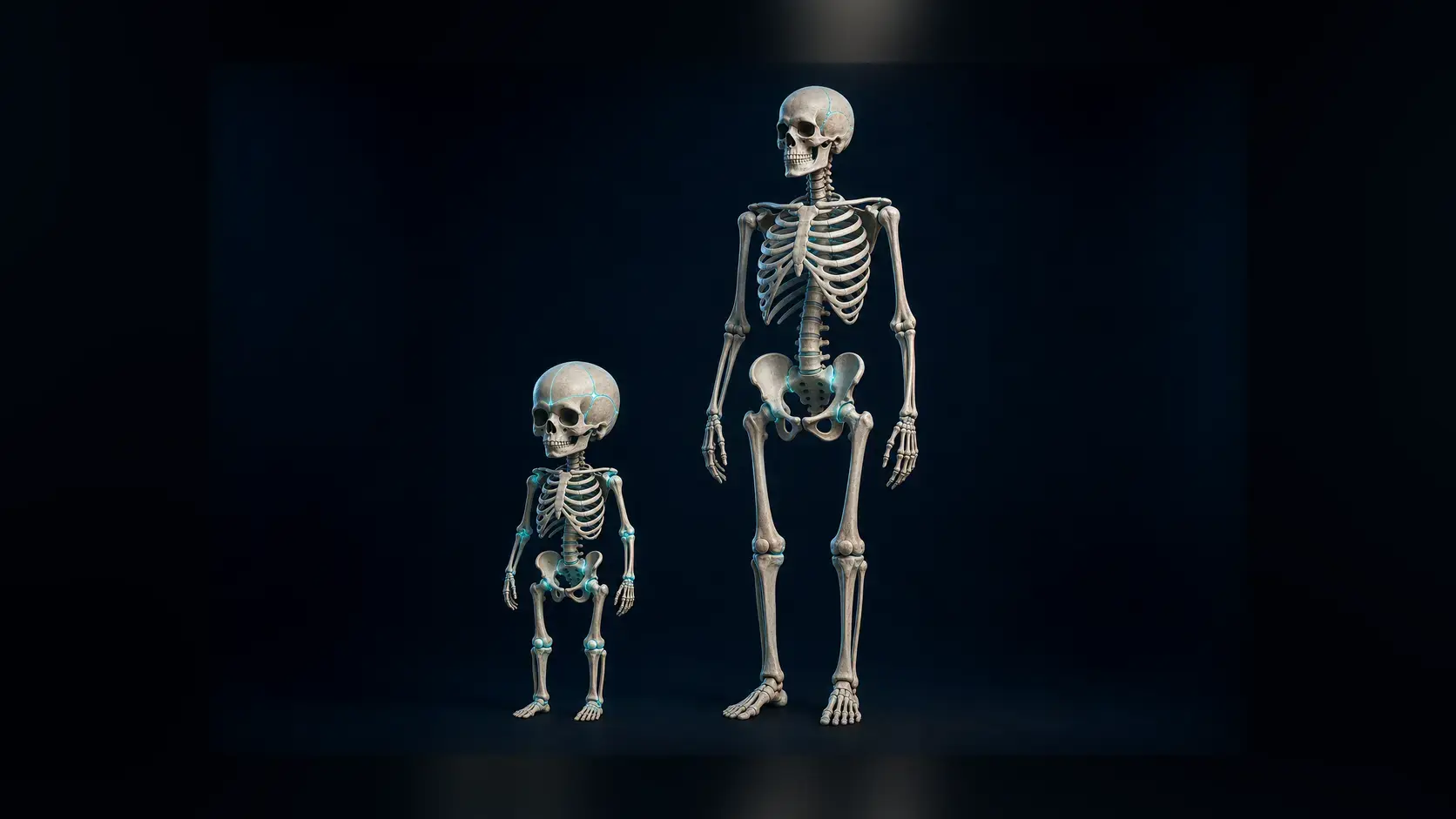
A newborn skull is not one solid shell. Its flexible seams solve two demanding problems: birth and exceptionally fast brain growth.
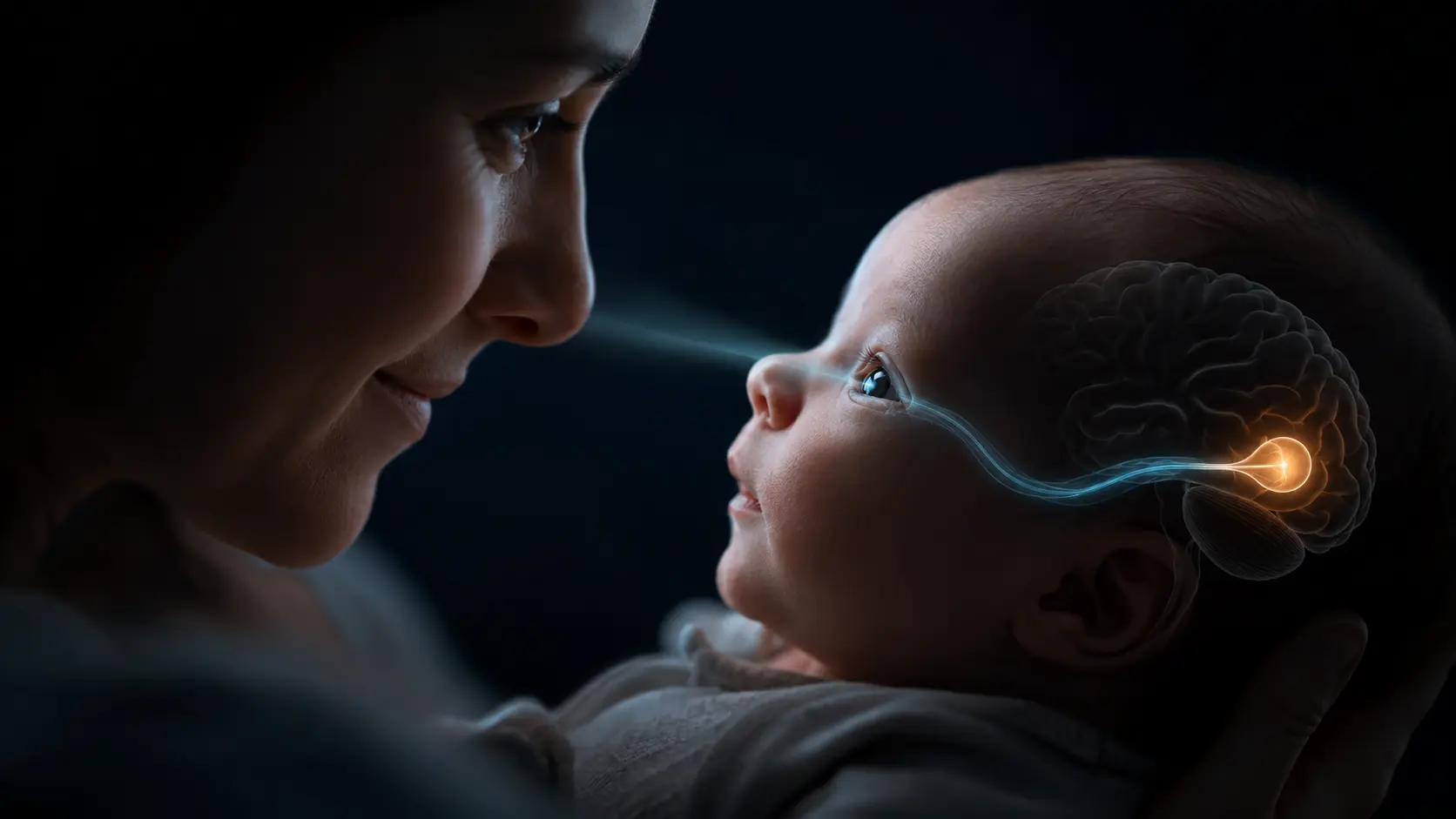
A newborn does not see a blank blur. The visual system is already working, then calibrates itself through months of growth and experience.

Late nights are not explained by phones or willpower alone. Adolescence changes the timing systems that decide when sleep feels possible.
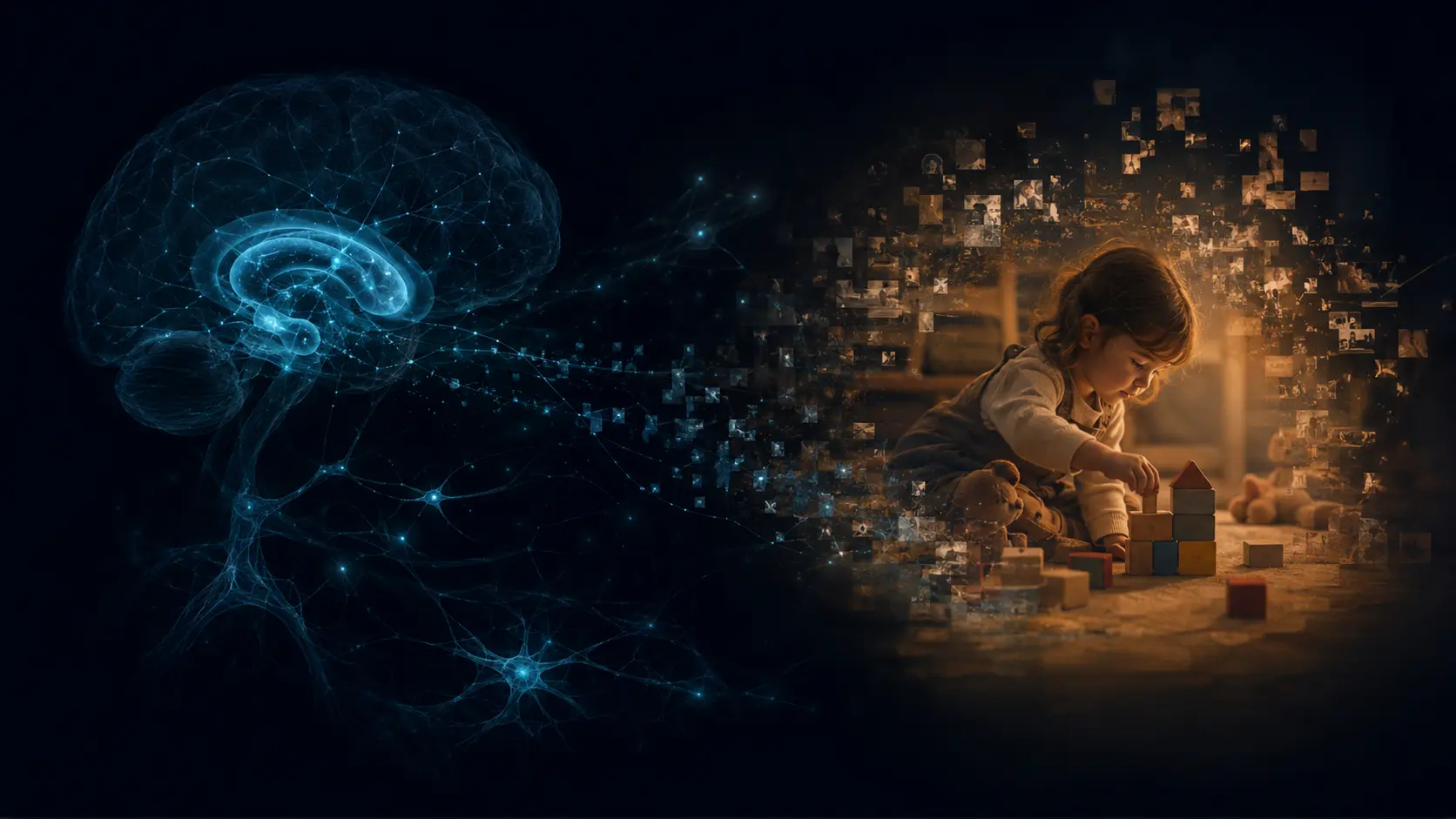
Babies learn constantly. What disappears is access to early autobiographical episodes in the form an older mind expects.
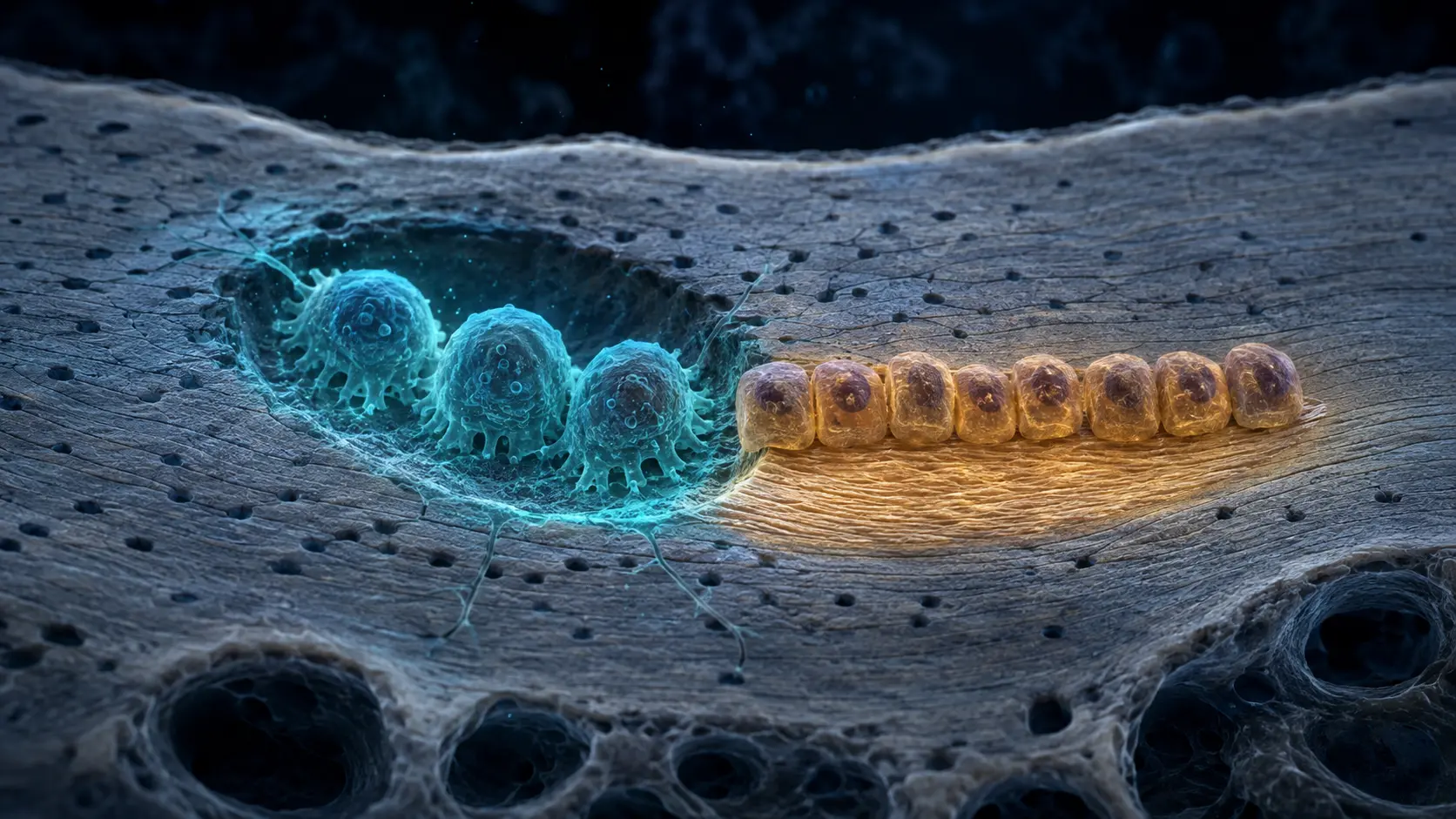
Your skeleton is permanent enough to hold your shape and alive enough to remove, rebuild and adapt its own material.
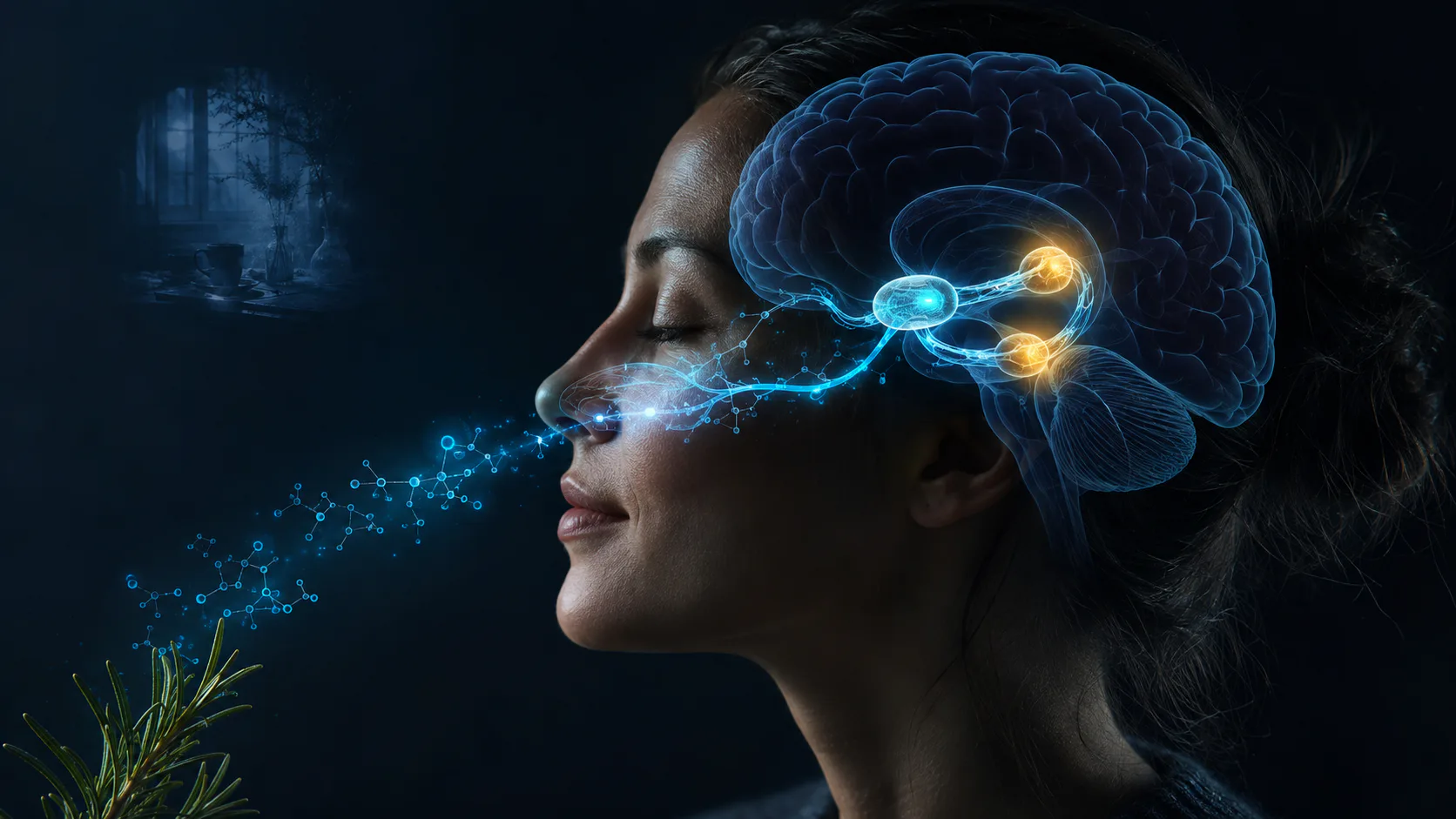
A trace of scent can retrieve a whole scene because smell enters networks where emotion, context and memory meet.
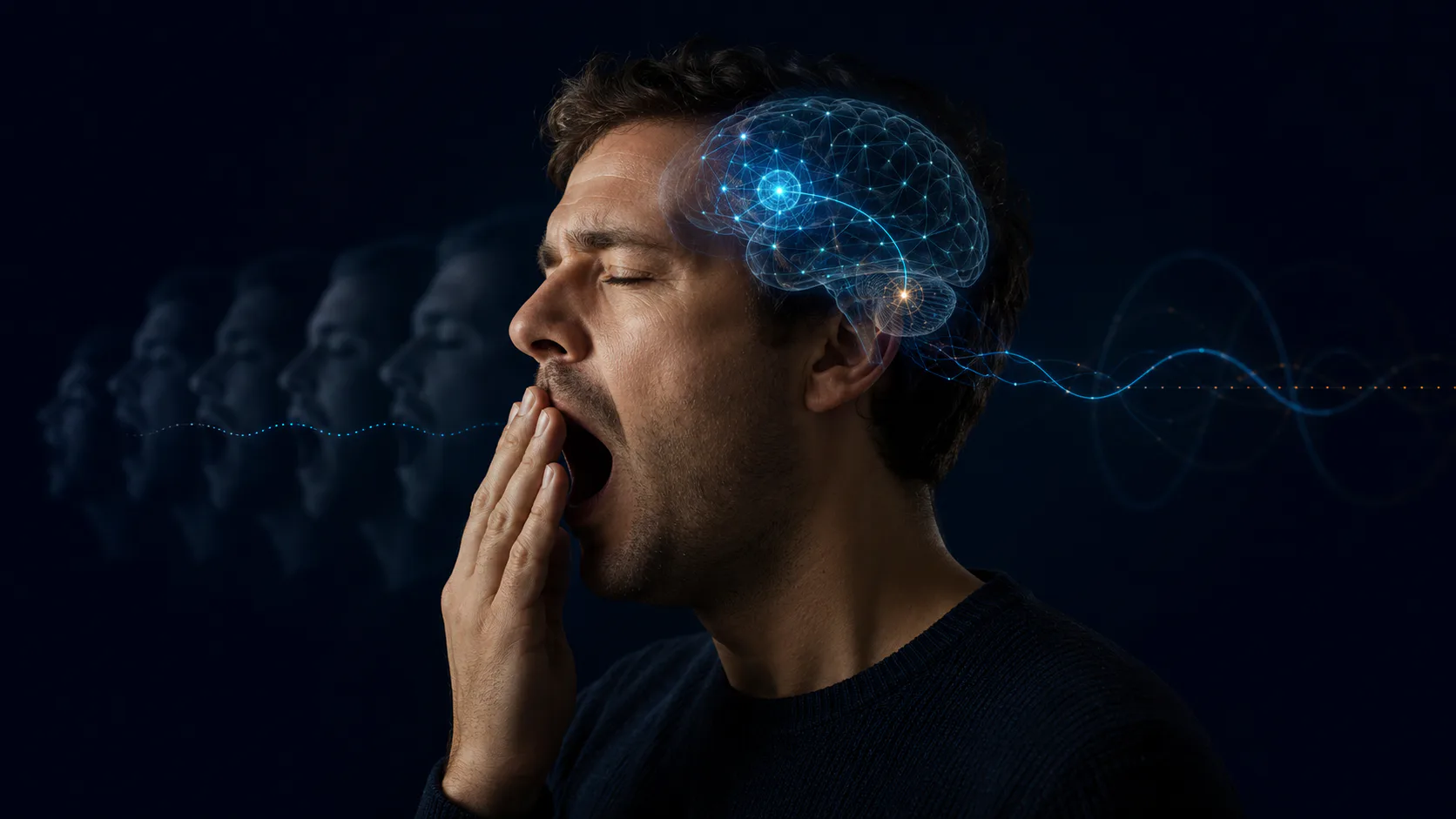
Seeing, hearing or even reading about a yawn can recruit the urge to copy it. The reason remains scientifically unsettled.
Human Development looks at the transitions that turn an infant skeleton into an adult one, reshape tissues through use and age, and alter how the brain and body respond to the world. The emphasis is on mechanisms that can be explained without treating normal variation as a problem.
Counts and timelines are not always identical from one reference to another because small bones can be classified differently and people mature at different rates. Where a familiar number is only an approximation, the story says so directly.