Biology
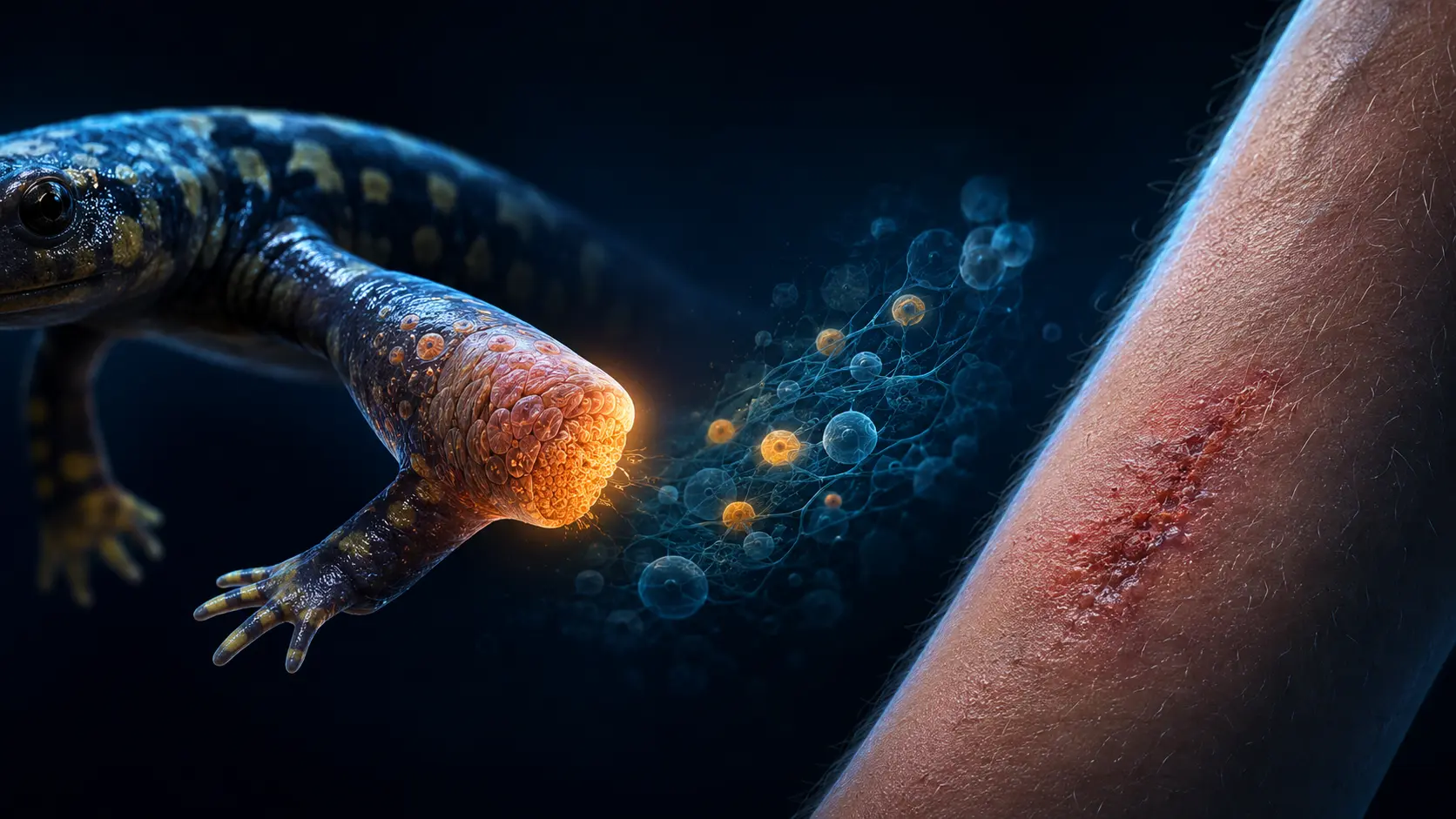
Why Can't Humans Regrow Limbs?
Healing seals damage. Regeneration must rebuild bone, muscle, nerves, vessels and skin in the right places—a much larger biological instruction set.
Go past the quick fact. These stories follow a question through anatomy, physiology and evidence until the mechanism becomes clear.
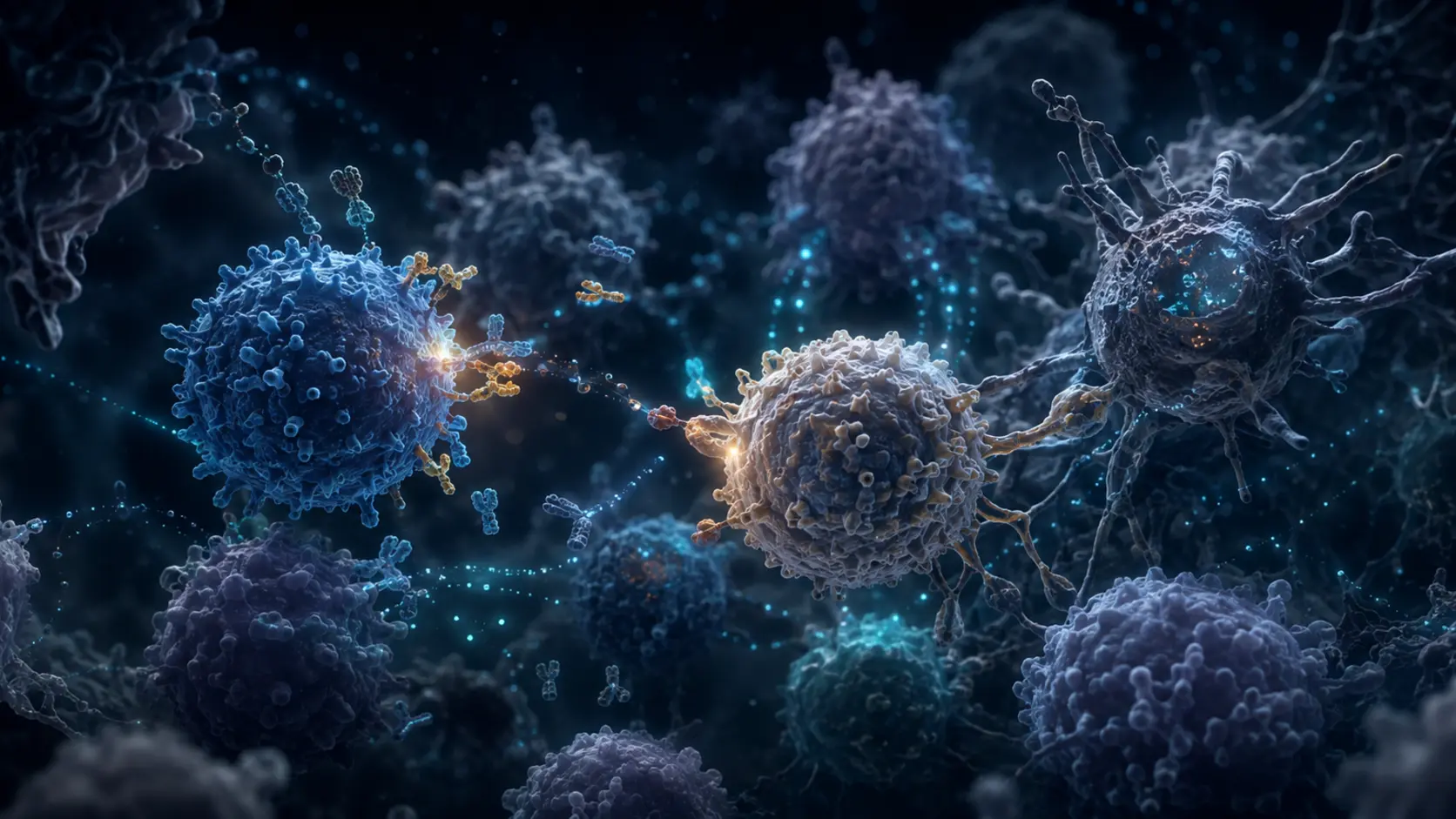 Featured · How Does the Immune System Remember a Virus? ↗
Each story links an everyday experience to the system that produces it, with evidence and uncertainty kept visible.
Healing seals damage. Regeneration must rebuild bone, muscle, nerves, vessels and skin in the right places—a much larger biological instruction set.
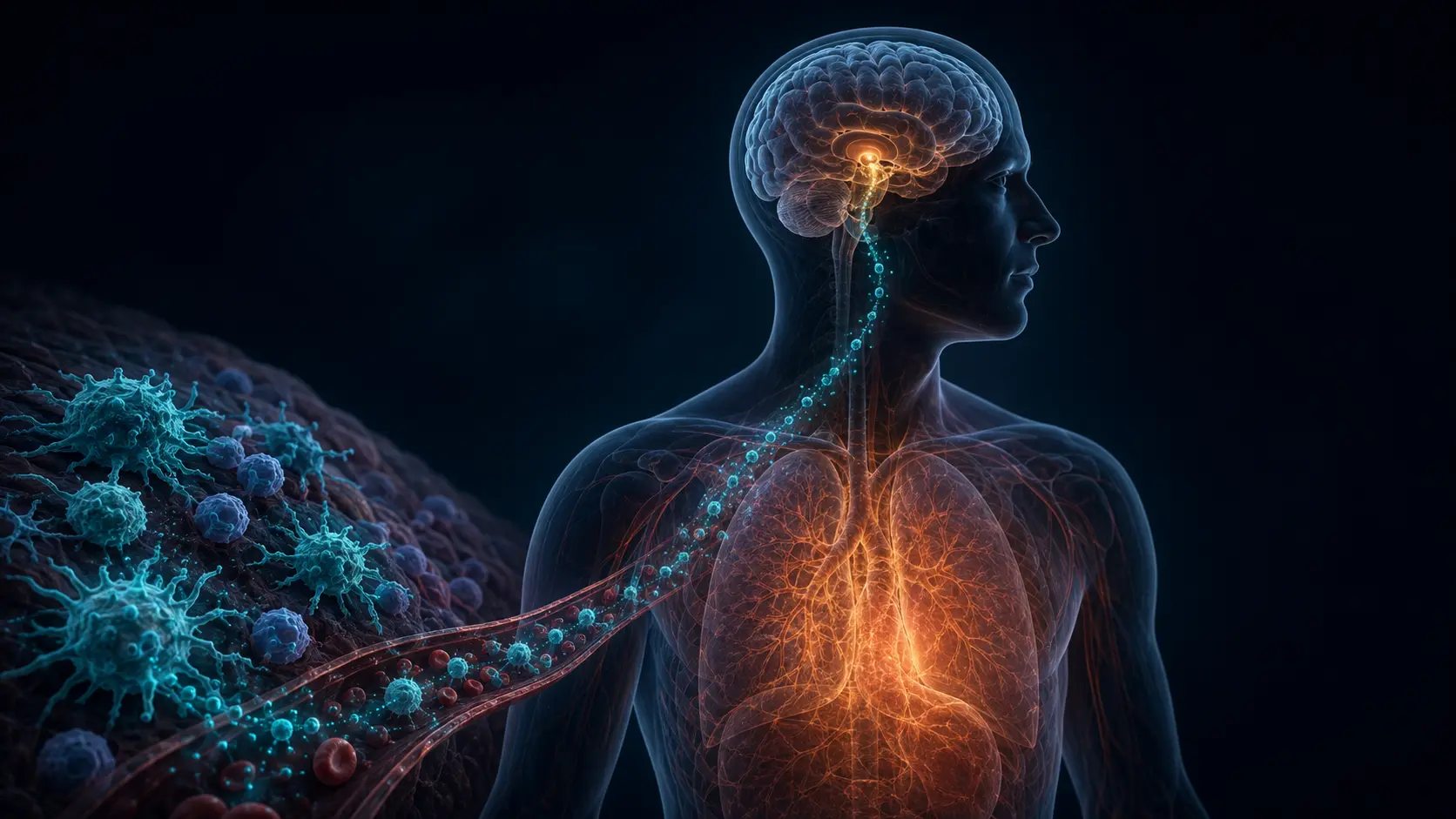
Fever is not the body losing control of temperature. It is the control system temporarily choosing a higher target.
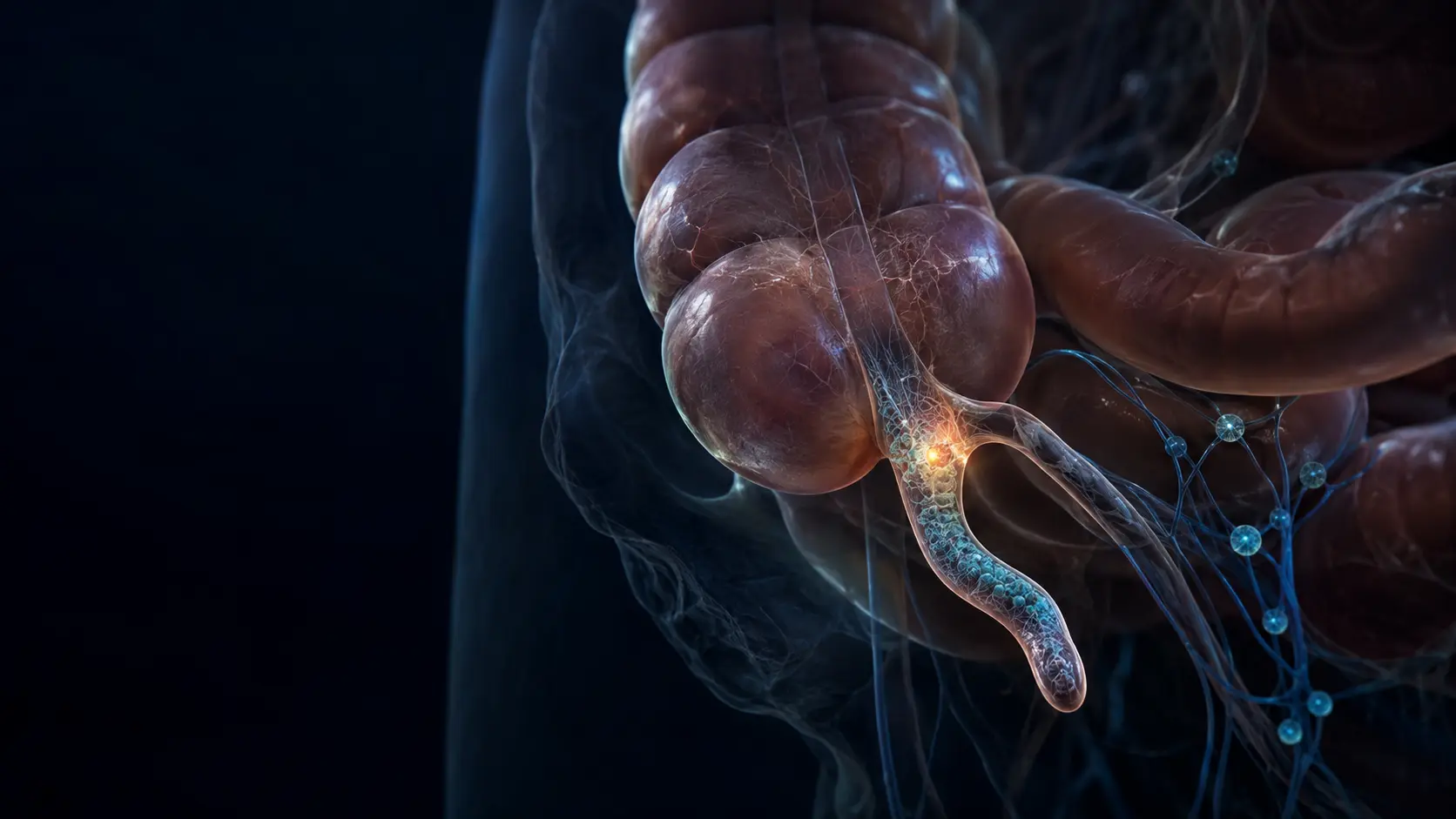
It is small and removable, but not blank. The appendix sits where immune tissue and the intestinal microbiome meet.

The moment feels remembered, but no memory arrives. Déjà vu may be the brain noticing that mismatch in real time.

Late nights are not explained by phones or willpower alone. Adolescence changes the timing systems that decide when sleep feels possible.
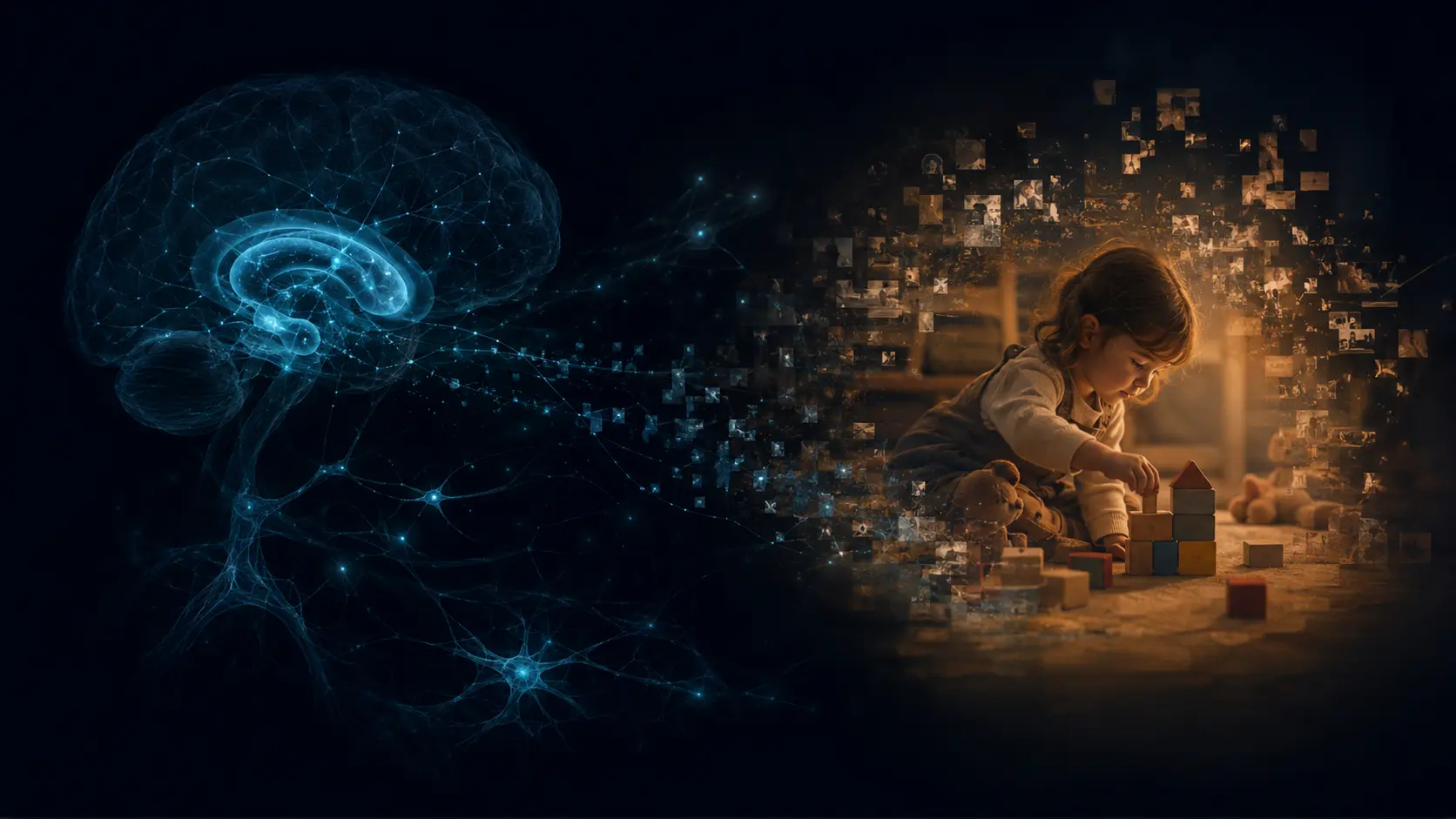
Babies learn constantly. What disappears is access to early autobiographical episodes in the form an older mind expects.
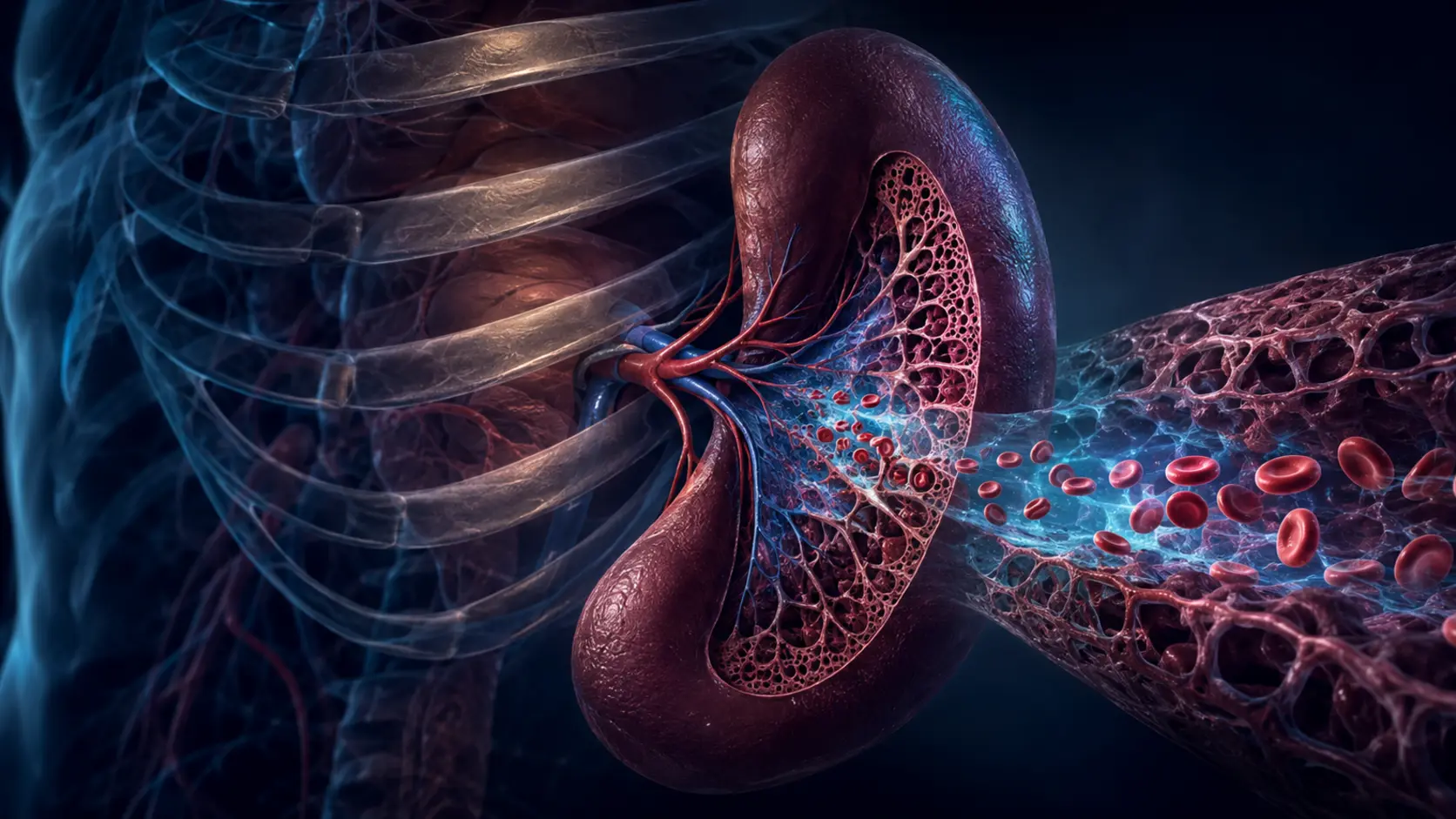
Behind your left ribs, one organ inspects blood, recycles old cells and helps catch threats before they spread.
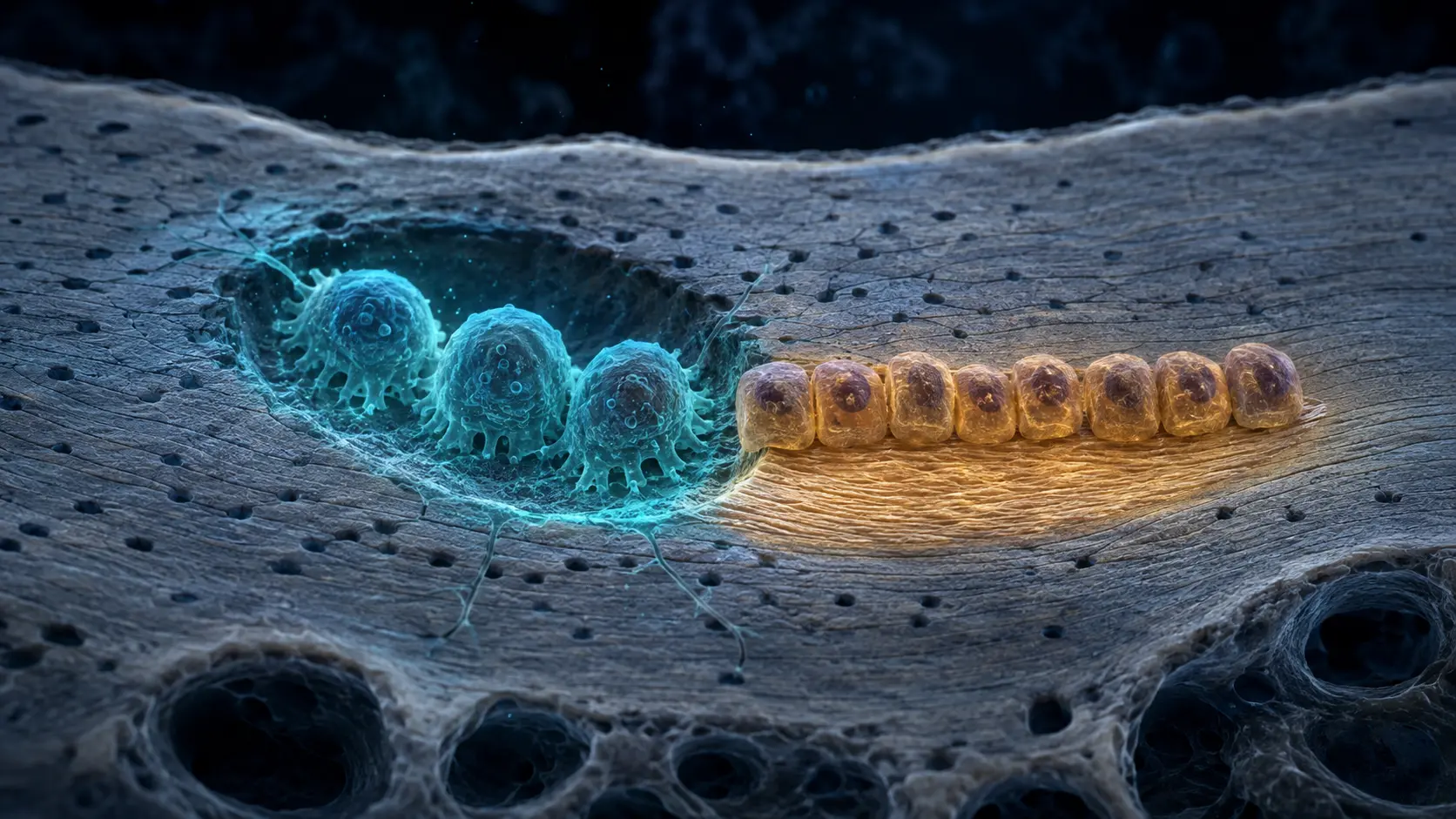
Your skeleton is permanent enough to hold your shape and alive enough to remove, rebuild and adapt its own material.
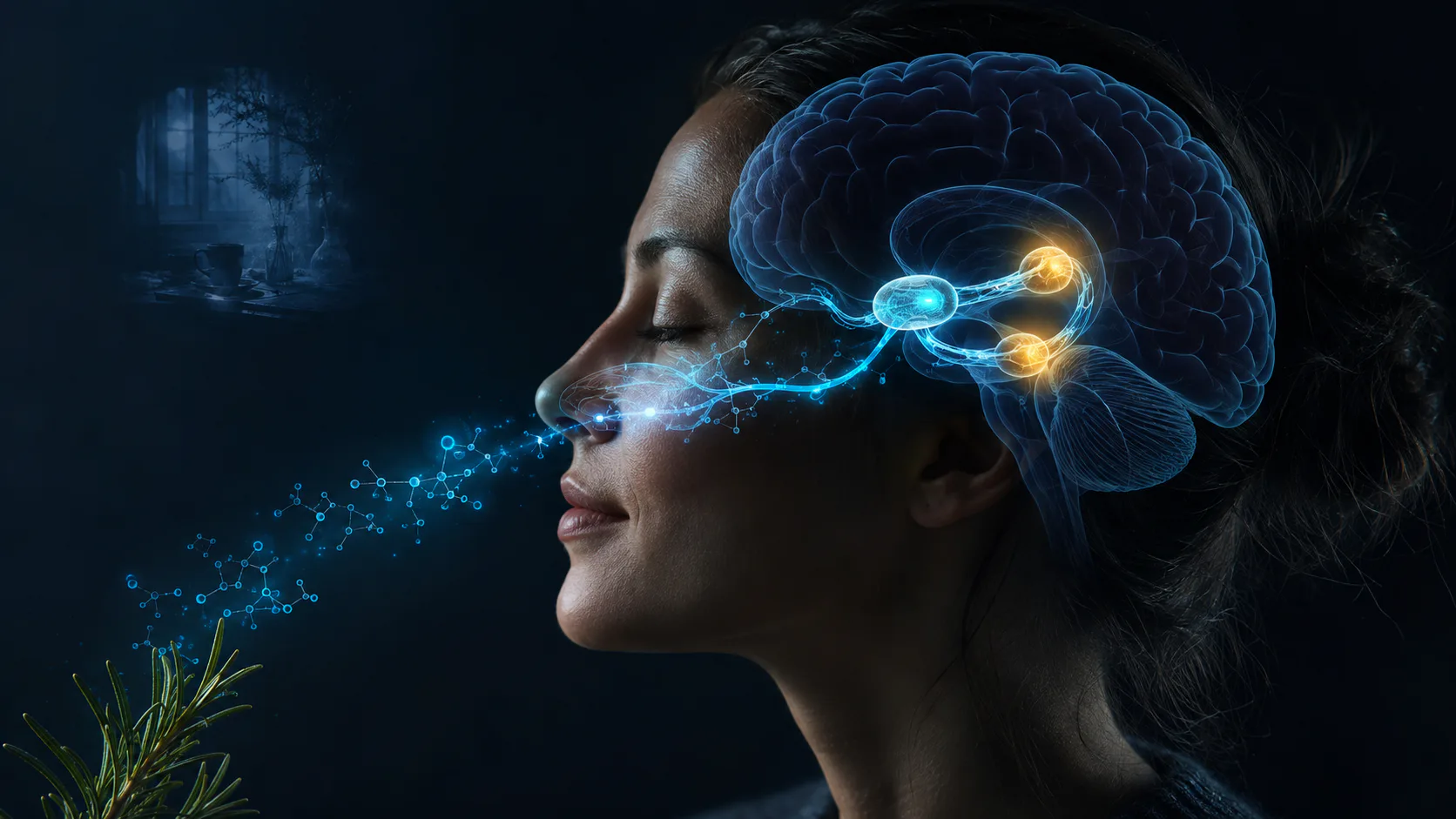
A trace of scent can retrieve a whole scene because smell enters networks where emotion, context and memory meet.
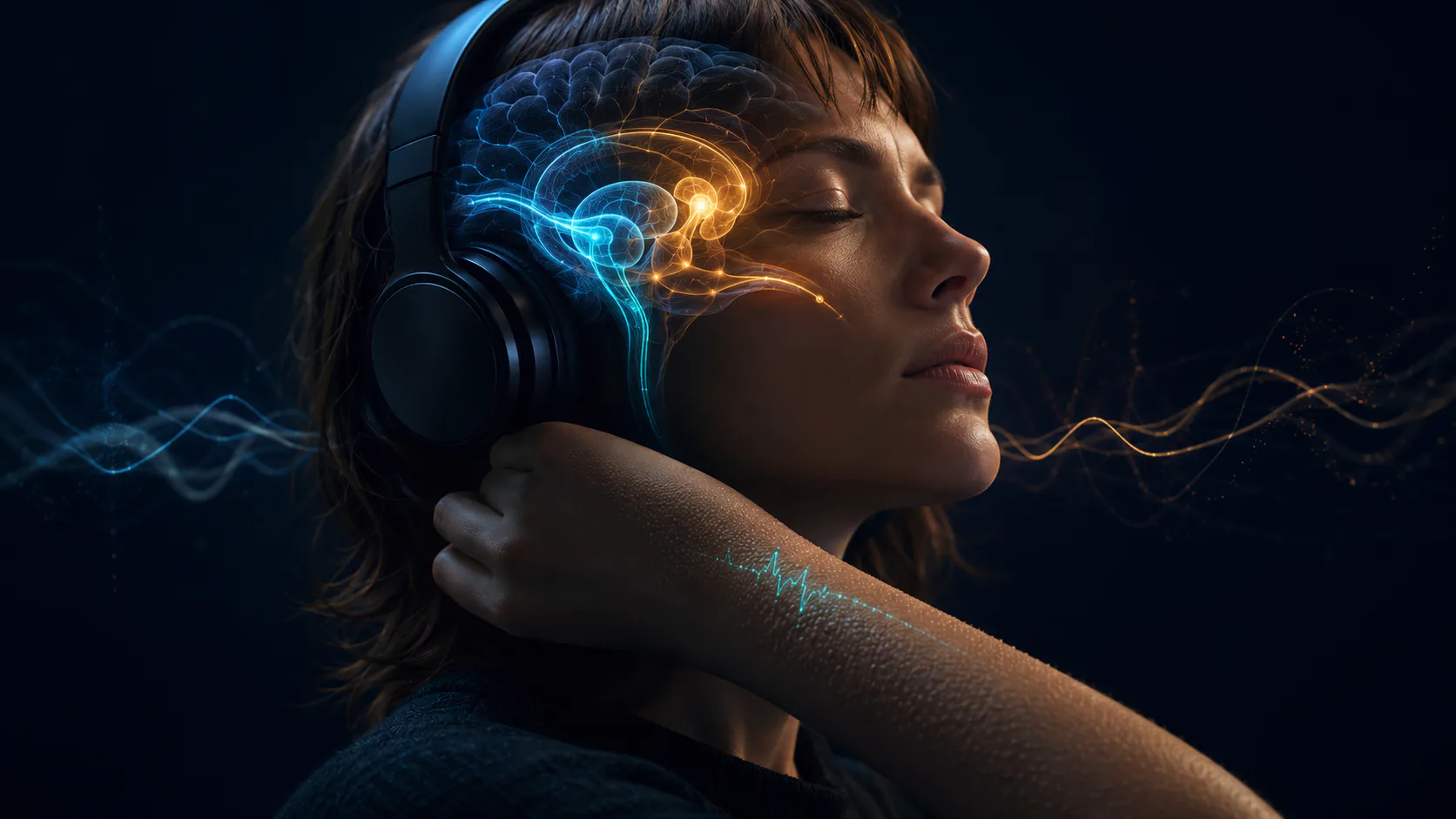
A musical expectation resolves, reward circuits respond, and the body marks the moment with a wave of autonomic arousal.
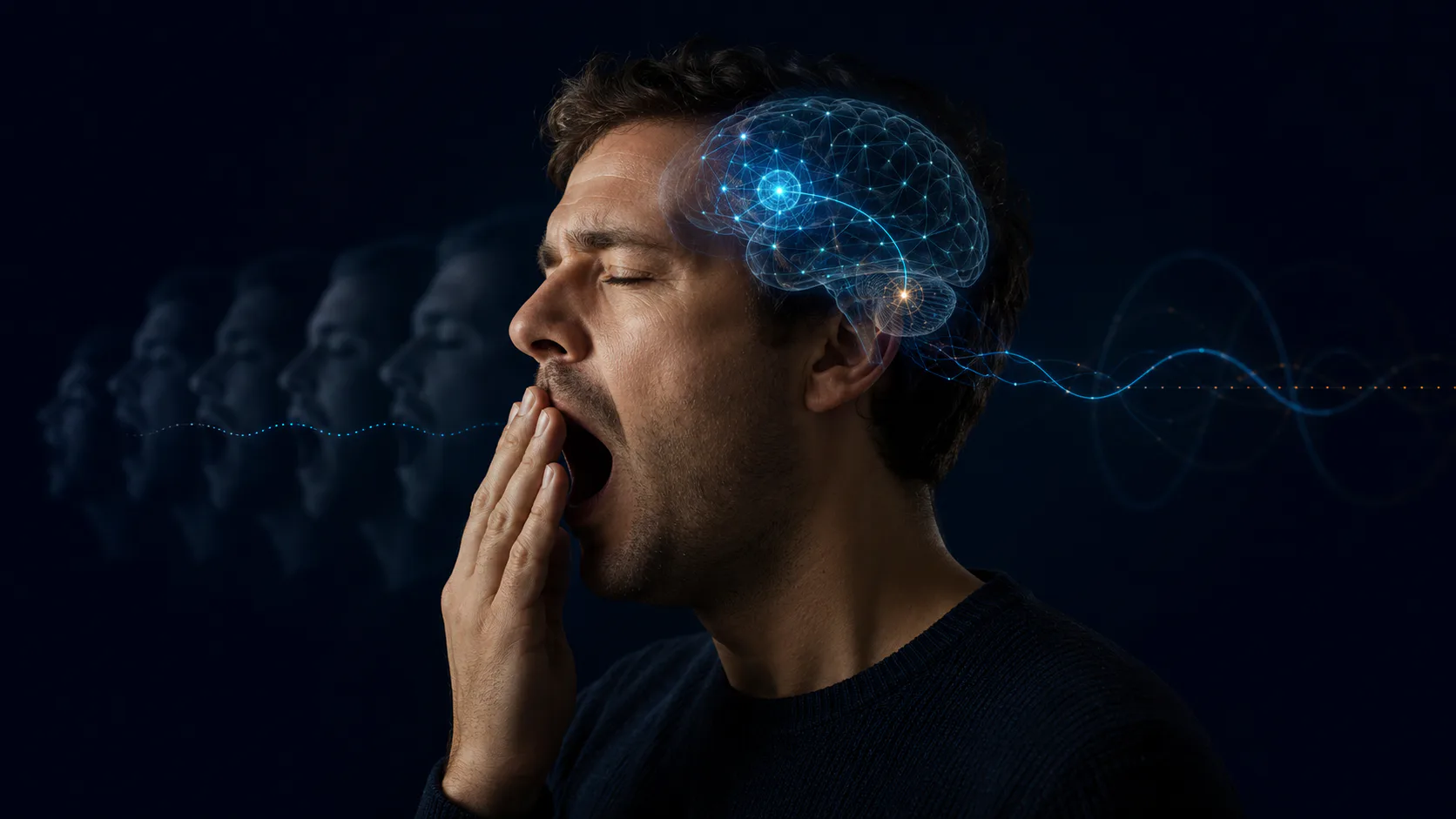
Seeing, hearing or even reading about a yawn can recruit the urge to copy it. The reason remains scientifically unsettled.
A Deep Structure deep dive answers the core question early, then separates the established mechanism from open questions and individual variation. Sources point to primary research or authoritative scientific reviews rather than copied summaries.
The collection spans the human body, brain, development and biology. The common thread is a mechanism worth following carefully—and an explanation that stays readable without flattening the science.
Use this collection when a short definition is not enough. Each article connects structures to processes, explains where a common shortcut becomes misleading and points toward related mechanisms across the archive. Health-related pages also distinguish general education from decisions that require individual medical care.