

Everyday Mysteries
Your Nose Quietly Switches Its More Open Side
The nose is rarely a perfectly balanced pair of tubes. Blood-rich tissue changes the available space on each side, often in an alternating pattern.
Why does a meal make your nose run? Why does a drop on a ride seem to move your stomach? Begin with the experience, then follow the biology and physics beneath it.
 Featured · Why Does Your Stomach Drop on a Roller Coaster? ↗
Each story links an everyday experience to the system that produces it, with evidence and uncertainty kept visible.
The nose is rarely a perfectly balanced pair of tubes. Blood-rich tissue changes the available space on each side, often in an alternating pattern.

The sharp pain that interrupts a run is common and usually brief. Its exact source remains debated, but the old diaphragm-cramp story is incomplete.
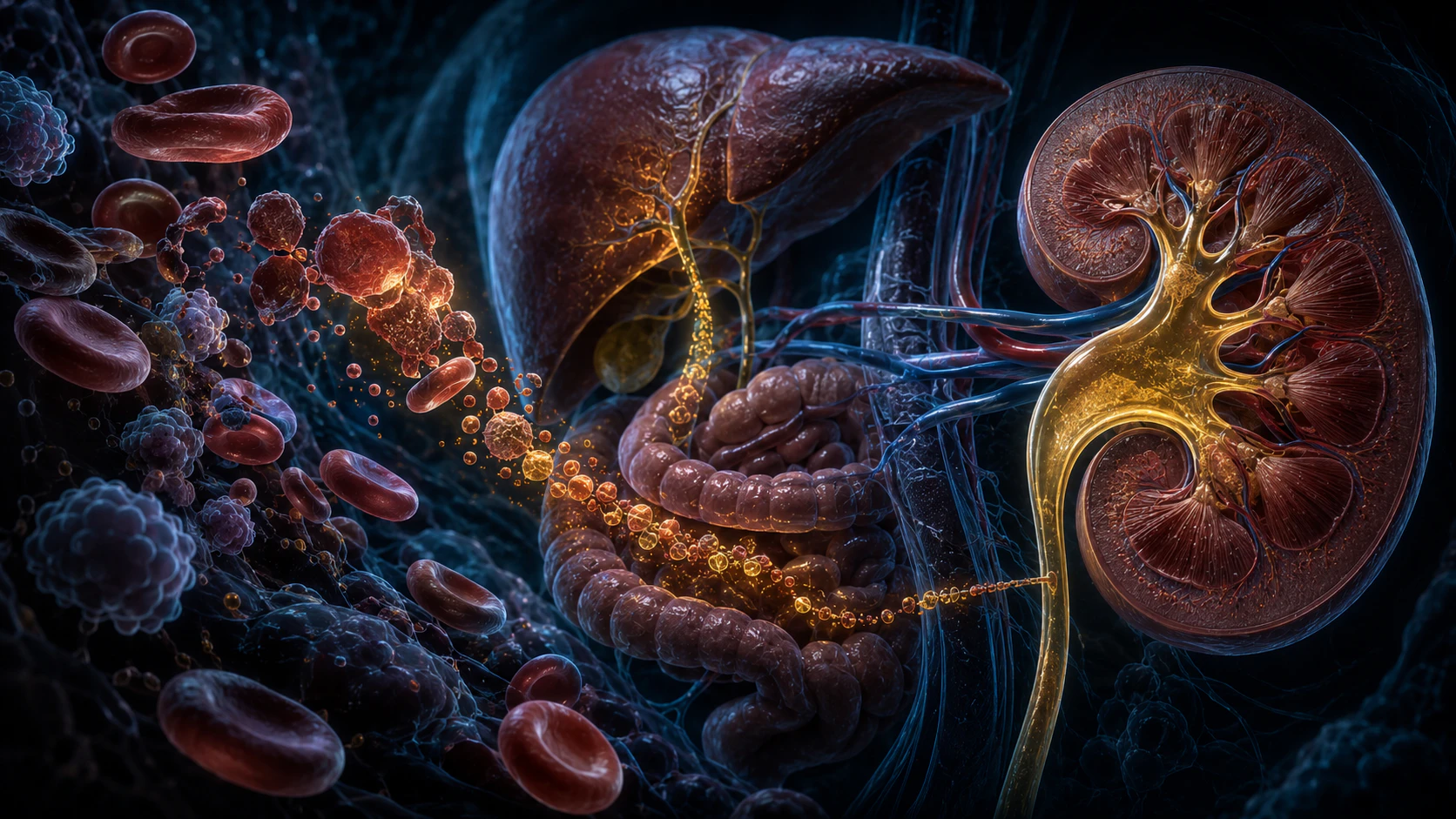
The familiar color begins in aging red blood cells, passes through gut microbes and ends as a diluted pigment filtered by the kidneys.
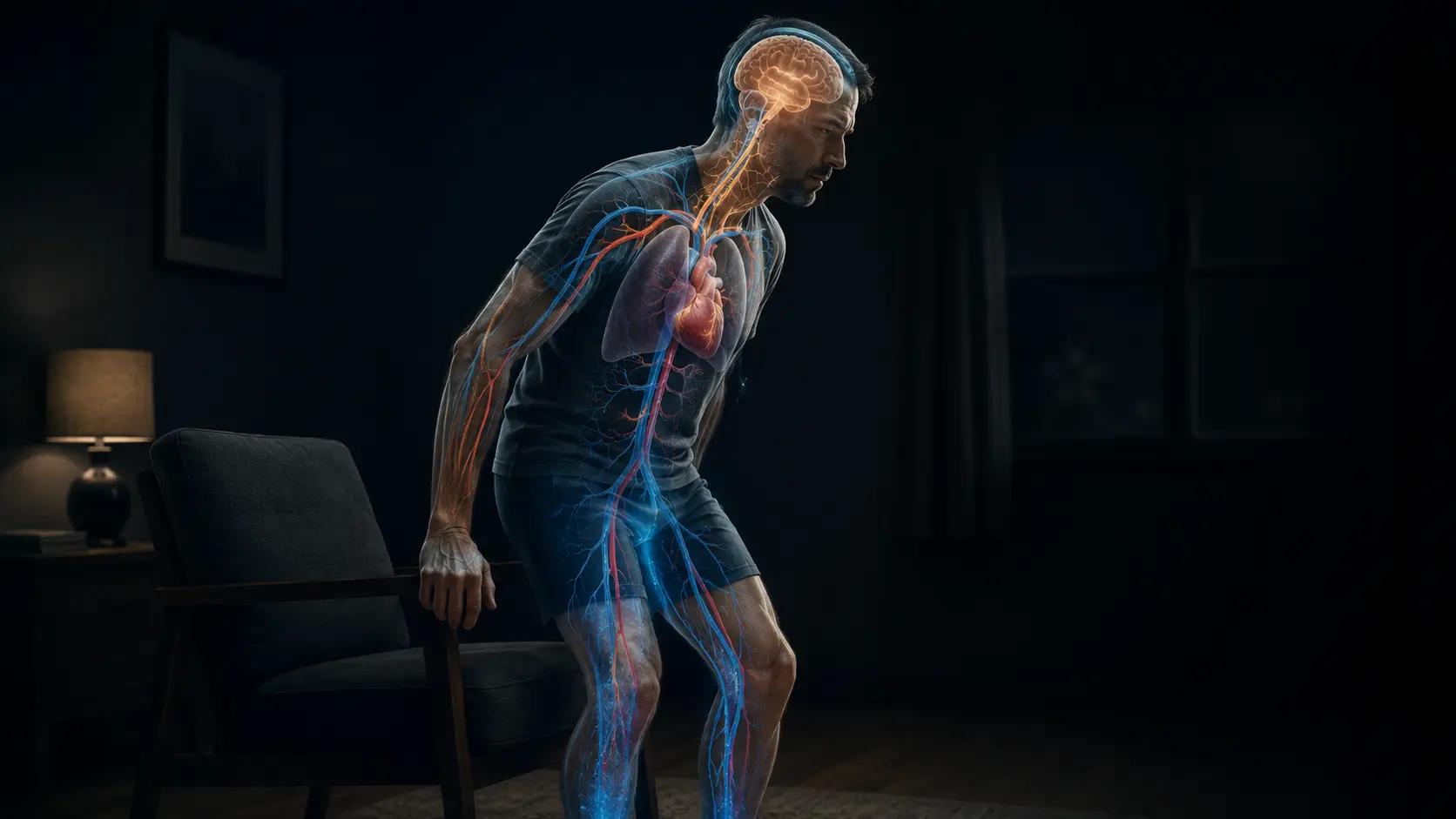
Gravity changes the circulation before the nervous system finishes correcting it. A head rush can occupy that brief gap.

Winter air reaches the lungs only after the nose warms and moistens it. The drip is a visible side effect of that conditioning system.

A meal can change physiology before it reaches the tongue. Salivary glands respond to sensory cues, memory and expectation.

Your eyes may say the cabin is still while your inner ear reports rolling. The brain treats that disagreement as a problem it cannot ignore.
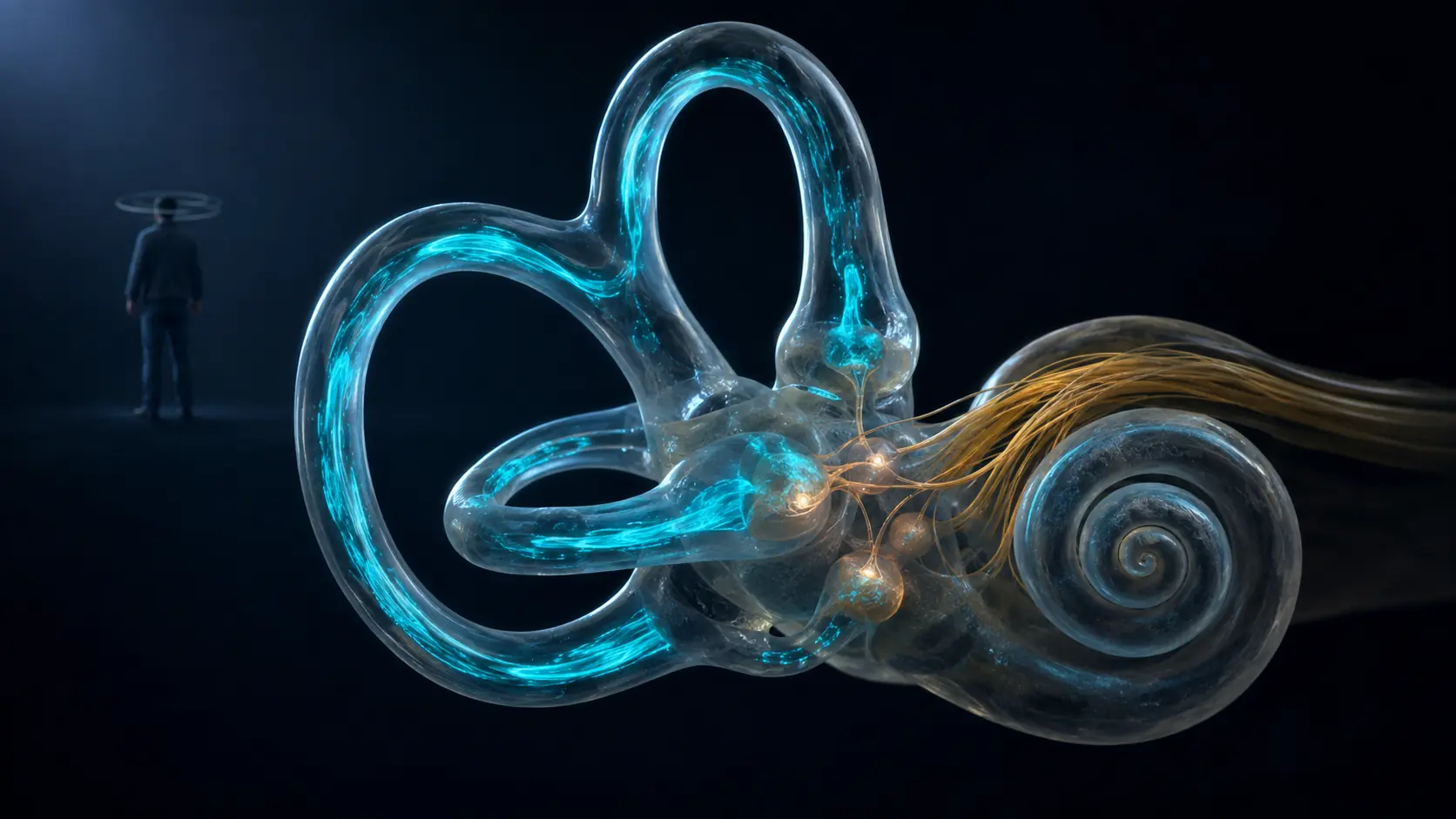
Your feet stop first. Fluid in the inner ear takes another moment—and the mismatch can make a still room seem to turn.

The ridges are not swollen skin. They are an active response controlled by your nervous system.

Chili heat is a chemical alarm. Your nose answers by turning on a fast, watery cleaning system.

The limb is not sleeping. Pressure has briefly distorted the electrical conversation between peripheral nerves and the brain.
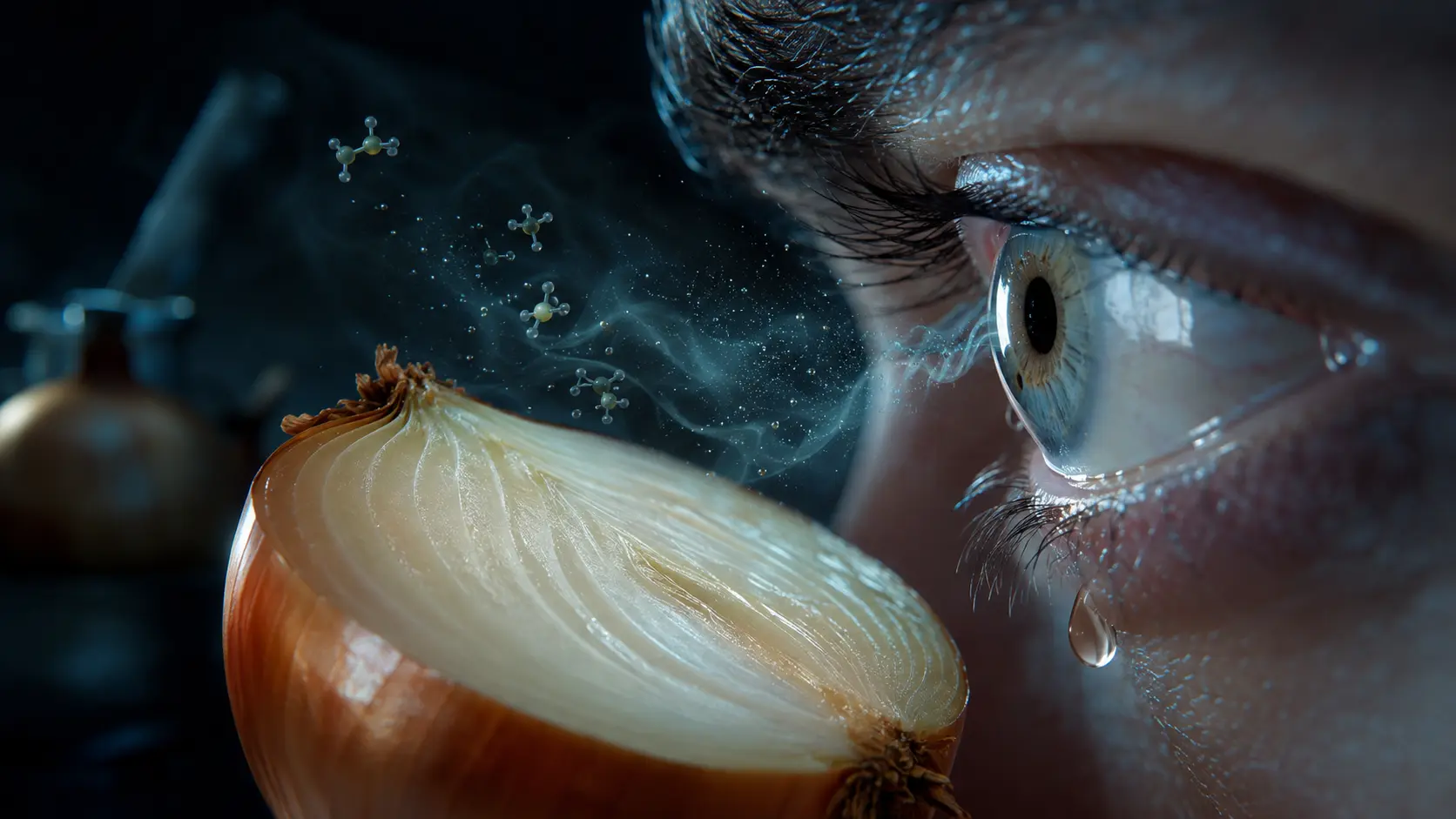
An onion turns tissue damage into airborne chemistry. Your tears are the eye's fast attempt to dilute the warning.

The pain feels deep in the forehead, but the trigger begins on the roof of the mouth where cold meets a densely wired sensory surface.

For some people, stepping into bright sun recruits a nasal defense reflex even when nothing has entered the nose.
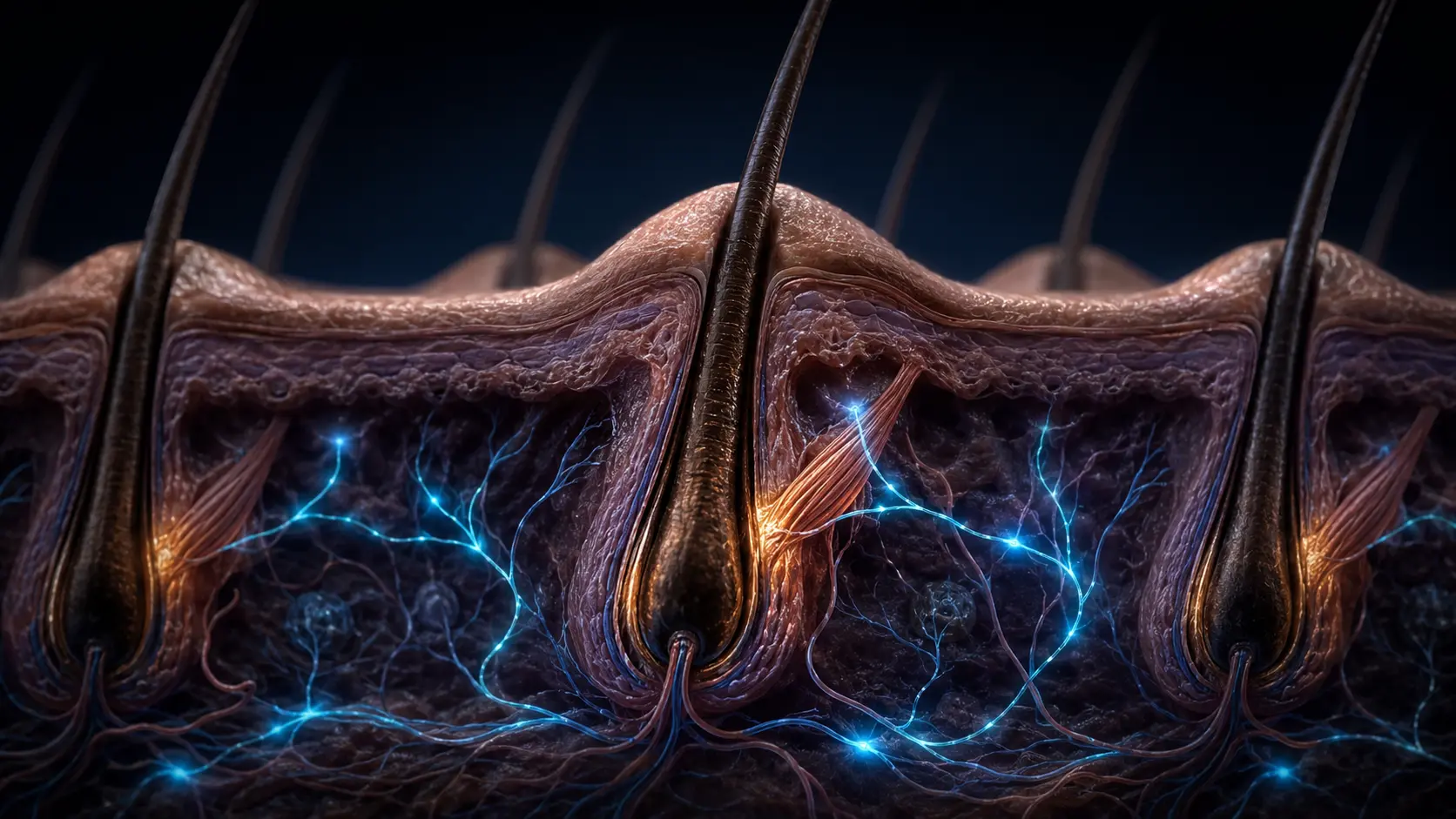
A chill reaches the skin, tiny muscles contract and thousands of hairs tilt upright. The bumps reveal an old reflex wired into every follicle.
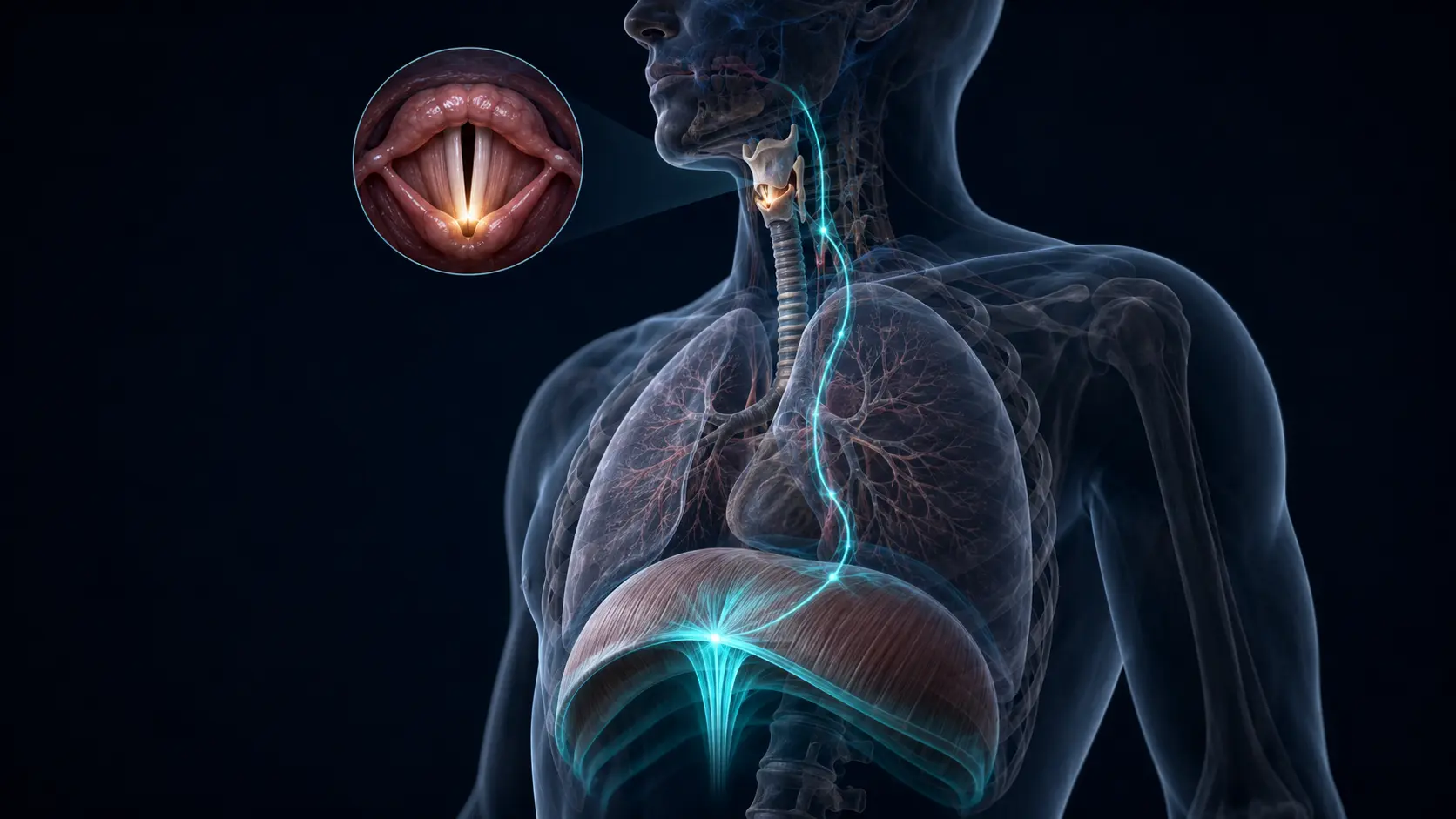
The sound comes last. First, a reflex jerks the breathing muscles; then the airway closes against the incoming air.
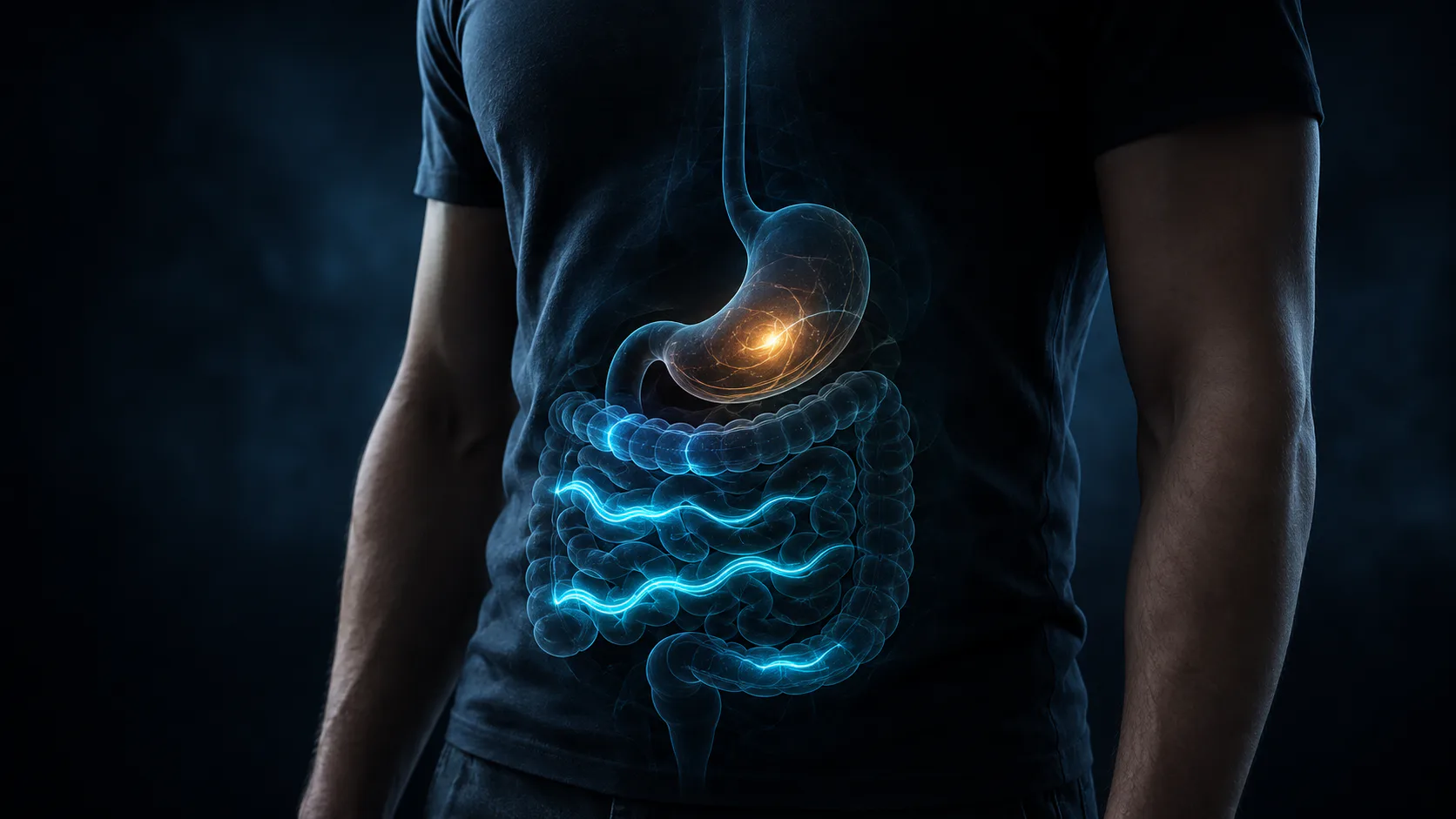
The sound is not your stomach asking for food. It is the noise of a digestive tract still moving between meals.

Cabin pressure changes faster than your middle ear can follow. The pop is the moment the two sides reconnect.

Embarrassment becomes visible when an involuntary autonomic response sends more warm blood through facial skin.

Excitement reaches the gut through autonomic signals that change movement, sensation and the rhythm of digestion.
Everyday Mysteries follows experiences that are easy to notice and surprisingly difficult to explain well. The collection moves through digestion, pressure, autonomic reflexes, temperature and perception without turning a familiar sensation into a diagnosis.
Some mechanisms are settled; others still have competing explanations. Each story separates what researchers can measure from what remains a plausible idea, and links back to the body or brain system doing the work.