Quick answer
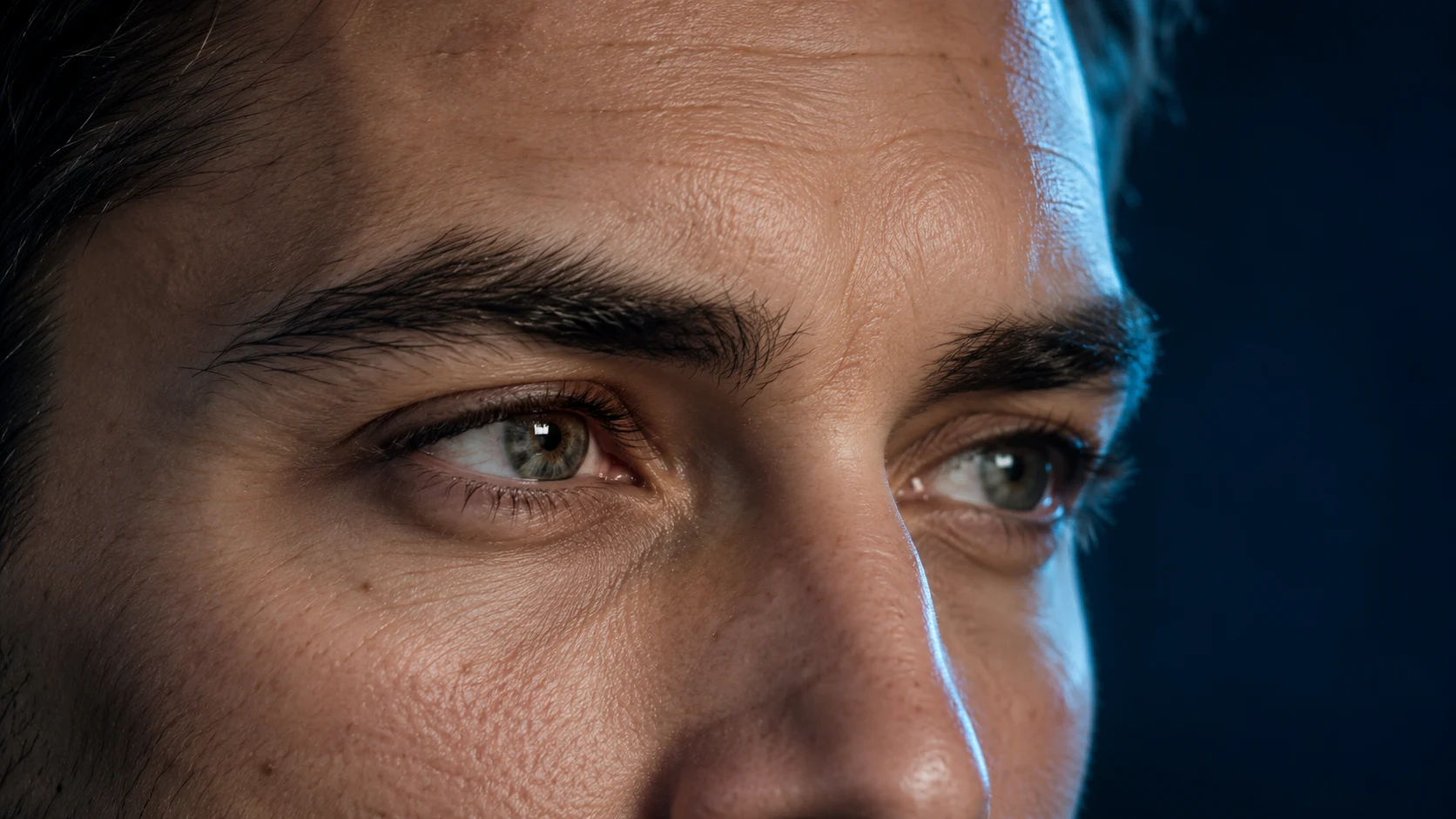
Eyebrows are believed to help channel sweat and rain around the eyes, while their movement makes facial expressions easier to see. Their shape also contributes to recognizing familiar faces. These functions involve both the hairs and the muscles beneath them; they do not establish a single proven reason why eyebrows evolved.
Picture someone you know raising one eyebrow. A tiny change above the eye can make the same face look curious or doubtful, even before a word is spoken. Now picture water running down that person's forehead: the same patch of hair has a very different physical job.
The useful way to understand eyebrows is to separate the hairs, the moving skin beneath them, and the observer reading the face. Protection and communication happen at different levels, and the evidence for each is different.
How eyebrows can direct moisture away from the eyes
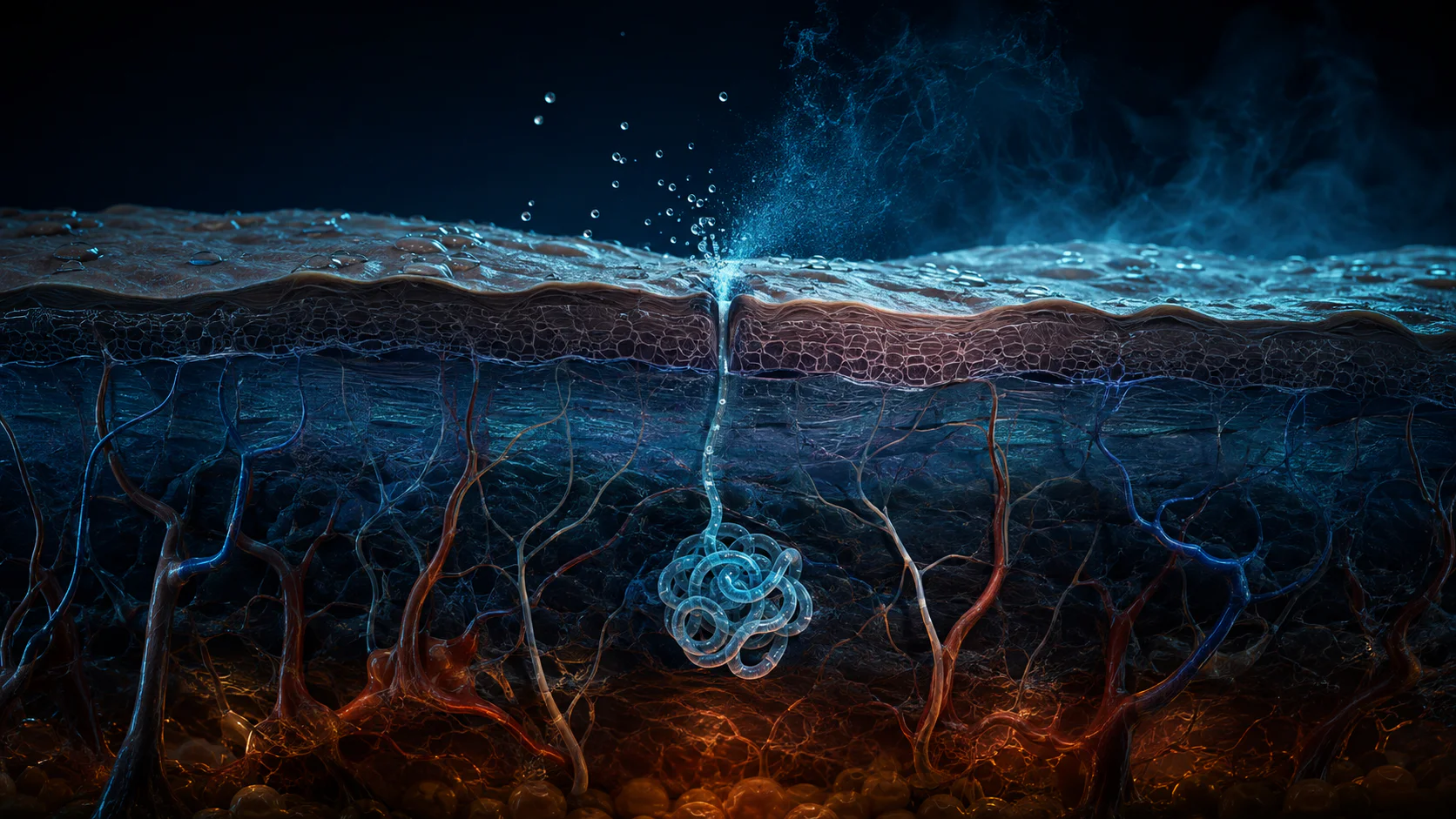
Ophthalmic explanations, including the Pepose Vision Institute's overview, describe eyebrow hairs as helping route unwanted moisture sideways. Their shape and direction can encourage sweat or rain to travel around the eye rather than straight down into it. That is a proposed protective function, not a waterproof seal.
Eyebrows cannot keep every drop out. A heavy flow can pass through or around the hairs. They also cannot replace the eyelid's direct protection of the eye surface. The distinction is location: eyebrow hairs can influence moisture before it reaches the eye, while eyelids close over the eye itself.
The hairs do not move themselves
Brow movement comes from muscles acting on the skin. The frontalis muscle raises the eyebrows. Muscles including the corrugator supercilii, procerus and orbicularis oculi act against that lifting movement. Their balance helps determine brow position and shape, as described in the StatPearls anatomy reference.
Because these muscles connect with the skin, their action changes a visible outline rather than simply moving a bone. Raising the brow also changes the forehead's folds. Drawing the brows together alters the area above the nose. The hair makes those changes easy to notice.
An expression is still a whole-face event. Brow position is read alongside the eyes, mouth and situation. One raised eyebrow does not provide a reliable diagnosis of a person's feelings; the same movement can serve different purposes in different interactions.
Why eyebrows matter when we recognize a face
In a 2003 study, Javid Sadr, Izzat Jarudi and Pawan Sinha examined how removing facial features affected recognition of familiar faces. Removing eyebrows disrupted recognition substantially; in that experiment, it caused a larger decrease than removing the eyes. The result supports an important role for brows in identity recognition.
That does not mean eyebrows always matter more than eyes, or that they identify a person on their own. The conclusion belongs to a particular image-manipulation experiment with familiar faces. Real encounters include movement, voice and many other cues. Its useful lesson is narrower: a feature that looks decorative can carry recognizable information.
A useful function is not proof of an evolutionary origin
The question 'What do eyebrows do?' can be answered by studying moisture, anatomy and perception today. The question 'Why did humans retain them?' asks about evolutionary history. Showing that a feature is useful now does not, by itself, establish which historical pressures produced it.
It is therefore better to describe protection and communication as functions than to say eyebrows evolved specifically to stop sweat or to signal one emotion. Several functions may coexist. A neat single-purpose story is simpler than the evidence allows.
Eyebrows and eyelashes occupy different positions
Eyebrows lie above the eye; eyelashes grow along the eyelid margins. Ophthalmic references describe eyelashes as helping intercept material near the eye and contributing to protective blinking when their sensitive surroundings are disturbed. That immediate eye-edge protection differs from moisture routing above the eye.
Neither feature works alone. Hair, skin, eyelids, tears and facial movement form a connected system. Keeping their roles separate explains why having eyebrows does not remove the need to blink, and why a familiar face can remain expressive even when its hairs are sparse.
Two routes from anatomy to function
In the physical route, moisture encounters the hairs above the eye and may be directed around it. In the communication route, muscles move the brow's visible outline and another person interprets that change in context.
The ophthalmic overview of eyebrows and eyelashes describes moisture routing as a believed function, without a measured protection percentage.
The frontalis anatomy reference explains how opposing muscles determine brow position.
The original familiar-face recognition study supports a role in recognition, not a universal ranking of facial features.
Why it matters
Eyebrows connect a surface feature with perception. Understanding them requires both facial anatomy and evidence about how people recognize one another, rather than a single claim about decoration or survival.
Eyebrows help protect the eyes and make faces readable.
Their hairs can redirect moisture, their muscles shape expression, and their outline contributes to recognition. These functions do not prove one evolutionary origin.
Research behind this story
We link to the primary study or an authoritative indexed review wherever possible. Caveats in the text reflect the limits of that evidence.
01