Quick answer
Vaccines train the immune system by exposing it to a harmless form, component or genetic blueprint of a pathogen antigen. Innate immune cells detect the vaccine and carry antigen information to lymph nodes. Helper T cells coordinate the response; B cells can become antibody-secreting plasma cells and memory B cells, while some vaccines also generate strong cytotoxic and memory T-cell responses. After the initial response contracts, long-lived cells and antibodies can remain. If the real pathogen arrives, recognition begins faster and at greater scale, reducing the chance of infection or, more commonly, severe disease. Protection is specific, varies by vaccine and can weaken or be bypassed as pathogens change.
The immune system can remember a pathogen, but natural infection charges a potentially high price for that lesson. Vaccination changes the sequence: it presents an antigen—or instructions for making one—in a controlled form so adaptive immunity can practice recognition before the dangerous encounter.
Training is a useful metaphor, not a literal muscle workout. Vaccines activate innate sensors, antigen-presenting cells, B cells and T cells in a coordinated response. The details differ by vaccine platform and pathogen, which is why some vaccines need multiple doses or periodic updates while others protect for decades.
A vaccine supplies the target without the full disease
The immune system recognizes molecular shapes called antigens. Depending on the product, a vaccine may contain a weakened organism, an inactivated organism, purified proteins or sugars, a viral vector, or genetic instructions that let cells briefly make an antigen.
None of those categories means risk-free, but licensed vaccines are designed and tested so the immune lesson is safer than the disease they prevent. They do not all work identically, and statements about one platform should not be generalized to every vaccine.
Some formulations include an adjuvant. Adjuvants stimulate early danger-sensing pathways and help antigen-presenting cells build a stronger or more durable adaptive response. They do not tell antibodies what to recognize; the antigen provides that specificity.
The decisive lesson is organized in lymph nodes
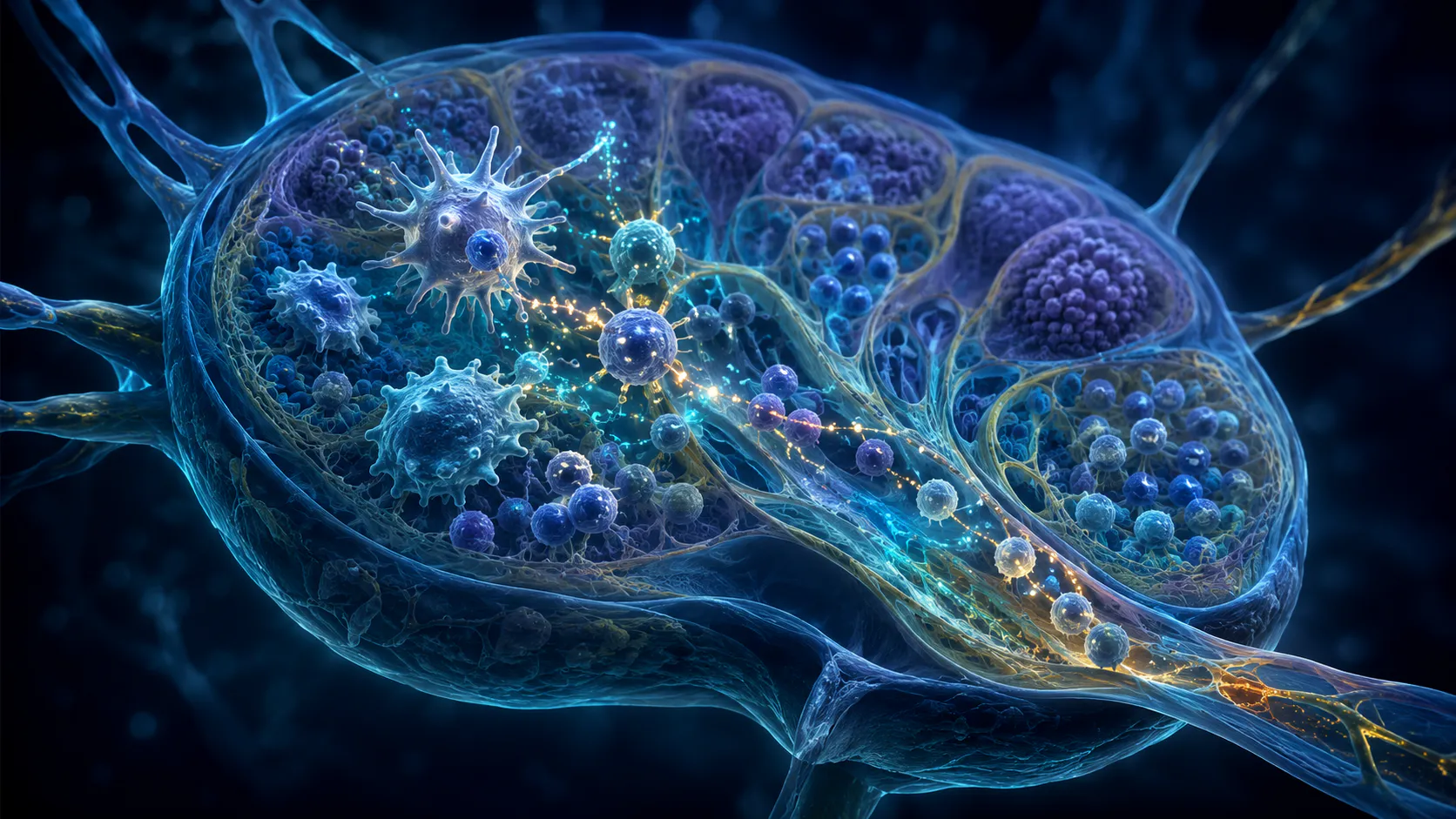
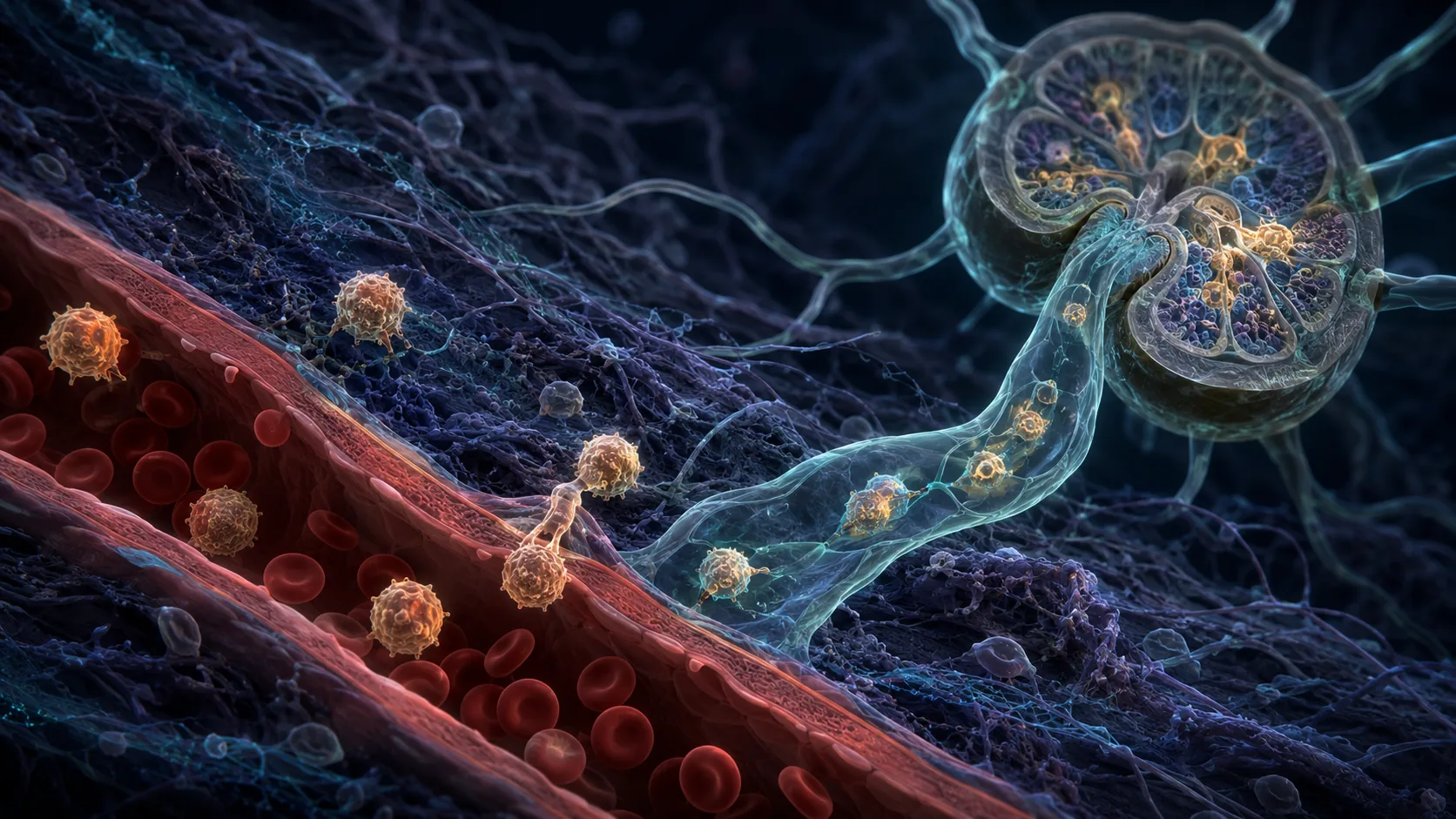
Dendritic cells and other antigen-presenting cells take up vaccine material, process it and display fragments on their surface. They travel or signal within draining lymph nodes, where rare T cells with matching receptors can be activated.
Helper T cells support B cells that recognize the same antigen. Inside germinal centers, selected B-cell clones proliferate and refine their antibodies through mutation and competition. Some become plasma cells that secrete large quantities of antibody; others become memory B cells.
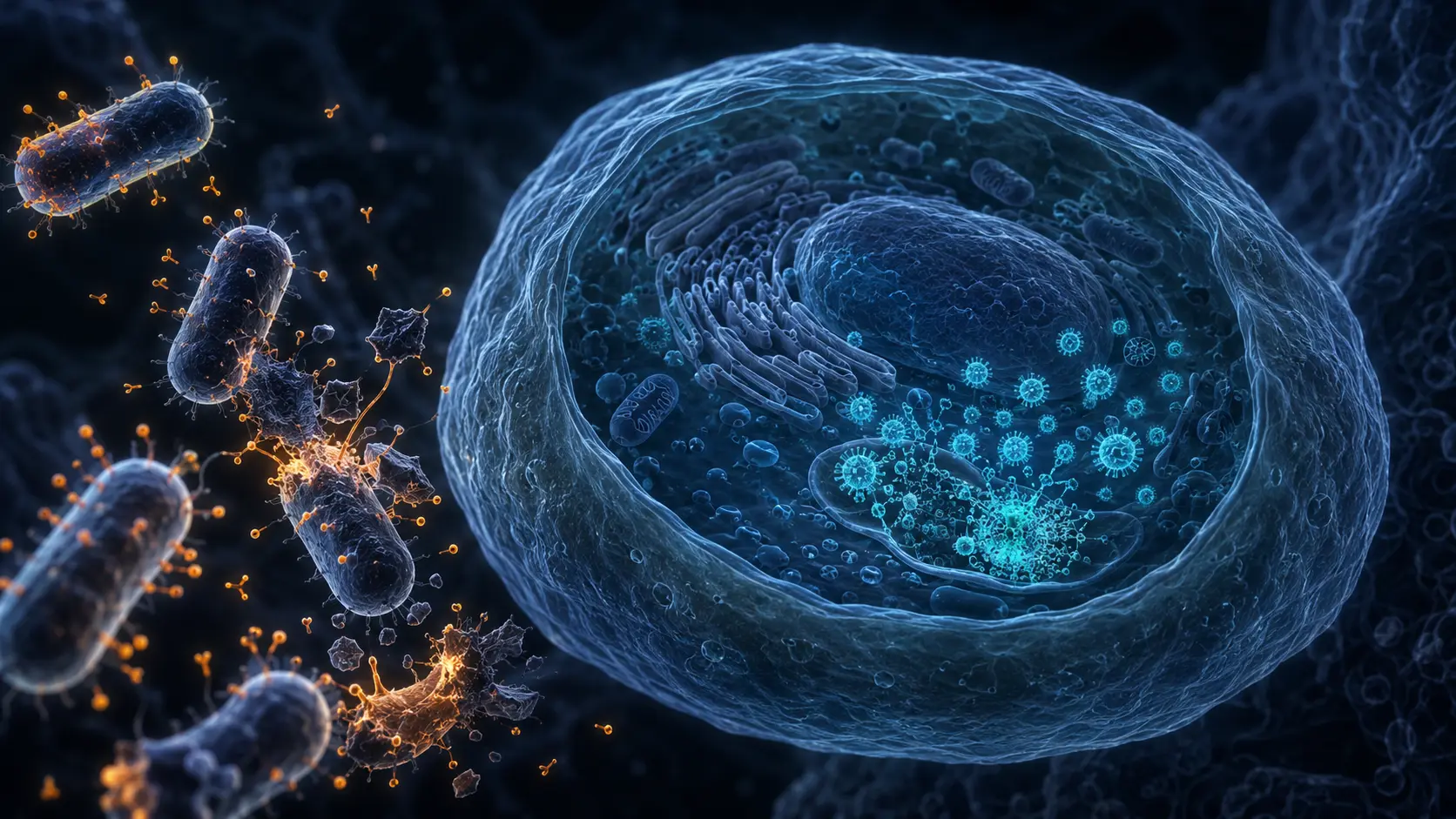
Antibodies can block attachment, mark a target for destruction or recruit other immune mechanisms. T cells add different capabilities: helper cells coordinate, while cytotoxic T cells can recognize and kill infected cells when a vaccine platform produces the right kind of cellular response.
Memory changes the speed and scale of the next response
After vaccination, most short-lived effector cells disappear as the response contracts. Long-lived plasma cells may continue releasing antibodies, and memory B and T cells remain poised to expand after re-exposure.
The second encounter is not always sterilizing. Antibody levels may be too low at the entry site to block every infection, or a pathogen may have changed its antigens. Memory can still accelerate control and reduce severe outcomes, which is a major benefit even when mild infection remains possible.
Immune memory is antigen-specific. A vaccine against one pathogen does not create a universal shield, although related strains may share targets. Age, immune status, vaccine type and time since vaccination all influence the response.
Boosters and updates solve different biological problems
An initial series may use more than one dose because the first exposure primes rare cells and later doses expand, refine and stabilize the response. Infants also follow schedules designed around developmental immunity and the ages when disease risk matters.
A booster can restore protection that has waned. An updated vaccine may instead change the antigen so immunity better matches an evolving pathogen. Those are different reasons for another dose, even when the injection experience looks the same.
Short-lived soreness, fatigue or fever can reflect innate signaling, but symptoms are not a score of how well a vaccine worked. Severe reactions are uncommon and medical recommendations depend on age, health, prior reactions and current schedules. Individual vaccine decisions should use official local guidance and a clinician when needed.
From vaccine antigen to faster future defense
Innate cells detect vaccine material and antigen-presenting cells carry target information into lymph nodes. Matching T and B cells activate and multiply.
Antibodies and effector cells handle the preview, then memory cells and some long-lived plasma cells persist. Re-exposure triggers a faster, larger and often more protective response.
CDC explains that vaccines present antigens that engage natural defenses without full disease.
NIAID describes vaccination as a way to create immune memory before infection.
Why it matters
Vaccination uses the immune system's natural specificity and memory without requiring the full damage of natural disease.
Understanding boosters as refinement, restoration or antigen updating explains why one dose schedule cannot fit every pathogen.
Vaccines turn a first encounter into preparation.
They present an antigen safely enough for B cells, T cells and memory populations to build a head start before the real pathogen arrives.
Research behind this story
We link to the primary study or an authoritative indexed review wherever possible. Caveats in the text reflect the limits of that evidence.
01