Quick answer
During a first infection, rare B and T cells that recognize parts of the virus multiply. Most of the expanded cells disappear after the threat is controlled, but some become long-lived memory cells. Long-lived plasma cells can continue releasing antibodies, while memory B and T cells respond more quickly if a familiar target returns. Memory is specific, layered and variable—it is not a permanent recording of an entire virus.
An infection can be gone for years while a trace of the encounter remains. The immune system does not store a picture or a conscious memory. It preserves selected cells, antibodies and altered response pathways shaped by the first exposure.
That preparation is the basis of adaptive immune memory and a central reason vaccination works. But the phrase immune memory can sound more uniform than the biology really is. Different cells remember different molecular targets, and protection can weaken, change or remain strong depending on the pathogen and the response.
The first encounter selects rare matching cells
Before infection, the body already contains enormous numbers of B and T lymphocytes with differently shaped receptors. Only a small fraction can bind or respond to a particular viral target. When those cells receive the right combination of signals, they divide repeatedly in a process called clonal expansion.
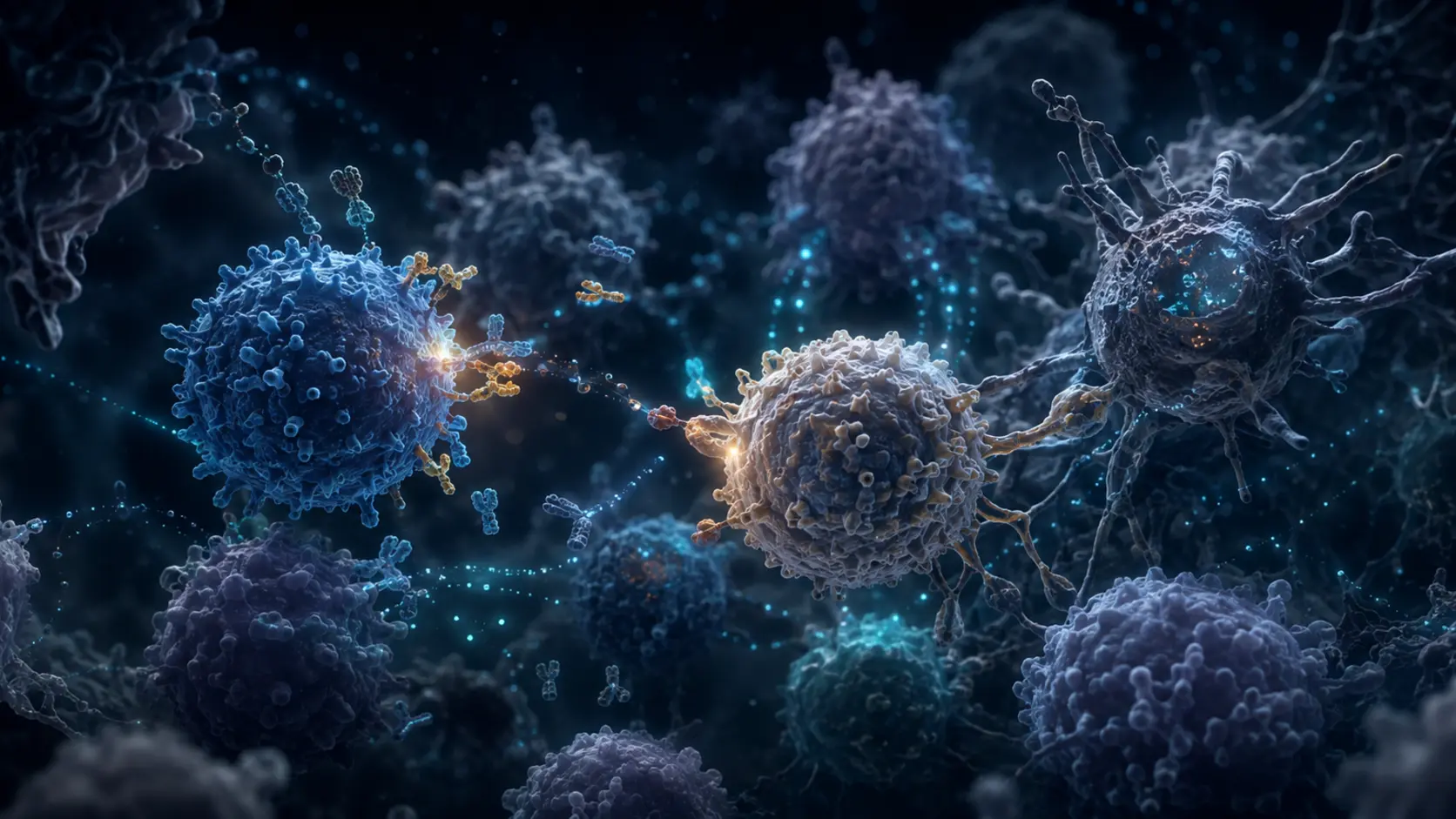
Activated B cells can become plasma cells that release antibodies. Antibodies bind specific molecular features and can block infection or mark material for removal. Other B cells enter germinal centers, where selection can favor cells producing antibodies that bind the target more effectively.
T cells follow a related but distinct path. Helper T cells coordinate responses and support B-cell development. Cytotoxic T cells can recognize and kill infected cells displaying viral fragments. Each branch solves a different part of the problem.
What remains after the response contracts
Once the infection is controlled, maintaining the full expanded army would waste energy and increase the risk of unnecessary damage. Most short-lived effector cells die during a contraction phase. A smaller population persists.
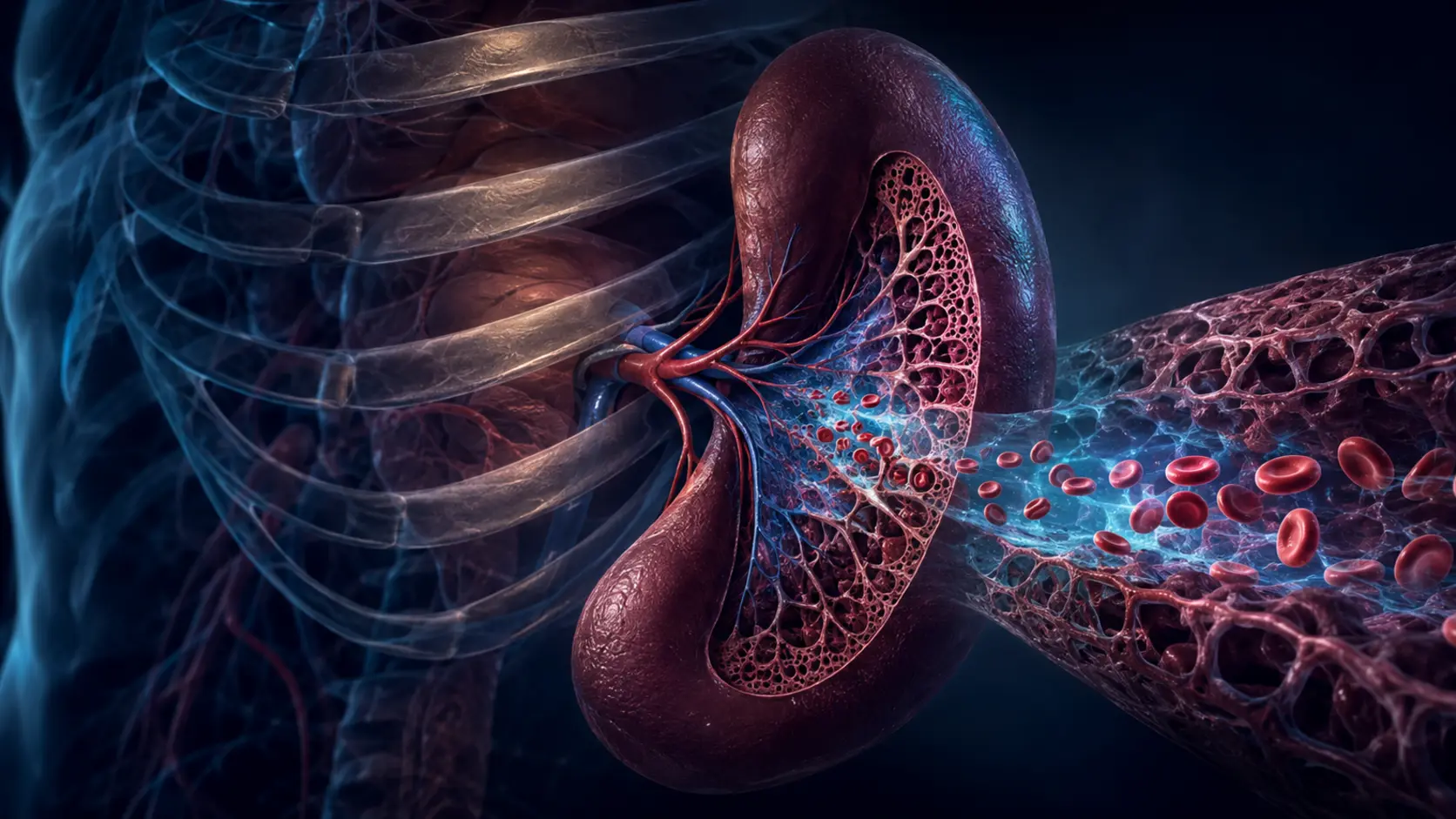
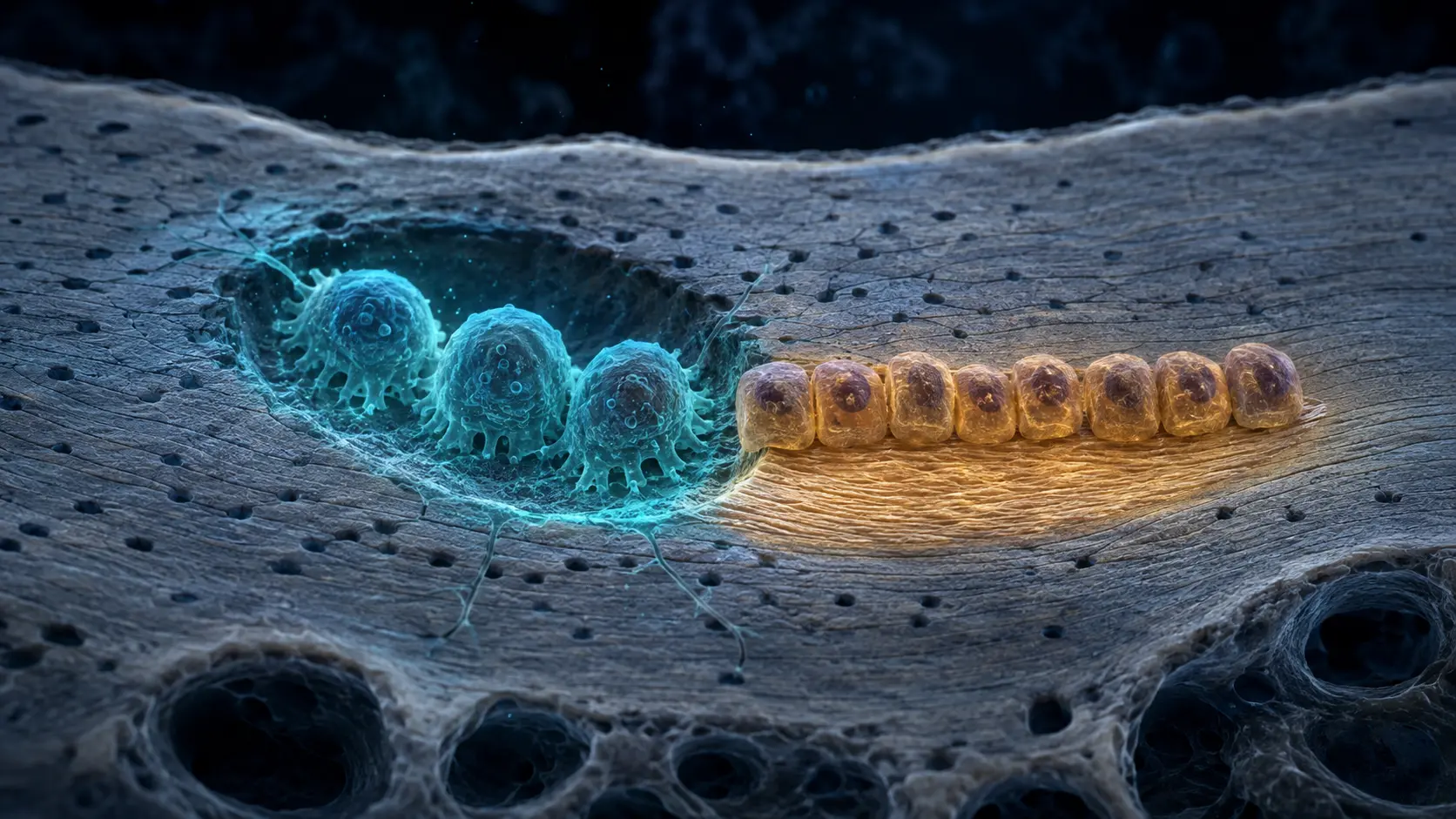
Some long-lived plasma cells settle in supportive tissue such as bone marrow and continue secreting antibodies. Memory B cells circulate or reside in tissues, ready to divide and produce new antibody responses. Memory T cells occupy blood, lymphoid organs and barrier tissues in several specialized forms.
A later encounter therefore begins from a different starting point. Antibodies may already be present, and memory cells are more numerous and easier to activate than the rare naïve cells that began the first response. The second response can be faster and better matched, although it may not completely prevent infection.
Viruses also change. If important surface features accumulate mutations, existing antibodies may bind less effectively. Memory can still reduce severe disease through recognition of conserved targets and T-cell responses, but the outcome depends on how much the pathogen has changed and how memory has persisted.
From first exposure to faster recall
Adaptive memory is created by selection, expansion and survival. A target does not teach every immune cell what to do. It expands the rare cells whose receptors already fit, then preserves some of their descendants.
That is why immune memory can be both remarkably durable and incomplete. It is a living population maintained by cell survival, tissue niches and occasional stimulation—not a static file stored in one organ.
Reviews of adaptive immunity describe the complementary roles of memory B cells, plasma cells and memory T cells.
Research on long-term humoral memory explains how infection and vaccination generate persistent B-cell responses.
Why it matters
Vaccines use this biology by presenting a target or instructions for making one without requiring the full disease. The goal is to establish useful antibodies and memory cells before a dangerous encounter.
An antibody level is only one part of the picture. Protection can also involve memory B cells, T cells, tissue location, response speed and the match between earlier targets and the current variant.
Immune memory is a prepared population, not a stored photograph.
Long-lived plasma cells, memory B cells and memory T cells preserve different parts of an earlier response so a familiar threat can be met faster.
Research behind this story
We link to the primary study or an authoritative indexed review wherever possible. Caveats in the text reflect the limits of that evidence.
01