Quick answer
The immune system works in layers. Skin, mucus and antimicrobial chemicals reduce entry. If a threat crosses those barriers, innate cells and proteins recognize broad signs of microbes or tissue damage and respond quickly. Dendritic cells can carry antigen information to lymph nodes, where specific B and T lymphocytes activate. B cells can produce antibodies, while T cells coordinate responses or kill infected cells. Some cells persist as memory cells, making a later response faster. Regulatory mechanisms and immune tolerance limit attacks on the body's own tissues and help inflammation resolve.
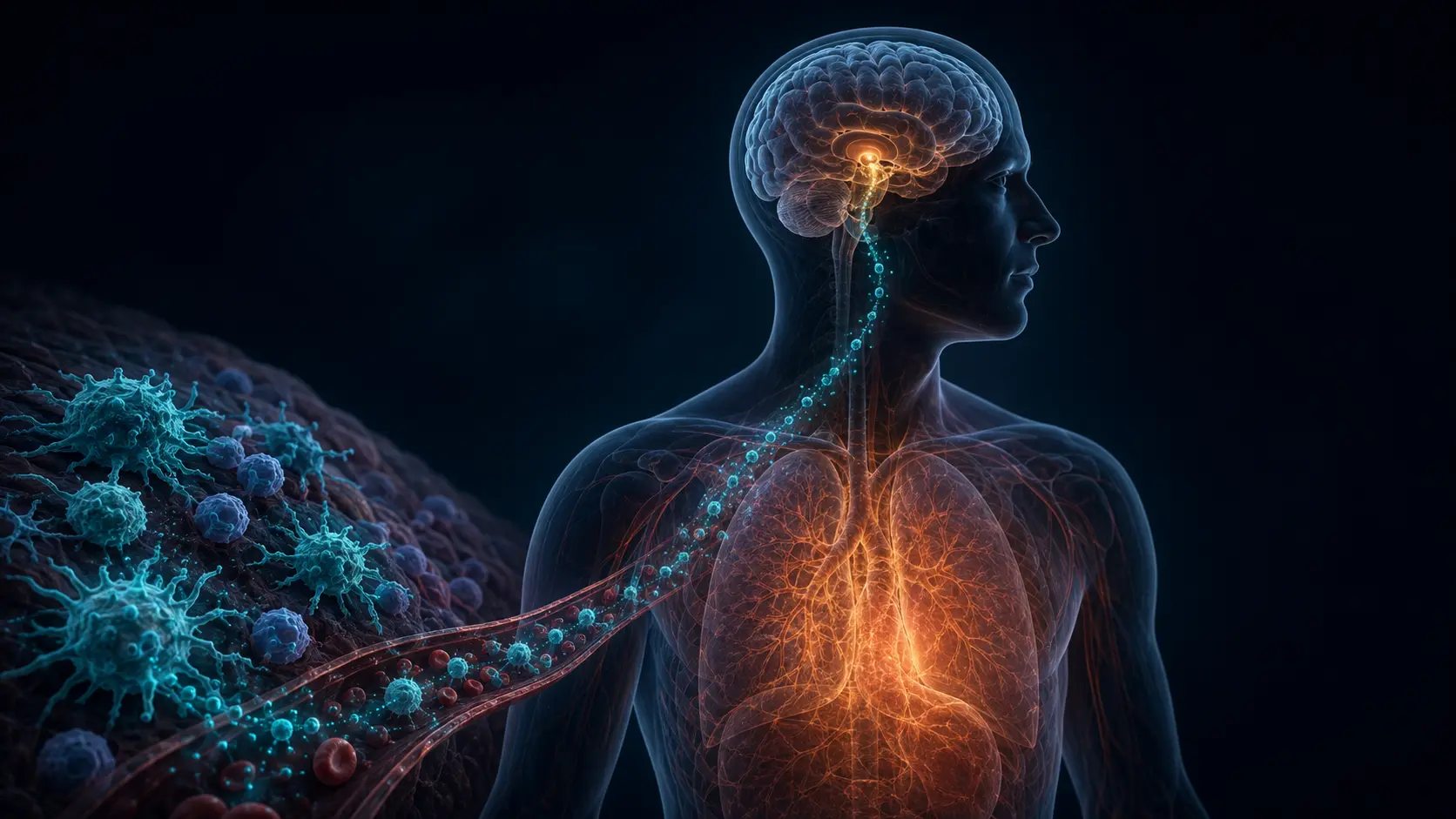
The immune system has no single control room. Its cells begin in bone marrow, mature in specialized tissues, circulate through blood and lymph, and stand guard in organs exposed to the outside world. A useful response may unfold in minutes, then recruit more precise defenses over days.
That distributed design solves opposing problems. The system must react strongly enough to contain infection, yet selectively enough to avoid attacking ordinary tissue. Protection therefore depends on communication, tolerance and resolution as much as destruction.
Defense starts before an immune cell attacks
Skin is a physical and chemical barrier. Mucus traps particles, cilia move material out of airways, stomach acidity damages many swallowed microbes, and resident microbial communities compete for space. These systems prevent countless encounters from becoming infections.
Tissues also contain sentinels. Macrophages, dendritic cells and mast cells detect common patterns associated with microbes or injury. Complement proteins can mark targets, recruit inflammation or directly damage susceptible microbes.
These defenses are called innate because they use inherited recognition systems and act rapidly. Innate does not mean crude: location, timing and combinations of signals allow a tailored response.
Innate immunity buys time and shapes what comes next
When cells detect danger, cytokines and chemokines change nearby vessels and recruit leukocytes. Neutrophils can engulf microbes, macrophages clear debris, and natural killer cells destroy some stressed or infected cells.
Fever, swelling and fatigue can be downstream effects of these signals, not a simple immunity score. A proportionate local response can protect tissue; a widespread or prolonged response can cause harm.
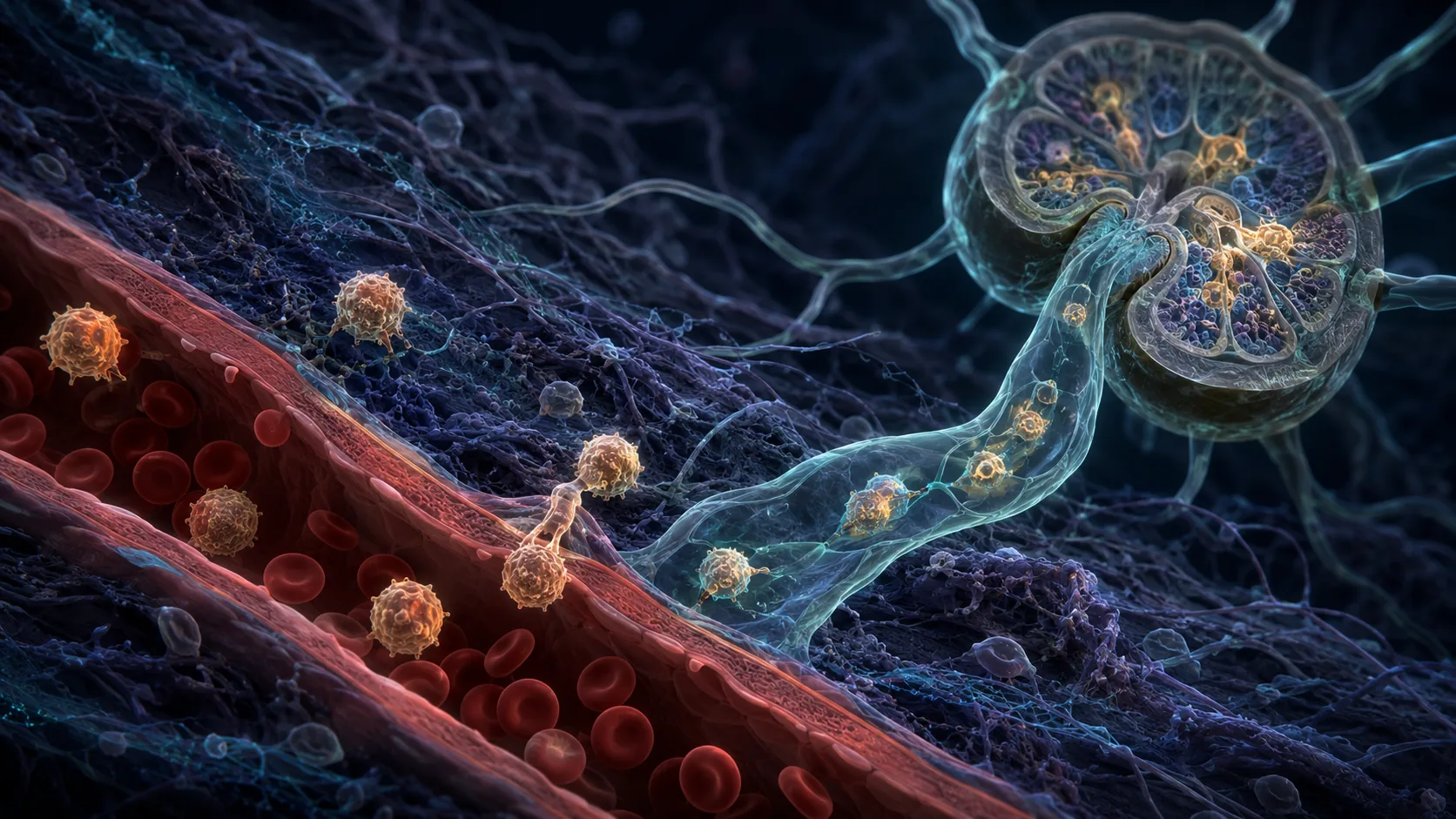
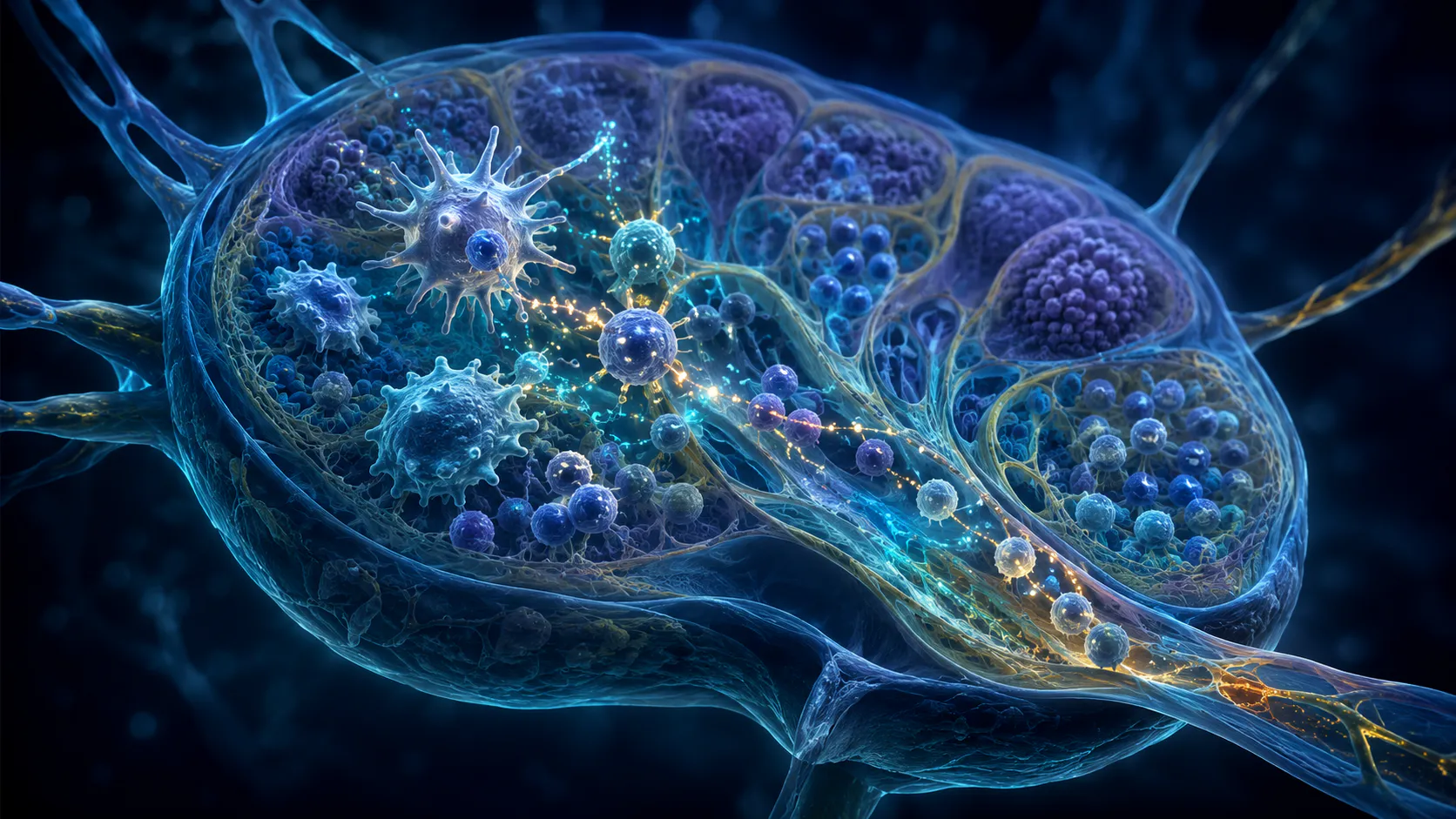
Dendritic cells connect fast and specific defense. They capture antigens, migrate to lymph nodes and present fragments to lymphocytes alongside the context signals needed for activation.
Adaptive immunity expands rare cells that fit the target
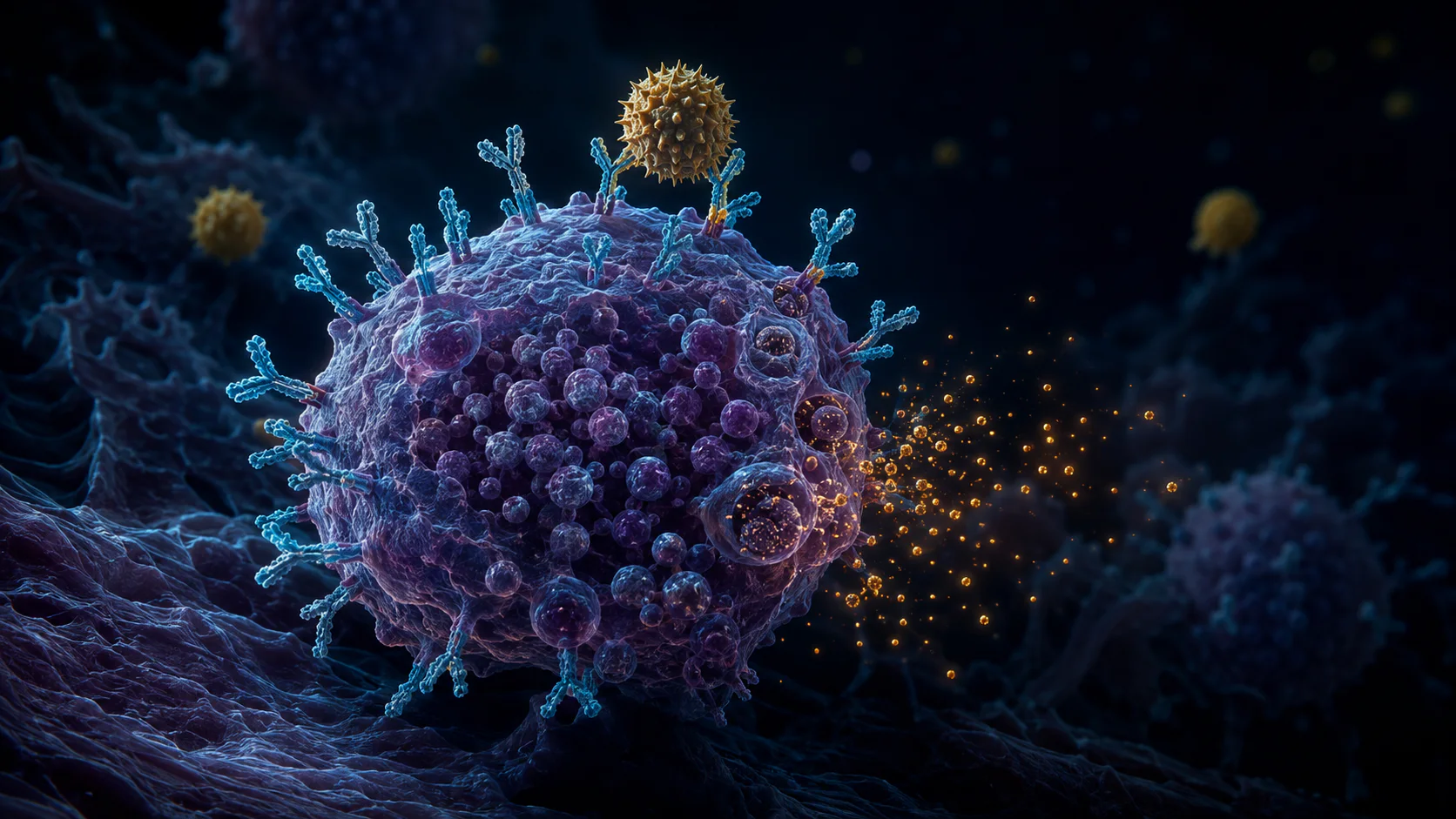
B and T lymphocytes each carry receptors with particular specificity. When the correct receptor encounters antigen under the right conditions, that rare lymphocyte divides into a larger clone.
B cells can become plasma cells that release antibodies. Antibodies may block attachment, tag targets or activate complement. Helper T cells coordinate, while cytotoxic T cells can kill infected cells.
Specificity is not automatic permission to attack. Lymphocytes need context signals and pass checkpoints, reducing the chance that ordinary self molecules or harmless exposures cause damage.
Memory speeds defense; tolerance protects the self
After control, most expanded lymphocytes die as the response contracts. Some memory B and T cells remain and respond more quickly later—the principle vaccines use without requiring the full disease.
The system must tolerate the body's own tissues. Strongly self-reactive lymphocytes can be removed or restrained, while regulatory cells continue policing responses. Failed tolerance can contribute to autoimmunity; exaggerated responses to harmless material can produce allergy.
No supplement can globally boost this network in a reliably beneficial way. More activation could improve clearance in one setting and increase tissue damage in another. Healthy immunity is coordinated and able to stop.
From barrier breach to immune memory
Barriers limit entry. Tissue sensors and innate cells contain danger and carry information toward lymphoid organs.
Matching B and T cells expand, perform specialized work and contract. Memory remains while regulation restores balance.
NIAID divides immune responses into innate and adaptive features.
NIAID maps cell origins and functions across bone marrow, tissues, blood and lymph.
Why it matters
This layered model explains why immunity can be fast and specific—and why inflammation, allergy and memory are related without being identical.
It replaces the idea of a single immunity meter with a network whose success depends on appropriate strength, location and duration.
Immunity is coordinated defense with brakes and memory.
Barriers, innate responses and adaptive cells cooperate, then regulation limits damage and preserves tolerance.
Research behind this story
We link to the primary study or an authoritative indexed review wherever possible. Caveats in the text reflect the limits of that evidence.
01