Quick answer
We get fevers when immune signals cause the hypothalamus to raise the body's regulated temperature set point. Blood vessels in the skin constrict, behavior changes and muscles may shiver, so a person feels cold while core temperature rises. Higher temperature can support some immune functions and make conditions less favorable for some pathogens, but fever also costs energy and fluid. Severity depends on age, symptoms, cause and temperature; fever is a sign to interpret, not a diagnosis by itself.
The first stage of a fever can feel paradoxical. Your temperature is rising, yet you feel cold, seek blankets and shiver. The discomfort makes sense once fever is understood as a controlled change in target temperature rather than simple overheating.
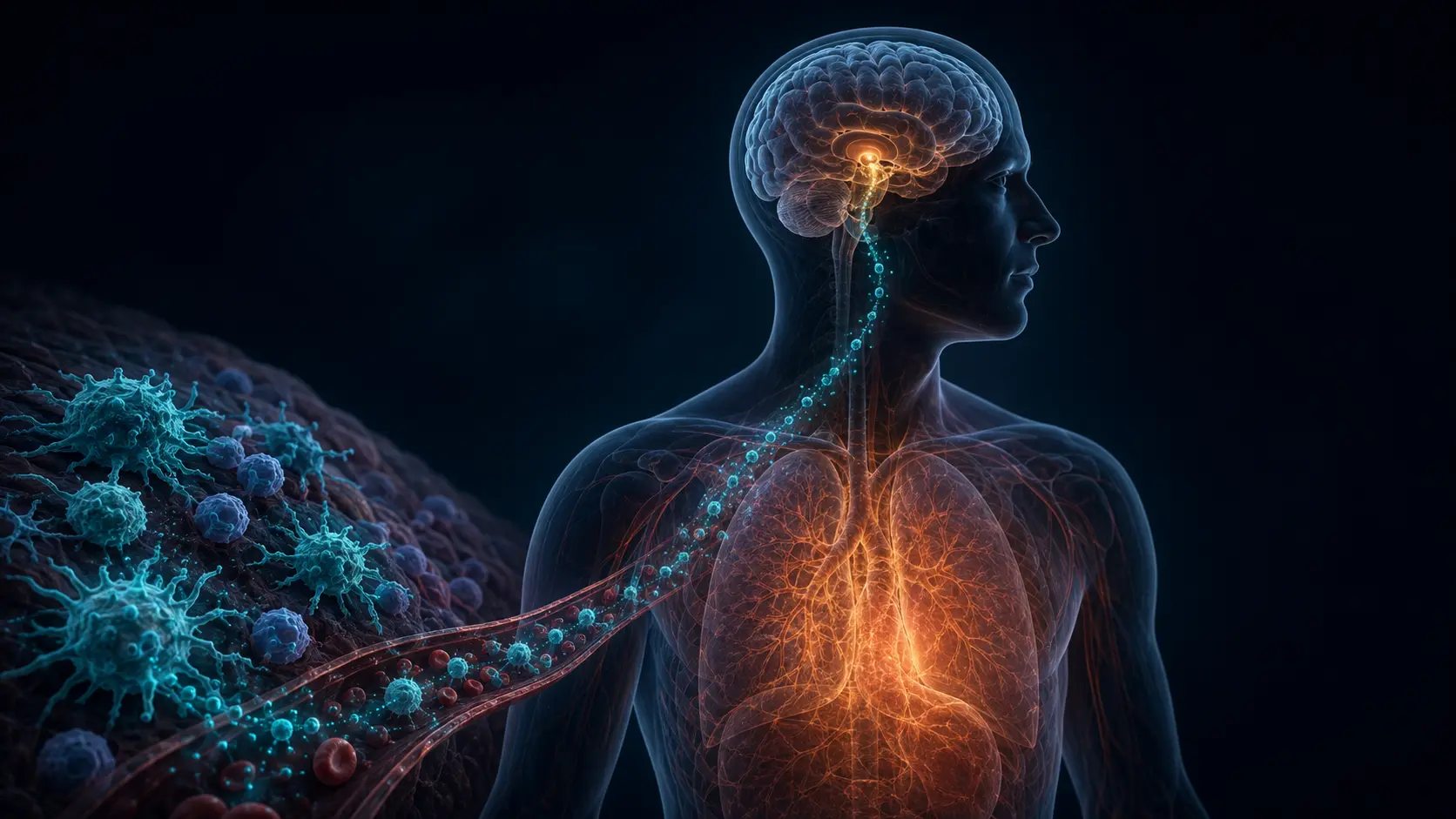
Signals produced during infection and inflammation stimulate prostaglandin pathways that act on temperature-regulating circuits in the hypothalamus. The brain temporarily treats the ordinary temperature as too low and recruits heat-conserving and heat-producing responses until the new set point is reached.
Fever resets the thermostat
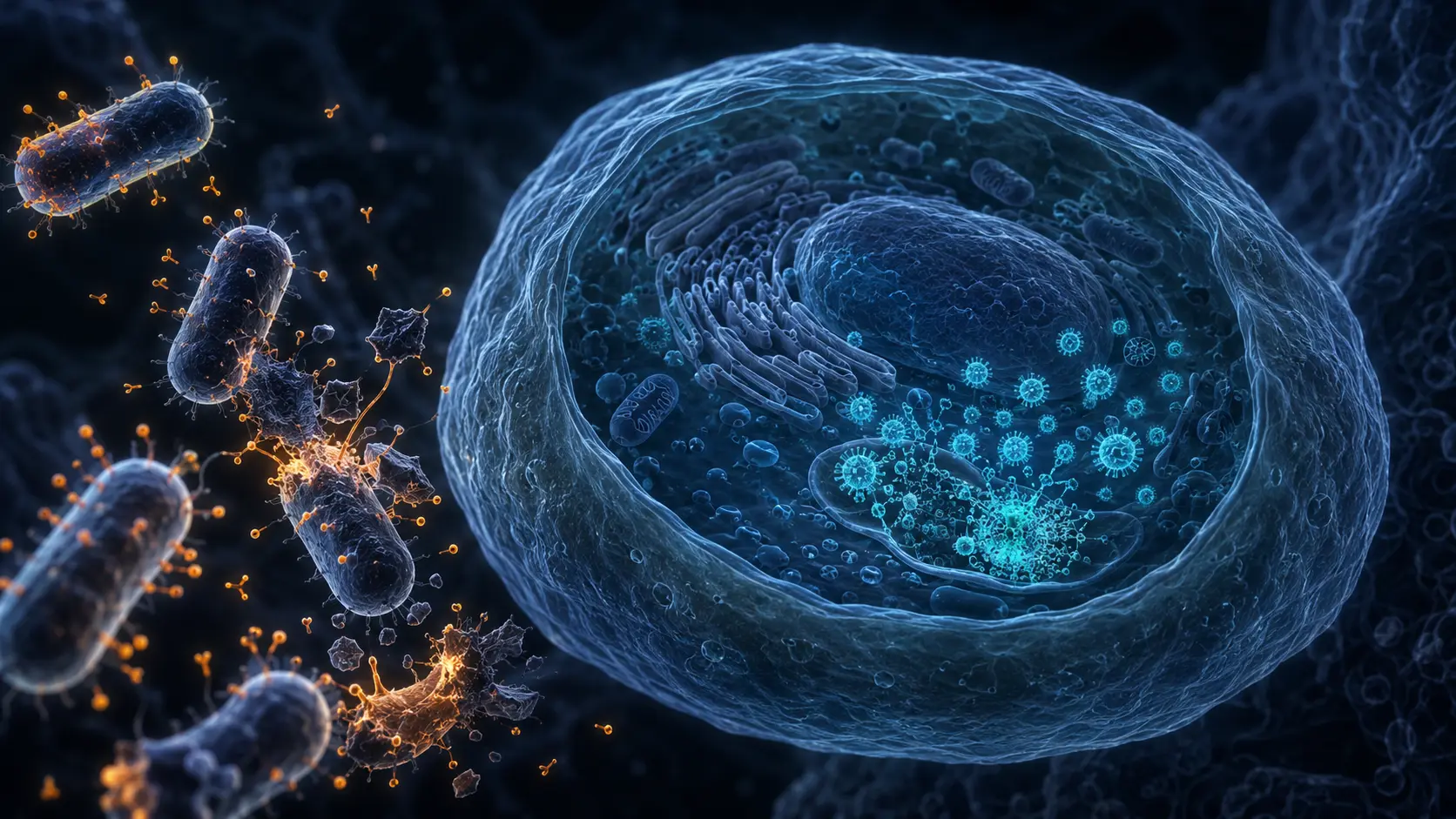
Immune cells detect microbial components and tissue disturbance, then release mediators including cytokines. These signals promote production of prostaglandin E2 in pathways connected to the hypothalamus. Temperature-regulating neurons respond by shifting the defended set point upward.
Because current temperature is now below the target, skin vessels constrict to reduce heat loss. You may curl up, add clothing and shiver. Shivering converts muscular activity into heat. When the set point later falls toward normal, the same body is suddenly above target; vessels dilate and sweating helps release heat.
This regulated sequence differs from hyperthermia, in which heat production or exposure overwhelms the body's ability to cool without an upward reset. Heat stroke is an emergency and is not simply a very high fever. The distinction rests on mechanism and context, not just a thermometer number.
An ancient defense with real trade-offs
Fever-like responses appear across many vertebrates and even in behavioral choices by ectothermic animals, suggesting an evolutionarily conserved benefit. Laboratory evidence shows that temperature can affect pathogen replication and can alter immune-cell movement, signaling and function.
The response is not free. Raising and maintaining temperature increases metabolic demand, fluid loss and cardiovascular work. Very young infants, older adults and people with particular heart, lung, neurological or immune conditions require more cautious assessment. How ill a person looks and acts can matter as much as the exact reading.
Reducing fever can improve comfort and fluid intake, but personal treatment depends on age, cause, medicines and medical history. Emergency warning signs vary. Difficulty breathing, severe confusion, seizure, stiff neck, a concerning rash, dehydration or a seriously ill appearance require urgent local medical guidance; fever in a young infant warrants prompt professional advice.
From microbial signal to chills and sweat
Innate immune sensors trigger cytokine and prostaglandin signaling. The hypothalamus raises the set point, so the autonomic and behavioral systems conserve and generate heat. Core temperature climbs until it approaches the new target.
As inflammatory signaling resolves or medicine reduces prostaglandin production, the set point drops. Warm blood is then treated as excess heat, activating skin blood flow and sweating—the familiar experience of a fever breaking.
A major review explains the evolutionary, immunological and physiological biology of fever.
NIH research describes how fever-range heat can change immune-cell metabolism and inflammatory activity.
Why it matters
Fever is a coordinated host response, not evidence that the body has forgotten temperature control. That framing explains both chills and later sweating.
It also prevents false reassurance: an adaptive response can still accompany serious illness, and context determines when assessment is urgent.
Fever is controlled heat with a biological cost.
Immune signals raise the temperature set point and recruit chills. The response can aid defense, but symptoms, age and cause determine its medical significance.
Research behind this story
We link to the primary study or an authoritative indexed review wherever possible. Caveats in the text reflect the limits of that evidence.
01