Quick answer
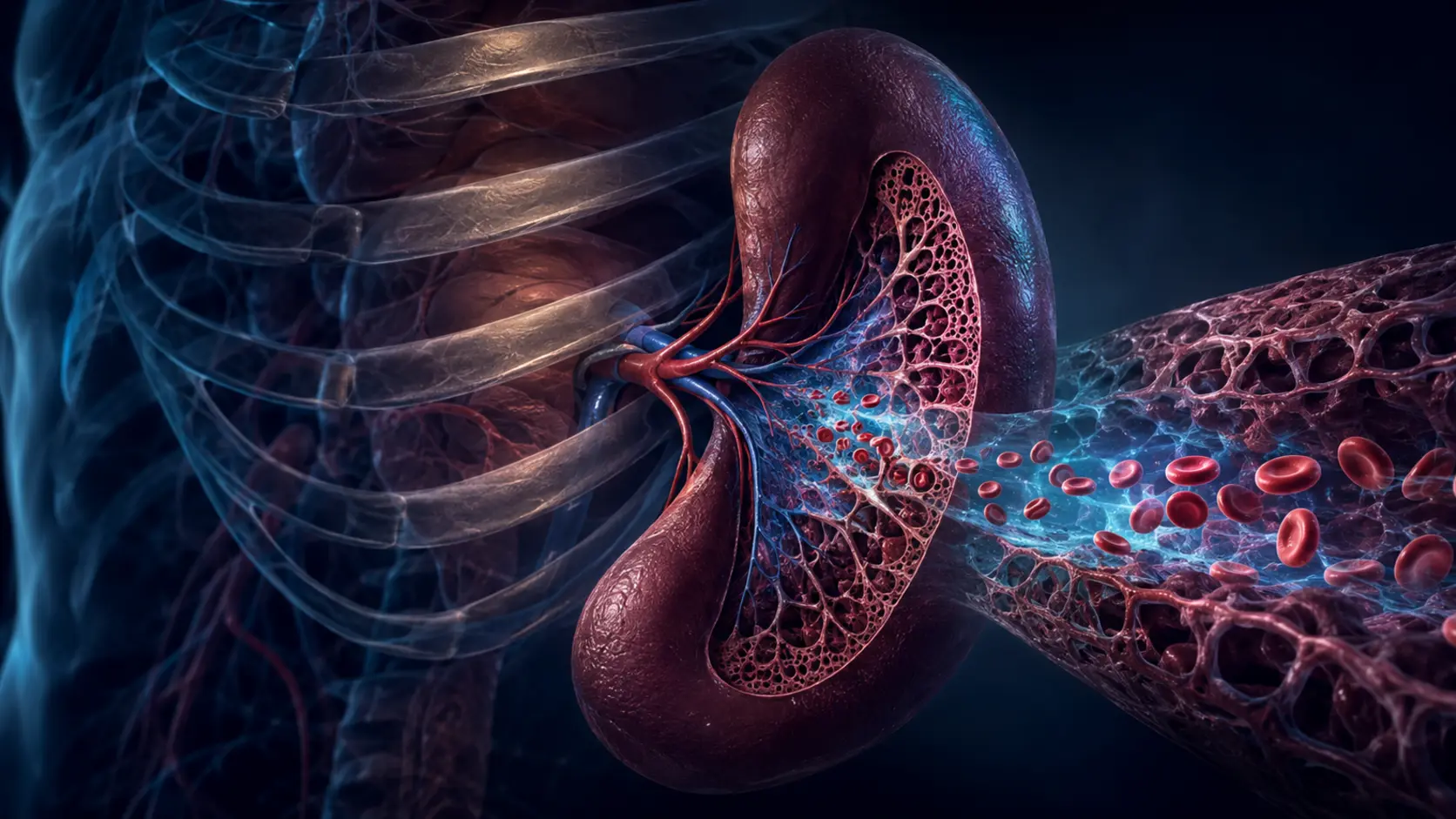
The spleen is a blood filter and an immune organ beneath the left ribs. Its red pulp tests red-blood-cell flexibility, removes many aging or damaged cells and recycles iron. Its white pulp and marginal zone expose immune cells to antigens carried in blood and support antibody responses, especially against some encapsulated bacteria. The spleen also holds a portion of the body's platelets. A person can live without it because the liver, marrow and lymph nodes cover parts of the workload, but they do not fully replace its rapid defense against blood-borne infection.
The spleen rarely announces itself. It sits high on the left side of the abdomen, tucked behind the lower ribs and close to the stomach, quietly processing blood that has already traveled through the rest of the body.
Its job is not one simple chemical reaction. The spleen combines unusual plumbing with organized immune tissue. One region tests whether blood cells are still flexible enough to circulate; another gives immune cells a chance to inspect what the bloodstream is carrying.
Where the spleen is located—and how it filters blood
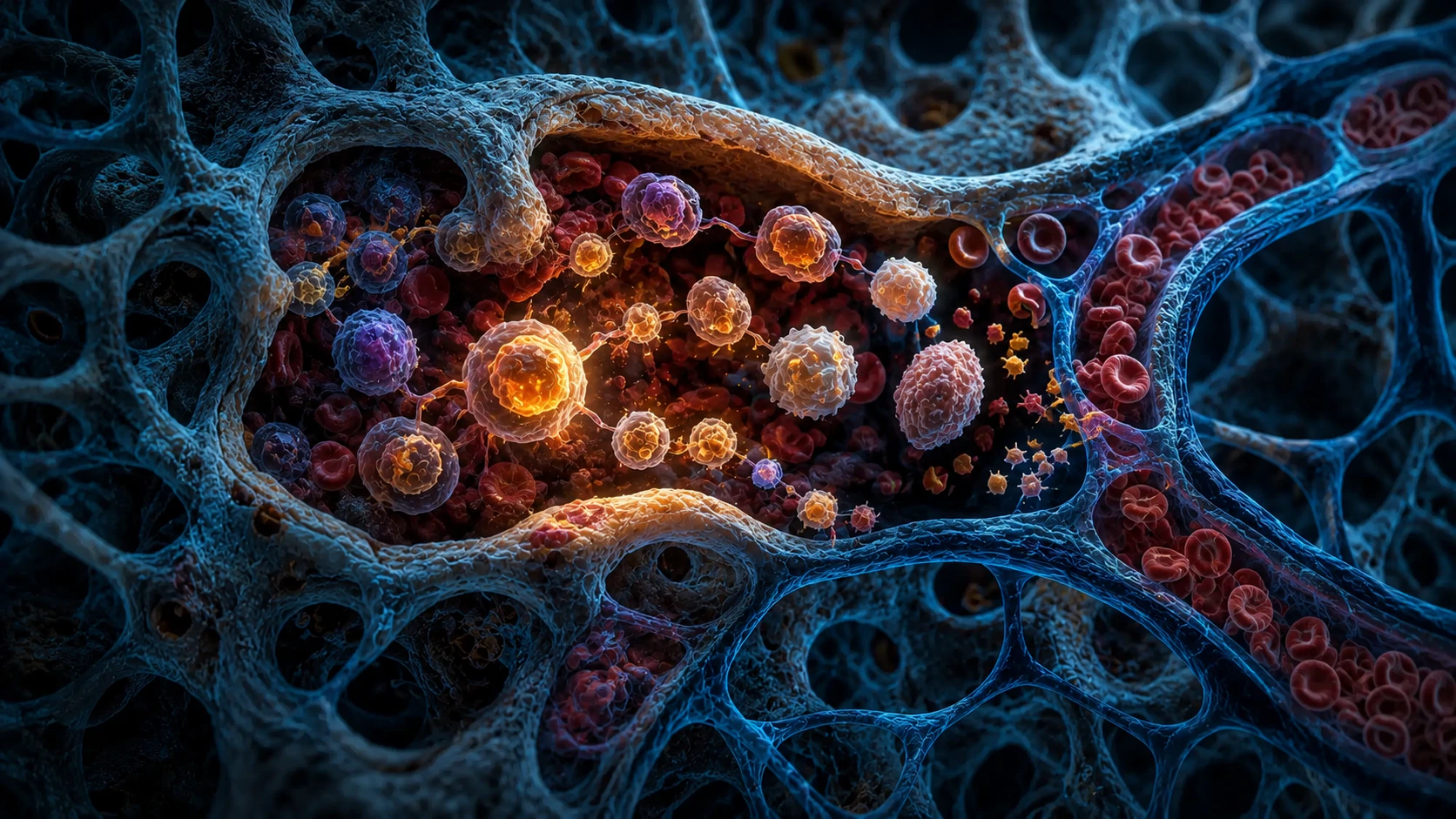
Much of the spleen is red pulp, a network of blood-filled spaces and narrow slits. Healthy red blood cells can deform, squeeze through and return to circulation. Older or damaged cells become less flexible and are more likely to be retained and dismantled by macrophages.
That cleanup is selective rather than destructive. Hemoglobin is broken down, iron can be recovered for reuse and cellular debris is cleared. The spleen also holds a reserve of platelets and can change its blood content, although it is not a large emergency blood tank in the simple way it is sometimes portrayed.
This mechanical test matters because red blood cells must remain extremely flexible. Each one repeatedly passes through capillaries narrower than its resting diameter. A cell that can no longer change shape efficiently becomes a circulation problem as well as an aging cell.
The same organ watches for threats in blood
The spleen's white pulp is arranged around incoming blood vessels and contains B cells, T cells and antigen-presenting cells. This architecture increases the chance that a rare immune cell will meet the specific molecular target it can recognize.
That makes the spleen especially relevant to microbes traveling in blood. Immune cells can capture material, activate matching lymphocytes and help produce antibody responses. Specialized zones between red and white pulp move cells and information between filtration and immune activity.
The spleen is not the only place where immunity happens. Lymph nodes sample lymph draining from tissues, bone marrow produces blood cells and barrier tissues defend exposed surfaces. The spleen's distinctive contribution is that it monitors the bloodstream directly.
People can survive after surgical removal of the spleen because other organs take over parts of its workload. The liver and bone marrow can remove many abnormal cells, and immune responses continue elsewhere. But replacement is incomplete, particularly for defense against some encapsulated bacteria.
Life without a spleen requires a different infection plan
A spleen may be removed after severe injury or to treat selected blood and immune conditions. Other tissues continue producing immune cells and filtering many particles, so digestion, activity and ordinary circulation can continue. The missing function is selective rather than a collapse of the whole immune system.
Risk rises most clearly for severe infection from encapsulated bacteria, including Streptococcus pneumoniae, Neisseria meningitidis and Haemophilus influenzae type b. Their capsules make them harder to clear without efficient splenic antibody and phagocyte responses. Rare overwhelming postsplenectomy infection can progress rapidly even years after surgery.
Clinical prevention commonly includes keeping specific vaccines current, seeking urgent medical advice for fever and, for some patients, preventive or standby antibiotics. The exact schedule depends on age, country, cause of splenic loss and medical history; a general article cannot replace an individual asplenia plan.
An enlarged spleen is a sign, not one diagnosis
The normal spleen is usually not felt on routine examination. It can enlarge when blood-cell turnover rises, blood backs up from the liver's portal system, immune tissue expands during infection or abnormal cells infiltrate the organ. These mechanisms are different even when the result is called splenomegaly.
A larger spleen may cause fullness or discomfort beneath the left ribs and can trap excessive numbers of blood cells, but symptoms and physical examination cannot establish the cause. Imaging and blood tests are interpreted with the wider clinical picture.
Because an enlarged spleen is more vulnerable to rupture, people who have been told they have splenomegaly need activity advice from their clinician. Sudden severe pain in the left upper abdomen or left shoulder after injury requires urgent assessment.
From circulating blood to a decision
Blood enters branching vessels and moves through regions specialized for immune surveillance and cell filtration. The route brings microbes, antigens and blood cells into close contact with the cells equipped to inspect them.
A flexible red blood cell returns to circulation. A rigid or damaged one may be retained and dismantled. A recognized microbial signal can begin an adaptive immune response instead of simply passing unnoticed.
A detailed review describes how the spleen's organization supports both blood filtration and immune-cell encounters.
Clinical anatomy references summarize its roles in filtration, immune surveillance and blood-cell sequestration.
Why it matters
The spleen shows how anatomy can perform information processing. Its physical channels sort cells by mechanical condition while its immune zones sort molecular signals by recognition.
After splenectomy or loss of splenic function, clinicians may recommend specific vaccines, preventive measures and urgent assessment for fever. Those decisions are personal medical care, not something to infer from a general article.
The spleen is a checkpoint for blood.
It removes cells that can no longer circulate properly and gives the immune system a structured place to detect threats carried through the bloodstream.
Research behind this story
We link to the primary study or an authoritative indexed review wherever possible. Caveats in the text reflect the limits of that evidence.
01