Quick answer
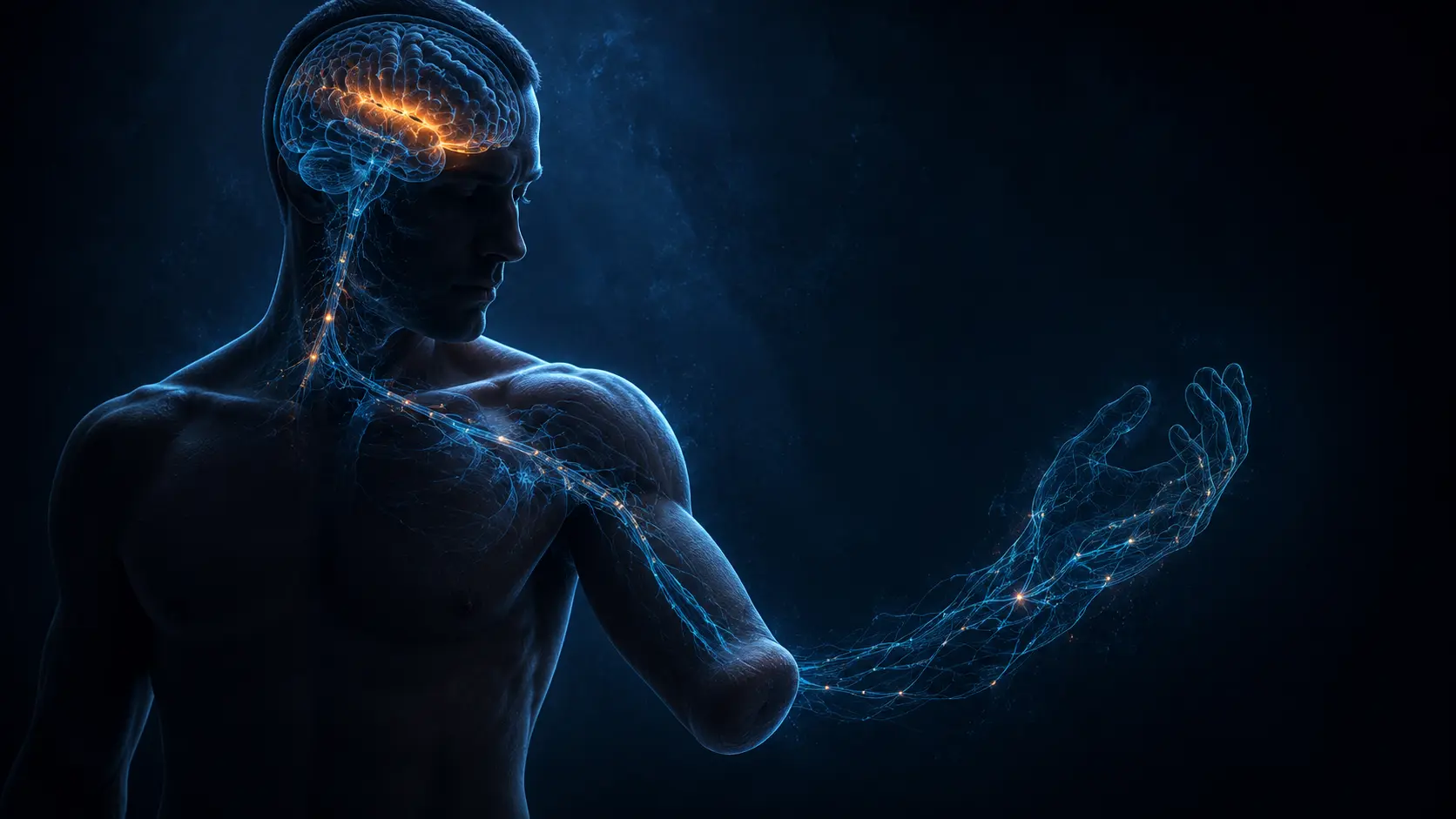
A missing limb can still feel present because the nervous system does not represent the body as a live photograph. It uses distributed maps and predictions built from years of movement and sensation. After amputation, nerves in the residual limb and spinal cord still send activity, while sensorimotor brain regions can retain information about the missing hand or foot. Those signals are interpreted through the existing body model, producing position, movement, touch, temperature, itching or pain in the absent part. The brain reorganizes after amputation, but research no longer supports one simple story in which a neighboring body area merely takes over and causes all phantom pain.
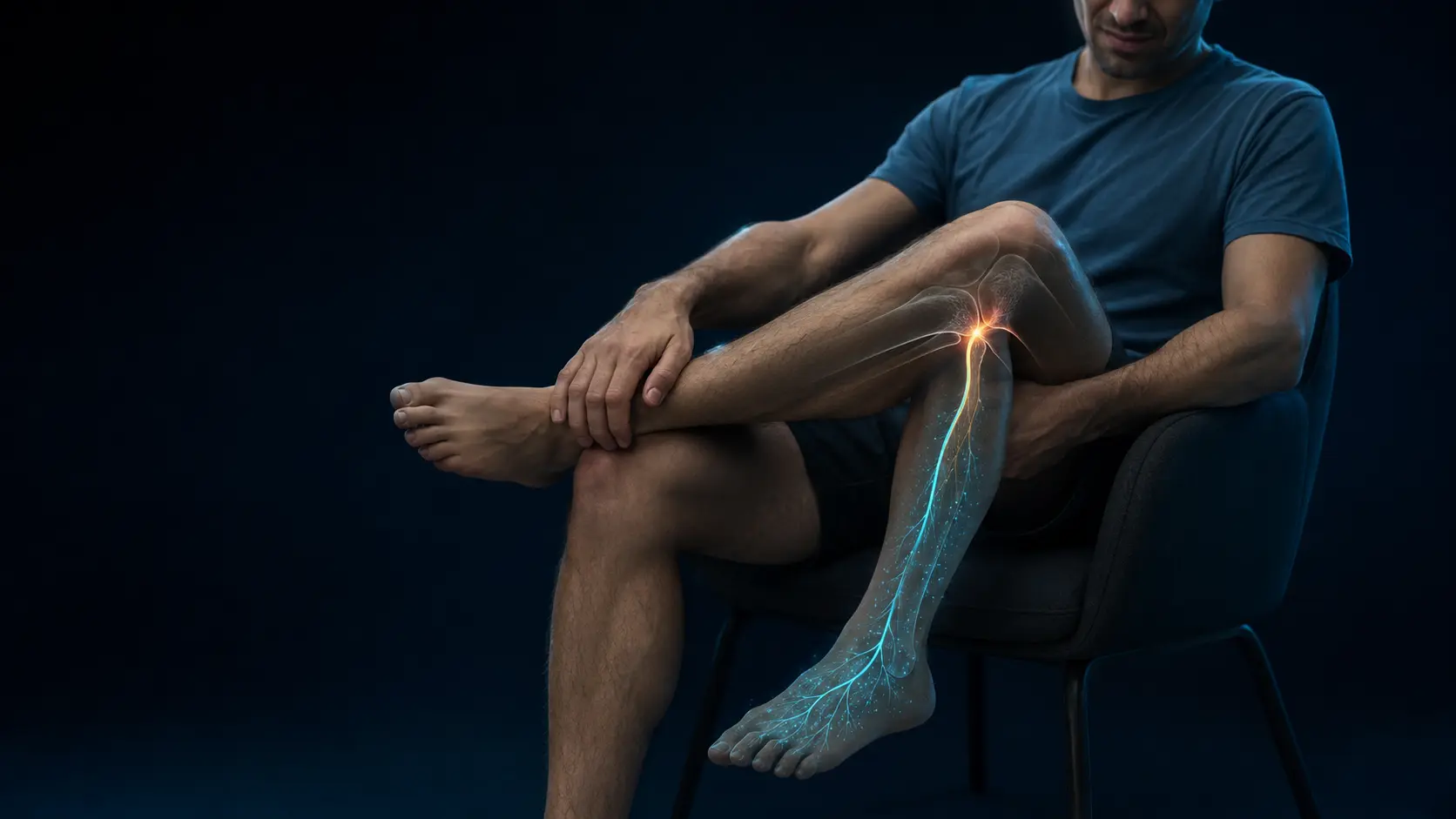
A person may feel missing fingers curl, an absent foot change position or an itch arise where no skin remains. The experience is called a phantom sensation, and it is a genuine perception produced by the nervous system—not imagination in the everyday sense.
No single mechanism explains every phantom. Signals from the residual limb, spinal circuits, preserved brain representations and the brain's prediction of the body all contribute in different proportions across people.
Feeling a phantom is not the same as phantom pain
Phantom limb sensation includes non-painful presence, posture, movement, tingling, pressure or temperature. Phantom limb pain is painful experience in the missing portion. Residual-limb pain arises from tissue that remains, and the conditions can coexist.
The distinction matters because a sore residual limb, neuroma, poor prosthetic fit, infection and phantom pain require different assessment. A description of the brain map cannot identify the source of an individual's pain.
Some phantoms feel anatomically complete; others seem shortened, a phenomenon called telescoping. Experiences can change with stress, movement, prosthesis use and time.
The body map is distributed, not stored in one spot
Primary somatosensory and motor cortices contain organized representations of body regions, but they are only part of the network. Parietal, premotor, insular, cerebellar, spinal and peripheral systems also contribute to body position and ownership.
Before amputation, movement commands, visual feedback and incoming sensation repeatedly agreed about the limb. Afterwards, motor intentions and prior predictions can persist while expected sensory confirmation is missing.
Activity in residual nerves can also be interpreted using the old map. Touching a region of the residual limb may sometimes evoke sensation in a specific phantom finger because surviving pathways retain structured connections.
Plasticity occurs, but takeover is not a complete explanation
Classic work emphasized cortical remapping: neighboring representations expand into territory deprived of normal input. Some studies linked greater remapping with greater pain, helping establish plasticity as an important candidate mechanism.
More recent imaging also finds preserved missing-hand representation and shows that reorganization measures do not track pain consistently across methods and groups. Preserved function and changed organization can exist at the same time.
The evidence therefore supports a network account. Peripheral input, spinal sensitization, cortical representation, attention and prediction interact; their relative importance differs among individuals and across stages after amputation.
Visual feedback can alter the predicted body
A mirror box places the intact limb's reflection where the missing limb would appear. Moving the intact limb can create visual evidence that the phantom is moving, sometimes reducing a painful sense of being stuck.
This result is scientifically revealing, but treatment evidence is variable and no method works for everyone. Rehabilitation may combine prosthetic training, desensitization, medicines, psychological strategies, nerve procedures or neuromodulation depending on the clinical problem.
New or worsening pain after amputation deserves professional assessment, especially with skin change, swelling, fever or prosthetic difficulty. Phantom perception is real, but not every post-amputation symptom has the same source.
How an absent limb remains perceptually available
Long-standing sensory and motor networks continue to encode the limb while residual nerves and spinal pathways produce activity after amputation.
The brain interprets those signals through its existing model of body position and expected feedback. Plastic change updates the model, but may preserve, distort or amplify parts of it.
A major synthesis reviews preserved maps and brain reorganization after amputation.
Why it matters
Phantom sensation demonstrates that body awareness is an active neural construction rather than a direct inventory of present tissue.
Competing findings also illustrate good scientific uncertainty: preservation and reorganization are both observed, and neither alone explains every person's pain.
The nervous system updates the body more slowly than anatomy can change.
Preserved maps, residual signals and sensory predictions can keep a missing limb present in experience, with pain arising from a wider and still-debated network.
Research behind this story
We link to the primary study or an authoritative indexed review wherever possible. Caveats in the text reflect the limits of that evidence.
01