Quick answer
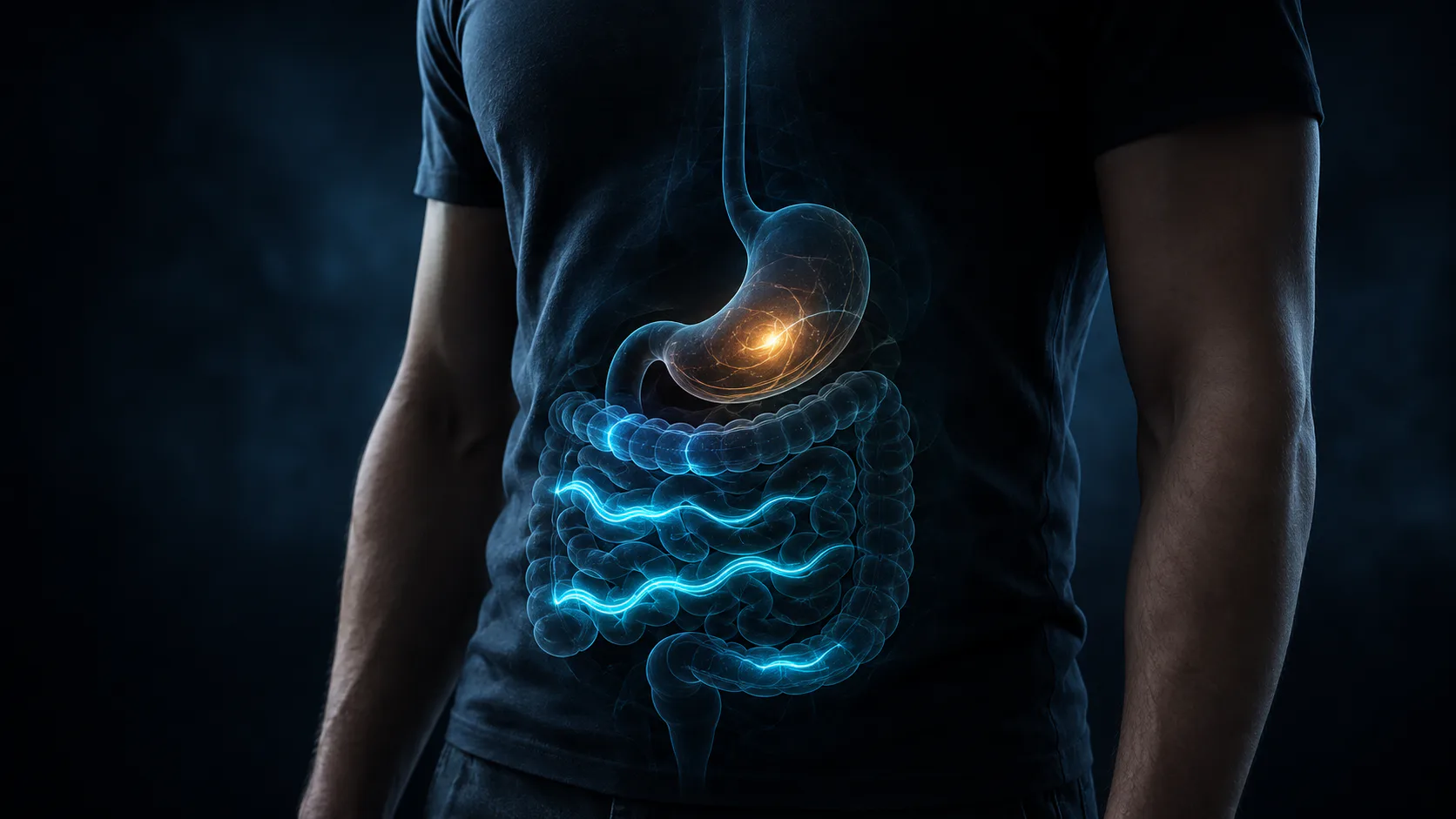
Butterflies are a visceral sensation created when excitement, uncertainty or fear changes autonomic signals between the brain and digestive tract. Shifts in stomach movement, muscle tension, secretion and sensitivity can produce a light flutter, hollow feeling or brief wave of nausea.
The message arrives, the curtain is about to rise, or someone you care about walks into the room. Before you have finished naming the emotion, your abdomen has already registered it.
The feeling is not imaginary and it is not caused by anything fluttering inside the stomach. It is your perception of real changes in an organ system that is richly supplied with nerves and tightly connected to the brain.
The gut is built to report its state
The digestive tract has its own enteric nervous system, while sympathetic and parasympathetic pathways connect it with the brain. Sensory nerves continuously report stretch, chemistry and movement from the gut. Most of that traffic stays below awareness until something changes sharply or attention turns inward.
Arousal can alter gastric electrical activity and motility, change the timing of digestion and make visceral signals more noticeable. The exact mixture differs from person to person, which is why one person feels a gentle lift and another feels nausea or an urgent need for the bathroom.
Excitement and fear share body machinery
The autonomic nervous system prepares the body for events that matter. Heart rate, breathing, blood flow and digestion are adjusted together. The brain’s interpretation may be joyful or threatening, but both can include uncertainty and high arousal.
Sympathetic activation generally shifts resources away from routine digestion, while parasympathetic and enteric activity continue to shape movement and secretion. It is misleading to say that blood simply leaves the stomach and creates butterflies; the experience emerges from several interacting changes, including altered motility and heightened sensitivity.
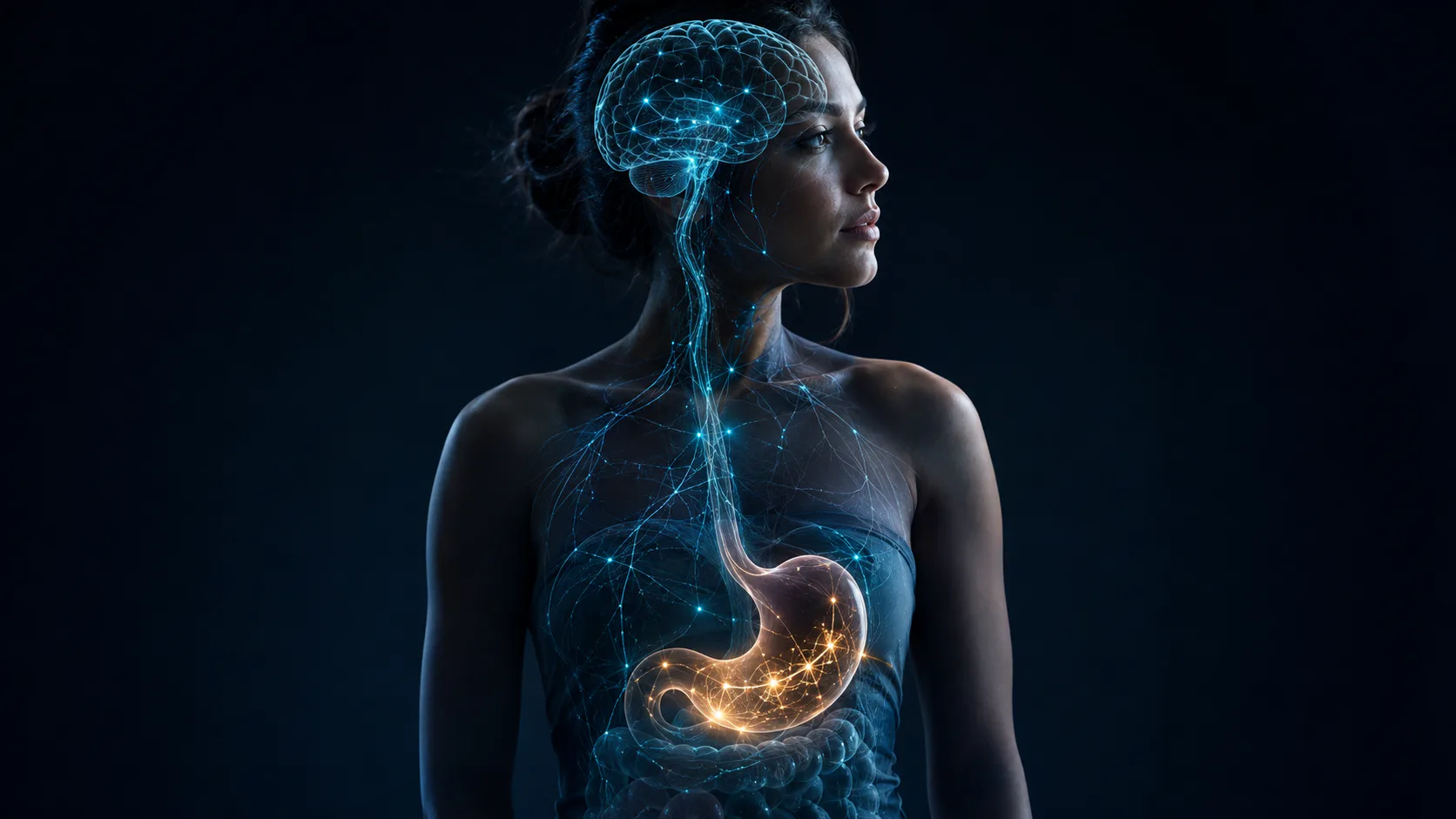
The gut also signals back. That two-way traffic is the gut-brain axis. It includes neural, hormonal and immune routes, but an ordinary pre-performance flutter can be explained without blaming gut microbes or making broad claims about mental health.
Breathing can influence the experience without serving as an off switch. Fast, shallow breaths increase chest and abdominal muscle activity and can make internal motion more noticeable. Slower breathing may reduce overall arousal, but the important event is still approaching, so some flutter may remain. The aim is regulation, not proof that the sensation was unreal.
Learning matters too. If a particular place repeatedly precedes a performance or stressful conversation, arriving there can trigger body changes before anything happens. The nervous system is predicting from earlier experience, preparing the gut and the rest of the body for a pattern it has seen before.
How anticipation becomes a visceral feeling
A meaningful cue is evaluated by brain networks for emotion and threat. Autonomic output changes the pattern of activity in the digestive tract. Sensory signals from the gut then become more salient, and the brain interprets them as fluttering, dropping, tightness or nausea.
Context shapes the label. The same quickened heart and hollow stomach may be called excitement before a date and anxiety before an exam.
A major neuroscience review maps the bidirectional neural communication between brain and gut.
Try it yourself
Track the whole-body pattern.
- Notice the stomach sensation without trying to suppress it.
- Check breathing, jaw tension, heart rate and temperature at the same time.
- Breathe out a little longer than you breathe in for one minute, then notice what changes and what does not.
A brief flutter is common. Recurrent pain, vomiting, weight loss or disabling anxiety should not be explained away as butterflies.
Why it matters
Butterflies make the gut-brain connection tangible. They show how quickly a prediction or social moment can alter organs that seem unrelated to thought.
They also caution against simple stories. Stress does not switch digestion off like a light; it changes a living system whose response depends on timing, intensity and the individual.
Butterflies are a body forecast.
Your brain decides that something important is about to happen, autonomic signals retune the gut, and you feel the shift from inside.
Research behind this story
We link to the primary study or an authoritative indexed review wherever possible. Caveats in the text reflect the limits of that evidence.
01