
Quick answer
At a steep drop, the coaster and your body accelerate downward together. The seat briefly supports you less, creating airtime or apparent weightlessness and changing pressure signals in your abdomen. Your organs shift only slightly; inner-ear signals and autonomic arousal help turn those force changes into the vivid feeling commonly called a stomach drop.
The car inches over the crest. For a fraction of a second, the track disappears beneath you and your abdomen seems to stay behind. The phrase stomach drop is convincing because the sensation is sharply located, but the event involves your whole body.
Roller coasters create rapid changes in acceleration and support. Those changes are detected by the vestibular organs in the inner ear, pressure-sensitive tissues in the trunk and the autonomic system that responds to anticipation.
What causes the stomach-drop feeling on a roller coaster
On level ground, the floor or seat pushes upward against gravity. You experience that support as weight. When the coaster accelerates downward, the upward force from the seat can become smaller. Your apparent weight drops even though gravity has not switched off.
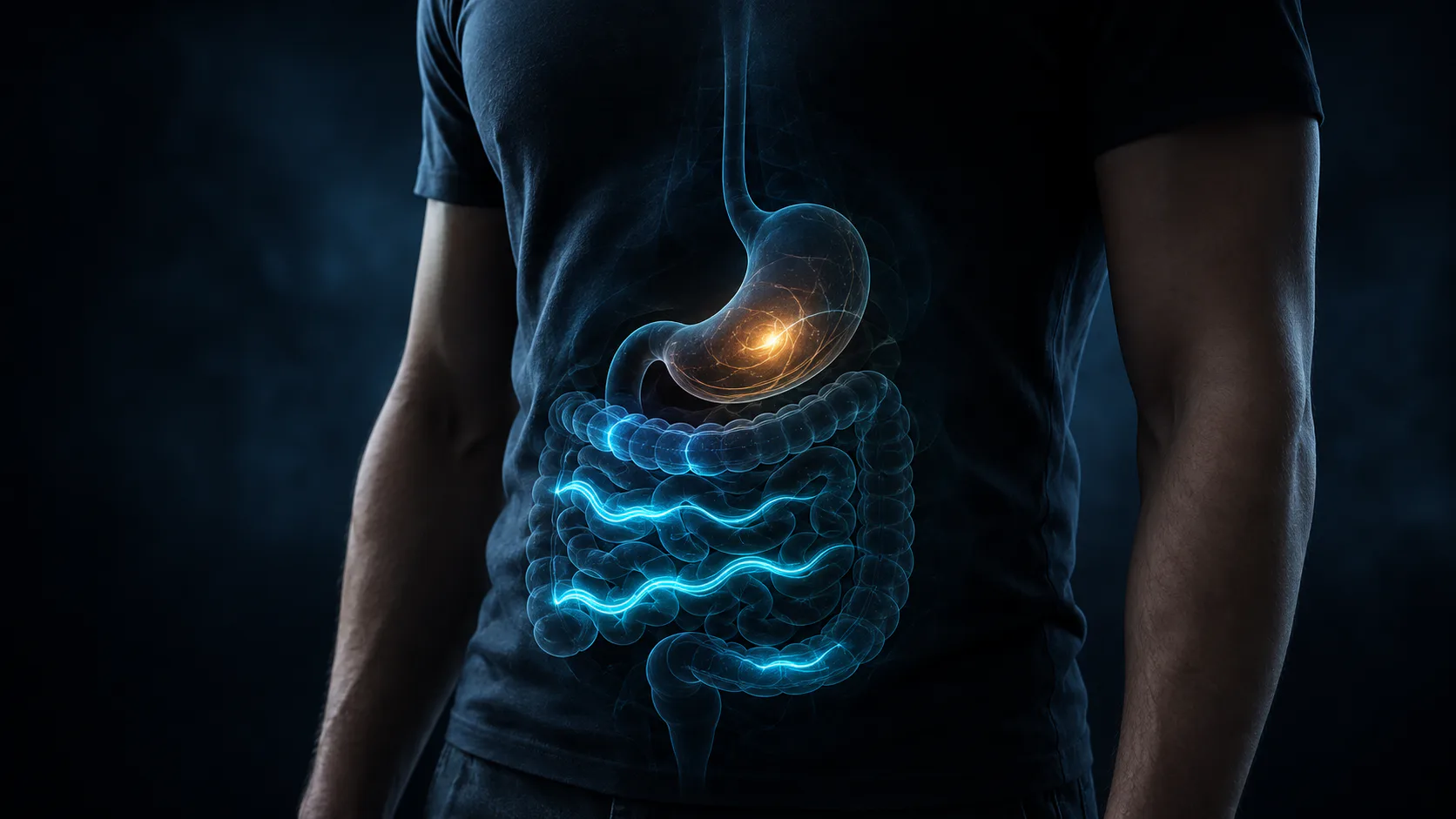
Your organs are suspended and tethered by connective tissue rather than rigidly fixed. When support forces change, the contents of the abdomen shift slightly relative to the surrounding body wall. Stretch and pressure receptors can detect that brief redistribution.
What is the stomach-drop feeling called?
There is no single formal medical name for the brief hollow sensation. Riders usually call it a stomach drop. Coaster enthusiasts also use airtime for moments when the seat supports the body less than usual, while apparent weightlessness describes the underlying reduction in support force.
That does not mean gravity disappears. During a drop, the car and rider accelerate downward together, so the seat pushes upward less strongly. NASA uses freefall to explain the same essential distinction in microgravity: objects still experience gravity, but they do not feel their usual support weight.
Does your stomach actually move during the drop?
The abdominal organs can make small relative shifts because they are held by flexible connective tissues, membranes and vessels, not welded in place. They do not float freely around the abdomen. The sensation emerges from changed tissue loading, vestibular input, vision and arousal rather than from the stomach literally falling.
Why the inner ear joins the feeling
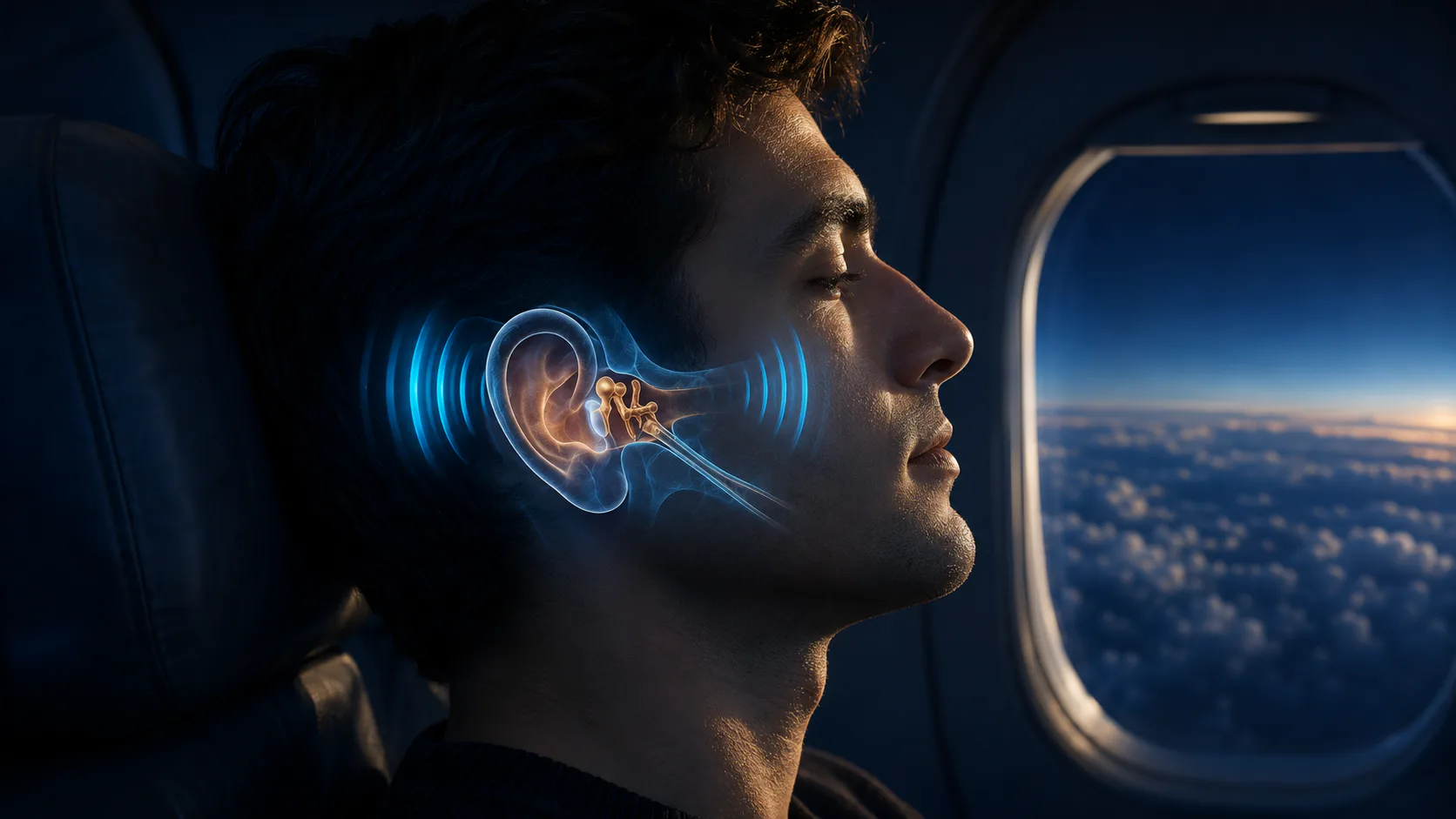
The otolith organs of the vestibular system respond to linear acceleration and the pull of gravity. They cannot measure gravity in isolation; the brain infers orientation and movement by combining vestibular signals with vision, touch and expectations.
A coaster deliberately makes those signals change quickly. At the crest, what you see, what the seat is doing and what the otoliths report may not match the steady pattern your brain predicted a moment earlier.
Anticipation adds another layer. Sympathetic arousal changes heart rate, breathing and gut activity before the descent. The physical drop and the emotional response arrive together, which is why a gentle unexpected dip can feel stronger than a larger motion you fully control.
Coaster designers shape apparent weight across the whole track. A rapid pullout at the bottom increases the seat force and makes you feel heavier; a crest can reduce it and create airtime. These are often described in g units, but the number riders feel depends on direction, duration, posture and how force is distributed through the restraint and seat.
Control changes interpretation even when physics is similar. A driver who expects a hill or a person who initiates a jump can prepare posture and predict the timing. A passenger cannot cancel the acceleration, but accurate expectation can reduce sensory surprise. That is one reason repeated rides often feel different from the first.
A fast multisensory calculation
The track curves down, the car accelerates, and the seat’s support falls. Abdominal forces redistribute while the vestibular system reports linear acceleration. Vision confirms a plunge, and autonomic arousal amplifies the importance of every signal.
Motion sickness is related but not identical. It develops when motion cues remain in conflict long enough to produce symptoms such as nausea, pallor and sweating. A single clean drop can create the stomach sensation without making you motion-sick.
Vestibular reviews describe motion sickness as a response to incongruent sensory impressions during motion, while multisensory research explains how the brain combines several cues to estimate gravity.
NASA's microgravity explainer clarifies why freefall reduces felt support without turning gravity off.
Why it matters
The stomach-drop illusion is a useful example of perception as construction. The brain does not receive a dedicated roller-coaster signal. It assembles a bodily experience from acceleration, pressure, vision and emotion.
People differ in vestibular sensitivity, anticipation and familiarity, so the same ride can feel thrilling, neutral or unpleasant without any person reacting incorrectly.
The drop is a force change you feel from the inside.
Downward acceleration reduces support, shifts visceral pressure and activates balance and arousal systems. Your brain compresses all of it into one vivid abdominal sensation.
Research behind this story
We link to the primary study or an authoritative indexed review wherever possible. Caveats in the text reflect the limits of that evidence.
01