Quick answer
The appendix is a narrow pouch attached near the beginning of the large intestine. Its wall contains gut-associated lymphoid tissue involved in sampling intestinal antigens and supporting immune responses. It also contains biofilms and a diverse microbial community, leading to the hypothesis that it can help preserve or restore useful gut microbes. These roles are supported by anatomy and association studies, but the appendix is not essential for survival.
For generations, the appendix was introduced as a useless evolutionary leftover that occasionally became inflamed. Its removal usually has no obvious daily consequence, which made that verdict easy to accept.
Modern anatomy and microbiology give a more careful answer. The appendix is rich in immune tissue, especially earlier in life, and hosts a microbial community. It likely contributes to gut immune education and microbial stability, even though people can live normally without it.
Where the appendix is located—and what it does
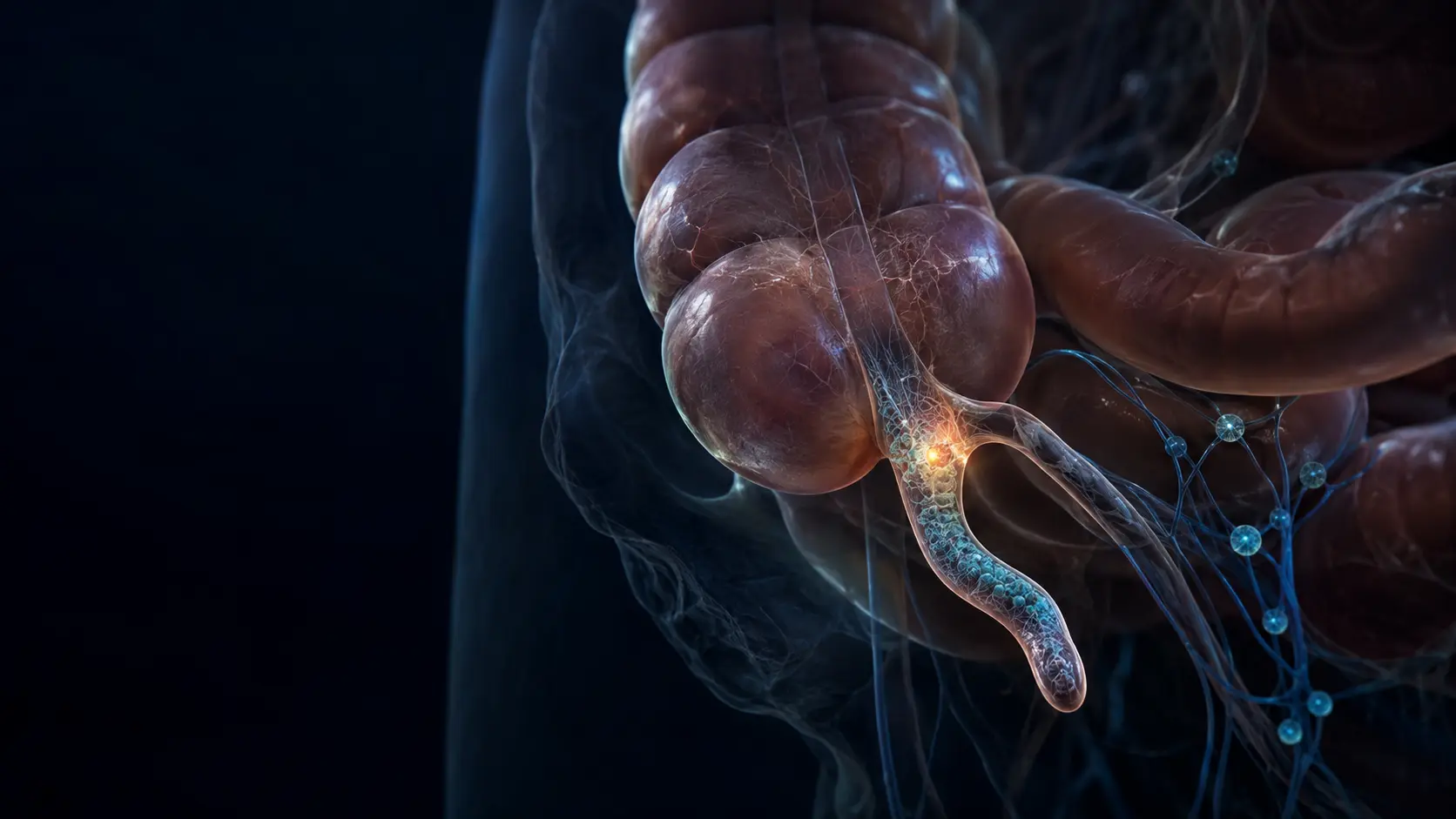
The appendix extends from the cecum, near where the small intestine meets the colon. Its narrow lumen opens into the gut, while its wall contains follicles rich in B and T lymphocytes. This places immune cells close to material and microbes moving through the intestine.
Gut-associated lymphoid tissue helps the immune system learn a difficult distinction: respond to pathogens while tolerating food molecules and much of the resident microbiota. The appendix is not the only site doing this work, but its concentration of lymphoid structures makes the old description of functionless tissue incomplete.
Microbiome studies find bacterial communities and biofilms in healthy appendices. The protected shape has inspired a safe-house hypothesis: useful microbes might persist there during severe diarrhea and help reseed the colon. Evidence is suggestive rather than proof of one indispensable reservoir function.
Why evolution kept a small pouch
Appendix-like structures have appeared in multiple mammalian lineages, and their association with cecal lymphoid tissue argues against a structure surviving only by accident. Its function may combine immune surveillance, tolerance and support for microbial ecology rather than one dramatic task.
Appendicitis occurs when the lumen becomes obstructed or inflammation and infection develop. Because the pouch is narrow and closed at one end, swelling raises pressure and can compromise blood supply. That disease risk does not erase normal function, just as gallbladder disease does not make bile storage purposeless.
After appendectomy, most people remain healthy because mucosal immunity and microbial communities are distributed throughout the gut. Observational studies report associations between appendix removal and later disease risks, but associations can be influenced by the original illness and do not prove that removing a healthy appendix causes those outcomes.
Where microbes meet mucosal immunity
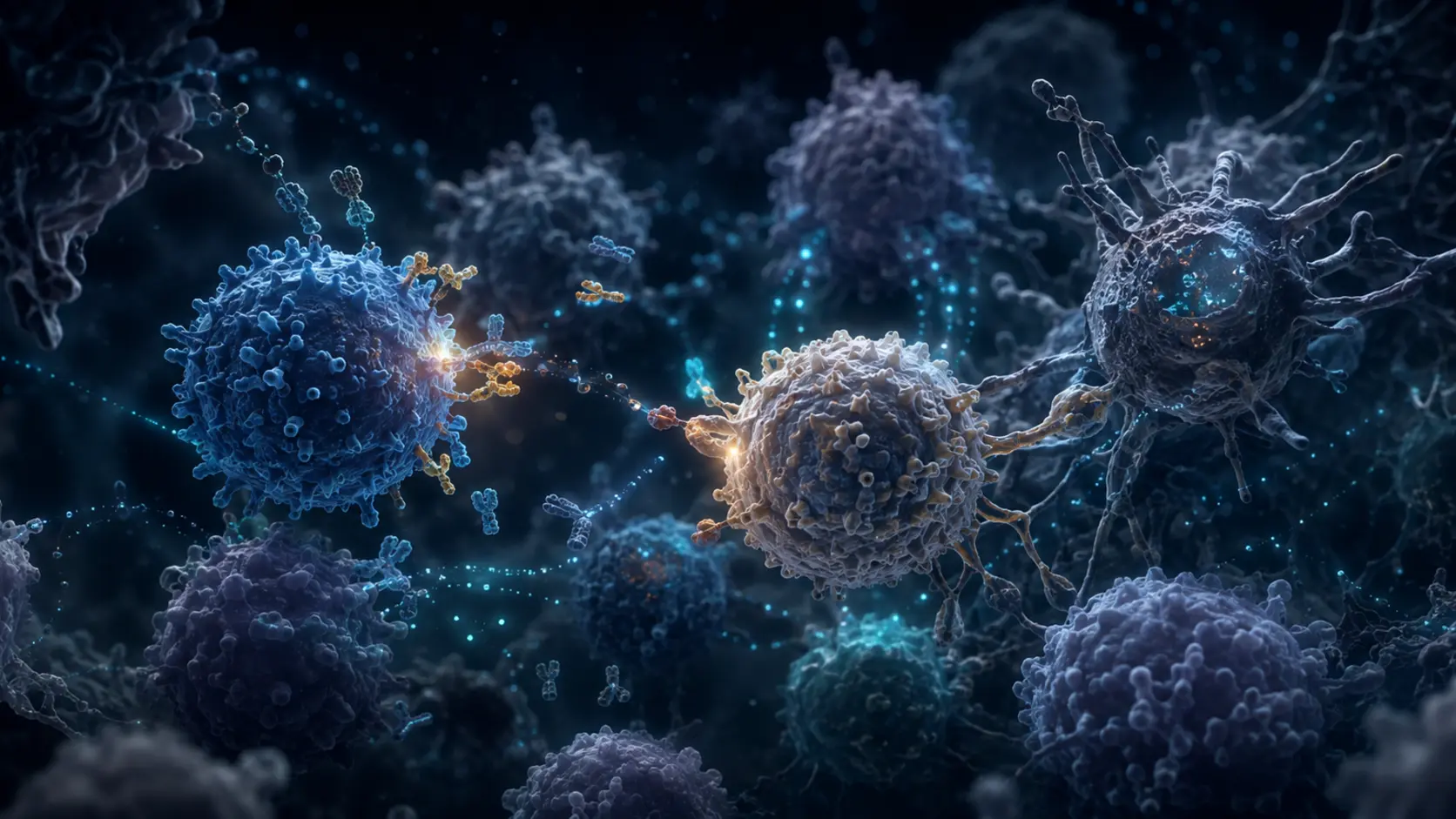
Material from the intestine enters or passes the appendiceal opening. Immune structures in the wall sample antigens, B cells can mature and produce antibodies such as IgA, and local biofilms create a structured microbial habitat.
This activity feeds into a much larger intestinal network. The appendix contributes a specialized location, while the colon, small intestine, lymph nodes and circulating immune cells provide redundancy.
A major review summarizes the appendix's immunological architecture and proposed functions.
Microbiome sampling shows a robust and distinct appendiceal bacterial community.
Why it matters
The appendix is a reminder that biological importance is not measured by whether surgery can remove a part. Redundant systems often allow survival after loss of a contributing structure.
It also changes how we talk about evolution. A structure can be reduced, repurposed and still active; vestigial does not have to mean functionless.
The appendix is a small immune–microbiome interface.
Its lymphoid tissue and microbial habitat support roles in gut immunity and ecology, while the wider intestine provides enough redundancy to live without it.
Research behind this story
We link to the primary study or an authoritative indexed review wherever possible. Caveats in the text reflect the limits of that evidence.
01