Quick answer
When a synovial joint such as a knuckle is pulled, its surfaces separate and pressure in the joint fluid falls. Dissolved gases come out of solution and a cavity forms rapidly. Real-time MRI shows that this cavity appears at the moment of the crack. The joint needs time to reset before it can crack again. Ordinary painless cracking has not been shown to cause arthritis, although pain, swelling or instability deserves evaluation.
Pull a finger and the joint resists, releases with a sharp pop and then refuses to repeat the performance for a while. The sound feels like bone striking bone, yet imaging shows a fluid-filled pressure event instead.
Not every joint noise has that mechanism. Clicking at a knee or ankle may involve a tendon moving over tissue, gas shifting, or cartilage surfaces rubbing. The classic voluntary knuckle crack is simply the cleanest case to study.
The joint contains a sealed fluid space
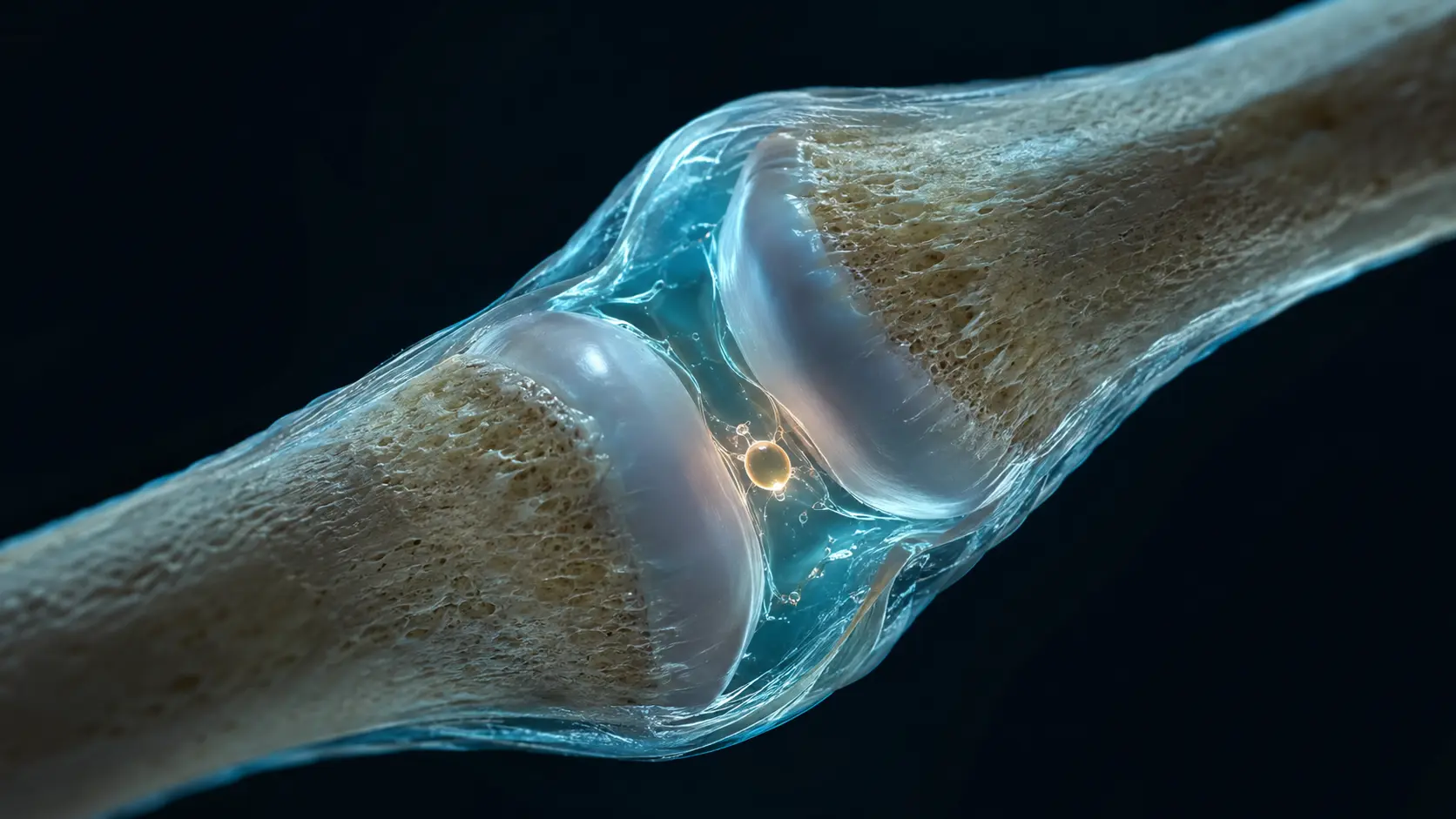
A synovial joint encloses the ends of bones inside a capsule. Articular cartilage covers the contact surfaces, and synovial fluid reduces friction and supplies the cartilage. At rest, pressure and cohesive forces help hold the surfaces together.
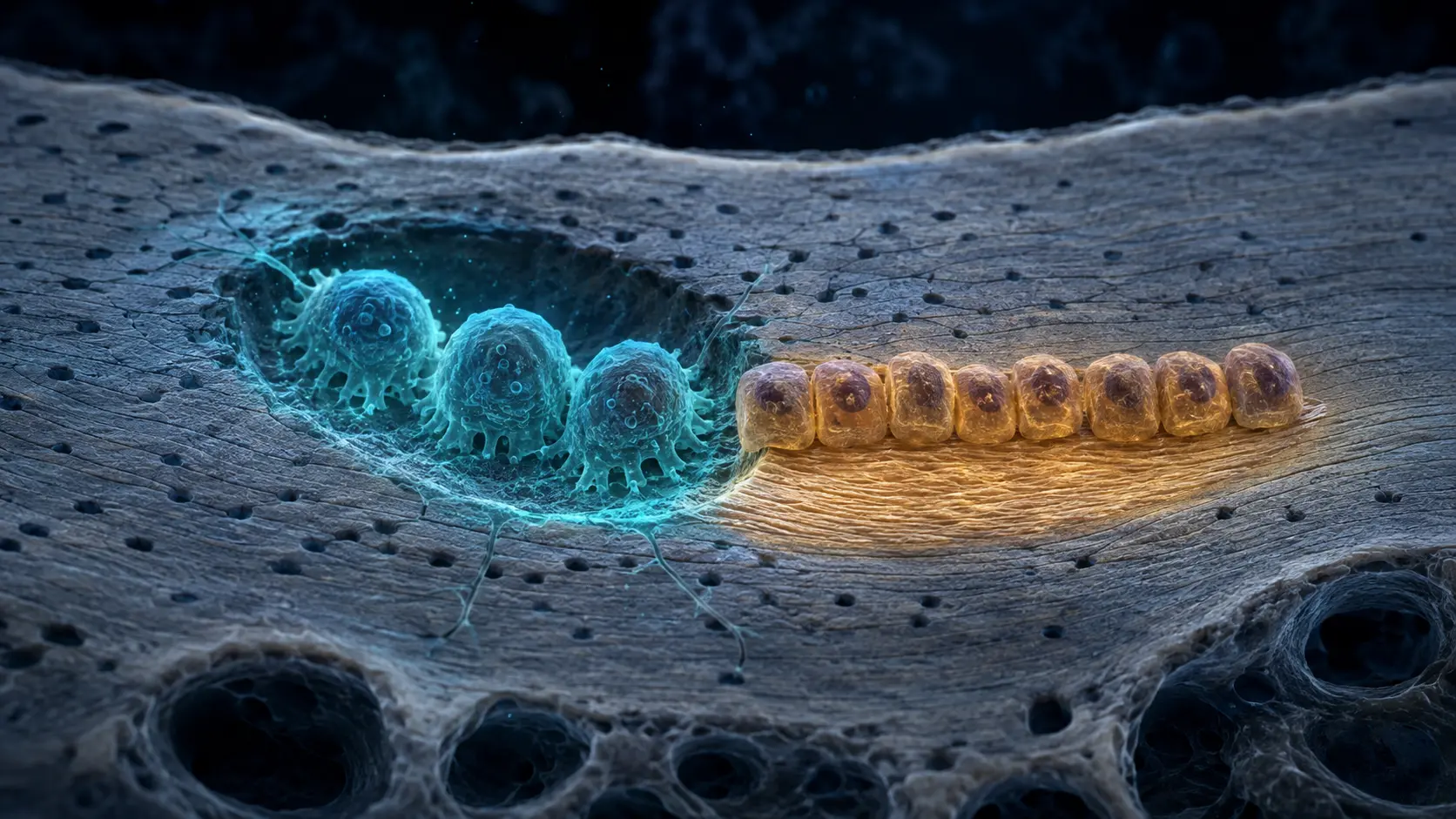
Pulling the joint increases its volume faster than fluid can fill the new space. Pressure drops. Dissolved gases become less stable in solution and a gas-rich cavity forms between the surfaces—a process called tribonucleation.
For decades, researchers debated whether the noise came from creating a bubble or collapsing one. Cine MRI captured joint separation in real time and found cavity formation coincident with the sound. Later mathematical work showed how pressure changes during cavity dynamics could produce a loud acoustic pulse.
Why the same knuckle will not crack twice
After the crack, the joint space and dissolved gas distribution need time to return toward their initial state. During this refractory period, pulling the finger may stretch it but usually cannot recreate the rapid pressure transition required for another sound.
Other clicks can repeat immediately because they come from a different source. A tendon can shift over a bony prominence and snap back. Rough cartilage or an injured structure can produce crepitus. Sound alone does not identify which tissue moved.
Population studies have not established that habitual painless knuckle cracking causes osteoarthritis. That does not make every noisy joint healthy: swelling, locking, reduced motion, recent trauma or persistent pain changes the context and merits clinical attention.
From joint pull to audible crack
Force separates the articular surfaces, expanding a sealed fluid space. Pressure falls, gases leave solution and a cavity forms abruptly. The fast mechanical change launches vibrations through tissue and air.
As pressure and dissolved gas gradually reset, the joint regains its ability to crack. The pause is a property of the fluid system, not proof that a bone has been moved permanently into place.
Cine MRI visualized cavity formation at the moment a knuckle cracked.
A mathematical model tested how cavity dynamics can generate the acoustic pulse.
Try it yourself
Separate painless sound from symptoms.
- Notice whether a natural pop can repeat immediately or only after a delay.
- Check whether it is accompanied by pain, swelling or loss of motion.
- Do not pull a joint beyond its comfortable range to make a sound.
A painful, swollen, locking or unstable joint—especially after injury—should be assessed by a qualified healthcare professional.
Why it matters
The mechanism replaces a vivid but inaccurate mental picture of bones grinding together with a measurable event in fluid physics.
It also prevents overgeneralization. A harmless knuckle crack and a painful knee click share a sound word, not necessarily a cause.
The classic knuckle crack is a pressure-driven cavity event.
Joint surfaces separate, pressure falls and a gas-rich cavity appears in synovial fluid. Other joint sounds can come from other tissues.
Research behind this story
We link to the primary study or an authoritative indexed review wherever possible. Caveats in the text reflect the limits of that evidence.
01