Quick answer
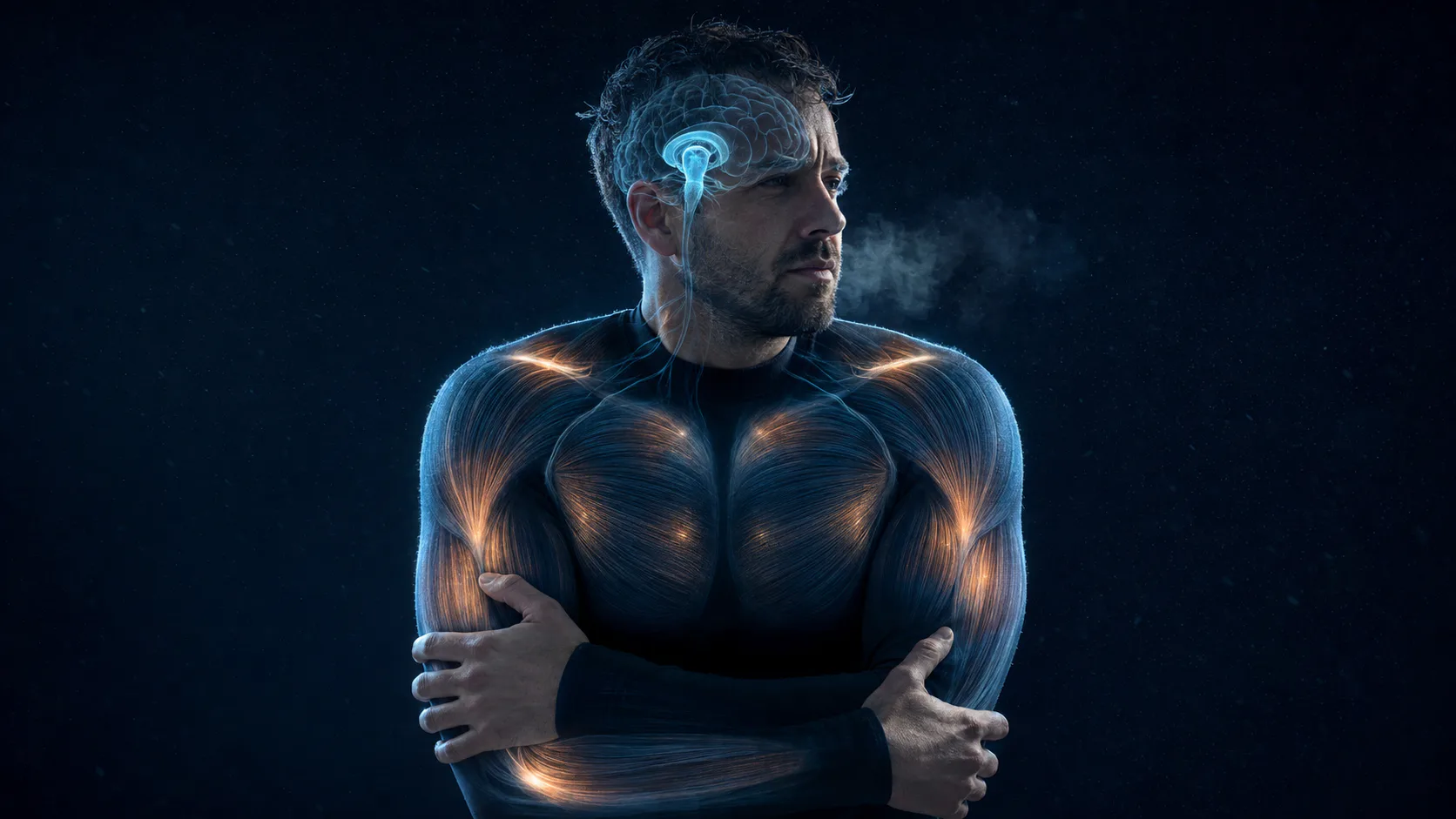
Muscles twitch when a motor unit fires without a deliberate command. Exercise, fatigue, stress, caffeine and temporary nerve excitability can make benign fasciculations more noticeable. Most isolated twitches without weakness or muscle wasting are not dangerous. Persistent twitching accompanied by weakness, loss of muscle, altered sensation or other neurological symptoms should be medically evaluated.
A small ripple appears under the eyelid or calf, repeats for a few seconds and disappears. The movement is too local to shift the limb but visible enough to attract every bit of your attention.
That event is often a fasciculation: spontaneous activation of a motor unit, the motor neuron and group of muscle fibers it controls. It is common in healthy people, yet the same visible sign can occur in medical conditions, so the surrounding pattern matters more than the twitch alone.
One motor unit fires out of sequence
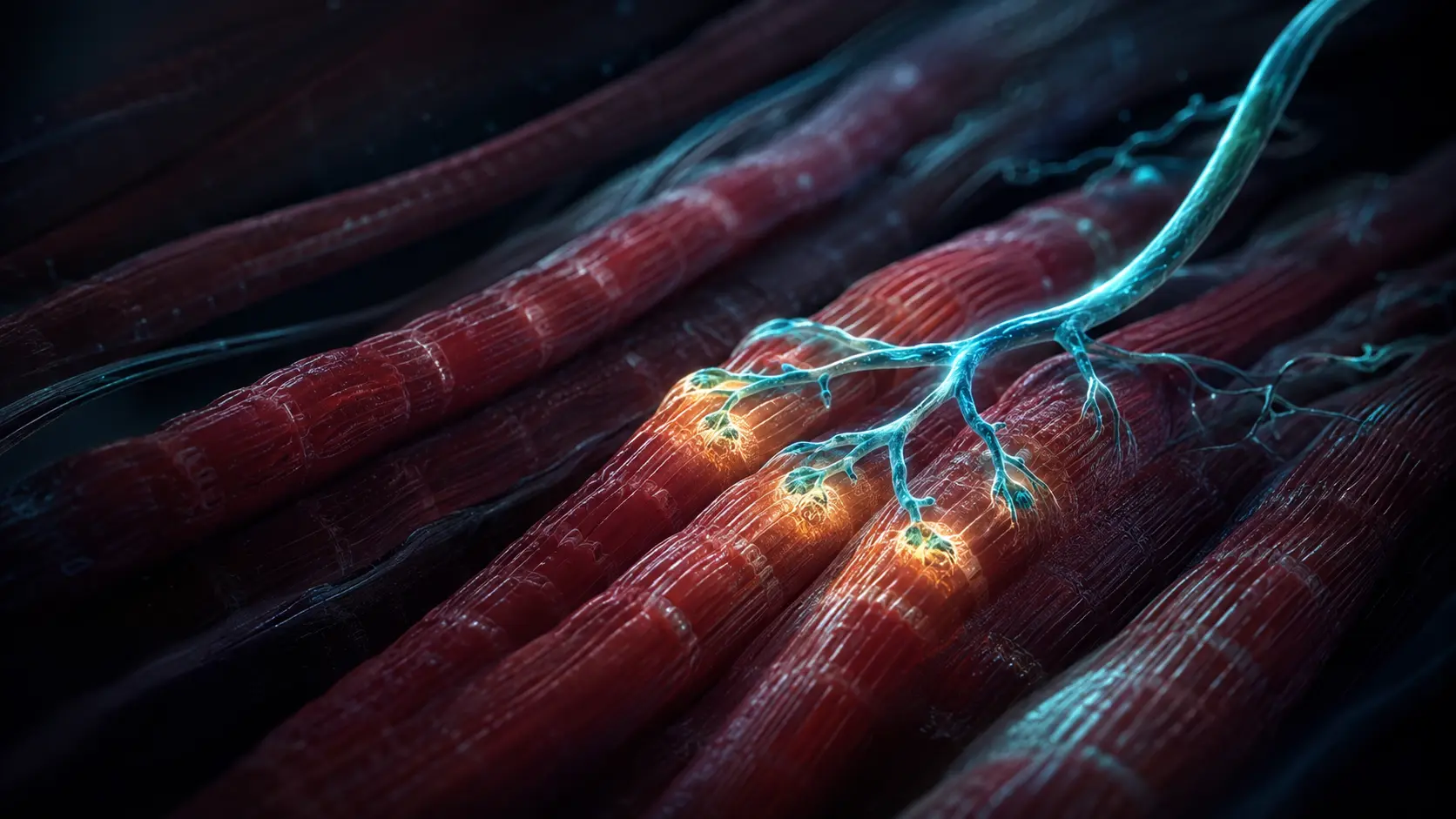
A motor neuron branches to multiple skeletal muscle fibers. Together they form a motor unit. During normal movement, the nervous system recruits many units in graded patterns. A fasciculation is a brief spontaneous discharge that activates enough connected fibers to create a visible flicker under the skin.
The source is usually distal in the motor nerve or its terminal branches rather than a conscious command from the motor cortex. Changes in membrane excitability can make a nerve more likely to fire. The movement differs from a cramp, which is painful, sustained and involves a stronger contraction.
Eyelids, calves, feet and thumbs are common places to notice twitches because small movements are visible and those muscles are frequently used. Attention amplifies the experience: once a person begins monitoring a spot, every pulse becomes difficult to ignore.
Why fatigue, stress and stimulants can matter
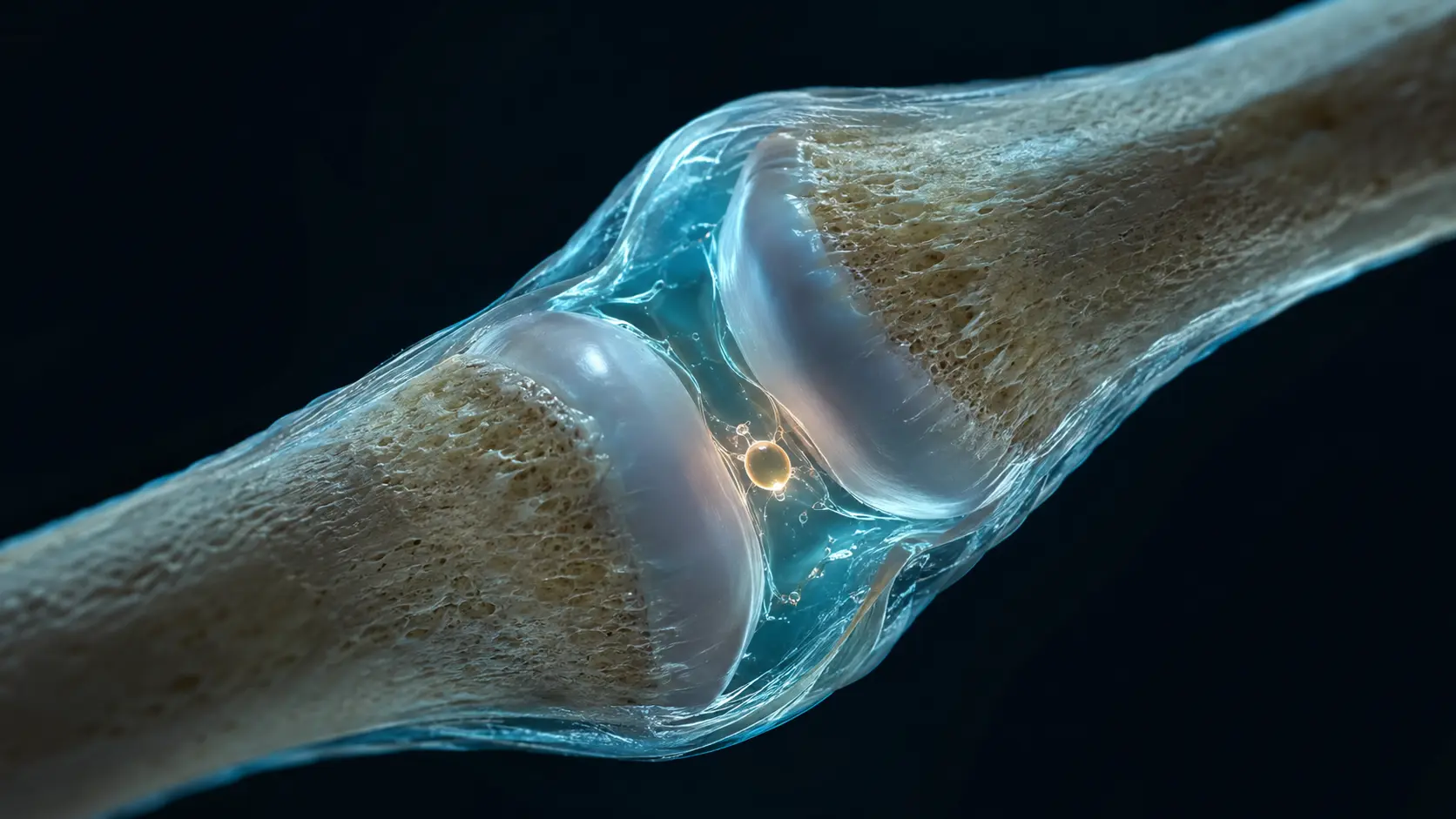
Hard exercise changes local ions, energy use and motor-nerve activity. Sleep loss and stress alter overall arousal. Caffeine blocks adenosine receptors and can increase excitability. These factors may not produce twitches in everyone, but they are common associations in otherwise healthy people.
Electrolyte and thyroid disorders, medications, nerve-root irritation and peripheral nerve or motor-neuron disease can also produce fasciculations. A clinician therefore looks for objective weakness, muscle atrophy, reflex changes, sensory symptoms and progression rather than judging one phone video in isolation.
Benign fasciculation syndrome describes persistent twitching without the progressive weakness and atrophy expected in a motor-neuron disorder. The distinction may require examination and, in selected cases, electromyography. Reassurance should be evidence-based rather than automatic.
From excitable motor nerve to visible ripple
A motor axon or terminal branch depolarizes spontaneously. The impulse reaches each muscle fiber in that motor unit, acetylcholine is released at neuromuscular junctions, and a small group of fibers contracts together.
Because neighboring units remain relaxed, the movement looks like a brief worm-like ripple rather than purposeful motion. When the abnormal discharge stops, the fibers relax immediately.
A neurological review explains why fasciculations can occur in healthy people and in disease.
Ultrasound research shows measurable differences between benign and ALS-related fasciculation patterns.
Try it yourself
Use a simple symptom note if twitching persists.
- Record the body area, approximate duration and recent exercise, sleep and caffeine.
- Note whether there is true weakness, muscle loss, numbness or pain.
- Discuss a persistent or progressive pattern with a healthcare professional.
Do not self-test strength to exhaustion or repeatedly search for twitches. New progressive weakness, trouble swallowing or breathing requires prompt medical care.
Why it matters
Understanding the motor unit removes some of the mystery without offering false reassurance. A common benign event and a neurological sign can look similar at one instant; progression and accompanying findings separate them.
The mechanism also demonstrates how small the units of movement are. The nervous system normally hides thousands of individual discharges inside one smooth action.
A twitch is one motor unit briefly firing on its own.
Most isolated fasciculations are benign, especially around fatigue or stress. Persistence, weakness and progression are the signals that change the interpretation.
Research behind this story
We link to the primary study or an authoritative indexed review wherever possible. Caveats in the text reflect the limits of that evidence.
01