Quick answer
A healing wound may itch because inflammation releases molecules that activate or sensitize itch-sensing nerve fibers. The damaged skin barrier and a dry, tightening scab can add mechanical irritation, while nerve endings and surrounding tissue change during repair. Scratching can reopen the surface and introduce microbes. Mild itch that gradually settles can be part of healing, but increasing redness, warmth, swelling, pain, pus, fever, red streaks or a wound that is opening should be assessed by a healthcare professional.
The cut no longer hurts as it did on the first day. A crust has formed, the edges look quieter—and now the skin begins to itch. That shift is common enough to feel like a milestone, but the biology is more complicated than the saying that itching means healing.
Skin repair changes several systems at once. Immune cells release signals, the surface loses and regains moisture, connective tissue reorganizes and sensory nerves respond to a chemically busy environment. Any combination can produce itch. The sensation can accompany normal repair, but it cannot certify that a wound is healthy.
Repair creates a chemically active environment
Wound healing overlaps in phases rather than moving through four perfectly separated boxes. Clotting limits blood loss. Inflammation recruits cells that clear damaged material and coordinate defense. New tissue and blood vessels fill the gap, then collagen and other structures are remodeled over weeks or longer.
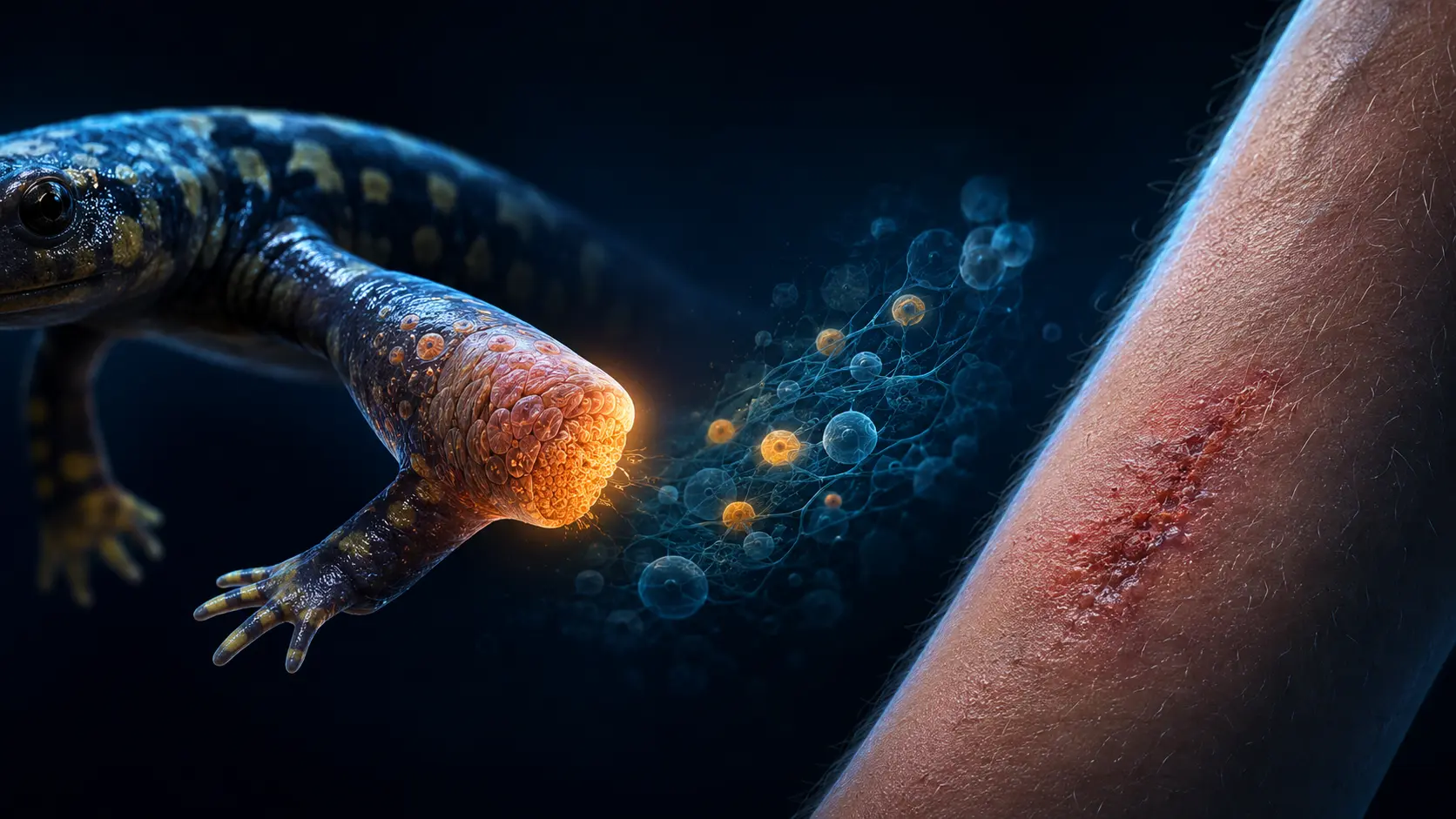
During these phases, immune cells and damaged tissues release histamine, proteases, cytokines and other mediators. Some act directly on sensory endings; others make the nerves more responsive to heat, touch or chemicals. Histamine can contribute, but wound itch is not a single-molecule event, which helps explain why an antihistamine does not solve every case.
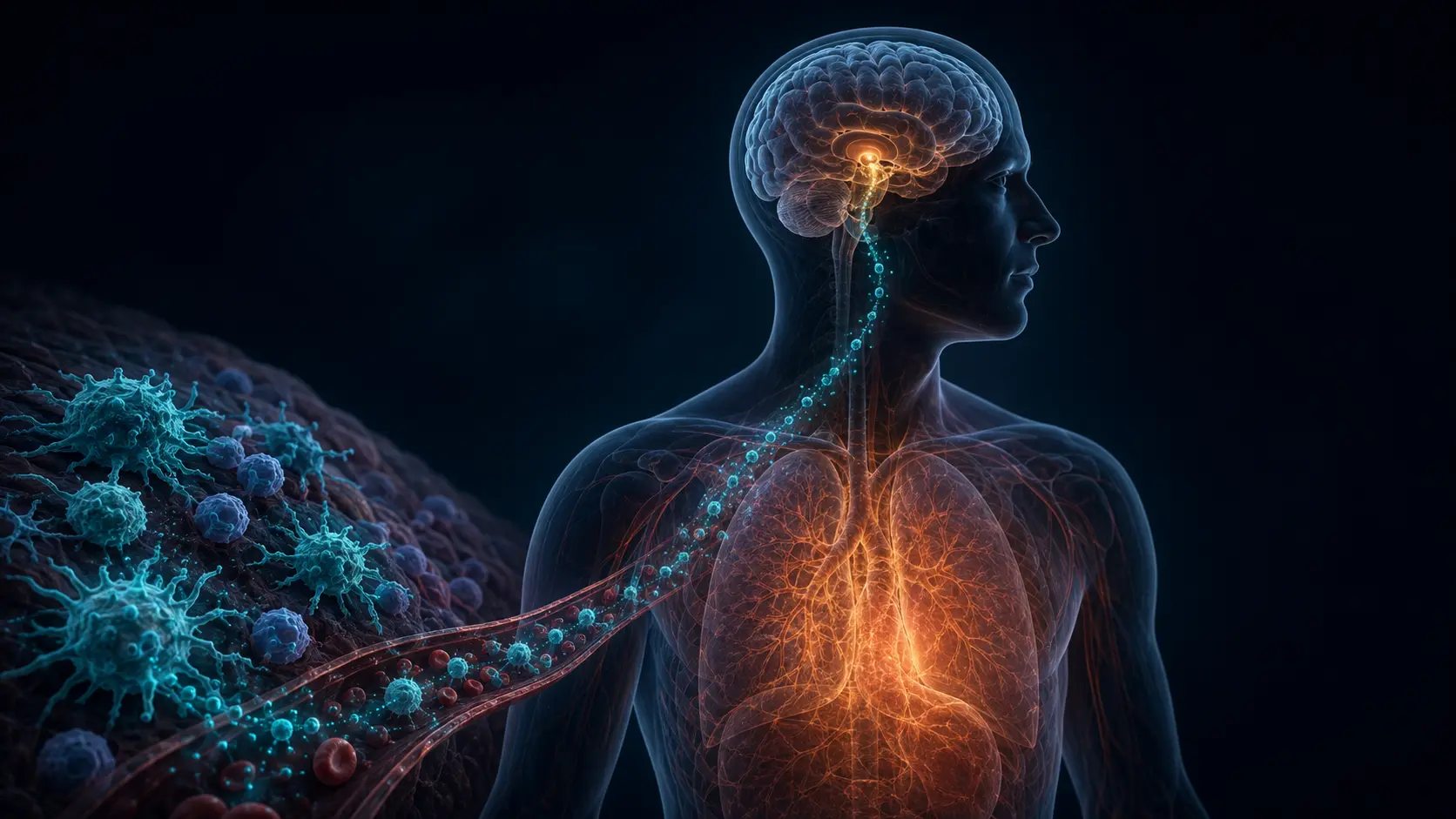
Pain and itch pathways overlap. Both begin in small sensory fibers and share parts of their spinal processing, yet the brain distinguishes the patterns well enough to create different urges: withdraw from pain, scratch an itch. After injury, that balance can shift as nerves are sensitized or reorganize around healing tissue.
The surface dries, tightens and moves
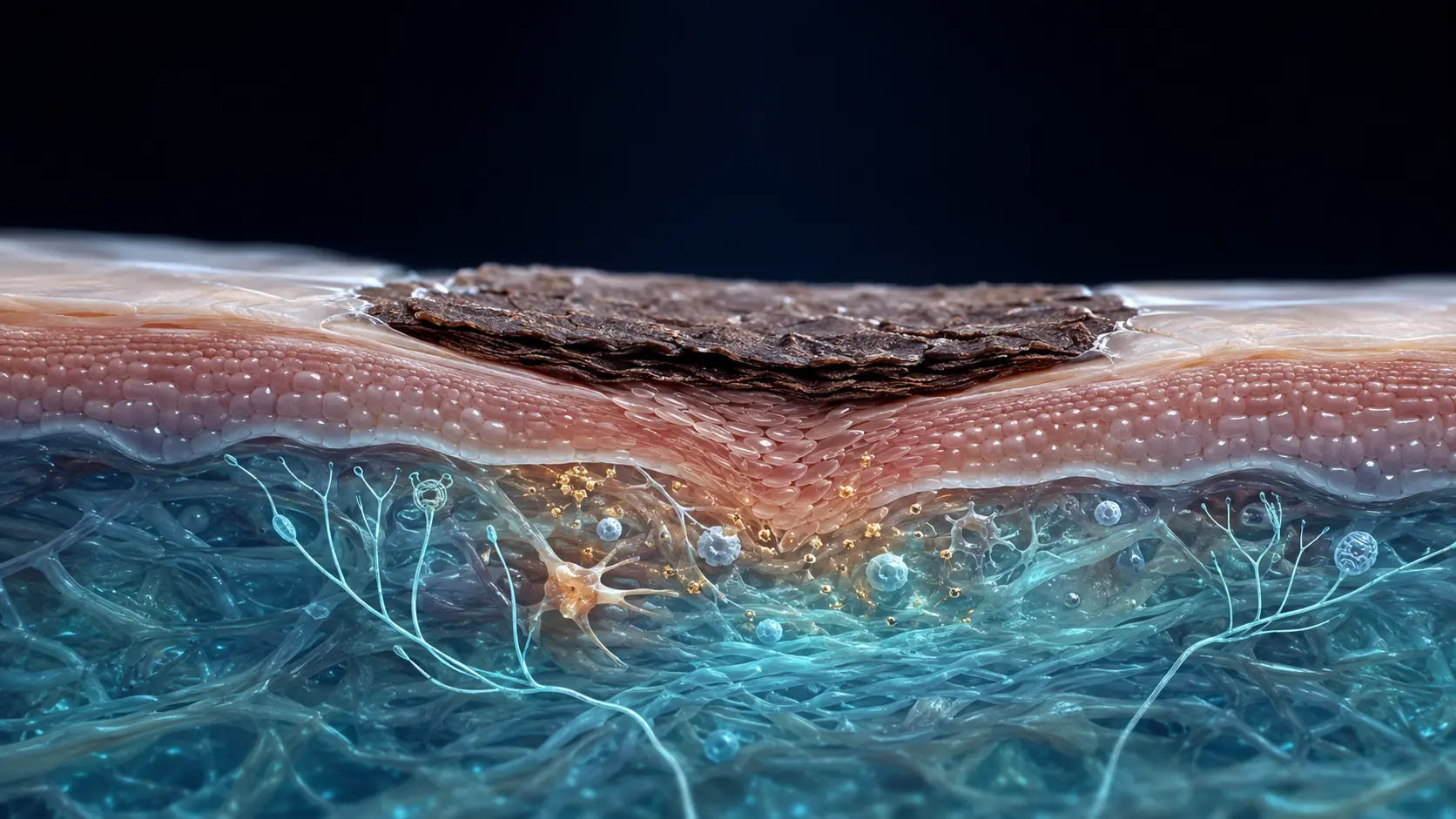
A scab is dried blood and wound fluid that protects tissue underneath. As the edges contract and new surface cells migrate, the crust can pull on surrounding skin. Dryness and small movements against clothing add physical triggers to the chemical signals already present.
The modern goal of wound care is not simply to create the driest possible scab. Depending on the wound, an appropriately moist, protected environment can support cell movement and reduce cracking. The right dressing and cleaning method depend on depth, location, contamination and medical conditions, so a serious wound should not be managed from a general article.
Scratching briefly activates competing touch and pain signals, which can suppress itch for a moment. The relief is costly if fingernails tear new tissue, remove the protective surface or carry microbes into the area. Cooling the surrounding intact skin and following proper dressing advice are safer than reopening the wound.
When itch needs a closer look
A mild itch that becomes less noticeable as the wound closes is common. Context matters more than the sensation by itself. Allergic contact dermatitis from an adhesive or topical product can create an itchy rash around the exact contact area. Eczema, medication reactions and chronic wounds add other possibilities.
Infection is more likely when changes are progressive: expanding redness, increasing warmth or swelling, worsening pain, cloudy drainage, an unpleasant smell, fever or red streaks. A bite, puncture, deep cut, burn, surgical wound or injury contaminated with soil may need specific professional care even before those signs appear.
Diabetes, reduced circulation and immune suppression can alter healing and lower the threshold for seeking help. A wound that is not closing as expected deserves assessment rather than repeated home treatments. Itch is one clue in a larger pattern, never the whole diagnosis.
From tissue damage to an urge to scratch
Injury disrupts the barrier and activates immune and repair pathways. Chemical mediators change the excitability of sensory nerve endings, while drying, contraction and contact at the surface provide additional mechanical input.
Those signals enter spinal itch pathways and reach brain networks that create the conscious sensation and scratching urge. As inflammation resolves and the barrier matures, the input usually decreases. Persistent itch can reflect ongoing inflammation, scarring, nerve change or another skin problem.
Clinical reviews describe inflammatory, neuropathic and skin-barrier contributions to itch associated with wounds.
Research on mast cells shows how immune mediators can interact closely with sensory nerves in itch and pain.
Try it yourself
Track the pattern without scratching.
- Follow the cleaning and dressing advice appropriate for the wound rather than removing the covering just to inspect it repeatedly.
- Notice whether itch, redness, warmth, pain and drainage are improving together over time.
- If the pattern worsens or the wound is high-risk, contact a qualified healthcare professional instead of testing new products on it.
This is general education, not wound-care advice. Do not press, scratch or apply an unrecommended substance to a healing wound.
Why it matters
A small wound reveals that the skin is an immune organ, a sensory surface and a physical barrier at the same time. Repair succeeds only when those roles are coordinated.
Understanding the limits of the familiar itch-equals-healing rule can prevent false reassurance. Symptoms are meaningful as a pattern and a trend, not as isolated proof that recovery is normal.
Healing can itch, but itch does not guarantee healing.
Inflammation, barrier change, surface tension and sensitized nerves can all produce the sensation. Protect the tissue and pay attention to the whole wound, not the itch alone.
Research behind this story
We link to the primary study or an authoritative indexed review wherever possible. Caveats in the text reflect the limits of that evidence.
01