Quick answer
Stem cells have two linked capacities: self-renewal, meaning they can produce more stem cells, and differentiation, meaning descendants can acquire specialized identities. Embryonic stem cells are pluripotent and can produce cell types from all three embryonic germ layers. Adult tissue stem cells are usually multipotent or more restricted, maintaining systems such as blood, skin and intestine. Scientists can also reprogram mature cells into induced pluripotent stem cells. Stem cells are established tools in research and blood-forming stem-cell transplantation, but many advertised uses remain experimental, unproven or unsafe.
Blood cells last from hours to years. The intestinal lining replaces itself quickly. Skin repairs small injuries again and again. Behind those schedules are populations that preserve themselves while supplying new specialized descendants.
That ability defines stem cells more accurately than appearance. Some can form nearly every body cell; others have a narrow local job. The same name covers distinct biological states, and it does not mean every laboratory finding has become a safe treatment.
Renewal and specialization stay in balance
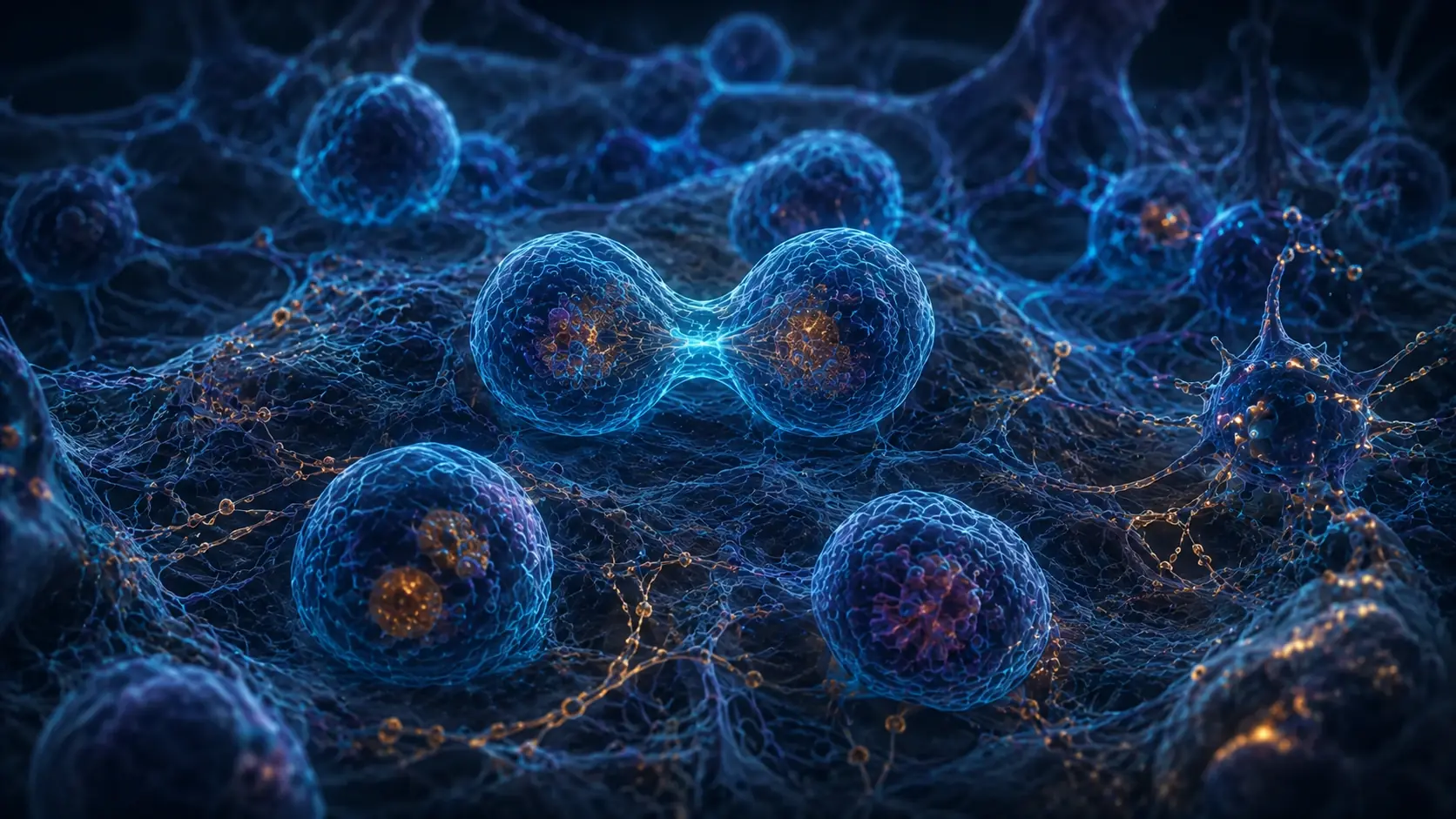
A division can produce two stem cells, two daughters moving toward specialization, or one of each. Populations adjust those outcomes rather than following one rigid rule. Too little renewal depletes the source; excessive uncontrolled renewal can contribute to abnormal growth.
Differentiation is a sequence of changing gene activity, signaling and cell behavior. A daughter often passes through progenitor stages before becoming a mature neuron, blood cell or epithelial cell. Progenitors may divide vigorously but usually have less long-term renewal capacity.
Researchers identify stem cells through lineage tracing, transplantation, molecular markers and functional tests. No universal marker proves stemness in every tissue. Behavior over time in the normal environment is part of the definition.
Potency describes the range of descendants
A totipotent cell can contribute to an embryo and supporting extraembryonic tissues; this state exists just after fertilization. Pluripotent cells can generate derivatives of all three germ layers but do not ordinarily build an entire organism by themselves.
Multipotent stem cells produce several related types. Hematopoietic stem cells continually supply red cells, platelets and diverse immune cells. Other adult stem cells are more restricted and maintain a particular tissue compartment.
Induced pluripotent stem cells are mature cells reprogrammed with defined factors. They are valuable for disease models, drug testing and developmental research, but reprogramming does not erase every technical risk or make cells automatically suitable for transplantation.
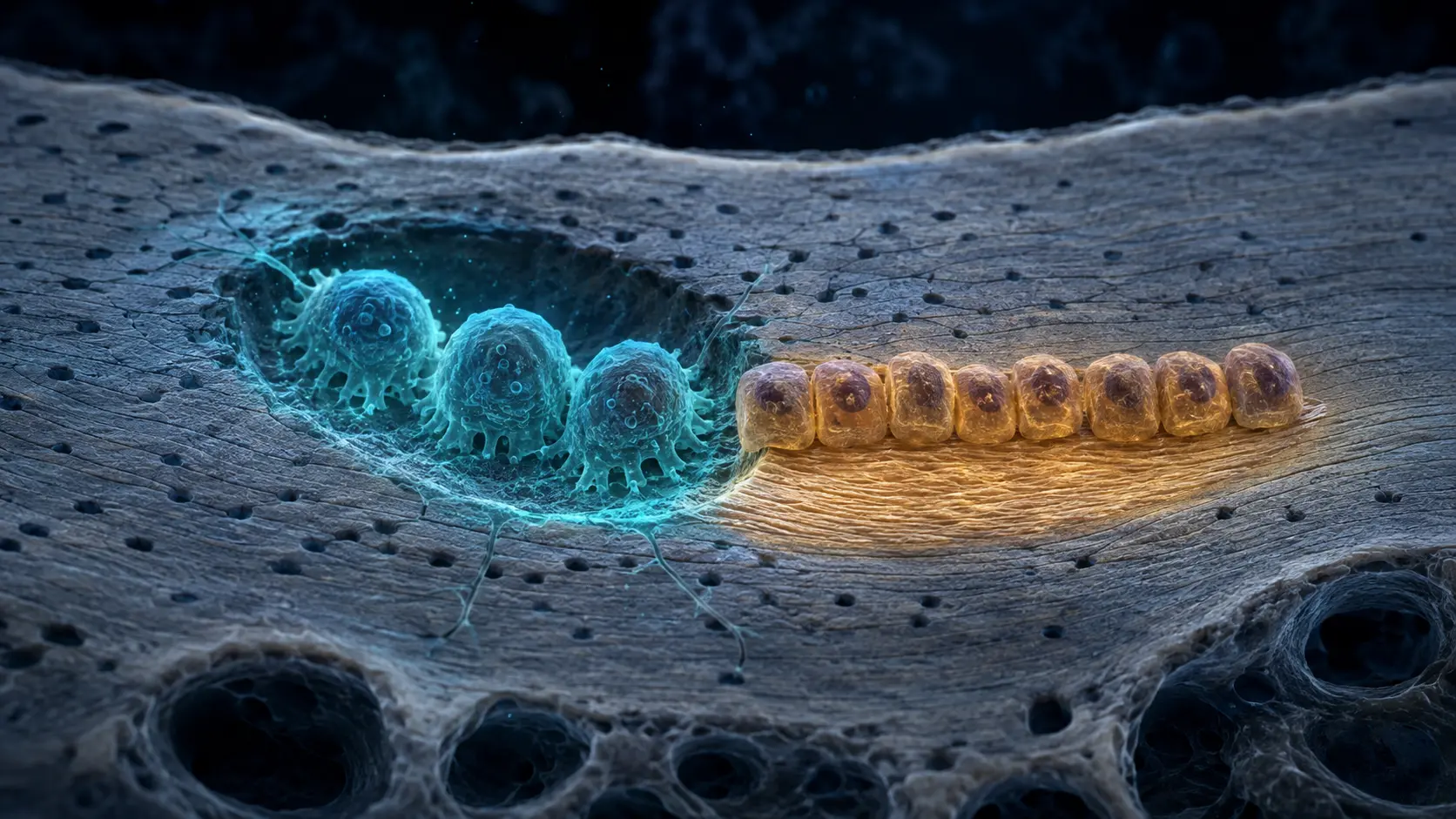
The tissue niche helps decide cell fate
Stem cells receive signals from neighboring cells, extracellular matrix, nerves, blood vessels and metabolites. This niche can keep them quiet, prompt division or guide daughters toward a lineage. Removing a cell from that setting may change its behavior.
Bone marrow niches regulate blood-forming cells, while intestinal crypts organize renewal along a tiny spatial axis. The general niche principle is established, but the full set of interactions remains active research.
Age, inflammation and injury can alter niches as well as the cells themselves. That helps explain why regeneration can decline even while some stem cells remain, and why one injected cell type cannot plausibly repair every organ.
Proven therapy and promise are different
Blood-forming stem-cell transplantation is established for selected cancers, immune disorders and inherited diseases. It can rebuild blood production but carries risks including infection, graft-versus-host disease and treatment toxicity.
Retinal, insulin-producing, cardiac and neural cell applications are being tested at different stages. An animal result or early trial shows possibility, not routine effectiveness. Identity, purity, dose, immune rejection and tumor risk all matter.
Regulators warn that many clinics market unapproved products for unrelated conditions. The unresolved question is not whether stem cells are powerful biology, but which specific product is safe and effective for which disease.
How a stem-cell pool supplies tissue
Niche signals regulate whether a cell stays quiet, self-renews or produces a committed daughter.
Successive progenitors narrow their options while acquiring the structure and gene program for a specialized role.
NIH Stem Cell Basics distinguishes pluripotent cells from tissue-specific adult stem cells.
Why it matters
Separating potency from therapeutic usefulness prevents the word stem from becoming a catch-all promise.
The niche shows why regeneration depends on a living system, not on a cell operating alone.
Stem cells preserve possibility within limits.
They renew themselves and generate specialized descendants, but the range and medical value depend on the exact cell and context.
Research behind this story
We link to the primary study or an authoritative indexed review wherever possible. Caveats in the text reflect the limits of that evidence.
01