Quick answer
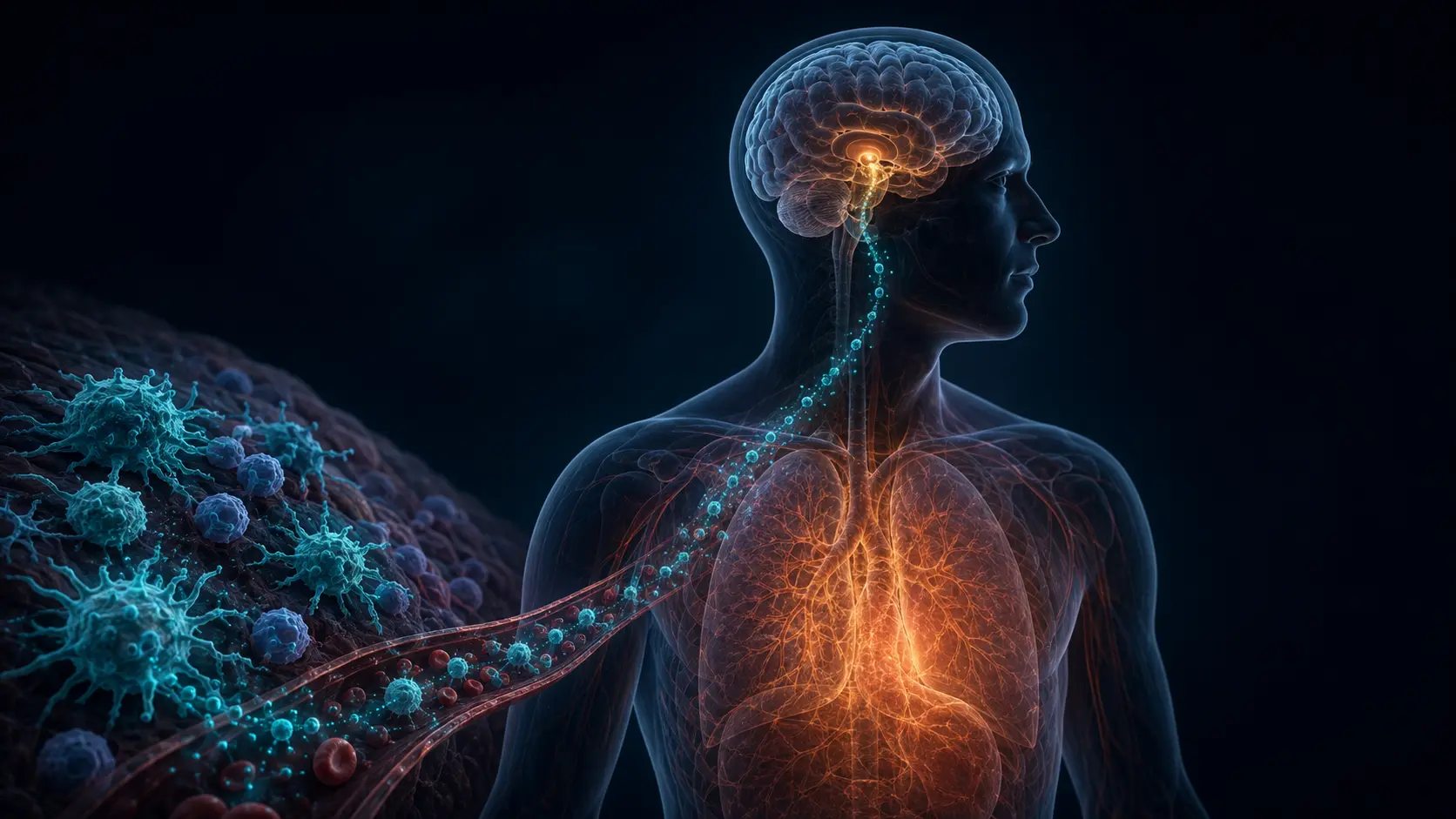
Inflammation is a protective biological response to infection, tissue injury, toxins or other danger signals. Local cells release cytokines, chemokines, lipid mediators and other molecules that widen vessels, increase vascular permeability and guide immune cells into the affected tissue. Neutrophils often arrive early to attack microbes and remove debris; monocytes and macrophages coordinate cleanup and repair. Acute inflammation can be brief and useful. Chronic inflammation persists when the trigger remains, immune regulation fails or repair cannot finish, and it can damage healthy tissue. Inflammation is a mechanism, not one diagnosis or a reliable conclusion from a single blood test.
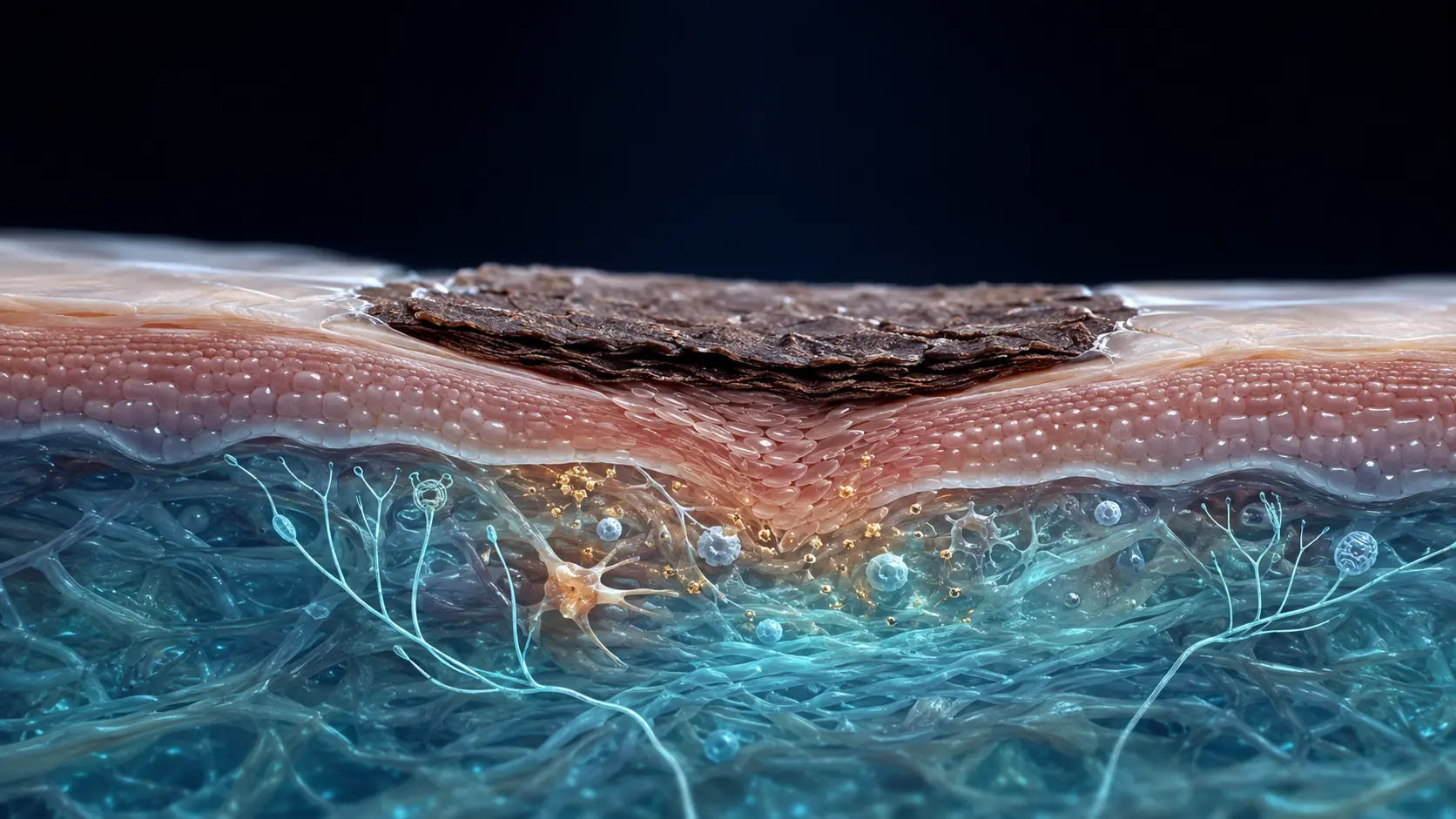
A splintered finger can become warm, red, swollen and tender within hours. Those changes are often treated as a problem in themselves, yet they begin as part of a solution. Injured tissue has to contain microbes, clear damaged material and organize repair without waiting for the entire immune system to deliberate.
Inflammation is the coordinated response that makes this possible. Cells sense danger, release mediators, alter nearby blood vessels and recruit specialized immune cells. A successful response does more than switch on—it also limits itself, clears the scene and moves toward resolution. Trouble develops when the response is excessive, misdirected or unable to end.
Tissue cells detect both invaders and internal damage
Immune sentinels such as macrophages and mast cells carry receptors that recognize conserved microbial structures. Many cells can also detect molecules released or exposed when membranes rupture, proteins are damaged or tissue chemistry changes. The system therefore responds not only to infection but also to sterile injuries such as a burn or blunt trauma.
Recognition triggers signaling networks that produce cytokines and chemokines. Complement proteins, clotting pathways and lipid mediators can join the response. No single molecule is 'inflammation'; the state emerges from many interacting signals whose timing and location determine what happens next.
The trigger matters. A small cut, viral infection, allergen and autoimmune attack can all involve inflammation but begin through different sensors and recruit different cell populations. That is why the word alone cannot identify a cause or specify treatment.
Blood vessels turn a local alarm into visible signs
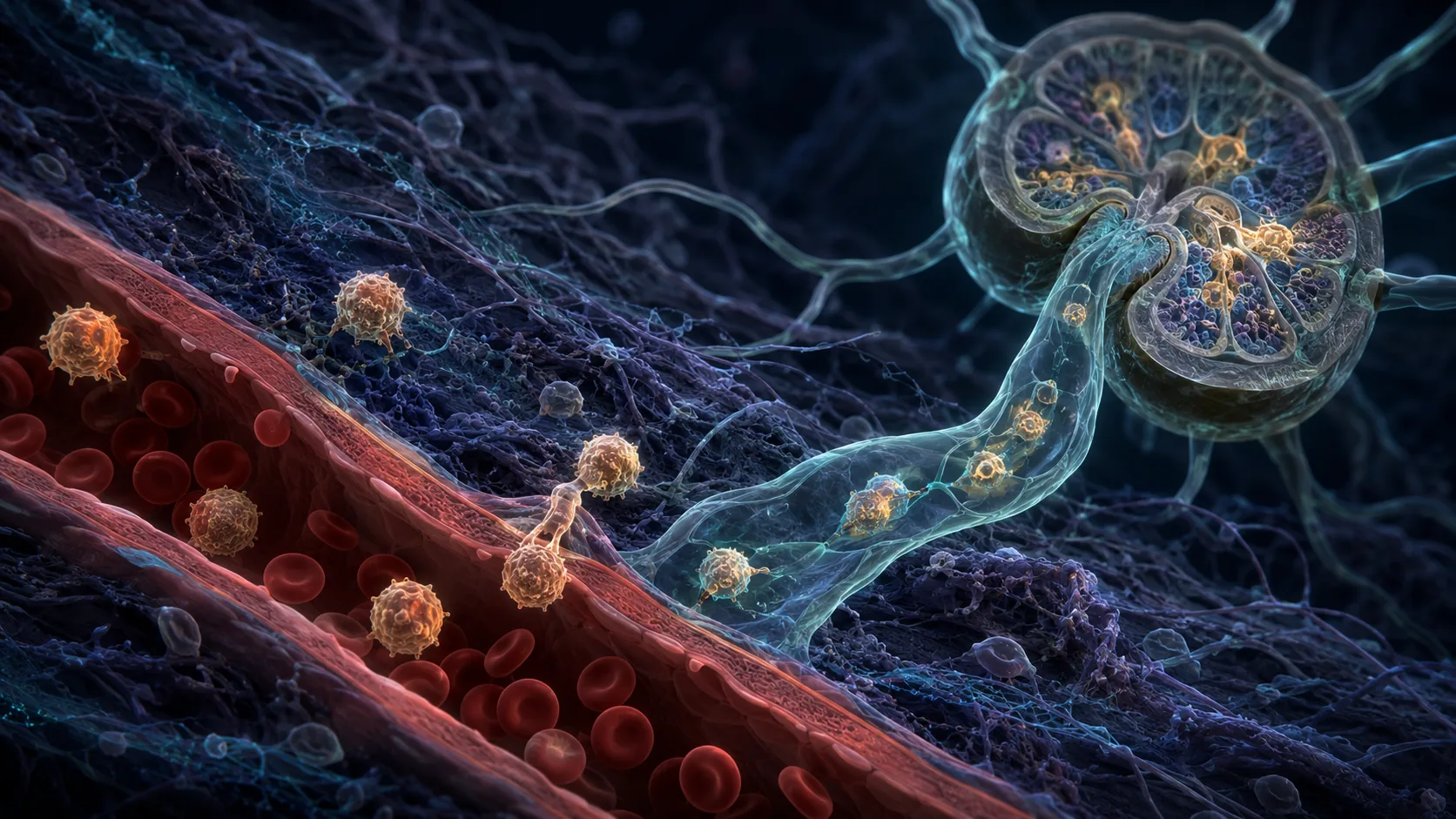
Mediators can dilate small vessels, increasing local blood flow and contributing to redness and warmth. Endothelial cells lining those vessels change how tightly they connect and which adhesion molecules they display. Plasma proteins and fluid enter the tissue more readily, helping produce swelling.
Sensory nerves respond to mediators and pressure, producing tenderness or pain. Swelling and pain can limit movement around an injury, which may reduce further damage, but they can also impair function when the response is large or occurs in a confined space.
The classic signs—redness, heat, swelling, pain and altered function—are therefore consequences of vascular, neural and cellular changes. They are useful clues, not a complete test. Deep organs can be inflamed without visible redness, and redness can have causes other than inflammation.
Neutrophils arrive quickly, then macrophages reshape the response
Chemokine gradients and endothelial adhesion guide circulating leukocytes toward the affected site. Neutrophils are prominent early responders in many acute reactions. They can engulf microbes, release antimicrobial substances and help contain a threat, but their weapons can also injure nearby tissue if activation spreads.
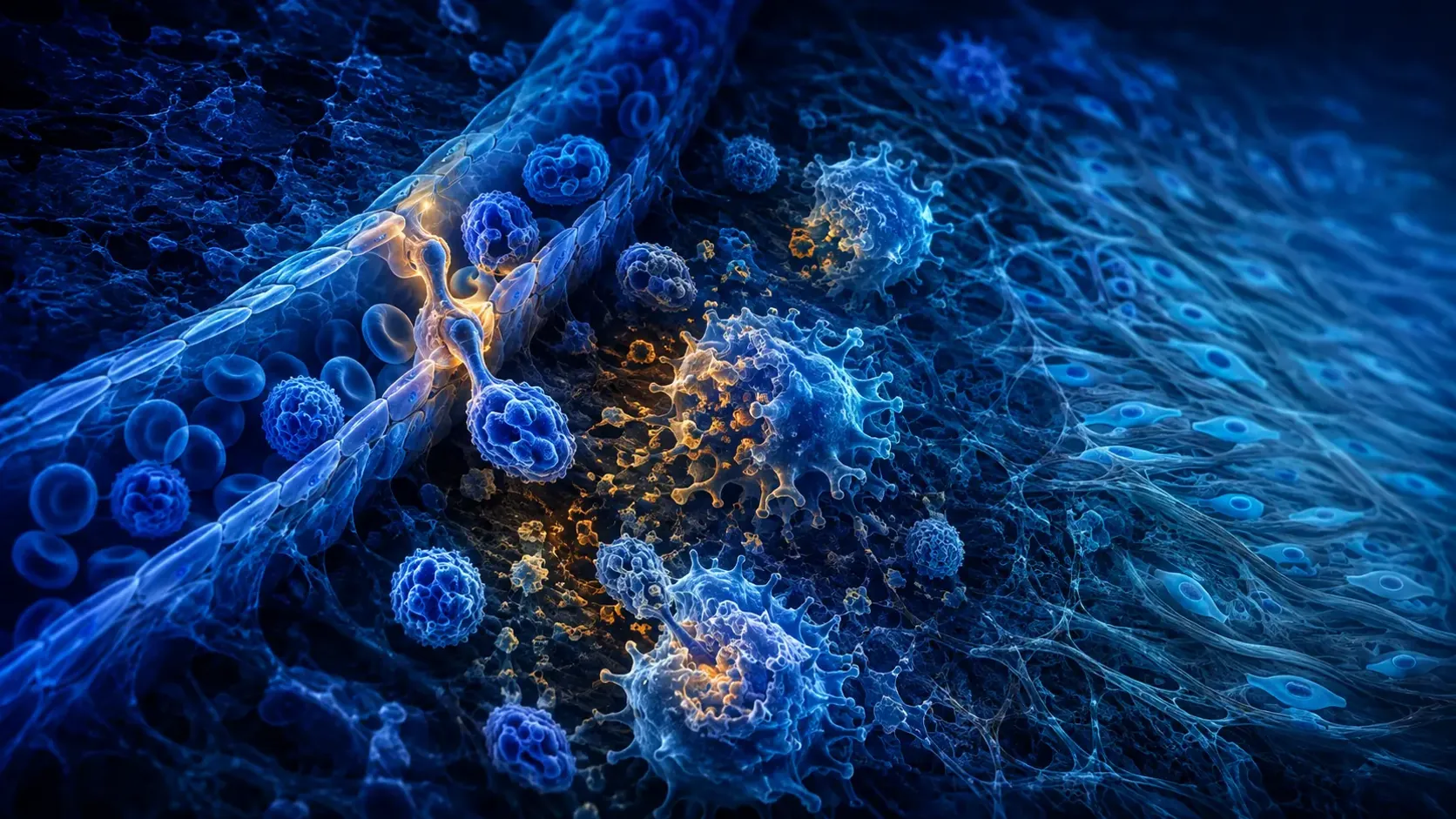
Monocytes enter and differentiate into macrophages, while resident macrophages change their activity. These cells remove dead cells and debris, present information to other immune cells and release signals that influence fibroblasts, blood vessels and extracellular matrix. Their roles cannot be reduced to a rigid good-versus-bad switch; populations and states overlap.
If adaptive immunity is needed, antigen-presenting cells help activate lymphocytes with more specific recognition. Antibodies and T cells may then contribute. Inflammation and adaptive immunity cooperate, but they are not synonyms: inflammation can begin before a pathogen-specific response is available.
Resolution is an active phase, not inflammation running out of fuel
As a threat is controlled, continued neutrophil recruitment should decline. Neutrophils undergo programmed death, macrophages clear them, and mediator patterns shift toward repair and restoration. Fluid drains, vessel behavior normalizes and tissue cells rebuild what can be replaced.
When the trigger persists—or regulation and repair fail—the response can become chronic. Long-lived macrophages, lymphocytes, fibroblasts and repeated tissue injury may coexist. Chronic inflammation contributes to many diseases, but the phrase is broad and should not be used to diagnose fatigue, pain or weight change without proper evaluation.
Reducing harmful inflammation may require treating an infection, controlling autoimmunity, removing an irritant or addressing a specific disease pathway. The idea that all inflammation is harmful is as misleading as the idea that more inflammation is always protective. Biology depends on the response being proportionate, localized and able to resolve.
From danger signal to repair
Injury or microbial molecules activate local sensors. Mediators change blood flow and vessel permeability, then chemokines guide neutrophils and monocytes from blood into tissue.
After containment and cleanup, mediator programs shift. Macrophages remove dying cells and coordinate rebuilding. If the trigger remains or resolution fails, the same protective machinery can sustain tissue damage.
A broad review defines inflammation as an immune response to pathogens, damaged cells and toxic compounds.
Resolution research explains how the response actively limits continued neutrophil recruitment and clears spent cells.
Why it matters
Inflammation connects many Deep Structure stories: fever changes whole-body physiology, allergy misclassifies harmless material, clotting seals damaged vessels and wound healing rebuilds tissue.
Recognizing inflammation as a regulated sequence also guards against wellness myths. No food, supplement or laboratory value can summarize every inflammatory pathway in every tissue.
Inflammation protects by changing the local rules temporarily.
It opens access, recruits defense and begins repair. Health depends on matching the response to the threat—and ending it when the work is done.
Research behind this story
We link to the primary study or an authoritative indexed review wherever possible. Caveats in the text reflect the limits of that evidence.
01