Quick answer
The human microbiome is the collection of microorganisms, their genes and their ecological interactions on and inside the body. It includes bacteria, archaea, fungi and viruses living in distinct habitats such as the gut, mouth and skin. These communities help process compounds our cells cannot digest alone, produce metabolites, compete with pathogens and interact with immune and barrier tissues. Composition differs greatly among healthy people and changes with age, diet, medicines, infections and environment. Research has established important microbial functions, but most commercial microbiome scores and claims about one universally ideal community go beyond current evidence.
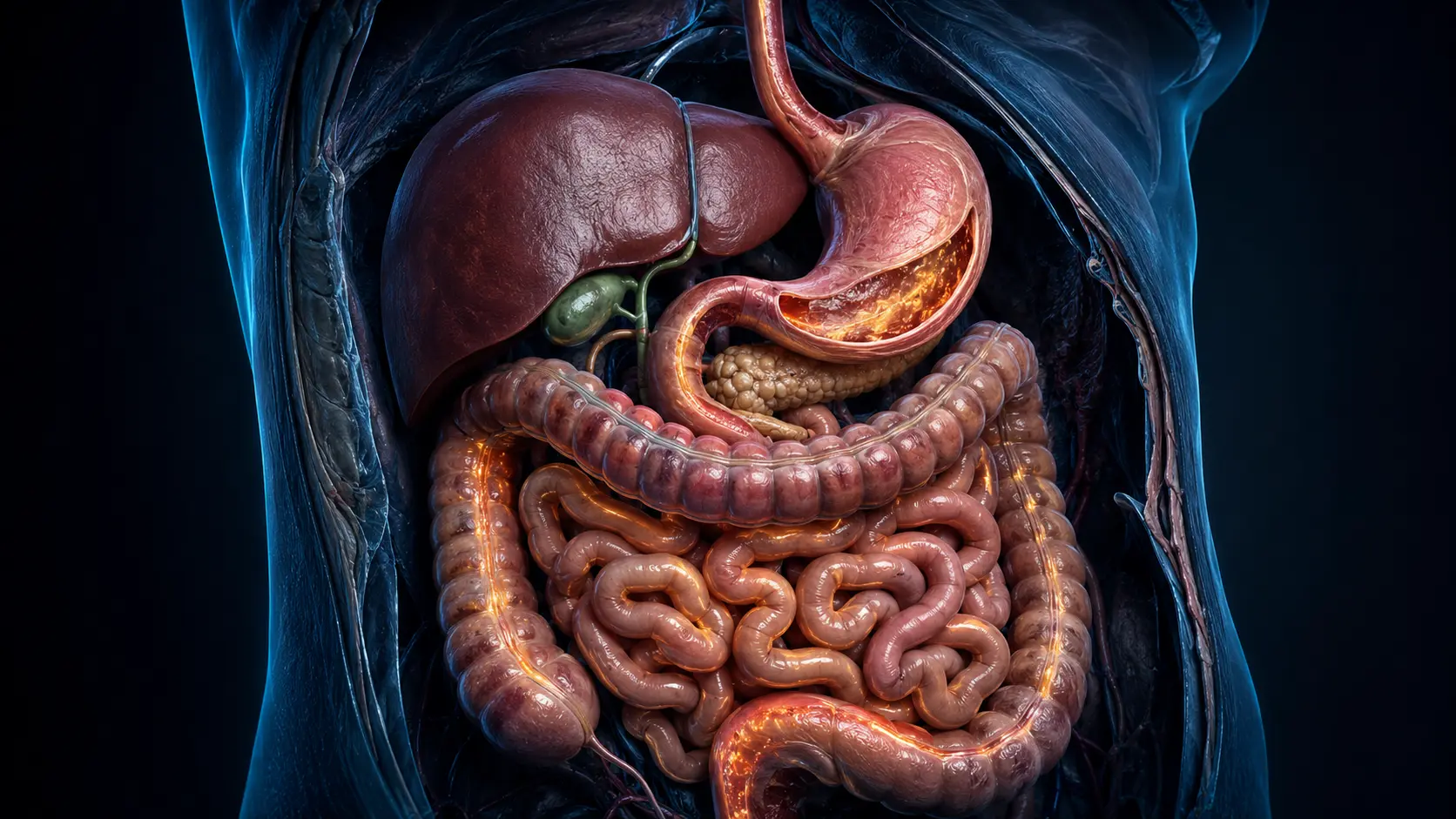
A stool sample can contain DNA from hundreds of microbial species, yet it represents only one habitat at one moment. The mouth, skin, airways, intestine and reproductive tract each select different communities through oxygen, moisture, nutrients, acidity and immune activity.
Microbiota means the organisms themselves. Microbiome is often used more broadly for those organisms, their genes and their surrounding ecological conditions. The terms overlap in everyday writing, but neither describes a single organ or a score that can be optimized with one product.
There is no single microbiome inside the body
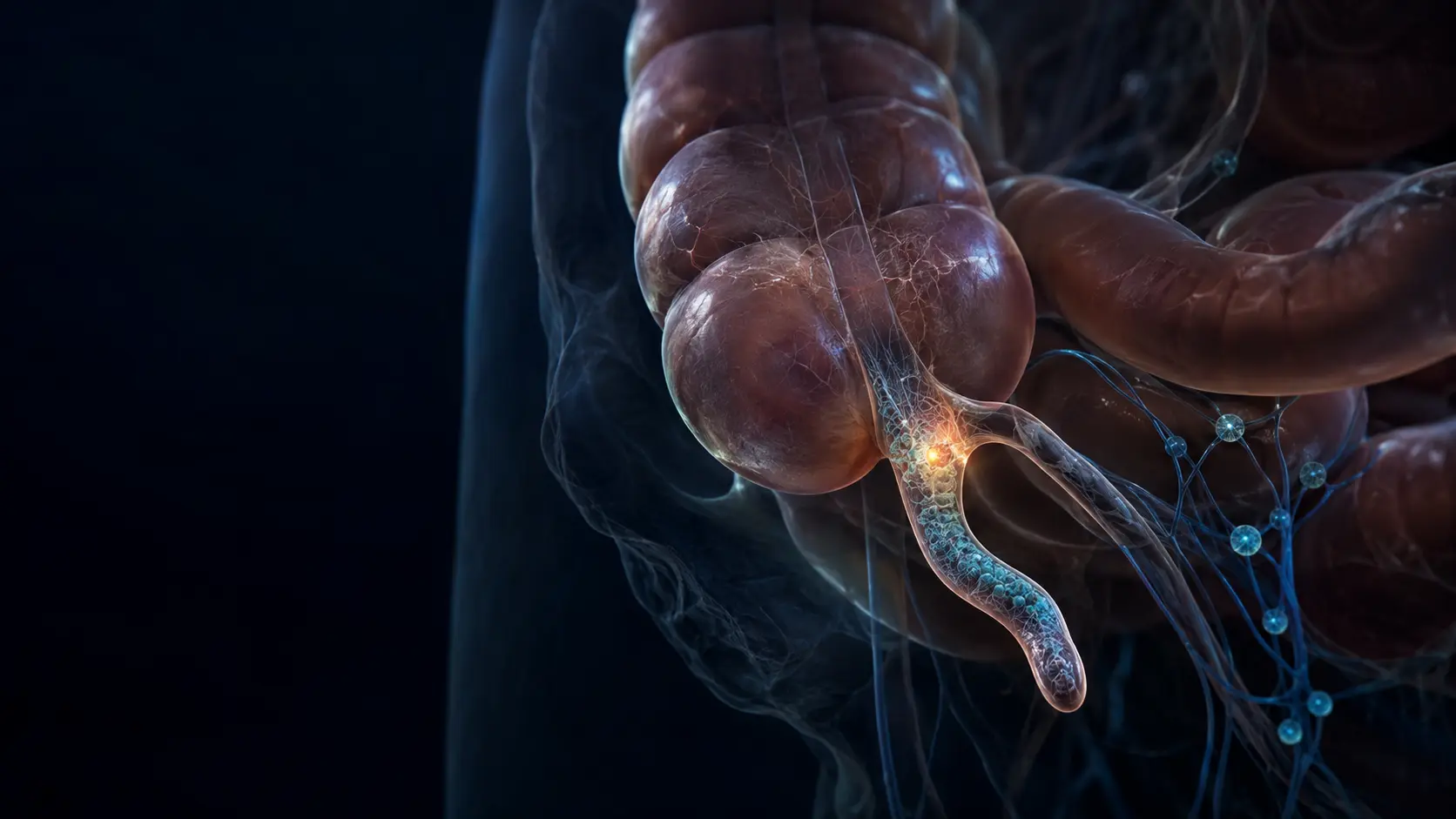
The colon is densely populated because it is nutrient-rich and largely low in oxygen. The small intestine has faster flow and different chemistry. Skin sites range from oily to dry, while the mouth contains teeth, tongue, saliva and gum surfaces with their own niches.
A species that is ordinary in one site may be unusual in another. Sampling method also changes what researchers detect: DNA sequencing can reveal organisms that are difficult to grow, but it may detect genes without proving that every microbe is active at that moment.
Most microbiome studies describe relative abundance—the fraction of detected sequences assigned to a group. That is not always the same as the absolute number of organisms, an important limit when comparing samples.
Microbes contribute chemistry and ecological resistance
Gut microbes ferment some fibers and resistant starches that human enzymes do not break down. Products including short-chain fatty acids can be used by colon cells and participate in signaling. Other microbes transform bile acids, vitamins and dietary compounds.
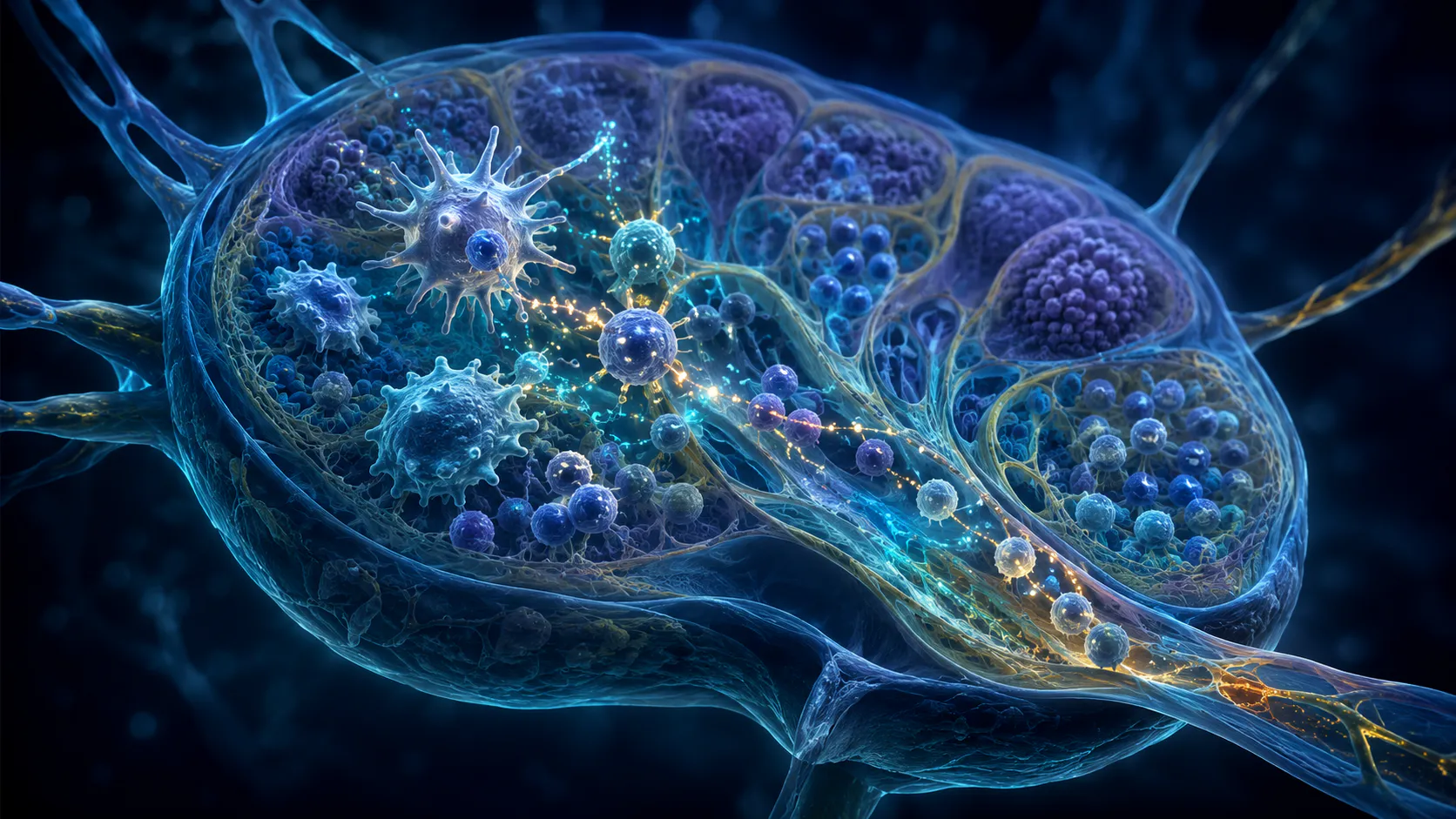
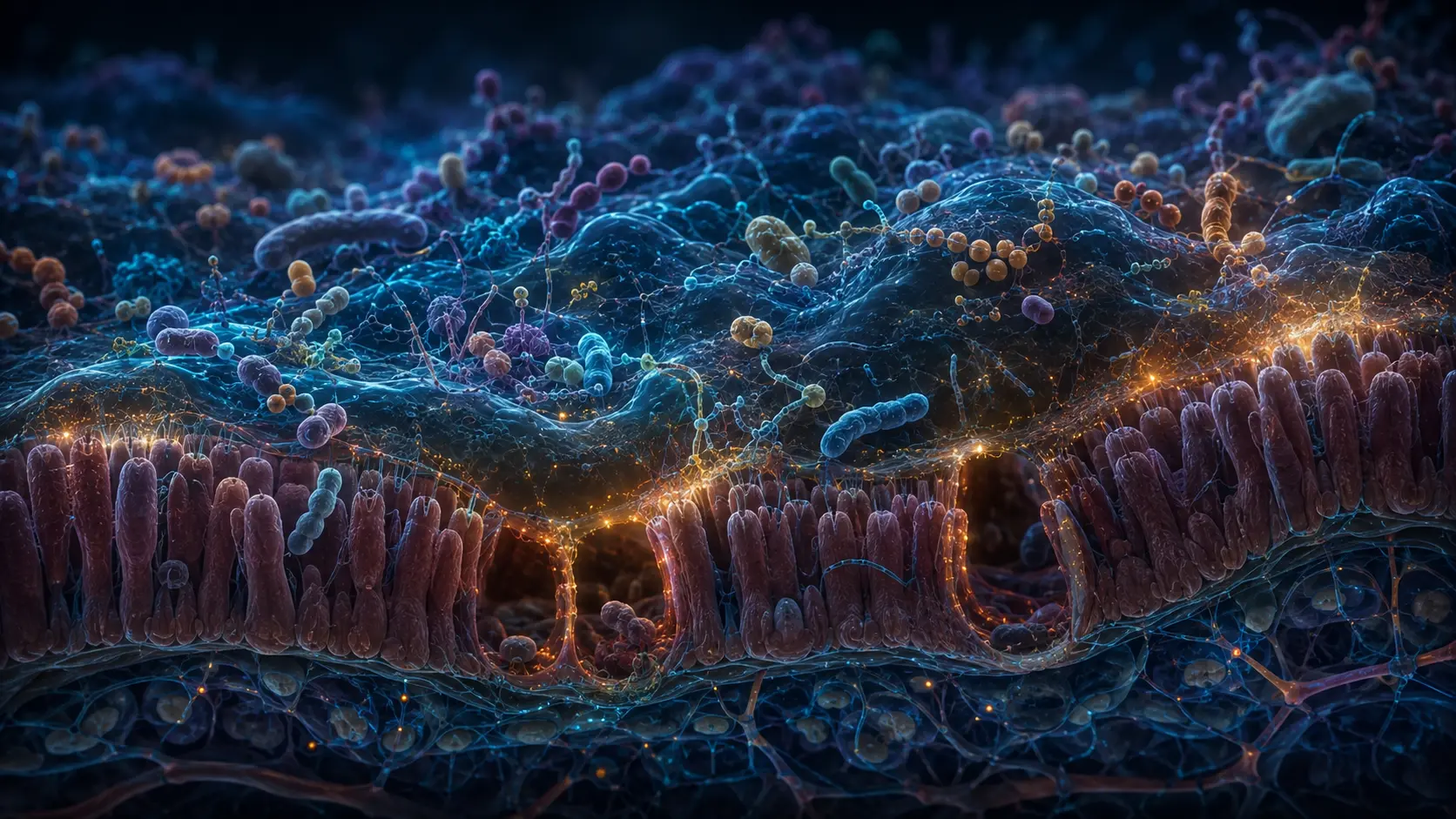
Resident communities also occupy space and consume resources, making it harder for some incoming pathogens to establish. They interact with mucus, epithelial cells and immune networks that learn to tolerate ordinary residents while retaining defensive capacity.
These functions are established at a broad level. The effect of one species or metabolite can depend on diet, neighboring organisms, dose and host biology, so a microbe cannot always be labeled simply good or bad.
Healthy communities can look different
Large projects have found substantial variation among people and body sites. Two healthy adults may share functional capabilities even when different microbial species perform them. Stability and resilience can be as informative as a single diversity number.
Antibiotics, infection and major dietary changes can disturb a community, sometimes temporarily and sometimes for longer. Age, geography, household contacts and early development also shape assembly. These influences are real, but they do not let a consumer test reconstruct every cause from one sample.
Lower diversity is associated with some diseases, yet diversity alone does not reliably diagnose health. Some low-diversity communities are normal for a particular site, and higher diversity can include unwanted organisms. Function and clinical context matter.
Association is not the same as a treatment target
Many conditions correlate with altered microbial patterns, often called dysbiosis. That label describes a difference; it does not automatically show whether the difference caused disease, resulted from it or reflects medication and diet.
Fecal microbiota products have specific evidence-based clinical uses under medical supervision, while broad claims that supplements can reset every person's microbiome are not established. Probiotic effects are strain- and condition-specific rather than a property of the word probiotic.
The most defensible picture is dynamic: microbes are biologically important partners, but their effects emerge from a host–environment ecosystem. Persistent digestive or systemic symptoms require medical assessment, not interpretation from a commercial diversity score alone.
How a microbial community affects its habitat
Local conditions select organisms able to grow there. Those organisms consume substrates, release metabolites and alter the resources available to their neighbors.
Human epithelial, immune and nervous systems sense parts of that chemistry, while diet, medicines and physiology reshape the habitat in return.
The NIH Human Microbiome Project created shared resources for studying human microbial communities.
Why it matters
The ecological model explains why microbiome findings rarely reduce to one hero species or one ideal composition.
It also separates established functions from diagnostic and wellness claims that still need controlled human evidence.
Your microbiome is an ecosystem, not a grade.
Its members and genes vary widely; what they do, where they live and how the host responds matter more than one universal score.
Research behind this story
We link to the primary study or an authoritative indexed review wherever possible. Caveats in the text reflect the limits of that evidence.
01