Quick answer
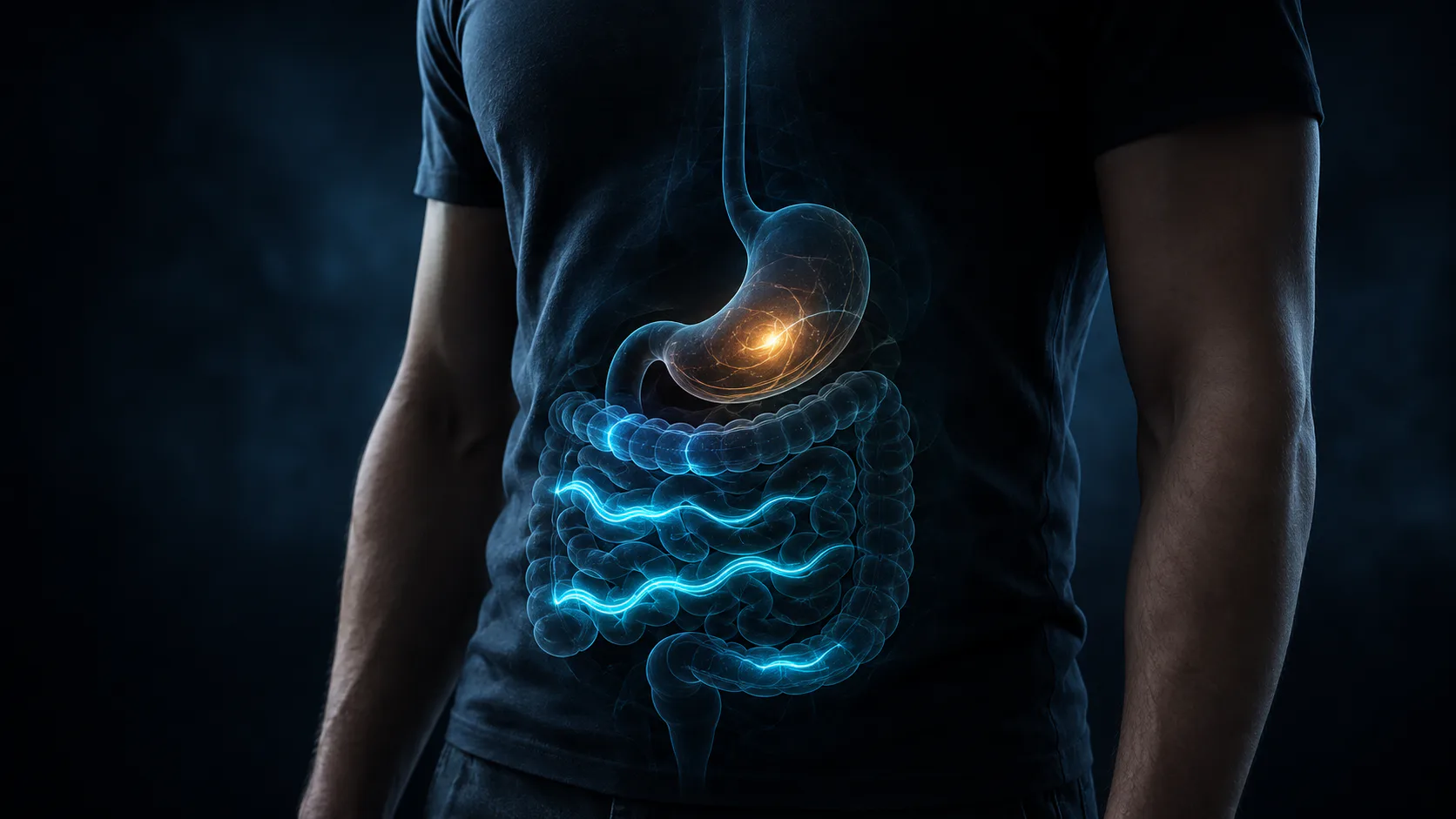
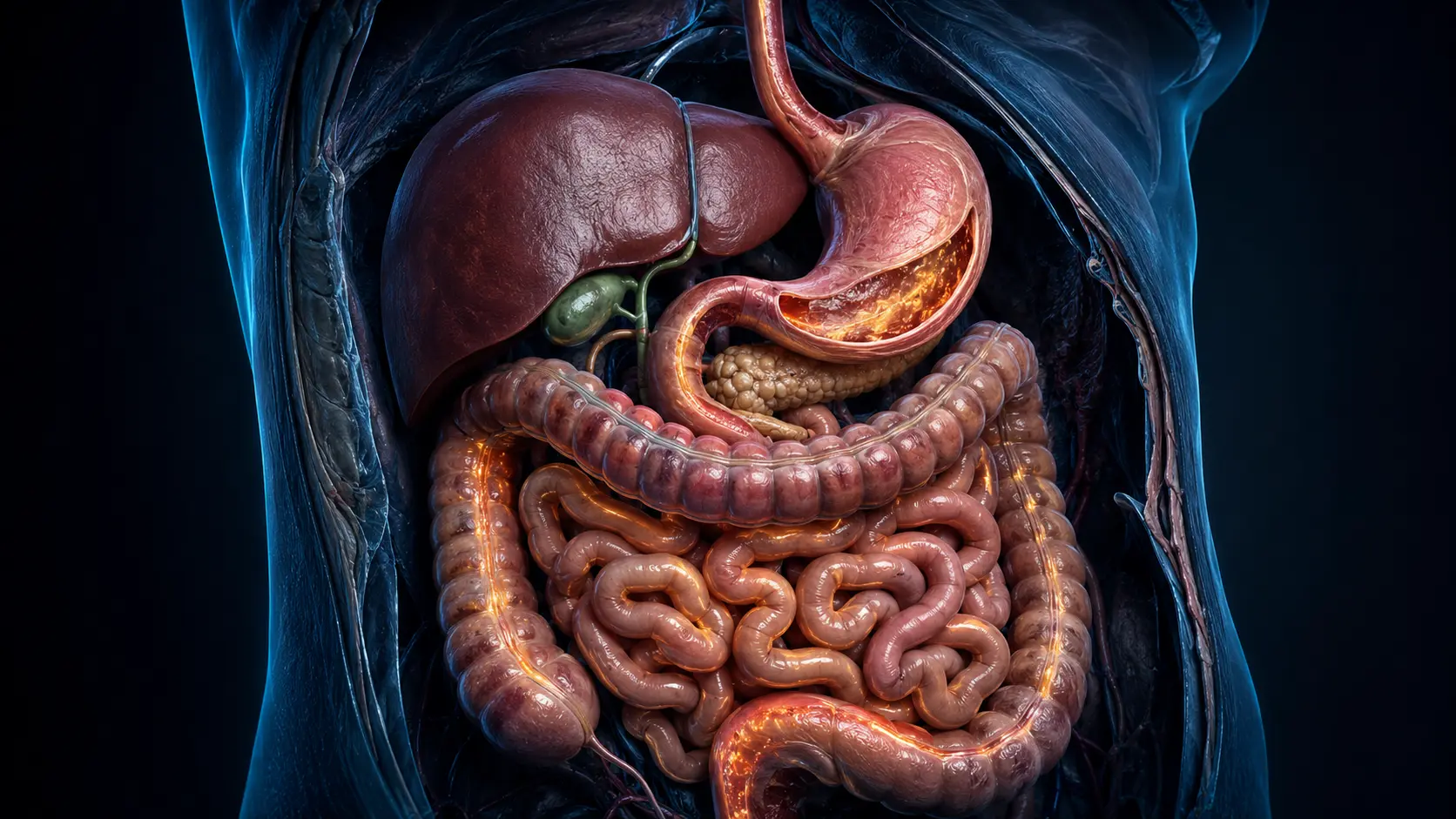
Digestion starts in the mouth, where chewing breaks food apart and saliva begins chemical processing. Swallowing moves the bolus through the esophagus. The stomach stores and mixes food with acid and enzymes, especially beginning protein digestion. In the small intestine, pancreatic enzymes and bile complete most breakdown, while villi and microvilli absorb sugars, amino acids, fatty products, vitamins, minerals and water. The large intestine reabsorbs water and electrolytes, and microbes ferment some material that human enzymes cannot digest. Coordinated nerves, hormones and muscle contractions control the route.
A sandwich does not simply dissolve in the stomach. Teeth change its structure, enzymes cut large molecules, muscular waves propel and mix it, bile organizes fats, and intestinal cells transport the resulting nutrients into blood or lymph.
The digestive tract is a continuous tube with specialized regions, assisted by the liver, gallbladder and pancreas. Timing varies with meal composition and physiology, so no single 'digestion time' describes every food or every person.
The upper tract prepares and meters a meal
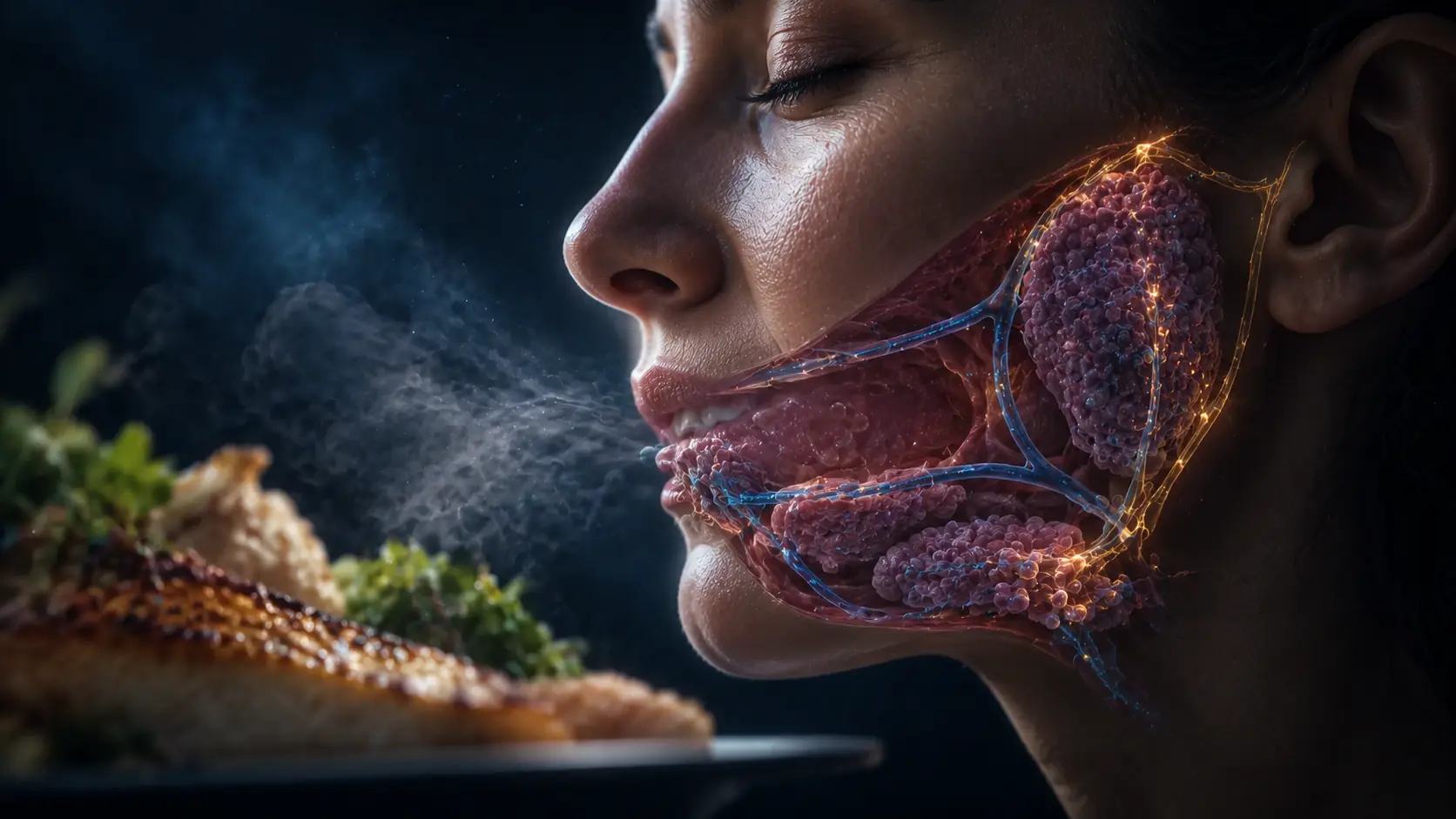
Chewing increases surface area and mixes food with saliva. Salivary amylase begins starch digestion, while mucus helps make a cohesive bolus. A coordinated swallow closes the airway and moves the bolus into the esophagus.
Peristaltic waves carry it toward the stomach. The lower esophageal sphincter limits backward flow. In the stomach, muscular contractions mix food with hydrochloric acid and pepsin; the acidic environment unfolds proteins and helps control incoming microbes.
The stomach releases chyme into the duodenum in measured amounts. Fat, acidity and calorie density influence emptying through neural and hormonal feedback. The stomach is therefore a reservoir and mixer, not the site where every nutrient enters the body.
Most chemical digestion and absorption happen in the small intestine
The pancreas supplies bicarbonate to neutralize acid and enzymes that cut carbohydrates, proteins and fats. The liver makes bile, stored and concentrated by the gallbladder, whose bile salts help disperse fat into structures enzymes can reach.
The intestinal lining forms folds, villi and microscopic microvilli that create a vast exchange surface. Transport proteins move monosaccharides and amino acids into portal blood. Fatty products enter intestinal cells, are repackaged and commonly travel first through lymph.
The portal vein carries many absorbed nutrients to the liver for processing, storage and distribution. Absorption is selective and regulated; food does not leak unchanged through the intestinal wall.
The colon recovers water and hosts microbial chemistry
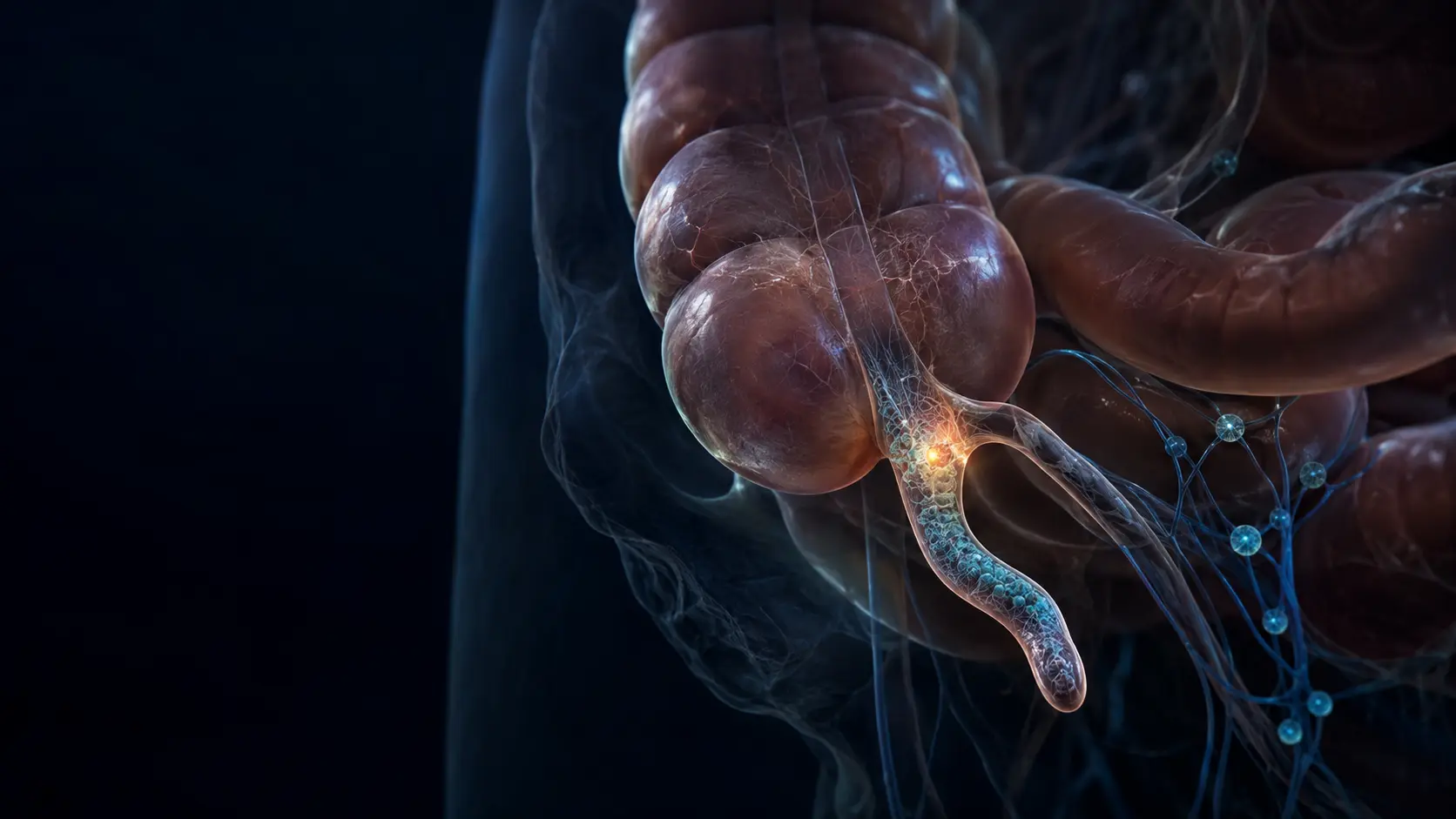
Material reaching the large intestine includes water, salts, shed cells and carbohydrates that escaped human enzymes. The colon absorbs much of the remaining water and electrolytes while muscular contractions move contents toward the rectum.
Gut microbes ferment some fibers and resistant starches, producing short-chain fatty acids and gases. Those products can interact with colon cells and metabolism, but microbiomes differ substantially and no single food produces an identical response in everyone.
Stool forms from water, microbial biomass and undigested material. Transit that is too fast can limit water recovery; very slow transit can make stool harder. Persistent bleeding, severe pain or unexplained weight loss requires clinical assessment.
Nerves and hormones keep each compartment in sequence
The enteric nervous system can coordinate many local reflexes within the gut, while autonomic pathways connect digestion with the brain and wider body state. Stretch, nutrients and acidity all provide feedback.
Hormones including gastrin, secretin and cholecystokinin help regulate acid, pancreatic secretion, bile release and motility. Their effects overlap; digestion is a network of controls rather than a chain with one master switch.
Established anatomy explains the route, but symptoms such as bloating can have multiple causes involving movement, sensitivity, diet or disease. A general mechanism cannot diagnose one person's digestive problem.
The route from meal to molecule
Mechanical breakdown and enzymes progressively turn food into absorbable units. Muscular movement delivers those units to specialized surfaces.
Most nutrients cross the small intestine into blood or lymph; the colon recovers water and processes residues with its microbial community.
NIDDK traces how food moves and nutrients are absorbed.
Why it matters
Following the route corrects the common idea that all digestion happens in the stomach.
It also shows why accessory organs and intestinal microbes influence a meal without food passing through them directly.
A meal becomes usable one compartment at a time.
Movement, secretions, absorptive surfaces and microbes work in sequence, with the small intestine doing most nutrient uptake.
Research behind this story
We link to the primary study or an authoritative indexed review wherever possible. Caveats in the text reflect the limits of that evidence.
01