Quick answer
Motion sickness most likely occurs when signals from vision, the vestibular organs and body-motion sensors conflict with one another or with the brain's expected pattern. Reading in a car is a classic example: the page looks stationary while the inner ear detects acceleration and turns. The mismatch can activate brainstem and autonomic circuits that produce nausea, cold sweating, pallor, salivation, dizziness and vomiting. Looking at a stable horizon, facing forward, reducing head movement and avoiding close visual tasks can reduce conflict for some people. Susceptibility varies and often improves through habituation.
A ship's cabin looks still, yet the inner ear reports rolling. A phone stays fixed in your hands while the car turns. In virtual reality, the eyes report motion while the body remains planted. Different situations create the same puzzle: trusted senses disagree.
The leading explanation is sensory conflict, also called neural mismatch. The brain compares current visual, vestibular and body signals with an internal model built from past motion. Persistent disagreement can recruit nausea, sweating, pallor and other autonomic responses.
Vision and the inner ear measure different pieces of motion
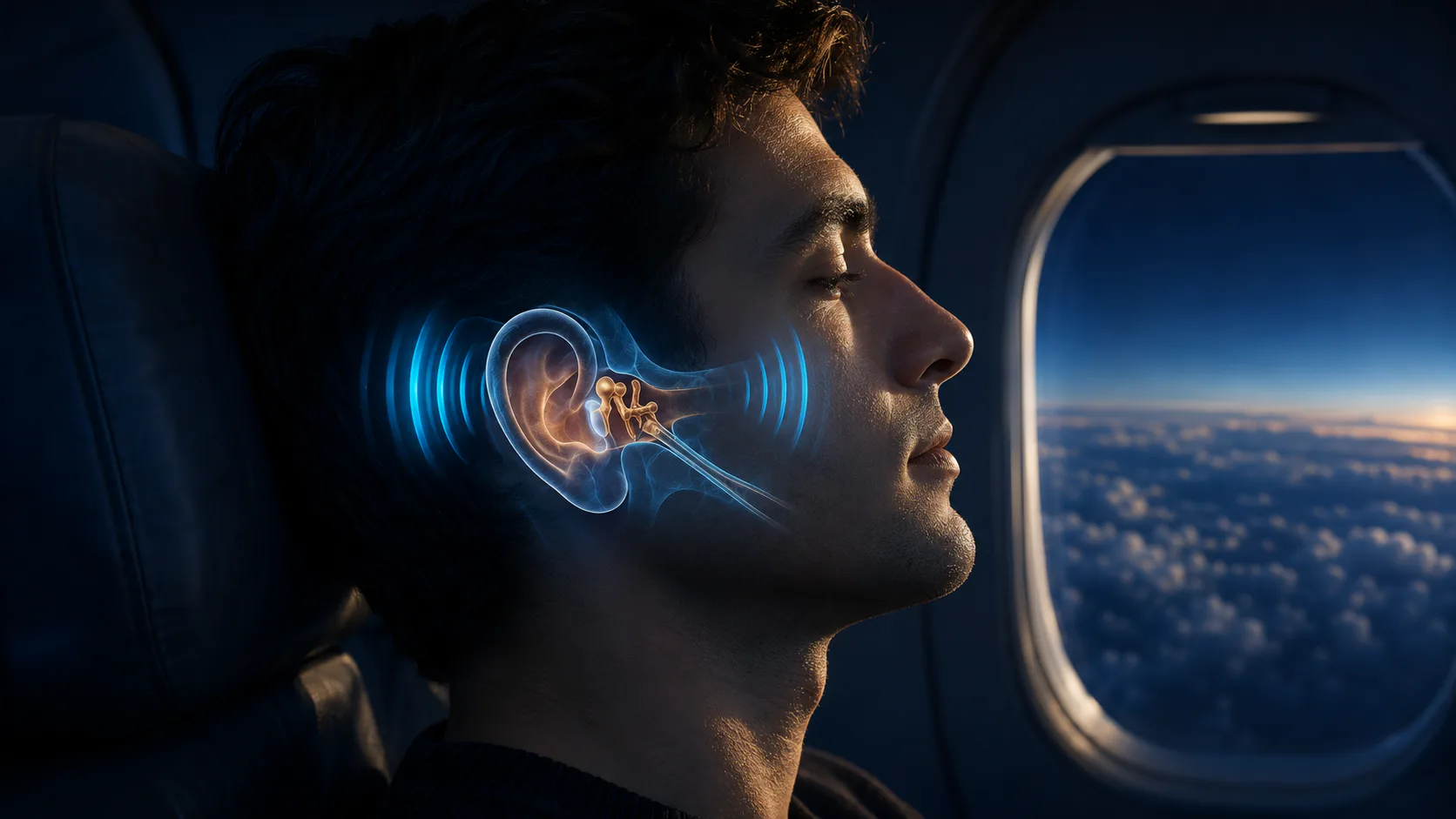
Semicircular canals contain fluid and hair cells that respond to head rotation. Otolith organs respond to linear acceleration and orientation relative to gravity. Vision tracks the scene, while receptors in muscles and joints add body-position information.
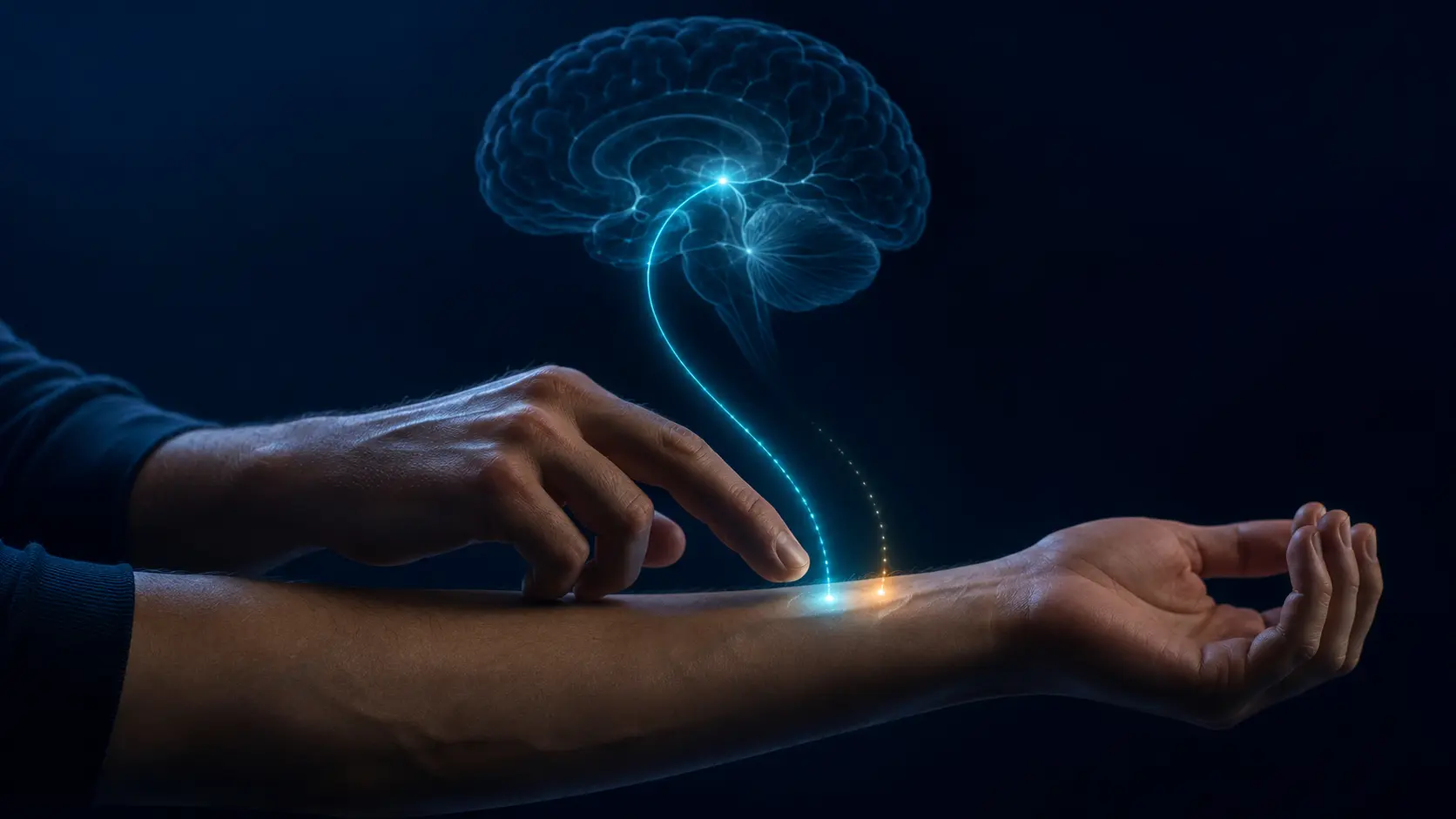
No sensor provides a complete answer alone. The brain combines them and predicts how they should change together. When you turn voluntarily, motor commands help forecast the sensory consequences; when a vehicle moves unpredictably, the pattern is harder to anticipate.
A mismatch does not mean one sense is broken. Each can report its input accurately. The difficulty lies in reconciling signals that usually agree.
Cars, ships and virtual reality reverse the conflict
Inside a car, a book fills the visual field with a stable object while vestibular organs detect braking and turns. Looking through the windshield restores visible motion cues that better match the inner ear.
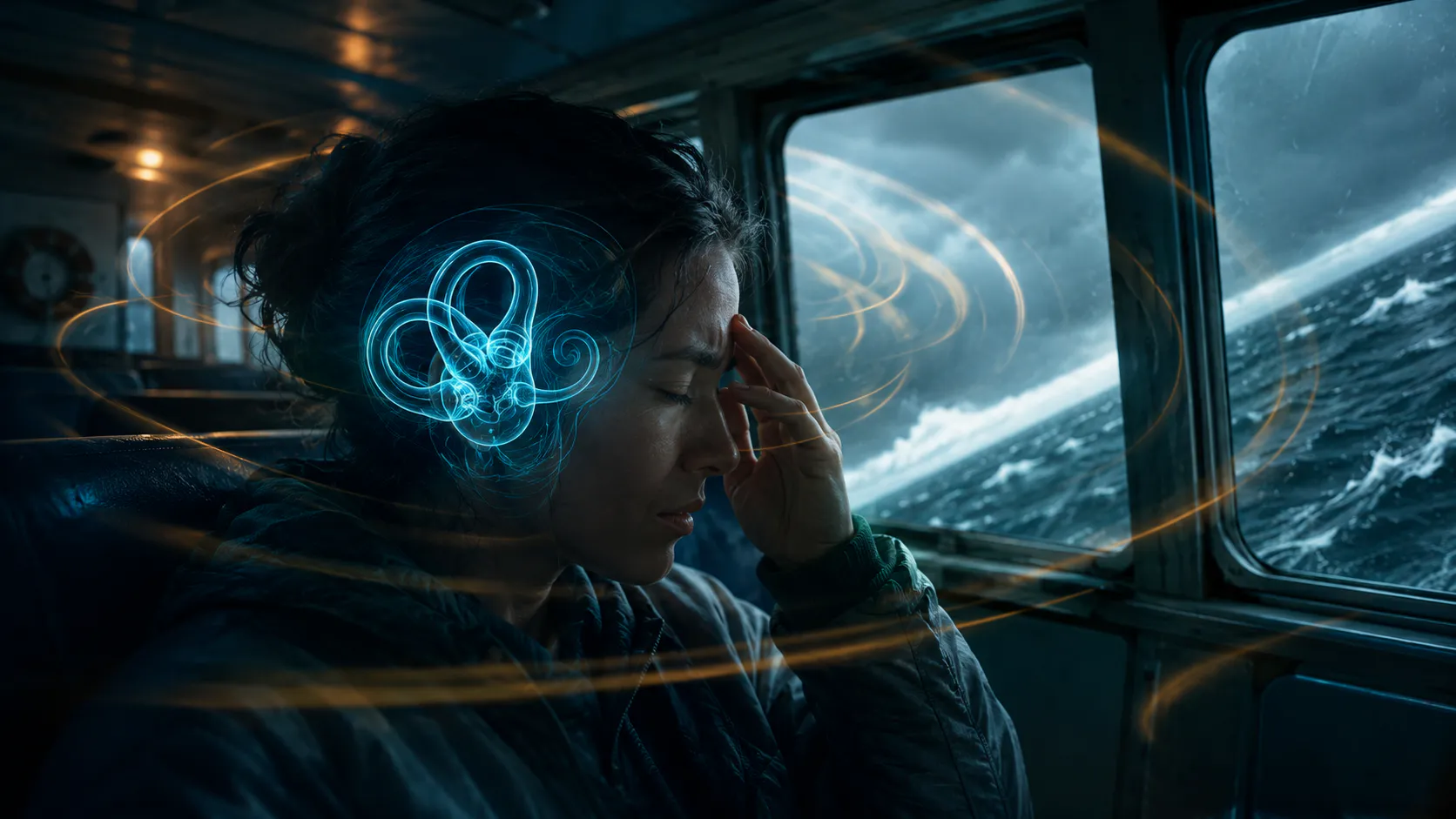
Below deck on a ship, walls look stationary while the body rolls. A horizon provides a reference. In virtual reality the direction reverses: moving imagery signals acceleration that the inner ear does not detect.
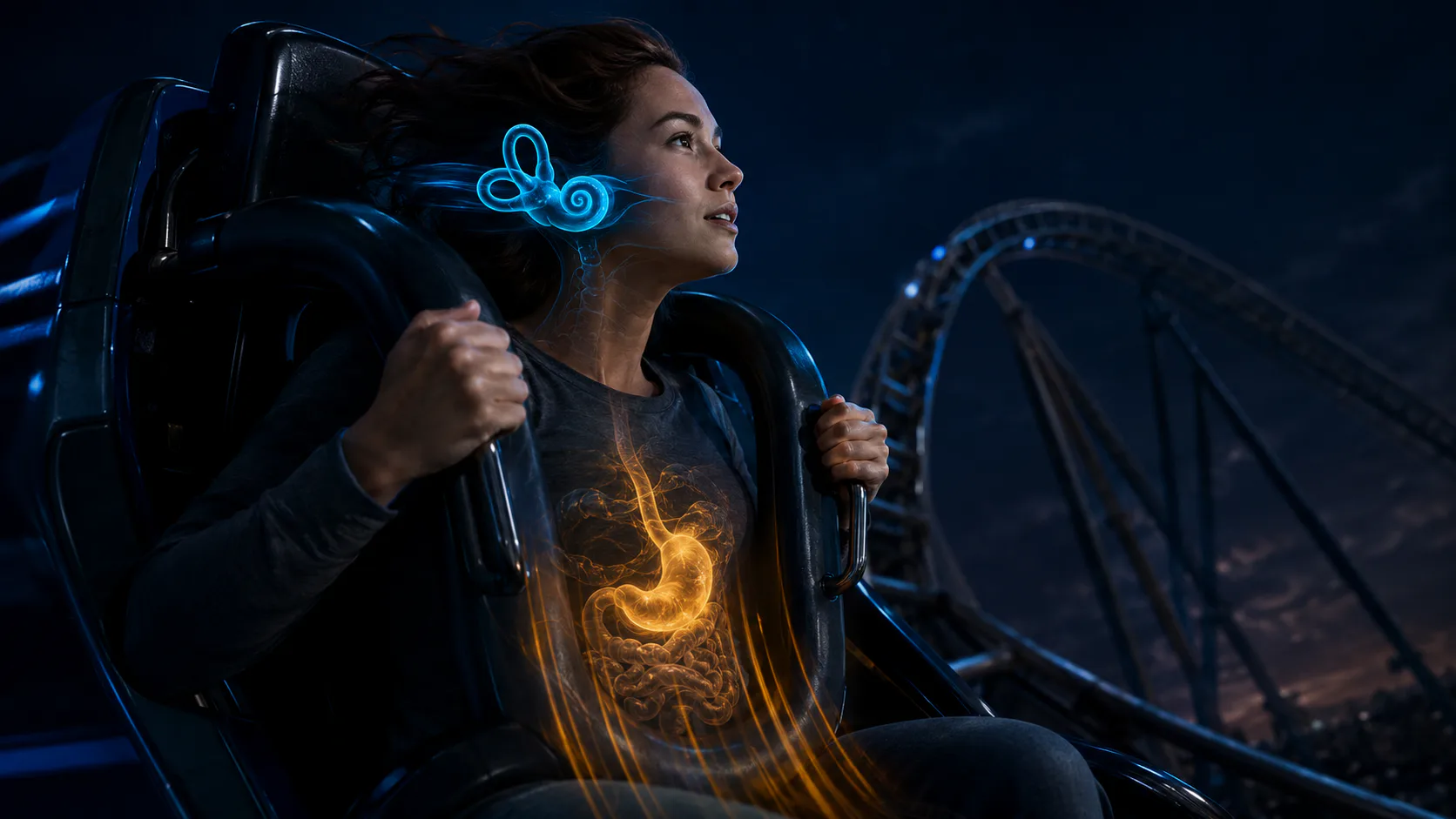
A brief roller-coaster drop can create a strong hollow stomach sensation without causing motion sickness. The drop changes support force and abdominal pressure immediately; motion sickness is more likely when conflicting motion cues persist long enough to recruit nausea, sweating or pallor.
These examples support sensory conflict, but the route from mismatch to vomiting is still being studied. Brainstem areas integrating balance, visceral sensation and autonomic output appear to connect conflict with symptoms.
Nausea is part of a wider autonomic pattern
Early signs include stomach awareness, yawning, salivation, headache, warmth or cold sweating. Pallor and nausea may follow, and repeated exposure can lead to vomiting. Symptoms often fade after motion stops.
People differ widely. Children are often susceptible after infancy, migraine is associated with greater risk, and sleep loss, anxiety or previous experience can worsen tolerance.
Repeated exposure sometimes produces habituation as the internal model updates. Adaptation can be specific: comfort on one vessel does not guarantee comfort with every motion.
The most direct strategies make the senses agree
Looking toward a distant horizon, sitting where motion is smaller, facing forward and supporting the head can reduce mismatch. Closing the eyes removes conflicting visual input for some people. Reading and close screen use often worsen it.
Fresh air, hydration and avoiding heavy meals or alcohol may improve comfort, though they do not remove the mechanism. Slow breathing can reduce distress but is not a guaranteed cure.
Medicines can help, but many cause drowsiness or impaired performance. Choice depends on age, pregnancy, health, other medicines and the need to drive, so guidance belongs with a clinician or pharmacist. New, severe or persistent dizziness is not automatically motion sickness.
From sensory mismatch to nausea
Vision, vestibular organs and body receptors report motion. The brain compares their pattern with an internal model of what movement should feel like.
Persistent mismatch recruits balance and autonomic centers, producing sweating, pallor and nausea. Matching signals or habituation can reduce the response.
CDC identifies sensory conflict or neural mismatch as the leading explanation.
The Bárány Society describes motion-sickness symptoms and classification.
Try it yourself
Reduce the sensory disagreement.
- Pause reading or close visual work.
- Look toward a distant stable horizon.
- Support your head and minimize movement.
Do not perform this while driving. Persistent or unusual dizziness needs medical assessment.
Why it matters
Motion sickness shows that perception is assembled from several sensors, not read directly from one balance organ.
The model explains why cars, ships and headsets can cause the same symptoms even when the physical mismatch differs.
Motion sickness is a prediction problem between the senses.
When vision, the inner ear and expected motion disagree, the brain can recruit nausea and other autonomic responses.
Research behind this story
We link to the primary study or an authoritative indexed review wherever possible. Caveats in the text reflect the limits of that evidence.
01