Quick answer
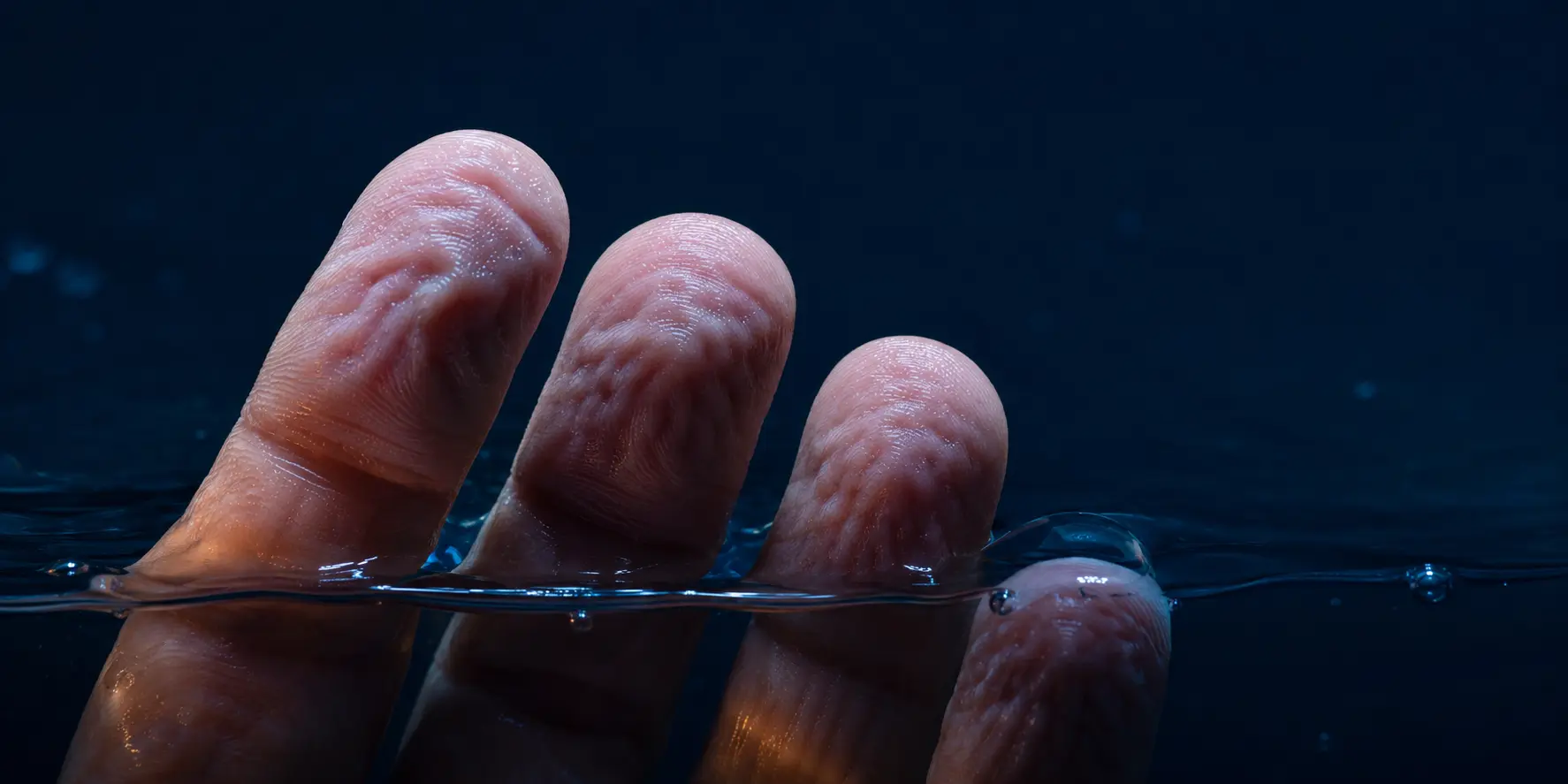
Fingerprints form before birth when the basal layer of fetal skin grows and buckles into friction ridges over the fingertips, palms and soles. Temporary swellings called volar pads influence whether the overall pattern becomes an arch, loop or whorl, while local forces and growth rates help determine the exact ridge paths and minutiae. The main ridge pattern is established during mid-gestation and then enlarges with the finger. Genes strongly influence pattern tendencies, but developmental variation makes every complete print—including those of identical twins—distinct.
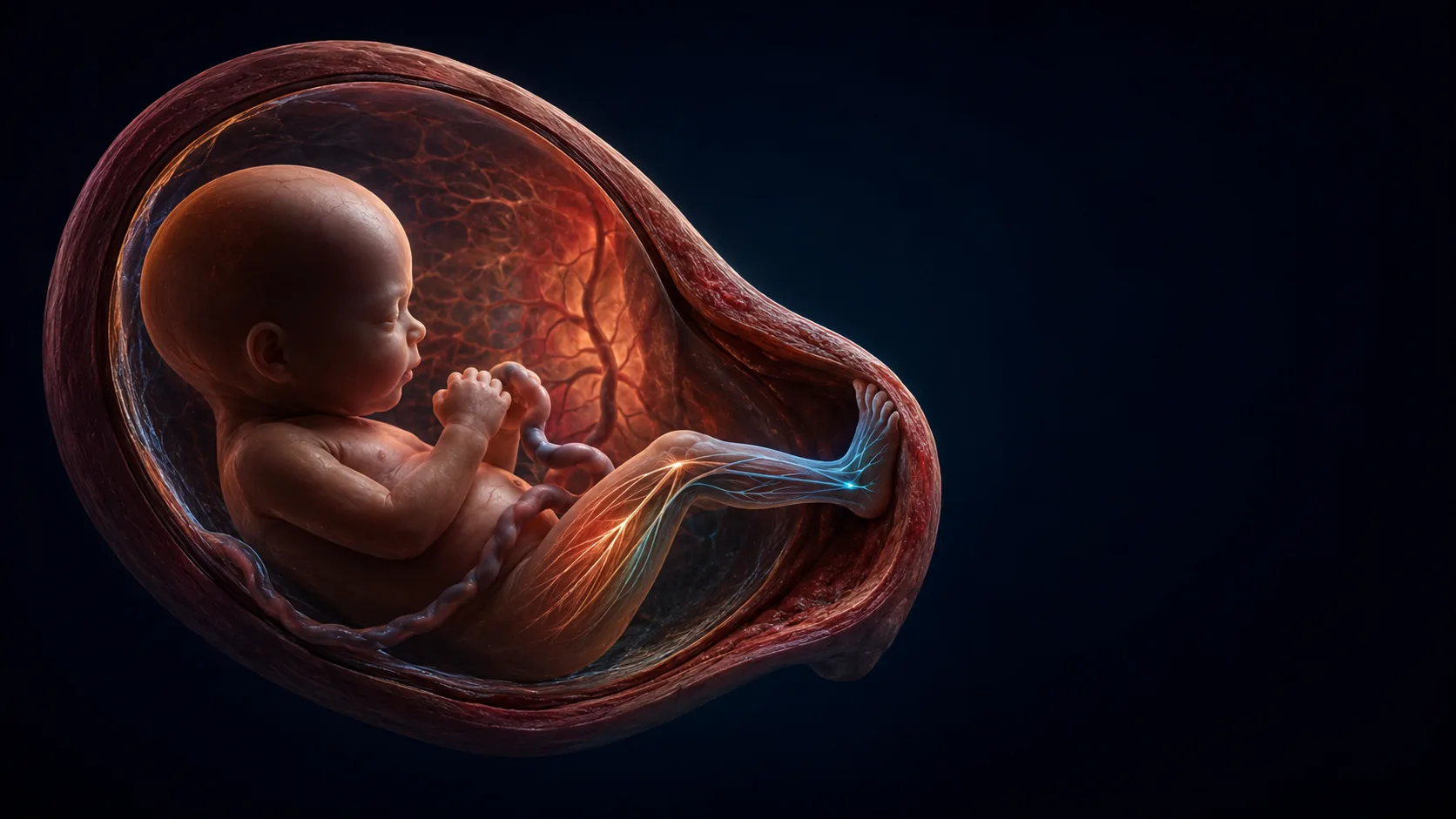
By the time a newborn closes a hand around a finger, the fine ridges on those tiny fingertips are already permanent. Their broad pattern was established in the womb, where skin layers grew at different rates over a changing three-dimensional surface.
Genes help set the timing, anatomy and signaling that make ridges possible. Local growth and mechanical conditions then add variation at a much finer scale. That combination explains why fingerprints run in families without becoming carbon copies—even identical twins have different prints.
Ridges begin inside a growing layer of skin
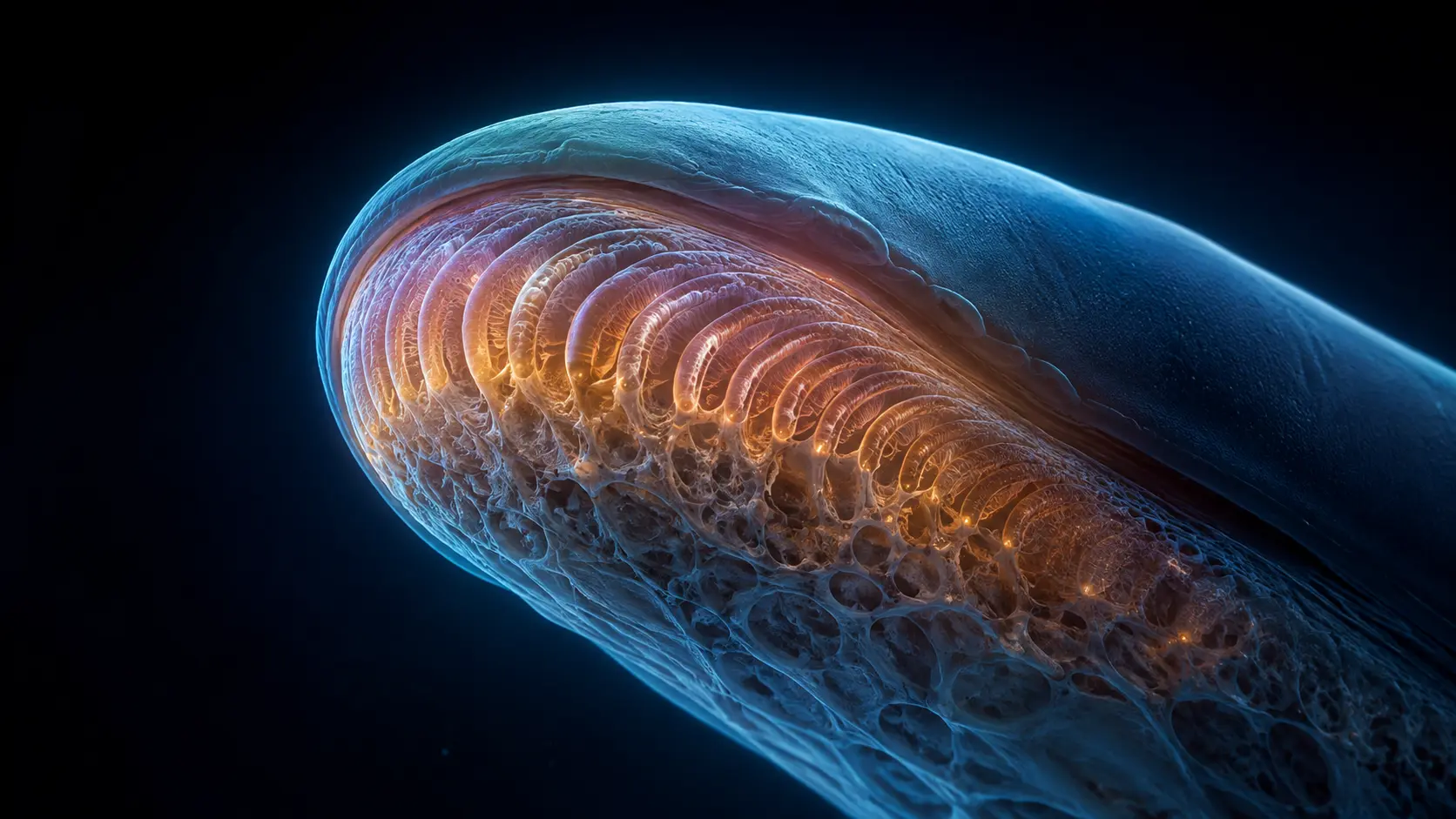
Fetal epidermis and the tissue beneath it do not expand as one flat sheet. Along the boundary between epidermis and dermis, proliferating cells create primary ridges. Sweat-gland ducts later open along the ridge tops, producing the familiar dotted lines visible in a close print.
The ridges improve grip and help organize touch at the skin surface, but their prenatal origin is a developmental process, not a response to gripping objects. Once established, the layout persists because normal skin renewal replaces cells within the same underlying architecture.
A cut that stays superficial can heal without changing the pattern. A deep injury that disrupts the ridge-forming layer can leave a scar. The print is stable, but it is living tissue rather than ink stamped onto the body.
Temporary fingertip pads shape loops, whorls and arches
Early fetal fingertips carry rounded volar pads. Their height, symmetry and the timing of ridge formation affect how ridge fields curve across the surface. A high, centered pad favors a different geometry from a flatter or offset one.
Developmental models and genetic studies support this link, but a pad is not a mold with one guaranteed outcome. Patterning signals, finger proportions and local tissue stresses interact over time. Researchers can describe the mechanism without reconstructing every microscopic event in one person's pregnancy.
Loops are most common in many populations, with whorls and arches occurring at different frequencies. Those frequencies are population observations; they do not assign personality, intelligence or health to an individual print.
Genes guide the system; development writes the fine detail
Twin and family studies show that fingerprint classes and ridge counts are heritable. Recent genetic analyses connect dermatoglyphic variation with pathways involved in limb and skin development. That is established evidence for biological influence, not evidence for a single fingerprint gene.
Identical twins begin with almost the same DNA, yet their placental positions, blood flow, tissue forces and moment-to-moment growth are not identical. Small differences are amplified as ridges branch, end and meet. These minutiae make the full patterns distinguishable.
The exact contribution of each local force remains an active research question. The safest conclusion is layered: genes constrain a developmental landscape, while self-organization and prenatal variation resolve the final map.
The pattern grows without being redrawn
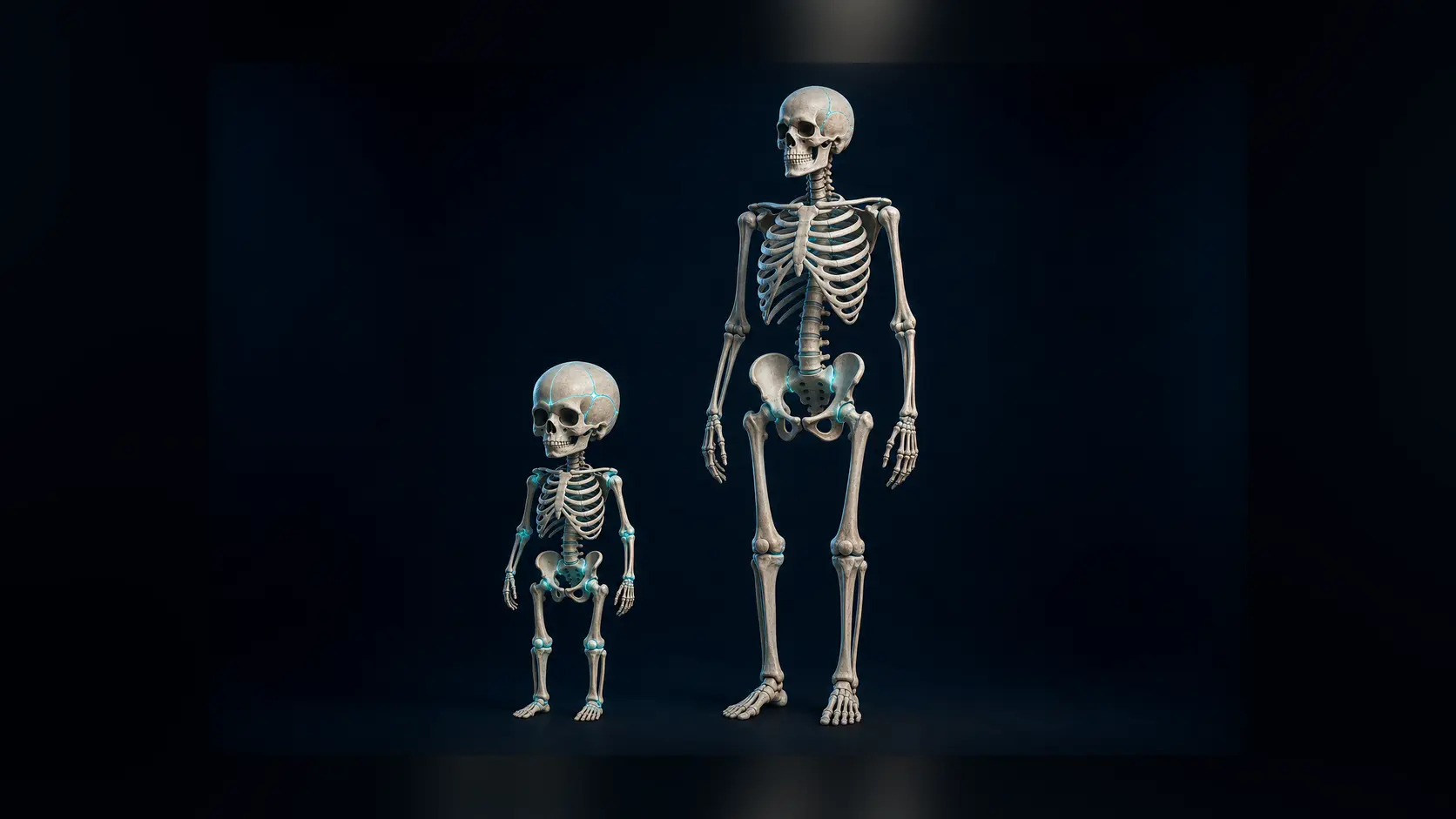
After birth, fingertips become larger and ridge spacing increases, but the relative arrangement remains. Forensic comparison relies on that persistence and on many ridge details together, not on one dramatic-looking loop.
Some rare genetic conditions disrupt friction-ridge formation, showing that ordinary prints depend on specific developmental pathways. Those exceptions are medically meaningful; everyday differences between arches, loops and whorls are normal variation.
A fingerprint therefore records two scales of development at once: a shared human program that builds friction-ridge skin, and a local history that no other fingertip repeats exactly.
From fingertip pad to permanent ridge map
A temporary volar pad changes shape while the fetal epidermis expands. Patterning signals and mechanical stresses organize primary ridges along the skin boundary.
Ridges branch and terminate as the field fills, sweat ducts connect to the surface, and the completed geometry scales up as the finger grows.
A developmental study links fingerprint patterning with genes active in limb development.
Why it matters
Fingerprints are a clear example of genes and development working together without either dictating every detail.
Their persistence comes from skin architecture, while their uniqueness comes from a sensitive prenatal patterning process.
Every fingertip carries a prenatal growth record.
Genes establish the ridge-forming system; changing pads, tissue growth and local forces make the finished map individual.
Research behind this story
We link to the primary study or an authoritative indexed review wherever possible. Caveats in the text reflect the limits of that evidence.
01