Quick answer
Baby teeth fall out because their roots undergo physiological resorption as the jaw and permanent teeth develop. Cells called odontoclasts remove root dentin and cementum, while osteoclasts remodel nearby bone. With less root anchoring it, the primary crown becomes loose and eventually detaches. The permanent successor then erupts through a path shaped by its dental follicle, bone remodeling and periodontal tissues. The permanent tooth contributes to the process, but eruption is not explained by pressure alone. Most children begin losing front teeth around age six, with wide normal variation.
The small white crown under a pillow tells only half the story. Months before a baby tooth begins to wobble, much of its hidden root has already been dismantled by specialized cells inside the jaw.
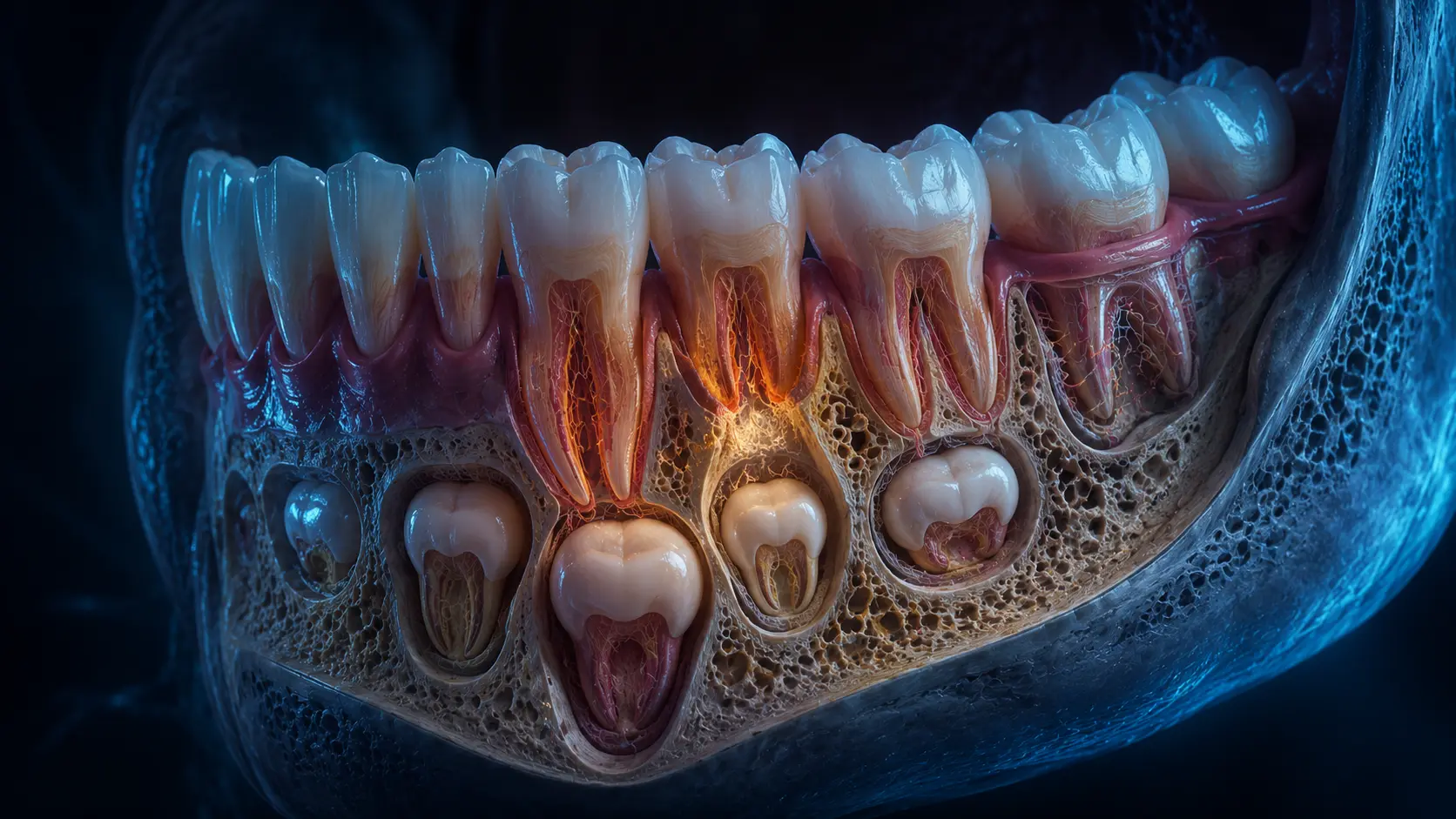
At the same time, a permanent successor develops below and moves toward the mouth as bone remodels around it. Tooth loss is therefore a coordinated replacement process, not the adult tooth simply pushing the baby tooth out like a peg.
Two sets solve different growth problems
A young child's jaws are too small for a full adult dentition. Twenty primary teeth support chewing, speech and spacing during early growth. As the face and jaws enlarge, 32 permanent teeth can eventually occupy the mature arrangement, including molars with no baby predecessors.
Permanent incisors, canines and premolars develop within bone near the roots of corresponding primary teeth. Their crowns mineralize before their roots finish. Eruption and root development continue together over years.
Timelines are population ranges rather than deadlines. Front lower incisors often loosen first, while primary molars and canines remain longer. Family pattern, growth and dental conditions can shift the sequence.
Odontoclasts remove the primary root
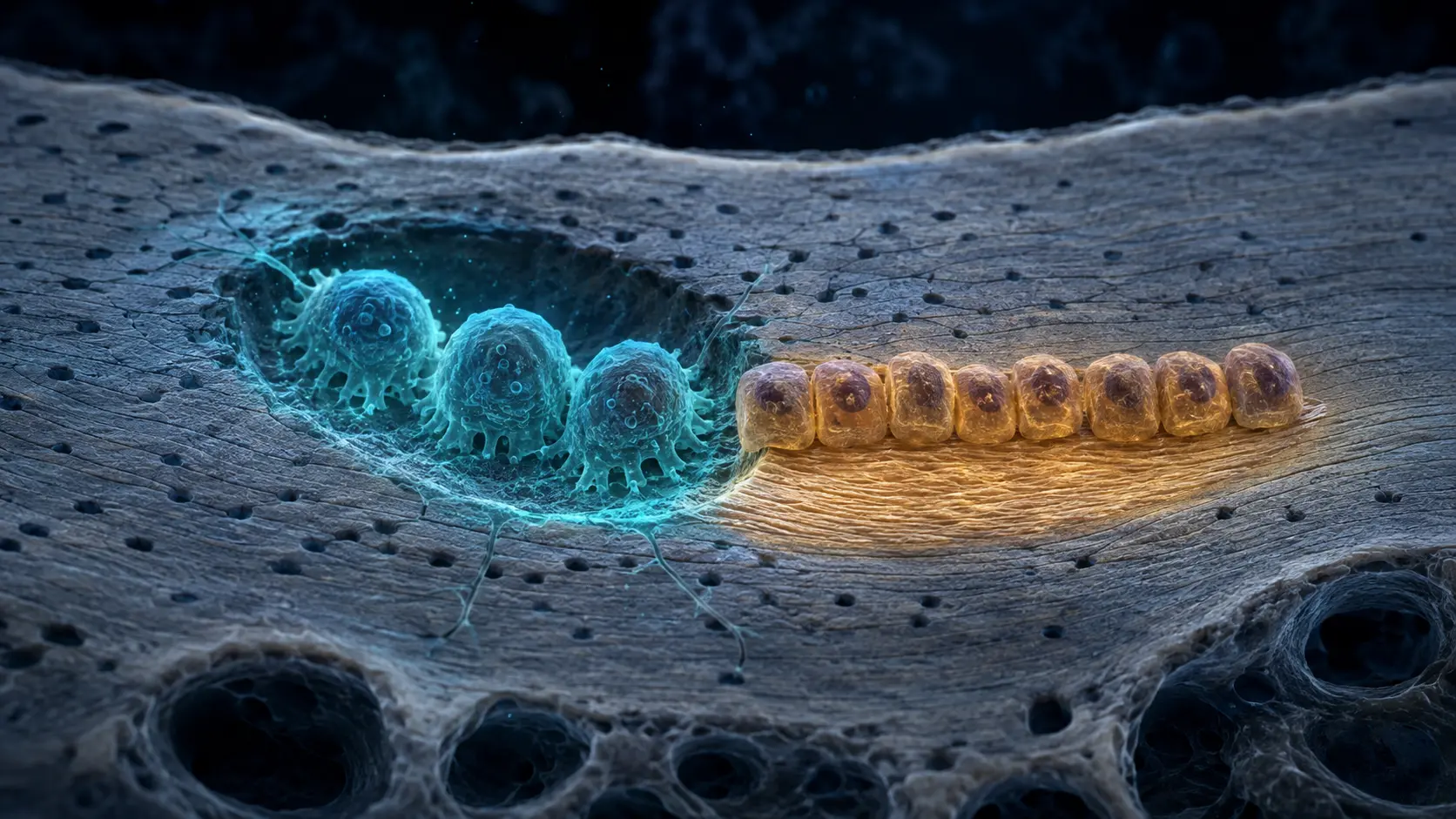
Odontoclasts resemble the osteoclasts that resorb bone. They attach to mineralized root surfaces, create an acidic sealed zone and release enzymes that break down the organic matrix. The process creates microscopic resorption bays.
Resorption can pause and repair before continuing. Signals from the dental follicle, periodontal ligament, neighboring cells and immune mediators help regulate where activity occurs, but the full control network is still being resolved.
By the time a tooth is very loose, little root may remain. That is why a shed baby tooth can look as if it never had a root even though the root was substantial during function.
The permanent tooth follows a remodeled pathway
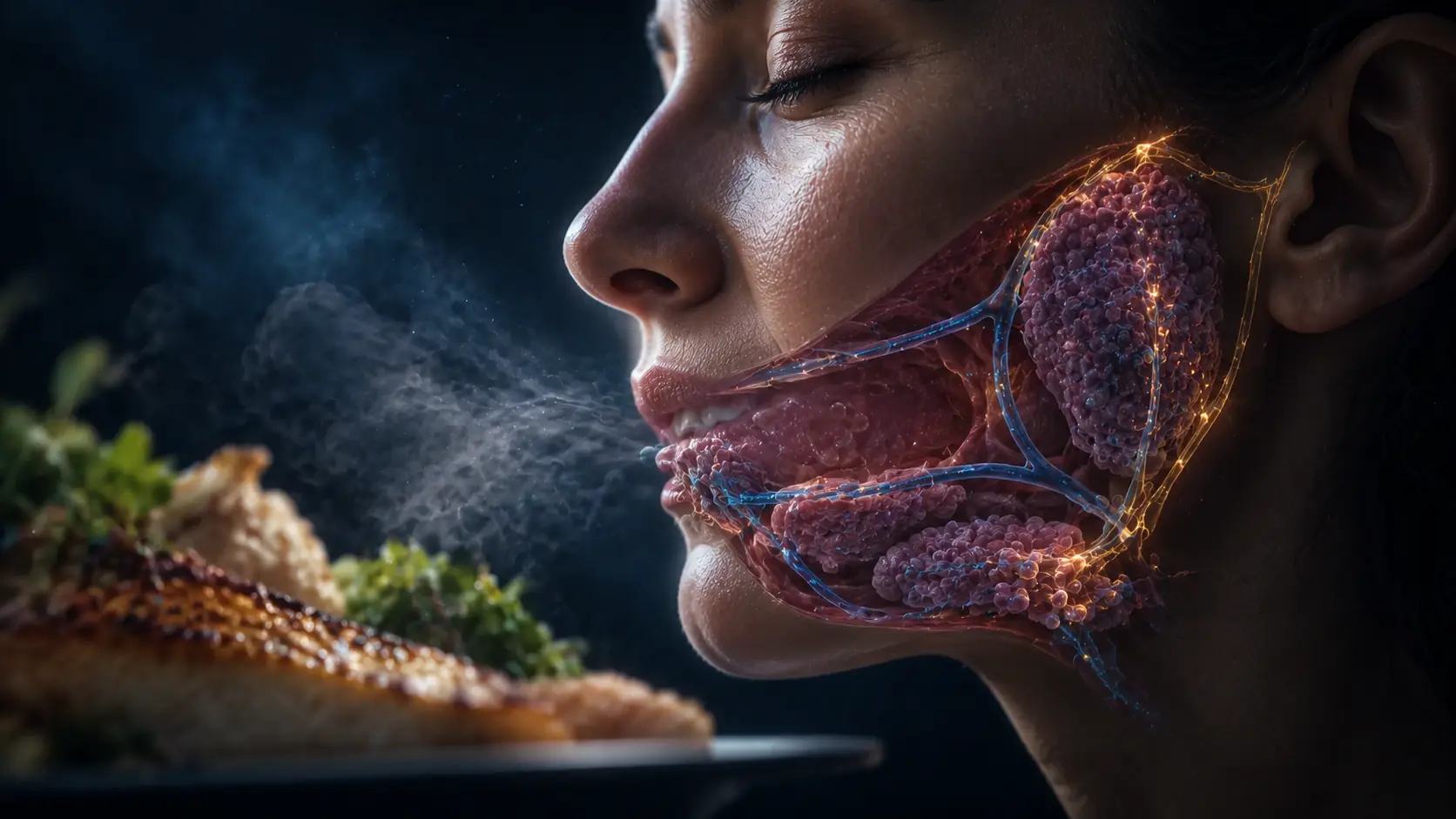
The dental follicle surrounding a developing tooth coordinates bone removal above the crown and bone formation in other regions. Periodontal tissues, root growth and vascular forces also participate. No single pushing mechanism explains eruption on its own.
The permanent successor is associated with where primary-root resorption occurs, but teeth can sometimes resorb without a normally positioned successor, and eruption disorders show that pressure is insufficient. The accepted model is active tissue remodeling guided by developmental signals.
Once the primary crown is gone, the permanent tooth may take time to appear. It continues moving through gingiva while its root and supporting ligament mature.
Wiggles are normal; pain and unusual timing need context
A naturally loose tooth may have minor bleeding as the last soft-tissue attachment separates. Forceful pulling before it is ready can cause pain or bleeding and is unnecessary in most cases.
A 'shark tooth' can appear when a permanent lower incisor erupts behind a retained primary tooth. Many cases shift with time, but a dentist can assess crowding, delayed shedding or an abnormal path rather than relying on a universal rule.
Dental review is appropriate for significant pain, swelling, trauma, a darkened tooth, marked asymmetry or a permanent tooth erupting while its predecessor remains firmly anchored. This article describes development, not personal dental advice.
How one tooth replaces another
A permanent successor and its follicle develop within the growing jaw. Signaling recruits cells that resorb primary roots and remodel bone along the eruption path.
As anchorage disappears, the baby crown loosens and sheds. The permanent tooth continues erupting while its own root and periodontal support mature.
A contemporary review distinguishes normal primary-root resorption from pathological root loss.
Why it matters
The process shows that childhood growth often replaces structures through controlled breakdown as well as construction.
It also explains why a shed baby tooth looks rootless and why eruption timing varies without making every delay abnormal.
The root disappears before the crown lets go.
Specialized cells resorb the baby-tooth root while bone and periodontal tissues prepare a route for the permanent successor.
Research behind this story
We link to the primary study or an authoritative indexed review wherever possible. Caveats in the text reflect the limits of that evidence.
01