Quick answer
Puberty happens when the hypothalamic-pituitary-gonadal axis becomes active in a sustained, pulsatile pattern. The hypothalamus releases GnRH, prompting the pituitary to release LH and FSH. These signals act on the ovaries or testes, increasing sex-steroid production and supporting reproductive maturation. Growth hormone and IGF-1 contribute to the growth spurt, while adrenal androgens help drive body odor and pubic or underarm hair. Genes establish much of the timing, but energy balance, chronic illness and environmental factors can shift it. Puberty is a multi-year sequence, not a single event, and normal timing varies among individuals.
Puberty is often described as if hormones suddenly flood the body and explain everything. The real transition is more organized. A signaling network linking the hypothalamus, pituitary gland and gonads changes its pattern, and tissues across the body respond over years rather than days.
That network does not act alone. Adrenal hormones, growth hormone, genetics, nutrition, health and environment all influence the visible sequence. The result is a normal developmental process with wide variation in timing, tempo and the order in which changes become noticeable.
A quiet brain-to-gland axis becomes rhythmic again
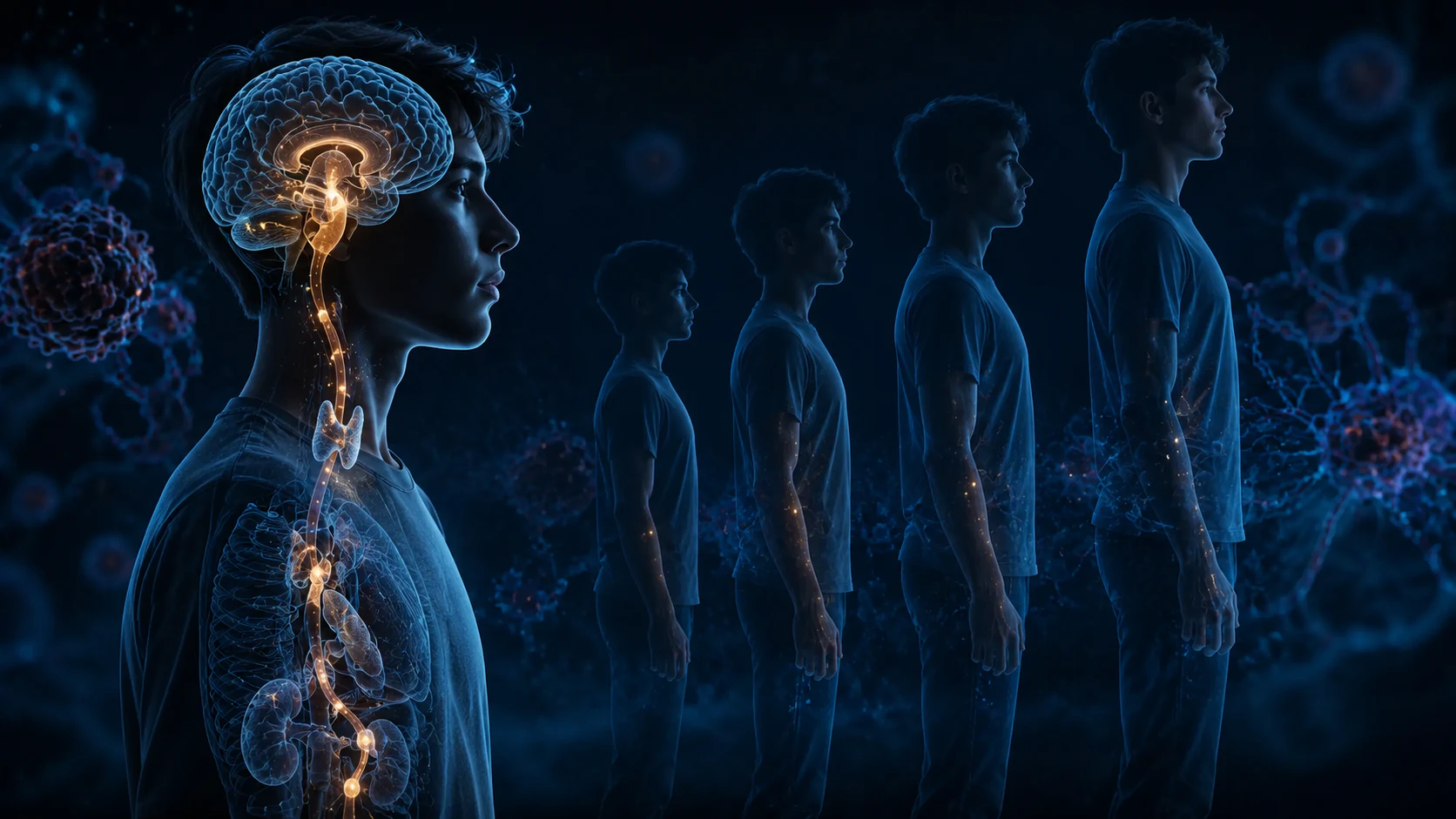
Specialized neurons in the hypothalamus release gonadotropin-releasing hormone, or GnRH, in pulses. GnRH reaches the anterior pituitary, which responds with pulses of luteinizing hormone and follicle-stimulating hormone. LH and FSH then act on the gonads.
The same axis was active briefly before and soon after birth, then entered a relatively quiet childhood phase. Puberty reflects the lifting of central inhibition and strengthening of stimulatory networks, including kisspeptin signaling. Scientists understand many components but not one master trigger that explains every individual.
Pulses matter. Constant hormone exposure can have a different biological effect from rhythmic release. Early in puberty, stronger GnRH activity may first appear mainly during sleep before the pattern expands across the day.
Different tissues read the same transition in different ways
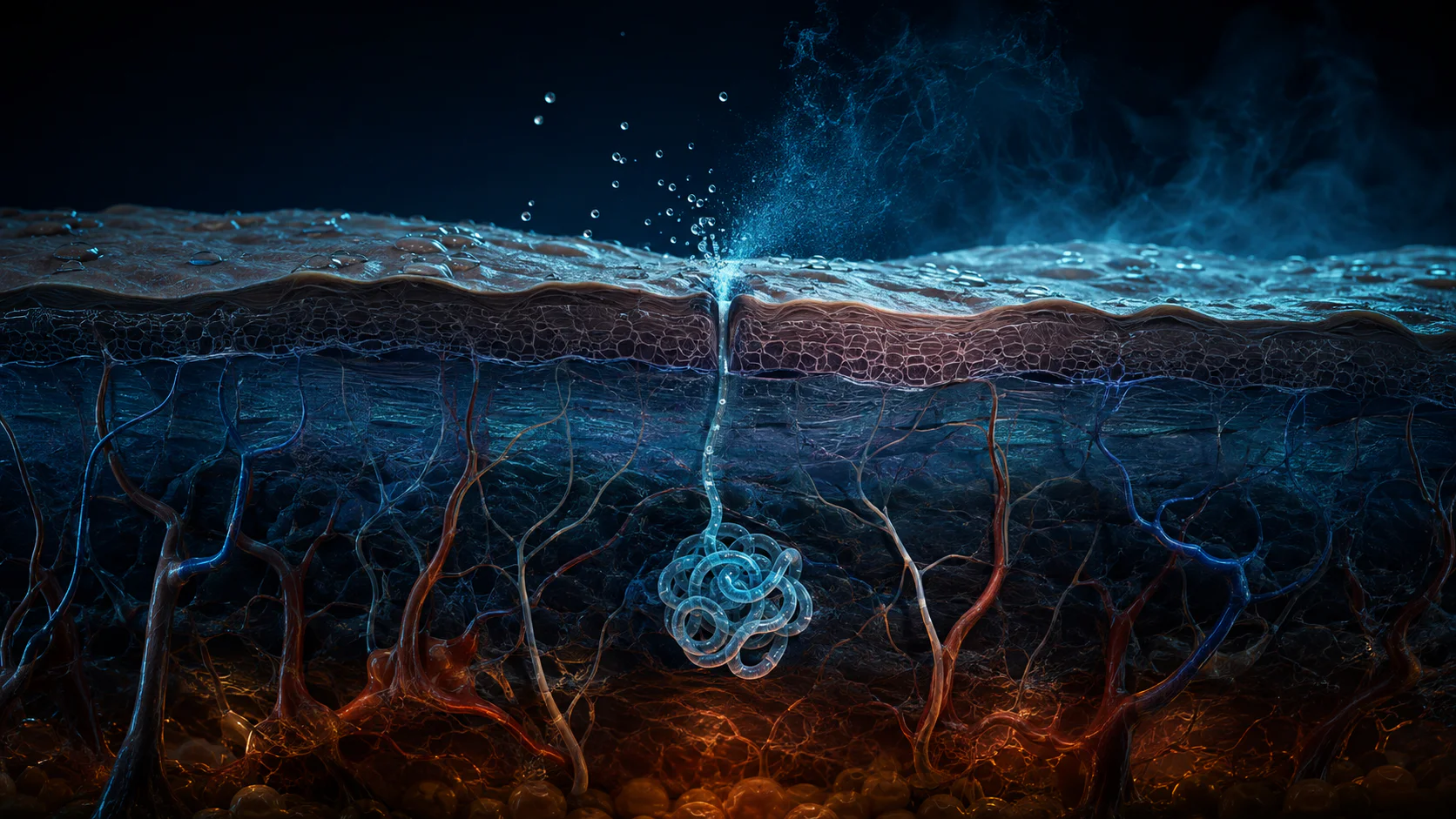
In ovaries, gonadotropins support follicular activity and estrogen production. In testes, they support testosterone production and sperm-forming tissue. Those hormones circulate widely, but each tissue responds according to its receptors and developmental state.
Breast or testicular development often provides an early visible sign of central puberty. Later changes can include genital maturation, voice change, altered fat and muscle distribution, skin oil production and eventually reproductive capacity. The sequence overlaps but is not identical in every person.
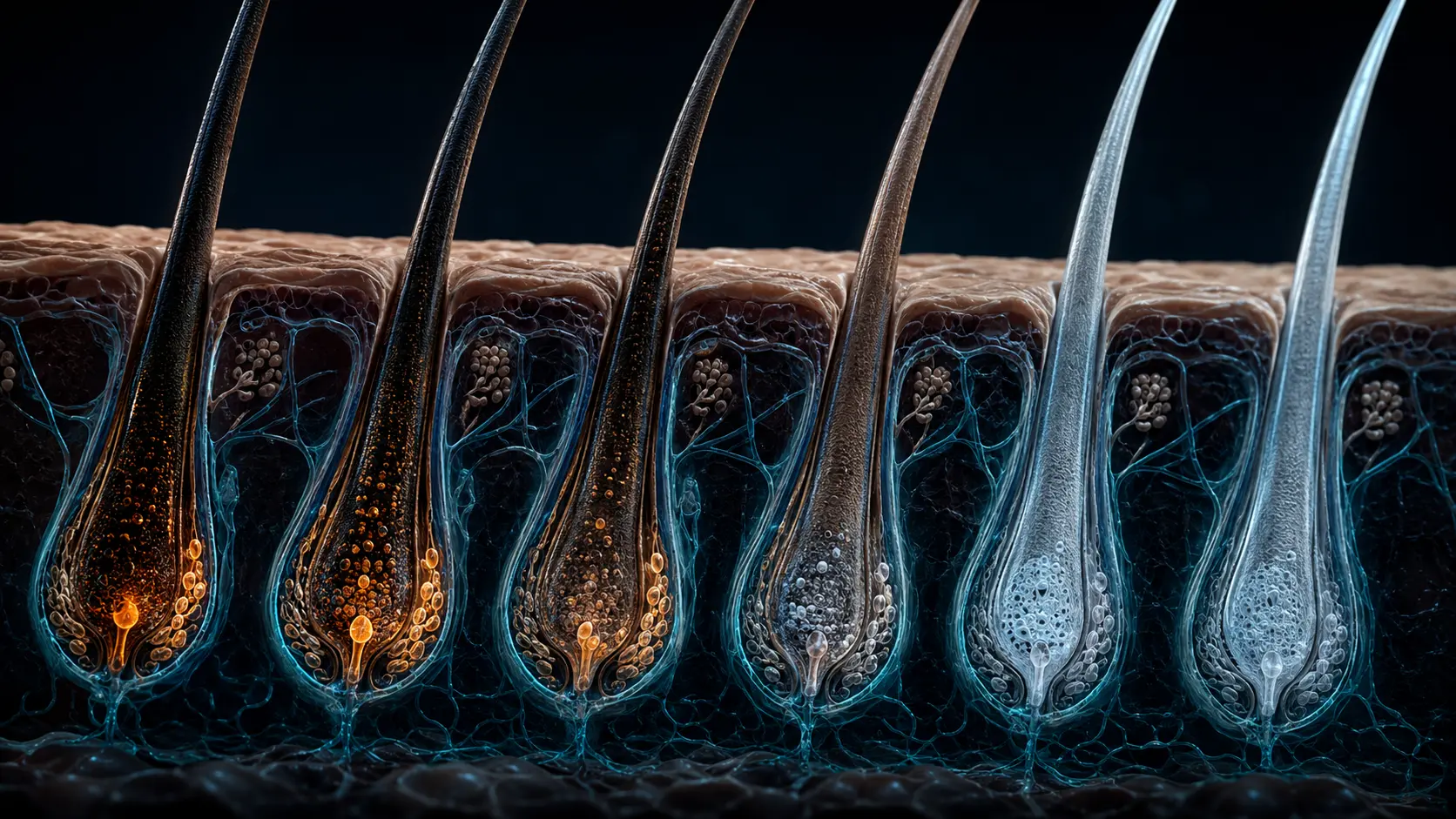
Adrenarche is a related but partly independent process. Rising adrenal androgens contribute to pubic hair, underarm hair and body odor. Those signs alone do not always prove that the central GnRH-driven pathway has begun.
The growth spurt is a coordinated whole-body event
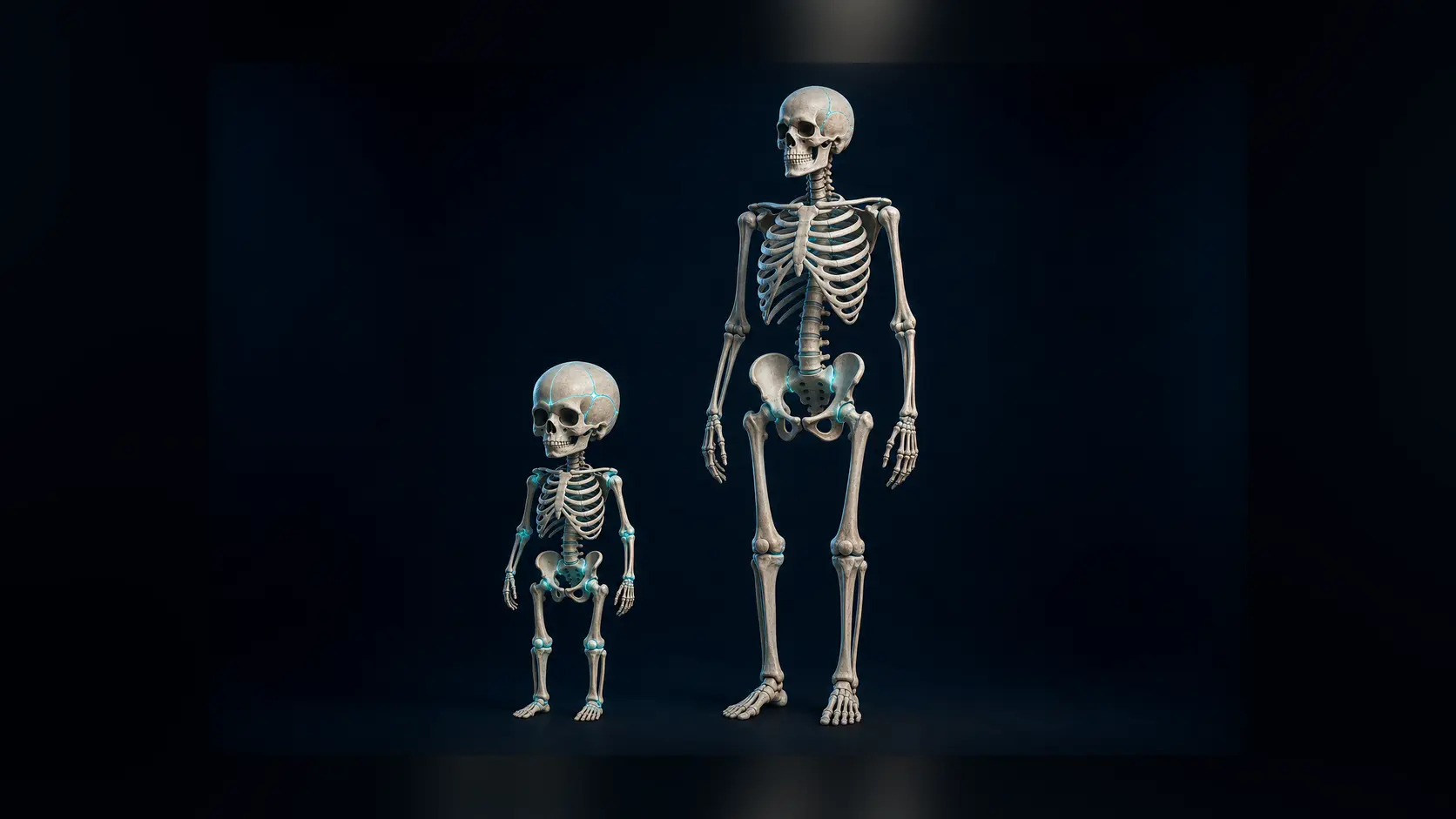
Sex steroids interact with growth hormone and insulin-like growth factor 1 to accelerate bone growth. Hands and feet may change before the torso catches up, which helps explain the temporary feeling that proportions and coordination are shifting.
Estrogen signaling eventually helps close growth plates in all sexes. That is why the same endocrine transition that accelerates height also places a limit on further linear growth. Bone mineral content and muscle mass continue changing after peak height velocity.
Adolescence also includes ongoing brain development, but it is misleading to treat every emotion or decision as a direct hormone effect. Sleep timing, social context, learning and continued maturation of brain networks all interact with endocrine change.
Timing is biological, variable and worth interpreting in context
Family patterns and genetics strongly influence when puberty begins. Body energy stores, intense training, chronic disease, nutritional stress and some environmental exposures can also shift timing. Population averages cannot diagnose an individual child.
Clinicians evaluate the pattern, not only one sign. Progressive changes, growth rate, age, medication history and other symptoms help distinguish normal variation from early or delayed puberty. Common clinical thresholds flag development before age eight in girls or nine in boys as potentially early, but assessment remains individualized.
A child with unexpectedly early changes, no breast development by about 13, no testicular enlargement by about 14, or a stalled progression should be discussed with a pediatric professional. This is especially important when puberty is accompanied by headaches, vision changes, neurological symptoms or major growth concerns.
From brain pulse to body-wide transition
Hypothalamic GnRH pulses stimulate pituitary LH and FSH release. Gonads respond by producing sex steroids and supporting reproductive tissue maturation.
Those hormones interact with growth pathways and tissue-specific receptors. Adrenal hormones run alongside the central axis, creating a staged transition rather than one synchronized switch.
Endotext describes puberty as activation of the hypothalamic-pituitary-gonadal axis over a variable sequence.
A major review details the roles of GnRH pulses, kisspeptin and genetic regulation.
Why it matters
A pathway view replaces the myth that puberty is one hormone surge or one exact milestone.
It also explains why body odor or hair can appear without every other pubertal change beginning at the same time.
Puberty is a coordinated restart, not a hormonal accident.
Rhythmic brain signals activate a glandular axis, and tissues respond at different speeds over a multi-year developmental transition.
Research behind this story
We link to the primary study or an authoritative indexed review wherever possible. Caveats in the text reflect the limits of that evidence.
01