
Quick answer
Most newborns lose some weight during the first days because they excrete extracellular fluid, pass urine and meconium, and initially take in small feeding volumes while milk production and feeding skill develop. Maternal intravenous fluids during labor can also raise measured birth weight and contribute to an early diuresis. Many healthy term newborns lose several percent and begin regaining as intake increases, often returning near birth weight within roughly two weeks. Those are population patterns, not a guarantee for an individual baby. The amount, timing and recovery must be assessed alongside feeding, hydration, jaundice, gestational age and clinical condition.
A newborn can weigh less on day three than at delivery even when the first days are progressing normally. The scale is capturing a rapid transition from placental support and a relatively water-rich body to independent breathing, kidney function and feeding.
Some loss is expected, but the percentage is not a universal pass-or-fail number. Clinicians interpret the curve with gestational age, birth circumstances, feeding transfer, urine and stool output, jaundice, examination and the direction of later measurements.
Birth begins a planned contraction of body water
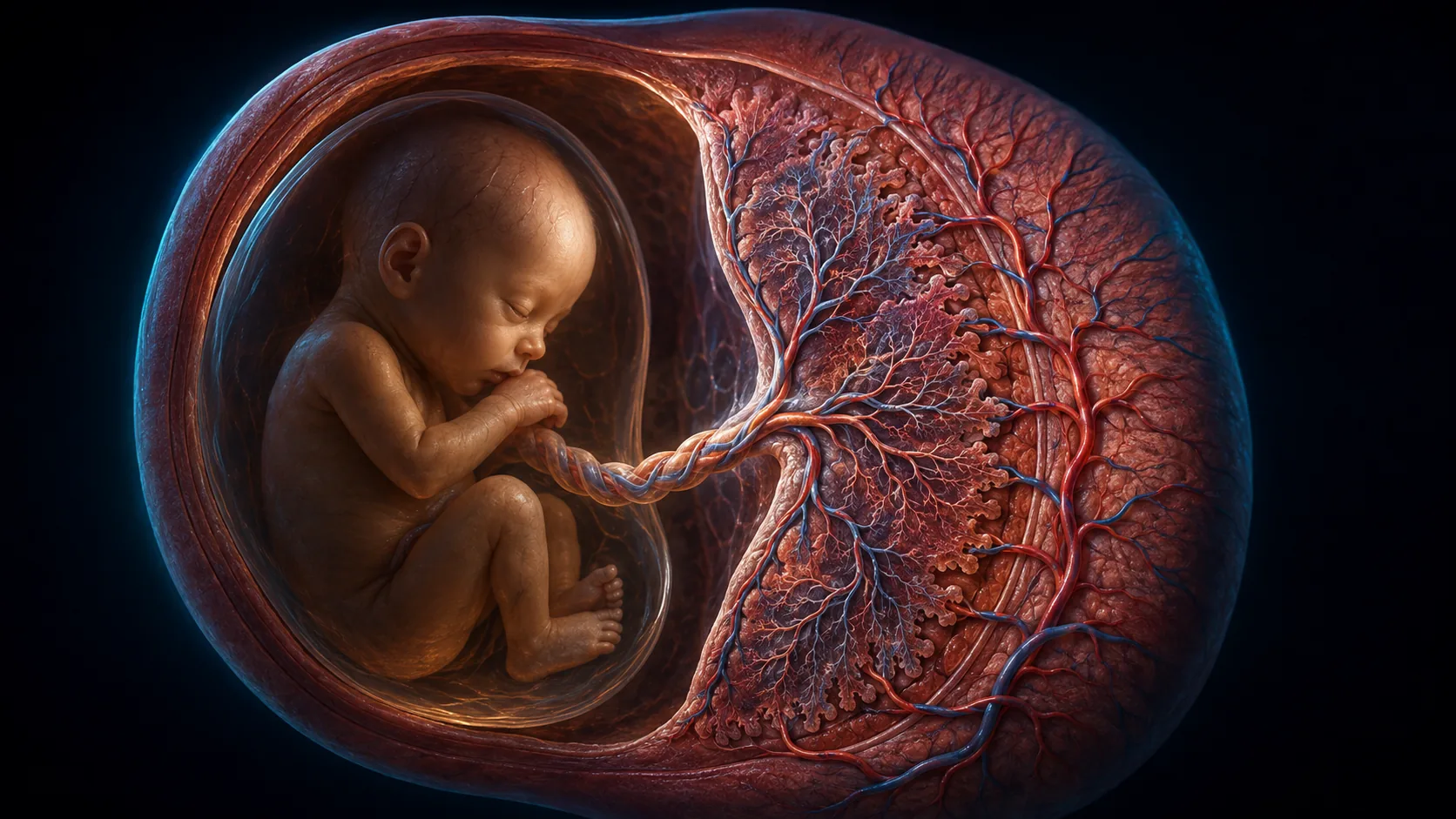
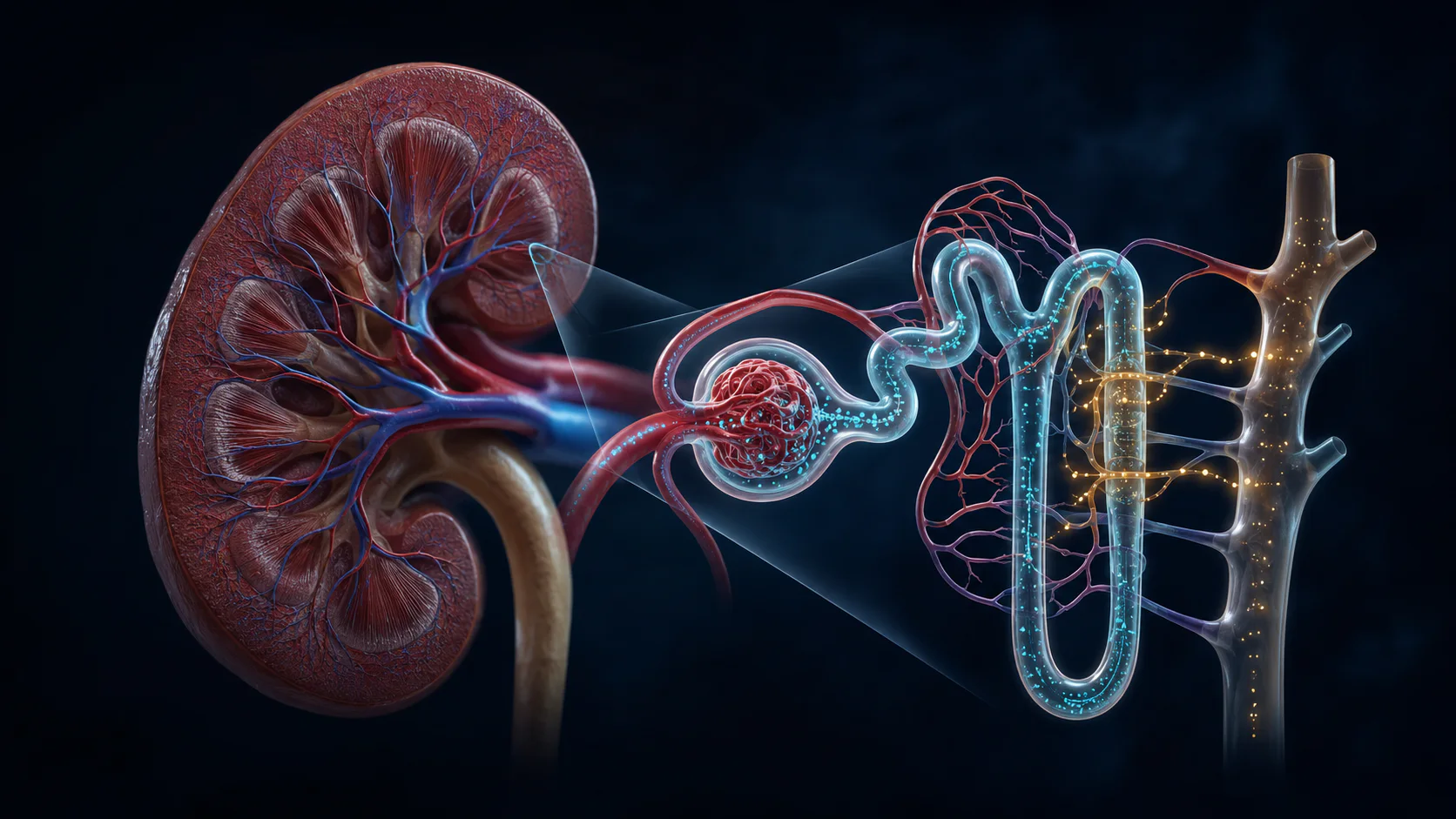
A fetus lives in a different fluid and circulatory environment. After delivery, lung fluid is absorbed and expelled, placental circulation ends, kidney handling changes and the extracellular-fluid compartment contracts. Sodium and water excretion contribute to the early fall on the scale.
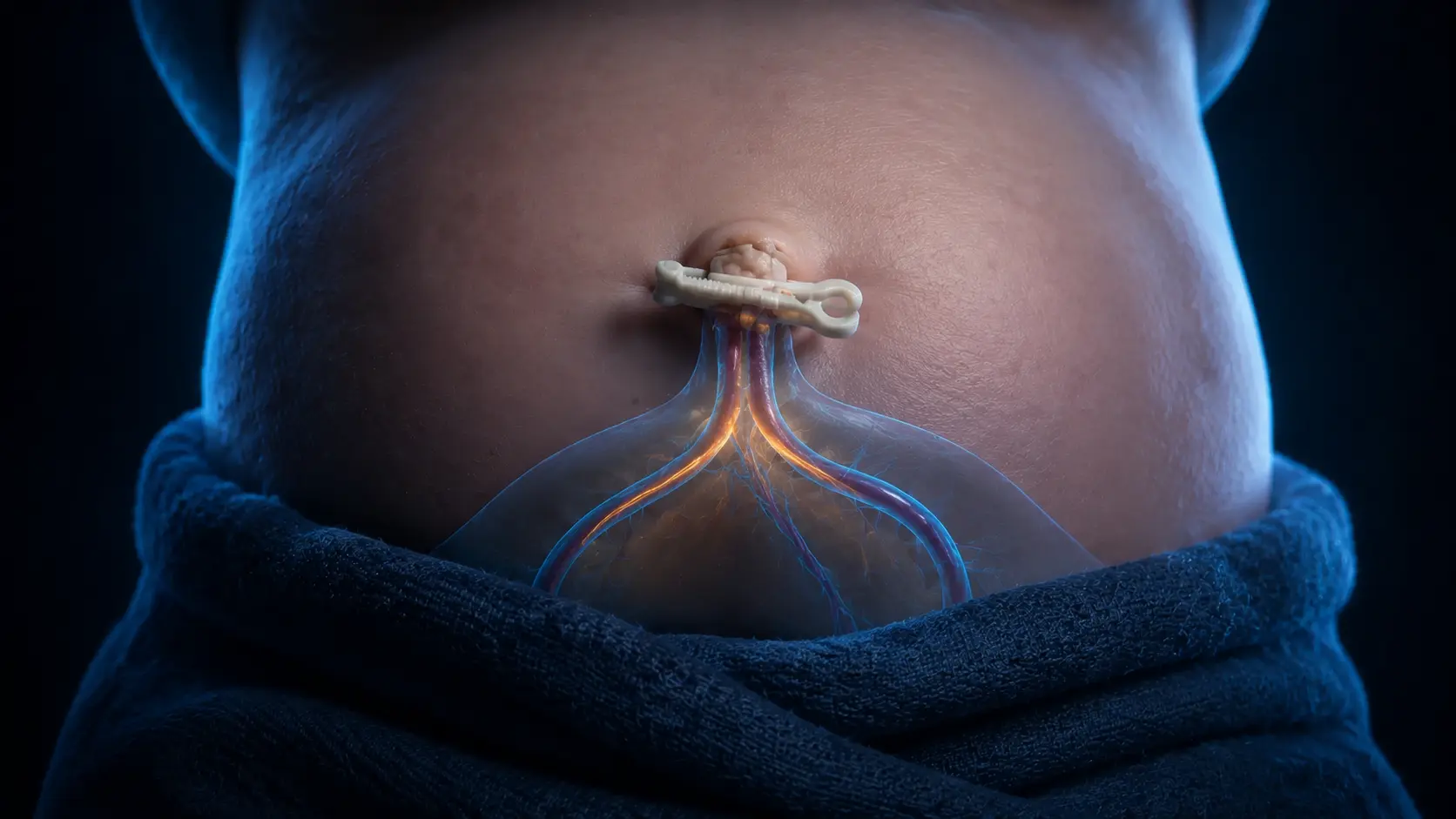
This is not adult fat loss. In a few days, most of the change comes from water and the passage of urine and meconium. The newborn is also losing the umbilical stump's drying mass and other small components, but these account for much less.
Birth weight is a single measurement taken during a dynamic process. Timing, scale technique and maternal IV fluid exposure can change the starting point. A baby whose birth weight includes transient extra fluid may show a larger early percentage loss without that percentage telling the whole story.
Intake starts small while feeding becomes efficient
Colostrum is produced in small volumes matched to frequent early feeding. Over the following days, milk volume usually rises. Formula-fed babies also begin with small feeds that increase as coordination and stomach capacity develop.
Effective transfer depends on alertness, latch, sucking, swallowing and feeding frequency, as well as milk availability. A baby can appear to spend a long time at the breast without transferring an adequate volume, which is why observed feeding and output matter more than duration alone.
As intake overtakes losses, weight reaches a nadir and begins to rise. The shape of that curve is more informative than one isolated percentage. Clinicians use serial measurements rather than assuming that every baby should follow the same exact day or threshold.
The same percentage can mean different things
Gestational age, delivery mode, maternal fluids, illness and feeding method all shift normal distributions. Preterm or medically complex newborns have different fluid physiology and should not be judged by a simplified term-infant rule.
A frequently repeated figure is that loss around 7–10% may trigger closer feeding assessment. It is not a diagnosis and does not automatically prescribe supplementation. A smaller loss can still matter if the baby is unwell, while a larger measured loss may partly reflect a fluid-inflated birth weight.
Nomograms can compare a baby's trajectory with large cohorts by hour after birth, but they support rather than replace examination. Weight is interpreted with urine and stool, oral moisture, jaundice, behavior, vital signs and evidence that feeding is becoming effective.
Follow-up distinguishes transition from inadequate intake
The expected direction is stabilization and regain as feeding volume grows. Many term newborns return to birth weight around 10–14 days, though healthy variation exists and some take longer. The clinician's task is to decide whether the trajectory fits the whole baby.
Fewer wet diapers than expected, persistent sleepiness, poor feeding, worsening jaundice, a dry mouth, fever or continued decline deserve prompt professional guidance. Young infants can become unwell quickly, so online percentages should never delay contact with newborn care.
Support may include observing a feed, improving positioning or latch, expressing milk, reviewing feeding frequency, checking bilirubin or electrolytes, and using supplemental milk when clinically indicated. The appropriate plan depends on the baby and family rather than one universal chart.
From birth weight to early regain
Placental flow ends and extracellular fluid contracts. The kidneys excrete water and sodium while urine, meconium and lung fluid leave the body.
Early feeding volumes begin small and then rise. Once intake exceeds ongoing losses, the weight curve turns upward and tissue growth becomes the dominant process.
A cohort study found that maternal intrapartum fluid and newborn output can influence the early weight-loss pattern through diuresis.
Why it matters
Understanding the mechanism reduces unnecessary alarm while preserving the reason newborns are weighed repeatedly: the trajectory can reveal feeding or hydration problems before they are obvious.
It also replaces a rigid threshold with better clinical thinking. Percentage, timing, feeding, output and examination must agree before the change can be called reassuring.
Early weight loss is usually a fluid-and-intake transition that must turn around.
Newborns excrete extracellular fluid before feeding volume fully rises; serial measurements and clinical context show whether regain is on course.
Research behind this story
We link to the primary study or an authoritative indexed review wherever possible. Caveats in the text reflect the limits of that evidence.
01