Quick answer
Bone marrow makes blood through hematopoiesis. A small population of hematopoietic stem cells can self-renew and generate progenitors that become red blood cells, platelets and the many white-cell lineages. Endothelial cells, stromal cells, macrophages, nerves and chemical signals create marrow niches that control whether cells remain dormant, divide, specialize or leave. Red-cell production rises when kidney-derived erythropoietin signals low oxygen delivery; infection and inflammation can shift white-cell output; thrombopoietin helps regulate platelet production. Mature cells cross marrow sinusoids into blood. The process is flexible, but it is not one stem cell turning directly into every cell on demand.
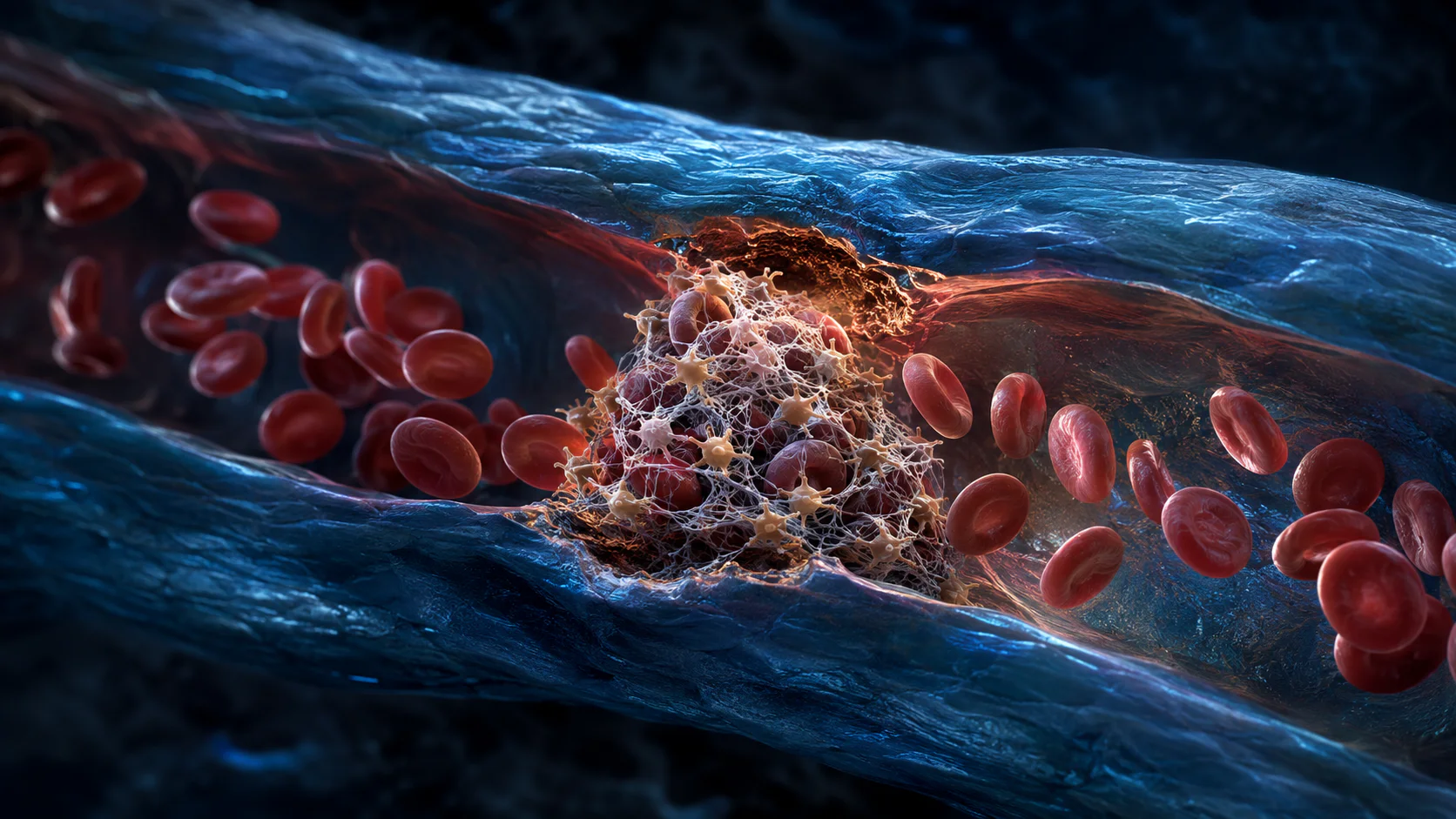
Blood looks like a finished fluid, yet its cellular population is constantly expiring. Red cells wear out, platelets circulate for only days, and many immune cells are consumed or replaced as tissues respond to everyday challenges.
Bone marrow makes red blood cells by guiding blood-forming stem-cell descendants through a process called erythropoiesis. The developing cells build oxygen-carrying hemoglobin, discard their nuclei and enter the bloodstream as young red cells. This happens in red marrow, a living tissue that also produces white-cell precursors and platelets.
Red marrow is tissue organized around vessels
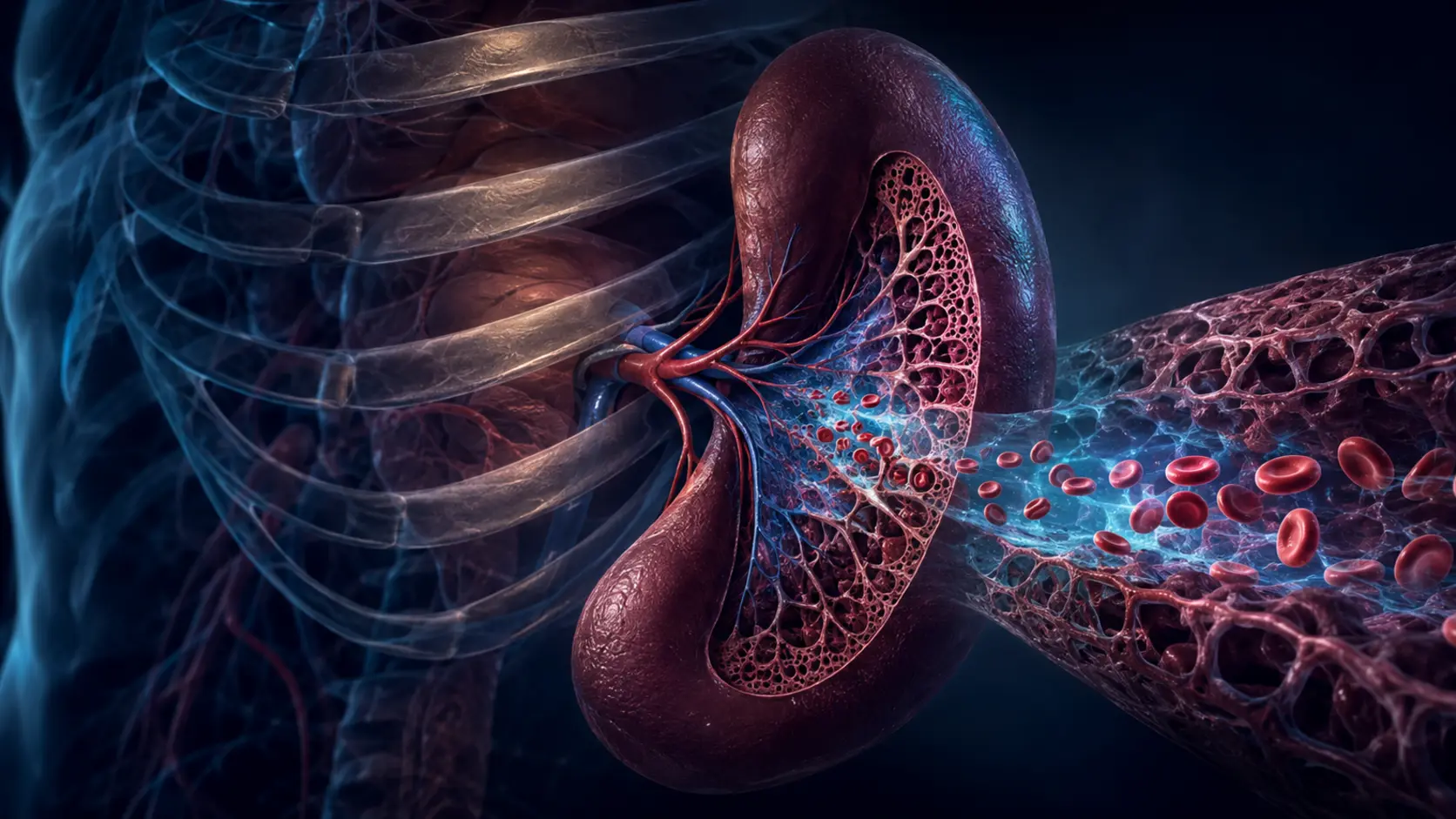
Trabecular bone forms a porous scaffold filled with marrow, vessels, fat cells and developing blood cells. In adults, active red marrow is concentrated mainly in the vertebrae, ribs, sternum, pelvis, skull and the proximal ends of some long bones; much other marrow becomes fattier yellow marrow.
Wide, thin-walled venous sinusoids run through the tissue. Cells mature near these vessels and cross the endothelial barrier when ready. Megakaryocytes sit beside sinusoids and extend processes into the bloodstream, shedding fragments that become platelets.
The layout is active regulation rather than empty storage. Oxygen, nutrients, adhesion molecules and signals from neighboring endothelial and stromal cells influence which progenitors survive and how they behave.
How does bone marrow make red blood cells?
Erythropoiesis is the red-cell branch of blood formation. Stem-cell descendants become erythroid progenitors and then erythroblasts: developing cells that accumulate hemoglobin while becoming smaller. Near the end of this sequence, an erythroblast expels its nucleus and becomes a reticulocyte, a young red cell that still has some cellular machinery to clear away.
Many developing red cells mature in small groups around a supportive macrophage, called erythroblastic islands. Reticulocytes leave these marrow environments, cross into venous sinusoids and finish maturing in circulation. The mature cell's hemoglobin carries oxygen; its lack of a nucleus is an adaptation, not a sign that it was produced without a cellular development process.
Does bone marrow also make white blood cells and platelets?
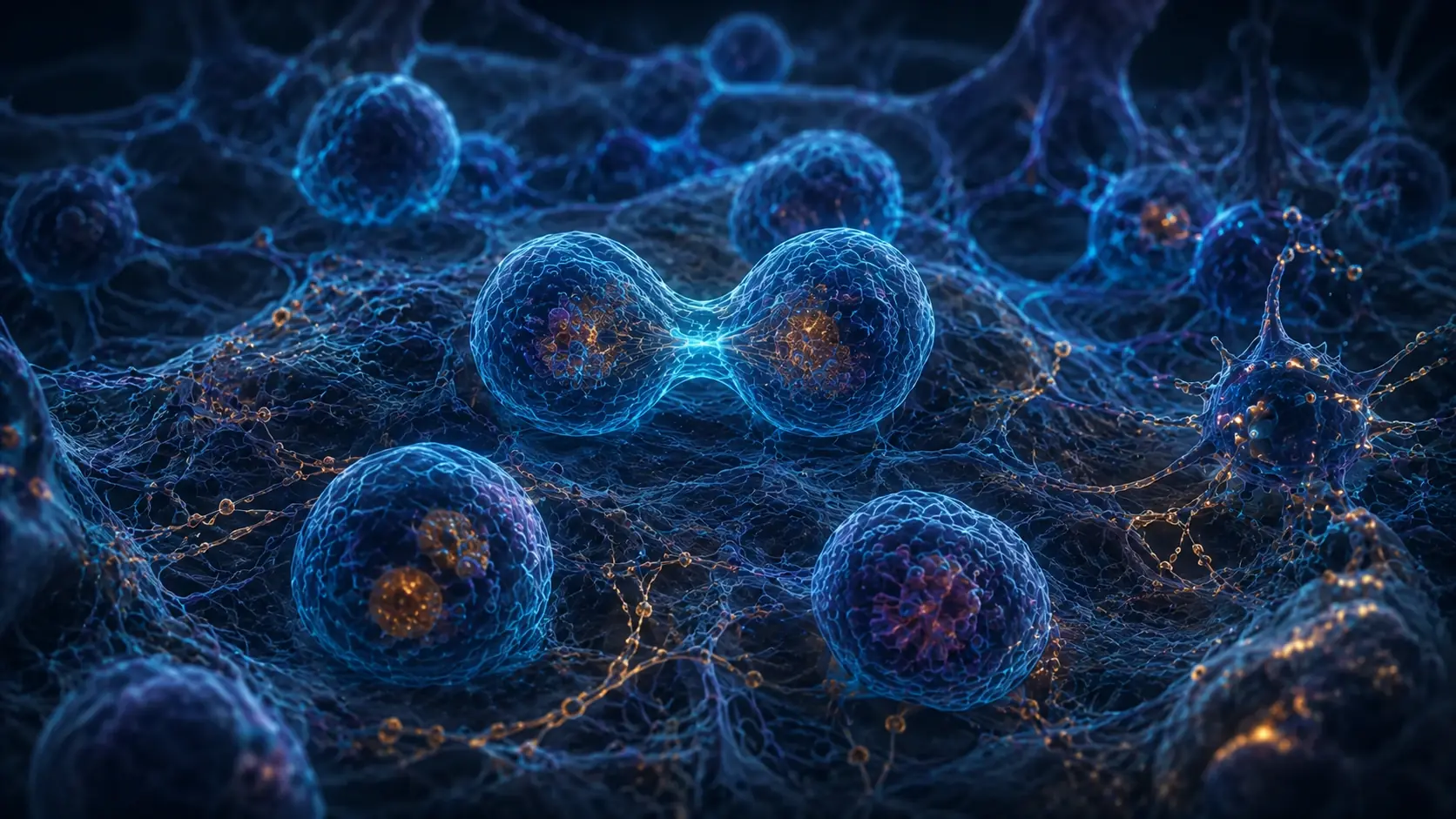
Hematopoietic stem cells are defined by two capacities: long-term self-renewal and the ability to reconstitute all blood lineages. Most are not racing through cell division. Quiescence protects the population from exhaustion and limits replication-associated damage.
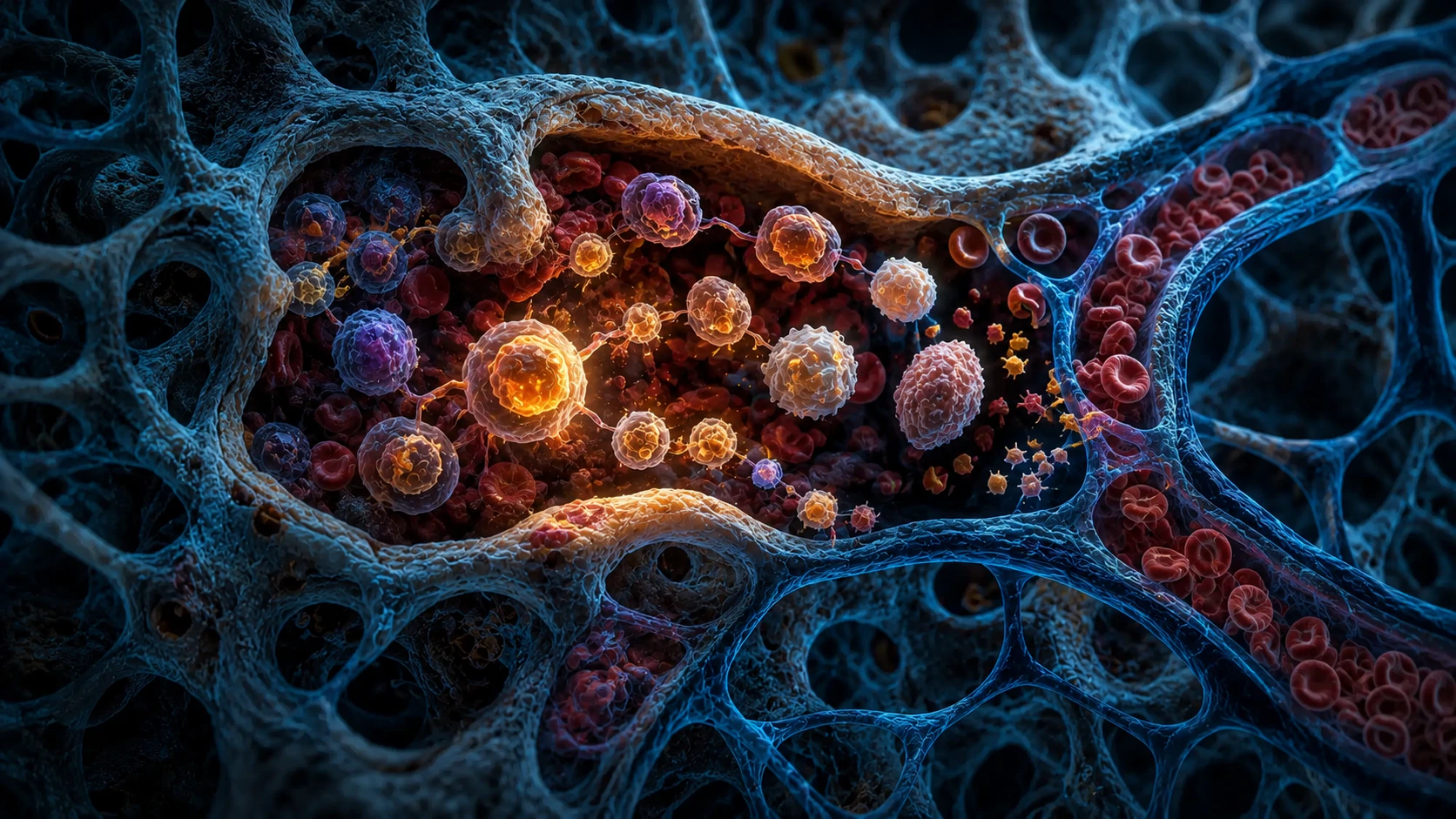
When production is needed, descendants pass through overlapping progenitor states and progressively acquire lineage programs. Erythroid progenitors make red cells; megakaryocyte pathways make platelets; myeloid and lymphoid routes generate granulocytes, monocytes, B cells, T-cell precursors and other immune populations.
The familiar branching-tree diagram is useful but simplified. Modern single-cell studies show continua, early biases and alternative routes rather than one identical sequence in every cell. The stable principle is progressive restriction; the precise map remains an active research area.
Signals change output when the body’s needs change
When kidneys sense inadequate oxygen delivery, they increase erythropoietin, which supports survival and maturation of erythroid progenitors. The result is more reticulocytes entering blood and, after maturation, more oxygen-carrying red cells.
Infection can drive emergency granulopoiesis through cytokine signals, expanding neutrophil output. Thrombopoietin, produced mainly by the liver, helps regulate megakaryocytes and platelet production. These systems adjust different lines without requiring the whole marrow to accelerate equally.
Stress responses have costs. Sustained inflammation can distort production, cancer can replace normal marrow architecture, and chemotherapy or radiation can damage rapidly dividing progenitors. A blood count reports circulating outcomes; it does not by itself reveal every process inside the marrow.
Blood formation moved before it settled in bone
Hematopoiesis changes location during development. Early waves begin outside the embryo, then the fetal liver becomes a major production site. As skeletal cavities develop, bone marrow increasingly takes over and becomes the normal dominant site after birth.
That history explains why marrow stem-cell transplantation can rebuild blood production. Donor stem and progenitor cells can home to marrow environments and re-establish lineages, but transplantation is intensive medical treatment with immune, infection and graft-related risks.
Bone marrow also connects two meanings of stem cell that are often blurred. Hematopoietic stem cells renew blood; they do not ordinarily regenerate any tissue in the body. Their potency is broad within the blood system, not unlimited.
From a protected stem-cell pool to circulation
Niche signals maintain rare stem cells and recruit selected descendants into production. Progenitors expand and progressively acquire the machinery of one lineage.
Maturing cells reorganize near marrow sinusoids. Red and white cells cross the vessel wall, while megakaryocytes release platelets directly into flowing blood.
A modern structural review describes how marrow vessels and stromal niches organize hematopoiesis.
A review of red-cell development explains erythroblastic islands, nucleus removal and reticulocyte maturation.
Why it matters
Hematopoiesis explains how a stable-looking blood test depends on extraordinary continuous turnover inside bones.
It also clarifies medical language: anemia, low platelets or abnormal white cells may reflect production, destruction, loss or distribution, so a count is a clue rather than a complete diagnosis.
Bone marrow maintains blood through regulated cellular succession.
Protected stem cells feed specialized progenitors, niche signals tune demand, and mature cells cross vascular sinusoids into circulation.
Research behind this story
We link to the primary study or an authoritative indexed review wherever possible. Caveats in the text reflect the limits of that evidence.
01