Quick answer
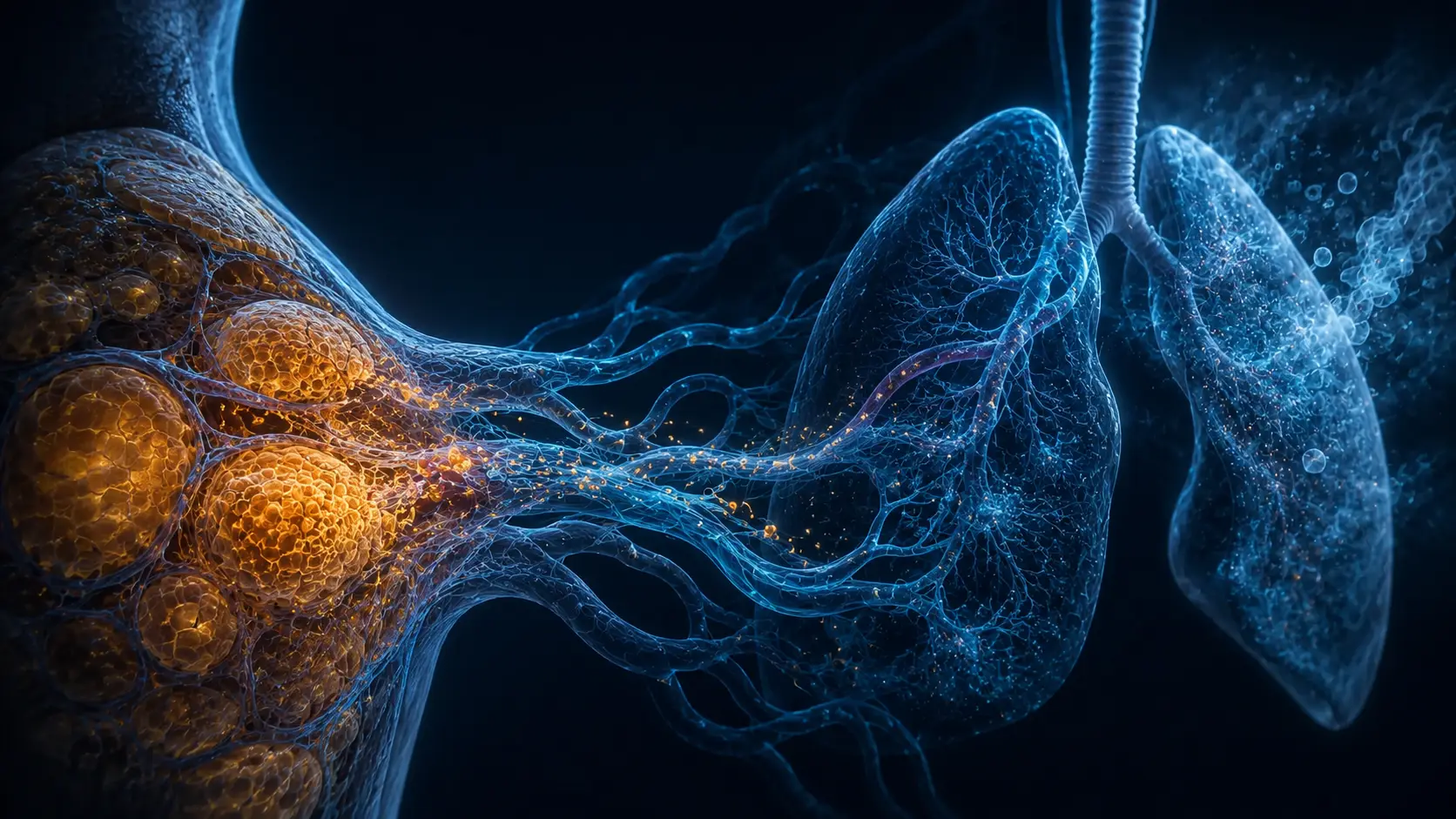
When the body draws down stored fat, enzymes split triglycerides into fatty acids and glycerol. Tissues take up those fuels and oxidize them through pathways that ultimately transfer their carbon into carbon dioxide. Blood carries that carbon dioxide to the lungs, where it is exhaled. Hydrogen and oxygen from the molecules contribute to metabolic water, which leaves in urine, sweat, breath and other fluids. In a commonly used triglyceride calculation, about 84% of the lost fat mass exits as carbon dioxide and about 16% as water, although real mixtures and whole-body metabolism are more complex.
A shrinking waist raises a surprisingly physical question: where did that mass go? It did not simply become heat, and it was not converted wholesale into muscle. The atoms that made up stored fat still had to leave the body.
The route runs from fat cells to the bloodstream, through fuel-using tissues and finally into breath and body water. Following those atoms turns an abstract calorie deficit into ordinary chemistry that can be measured.
Fat cells release fuel; they do not disappear
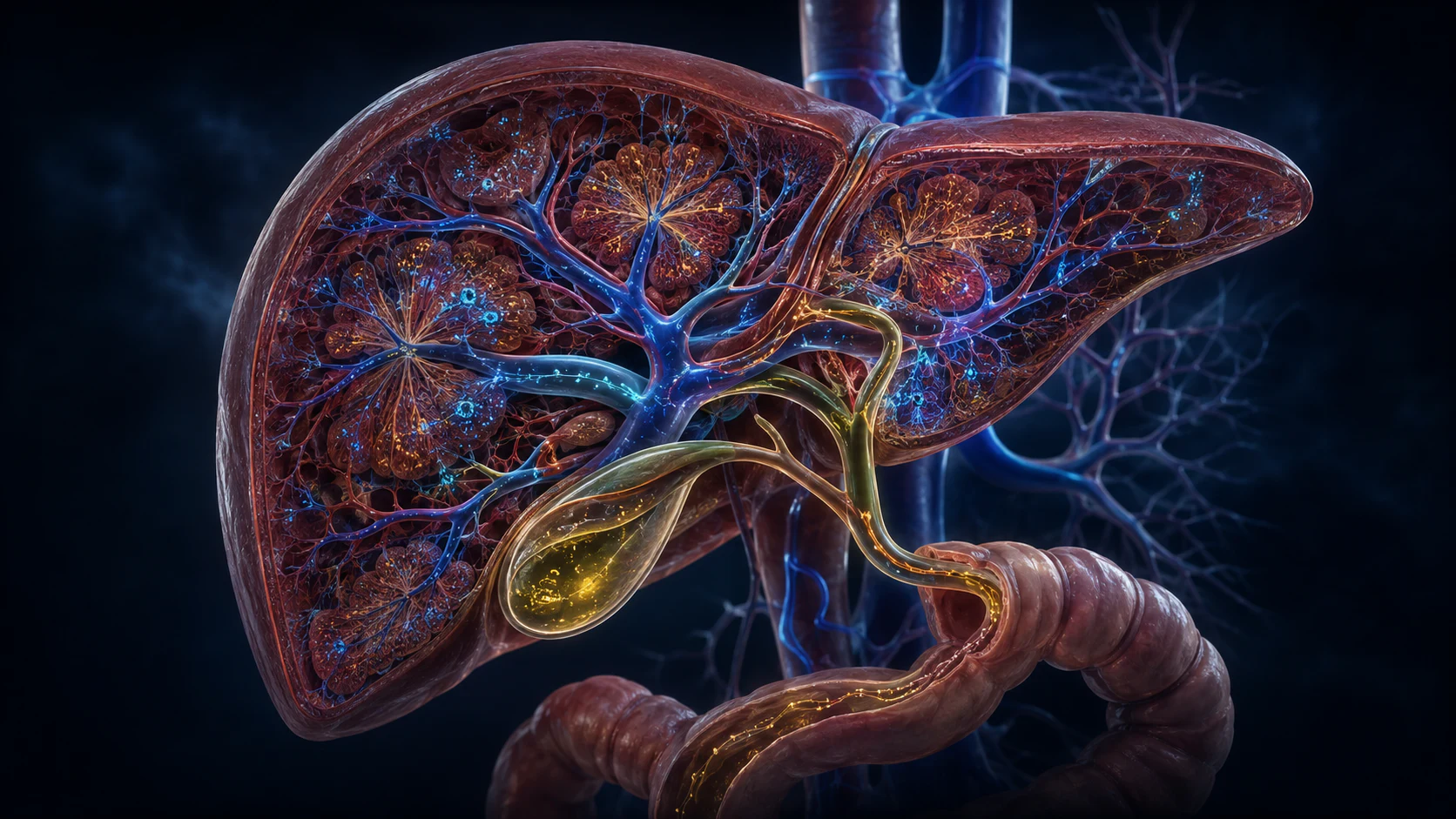
Most body fat is stored as triglyceride droplets inside adipocytes. During sustained energy demand, hormonal signals shift the balance toward lipolysis. Enzymes release fatty acids and glycerol from those triglycerides so the components can enter circulation and be used elsewhere.
The adipocytes generally remain in place while their lipid droplets shrink. Some released fatty acids are oxidized, some are re-esterified and stored again, and the balance changes from hour to hour. Meaningful fat loss reflects a longer period in which oxidation and other outputs exceed storage.
This is why sweating is not the same as losing fat. A hard workout can lower scale weight quickly by removing water, but that fluid can be replaced within hours. Reducing stored triglyceride requires net metabolic use over time.
Mitochondria turn fatty acids into usable chemical energy
Fatty acids enter cells such as muscle and are prepared for mitochondrial beta-oxidation. Repeated cycles shorten the carbon chain and generate acetyl-CoA plus electron carriers. Acetyl-CoA enters the citric acid cycle, while the electron carriers help drive ATP production through oxidative phosphorylation.
Calling the fat 'energy' skips an important conservation rule. Energy is released from chemical bonds, but the matter remains. Carbon atoms become carbon dioxide, while hydrogen and oxygen contribute to water. Heat is also produced, yet heat has no mass that could account for kilograms of tissue.
Oxygen from breathing is essential to the final accounting. It accepts electrons at the end of oxidative phosphorylation and becomes part of water; oxygen also participates in the complete oxidation represented by the overall reaction. The products therefore weigh more than the fat alone because inhaled oxygen joins them.
Breathing is the main exit for the carbon
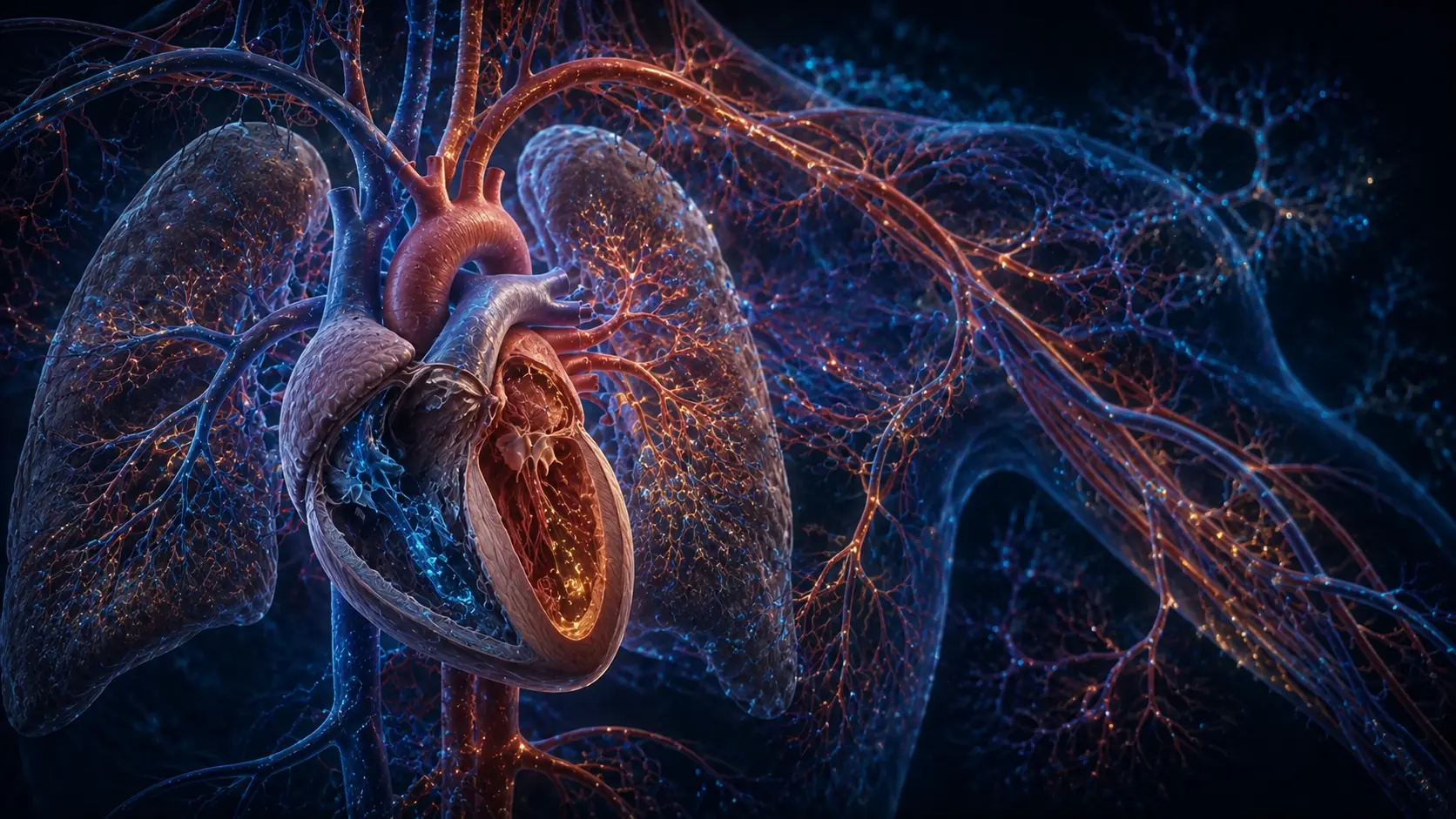
Carbon dioxide produced in tissues diffuses into blood. Most is transported as bicarbonate after a rapid reaction inside red blood cells; smaller fractions travel dissolved or bound to proteins. In the lungs the chemistry reverses, carbon dioxide enters the alveoli and each exhalation carries it outside.
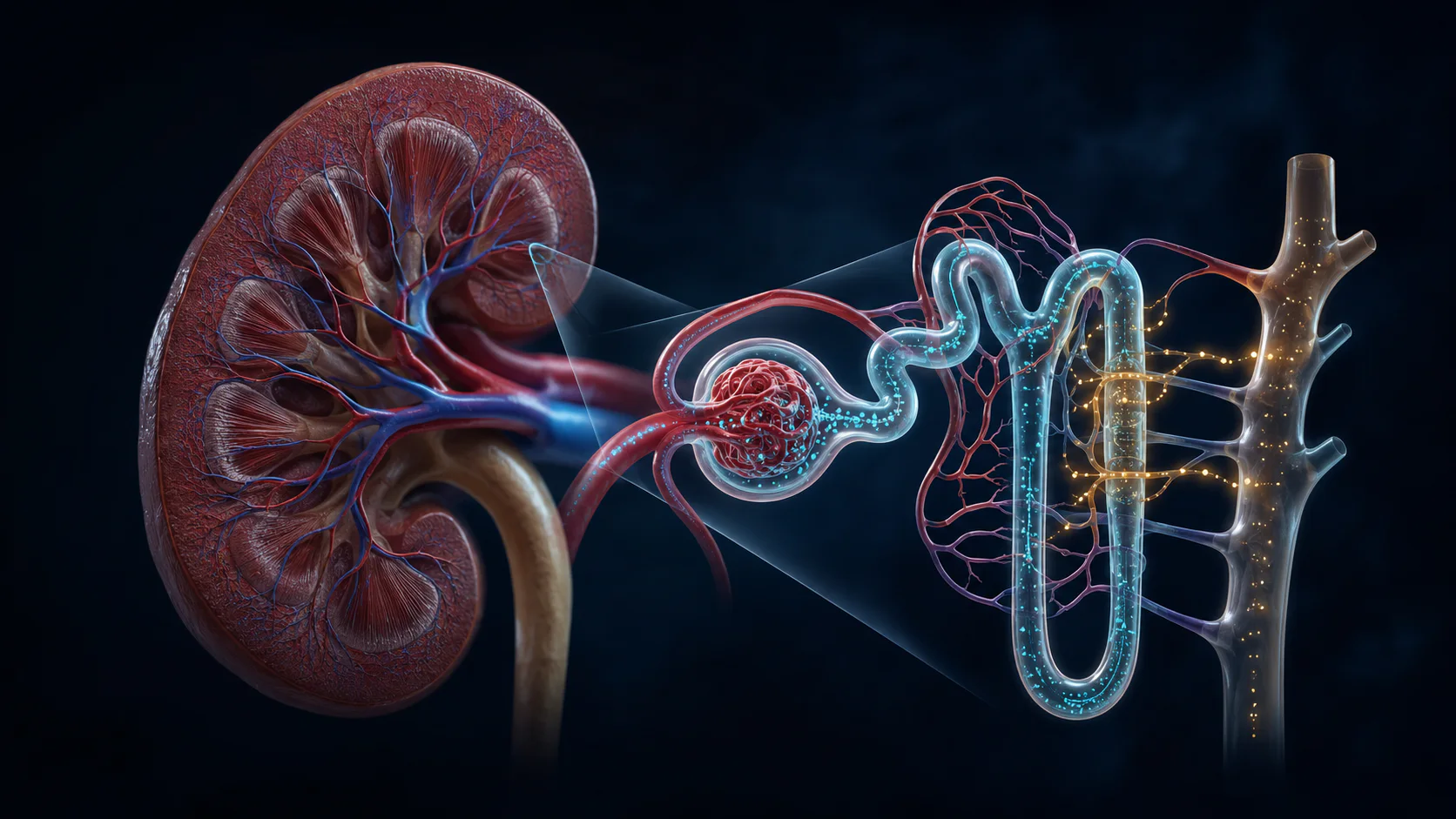
Water has many exits. It can leave in urine, sweat, feces, tears and humidified breath, or remain temporarily in body fluids. The exact route varies with temperature, activity, hydration and kidney regulation.
Breathing faster by itself does not force fat loss. Hyperventilation removes carbon dioxide faster only briefly and can dangerously disturb blood pH. The sustained carbon output comes from metabolism, which is why energy intake and expenditure—not deliberate overbreathing—determine whether stored fat declines.
From triglyceride to breath
Lipolysis mobilizes fatty acids and glycerol from adipose tissue. Fuel-using cells oxidize their carbon skeletons while capturing part of the released energy in ATP.
Carbon dioxide returns through the circulation to the lungs. Metabolic water joins the body's water pool before leaving through several routes.
A mass-balance analysis in The BMJ calculates that oxidized triglyceride leaves mainly as carbon dioxide through the lungs.
Why it matters
The mass balance corrects two common myths: fat is neither converted directly into heat nor expelled mainly through sweat.
It also keeps weight-loss explanations honest. Exercise supports energy expenditure and health, but no breathing trick can replace the metabolic conditions required to use stored fuel.
Fat loss is chemistry you can breathe out.
Stored carbon becomes carbon dioxide after cellular oxidation, making the lungs the main route by which lost fat mass leaves the body.
Research behind this story
We link to the primary study or an authoritative indexed review wherever possible. Caveats in the text reflect the limits of that evidence.
01